10 Best Bakkies in South Africa

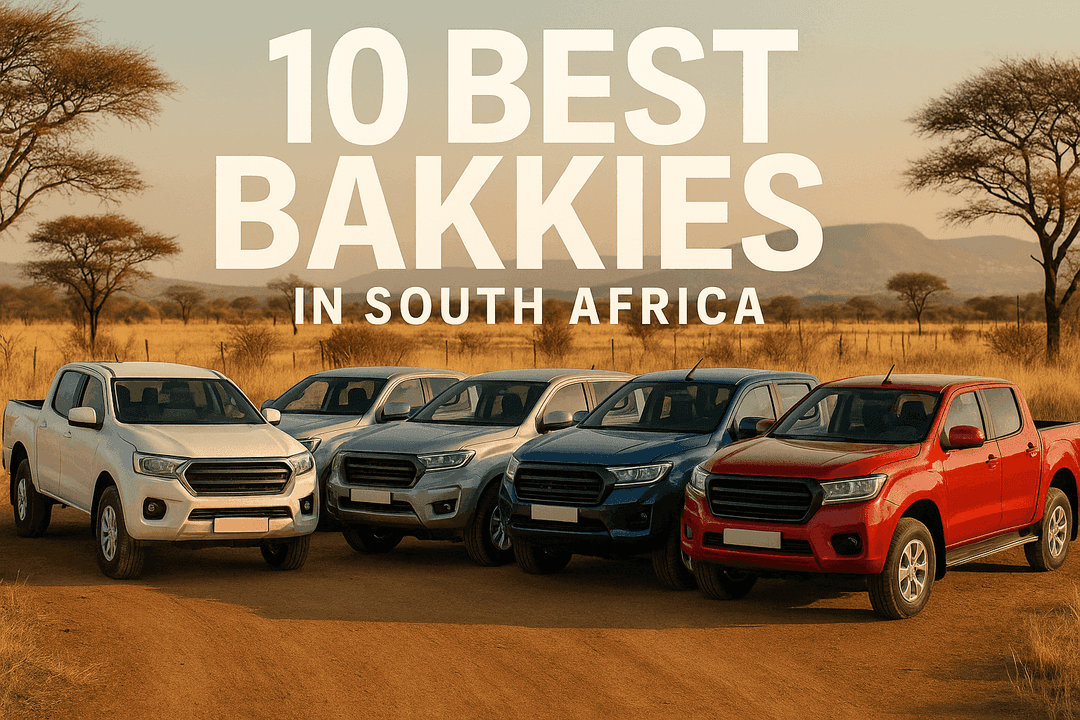
10 Best Bakkies in South Africa
South Africans love bakkies, and the reason is simple: few vehicles cover as many roles on local roads. One day, it hauls tools to site, the next it heads out of town with bikes, camping gear, and a cooler in the back.
Rural roads, city traffic, farm tracks, and highway cruising all fall within the same weekly routine. Buyers expect toughness, towing ability, and comfort without sacrificing everyday usability.
Choosing the right bakkie can feel overwhelming with so many models competing for attention. Our guide highlights ten standout bakkies available in South Africa right now, covering reliability, capability, value, and everyday driving appeal.
10 Best Bakkies in South Africa
1. Toyota Hilux
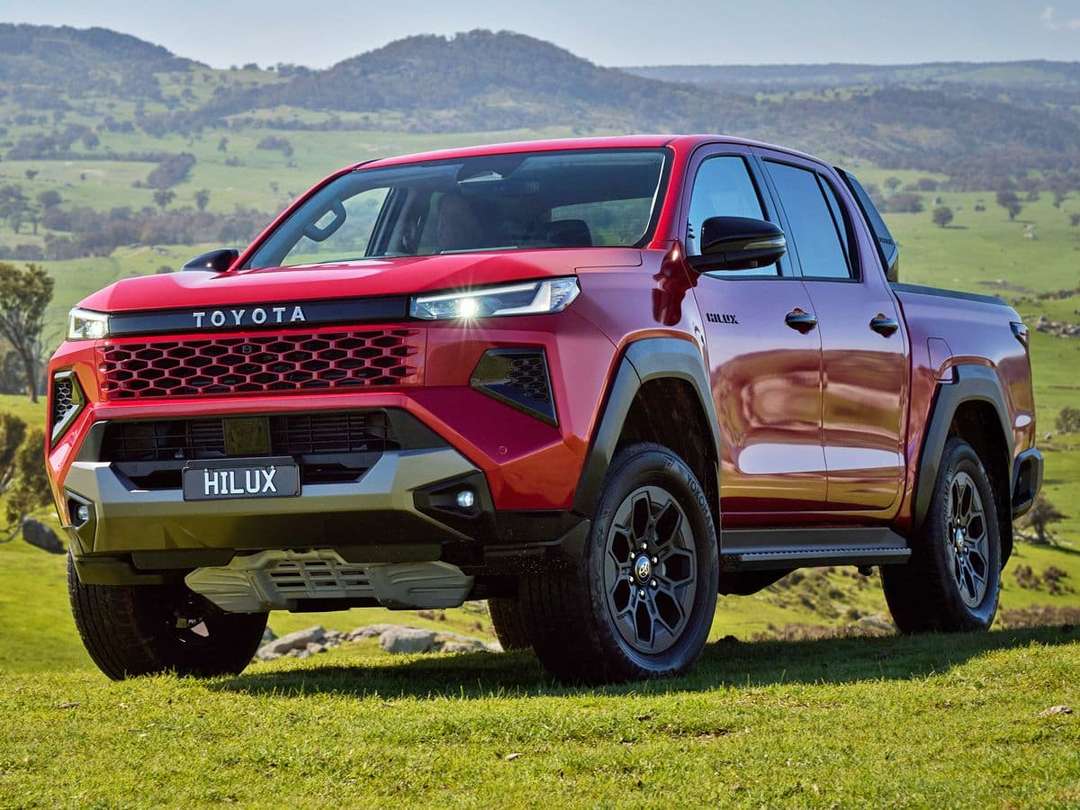
The Hilux still defines the default South African bakkie. Open the door, start the engine, and everything is familiar, including smooth and powerful steering and a chassis that can effortlessly take on urban tar, gravel farm roads, and long freeway stretches.
Toyota’s current 2.8 GD-6 offers 150 kW and 500 Nm in flagship form, with a 48V derivative currently on sale.
2. Ford Ranger

Ranger has grown into the segment’s all-around tech bruiser, but the key attraction can still be found under the hood.
Ford’s 3.0-litre V6 turbodiesel delivers 184 kW and 600 Nm through a 10-speed automatic and full-time 4WD, while 2.0-litre single-turbo and bi-turbo options cover the wider range.
Behind the wheel, Ranger offers smooth driving and is more polished than older generations, especially on mixed surfaces. The cabin tech also increases daily use, featuring large screens, useful cameras, and towing assistance that removes the effort of neatly reversing a trailer into tight spots.
3. Isuzu D-Max
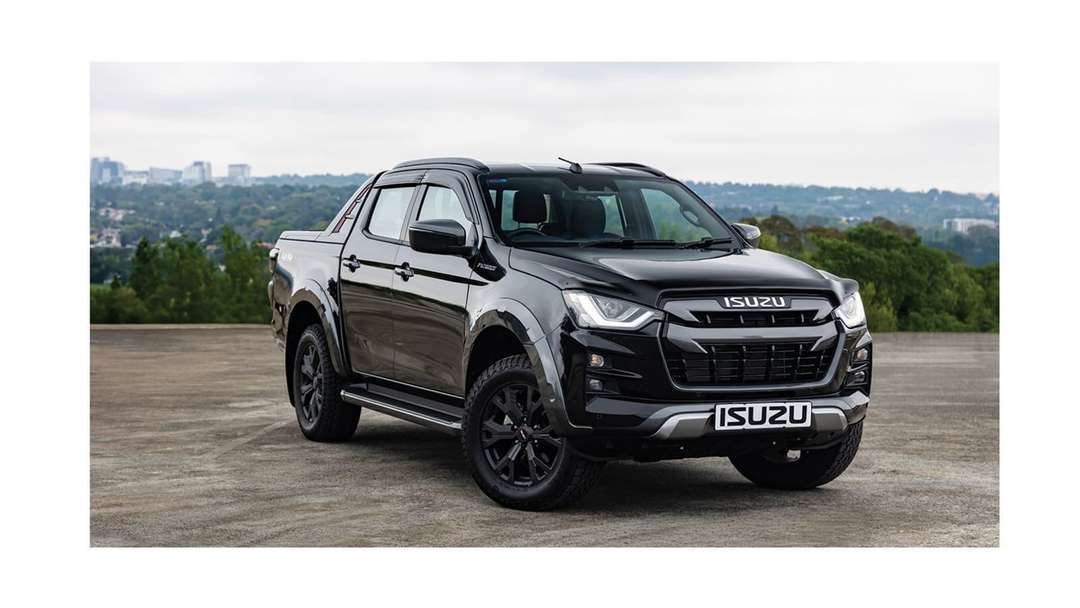
D-Max has earned a loyal South African following by refusing to overcomplicate the brief. Climb aboard, and the first impression is clear controls, upright visibility, and a chassis that is at its happiest with weight in the load bed.
Isuzu offers a 1.9-litre turbodiesel with 110 kW and 350 Nm, or a 3.0-litre unit with 140 kW and 450 Nm, paired with six-speed manual or automatic transmissions.
Some models also offer an electronic rear diff lock and Terrain Command dial, which extends the D-Max’s reach once you explore off-tar roads for weekend escapes.
4. Volkswagen Amarok
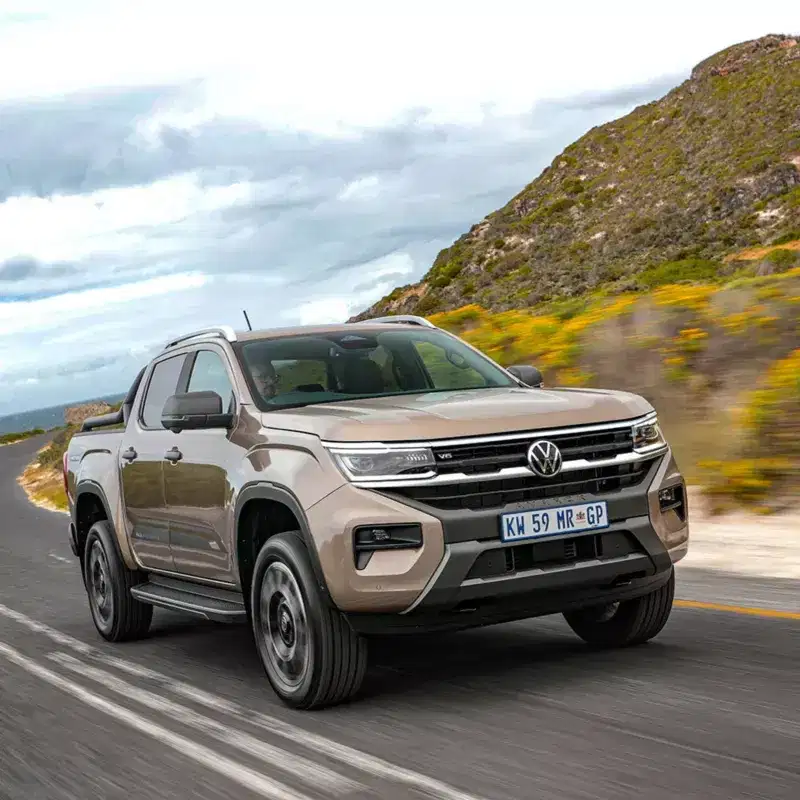
Amarok goes more into premium territory than most rivals, and the difference is apparent within the first few kilometres. Body control is tighter on tar, the cabin has a more SUV-like look and feel, and higher grades offer polish that buyers usually find in German-made passenger cars.
Volkswagen’s flagship PanAmericana has a 3.0-litre V6 TDI with 184 kW and 600 Nm, while the range also offers 2.0-litre 4x2 and 4Motion versions. Reverse camera, trailer hitch, six tie-down hooks, and cargo lighting underline the fact that Amarok is still the best option for daily use.
5. Mahindra Pik Up
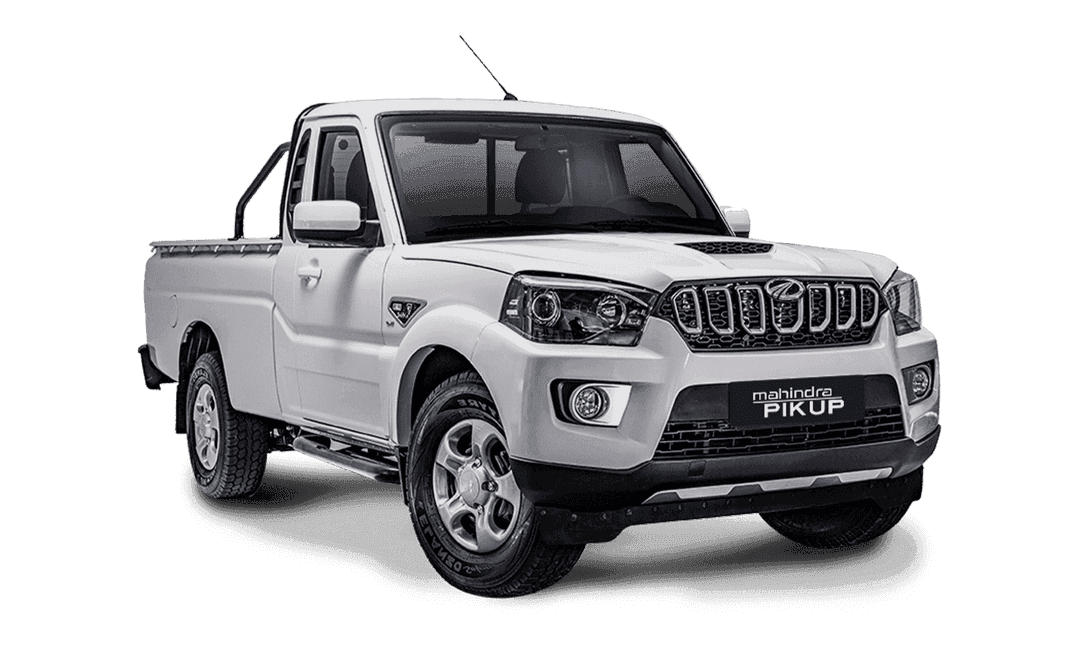
Pik Up does not pretend to be metropolitan sculpture, and this type of honesty works in its favour. Mahindra’s 2.2-litre mHawk turbodiesel delivers 103 kW and 320 Nm, paired with six-speed manual or automatic transmissions depending on variant.
Low-speed tractability is useful, visibility is excellent, and pricing undercuts the established heavyweights by a margin. Double Cab and Single Cab versions give buyers a broad choice, from graft machines to Karoo editions with attitude.
6. Toyota Land Cruiser 79
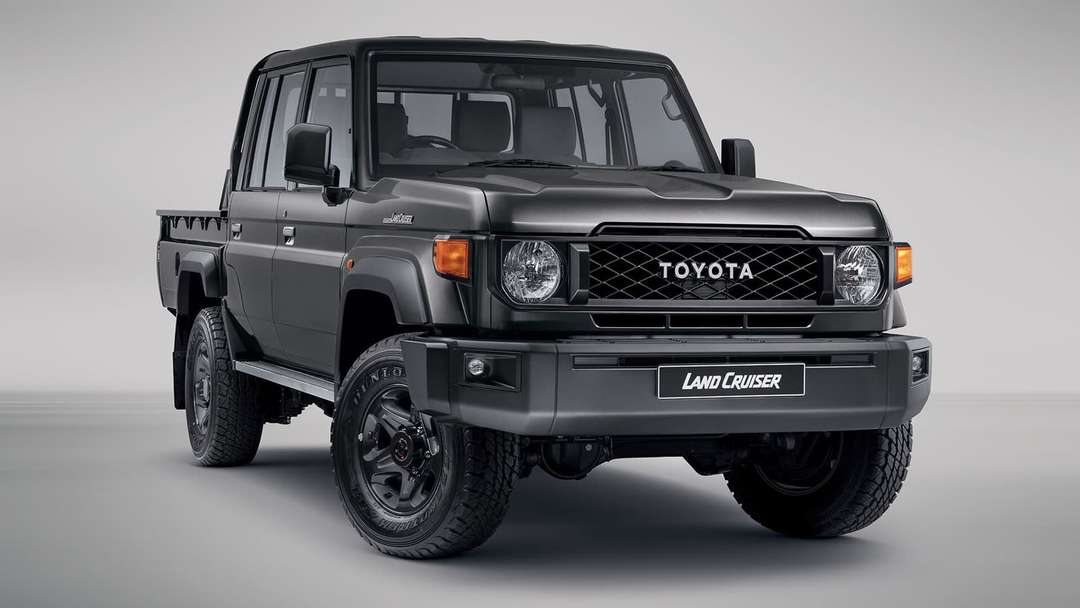
Land Cruiser 79 is less a fashionable bakkie than a permanent fixture in South African life. Turn the key, and the vehicle reinforces the fact that durability is above everything else, from the upright cabin to the heavy-duty hardware underneath.
Current Double Cab versions include 4.0 petrol, 4.2 diesel, and 2.8 GD-6 derivatives, with the 2.8 producing 150 kW and 500 Nm. Braked towing reaches 3 500 kg on selected 2.8 models. Tar roads reveal their old-school roots, but deep rural use is still the LC79’s natural habitat.
7. Nissan Navara
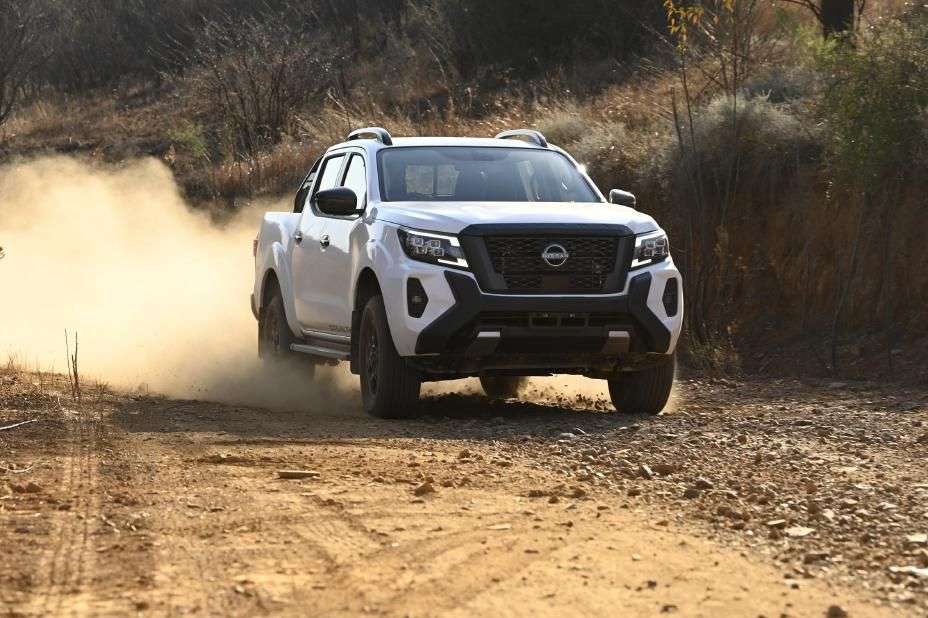
Nissan Navara’s most outstanding feature is ride quality. Nissan’s five-link rear coil spring setup on Double Cab models smooths out broken road surfaces and uneven surfaces better than many leaf-sprung rivals, which makes daily driving easier.
The Navara offers safety tech, including Trailer Stability Assist, around-view camera systems on upper grades, and a six-year warranty that improves long-term ownership value.
8. BYD Shark 6
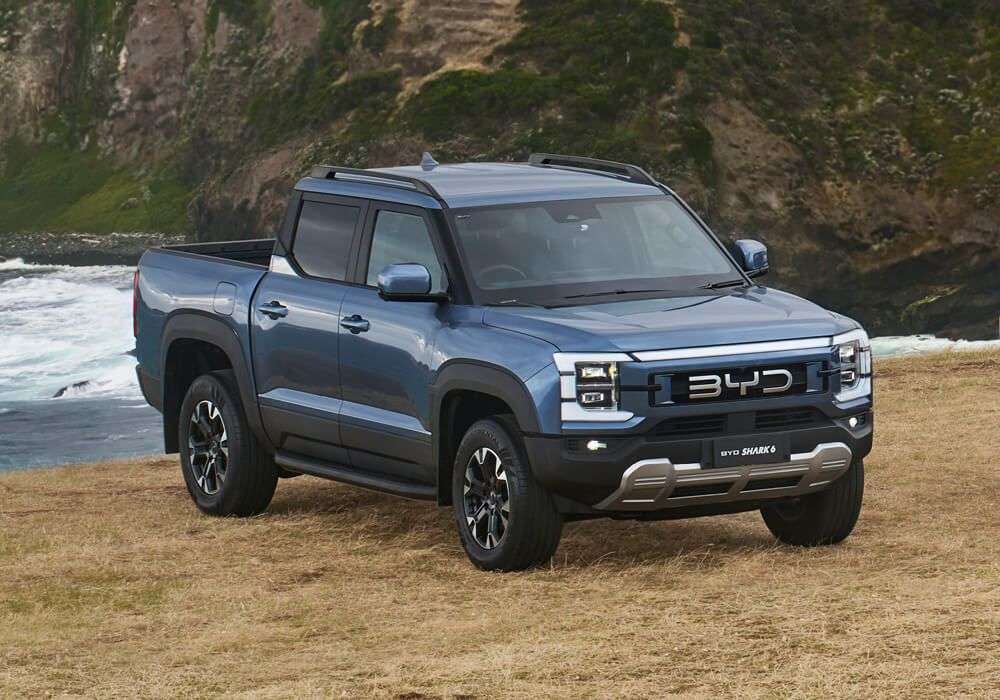
Shark 6 is the curveball in the bakkie group, offering plug-in hybrid muscle and a different driving character. BYD pairs a 1.5-litre turbo petrol engine with its Blade battery system for a combined 321 kW and 650 Nm, and the result is absurdly quick from standstill.
Double wishbone suspension front and rear helps it handle quicker direction changes with control, while Mud, Sand, and Snow modes expand its capability beyond everyday city driving.
9. GWM P300
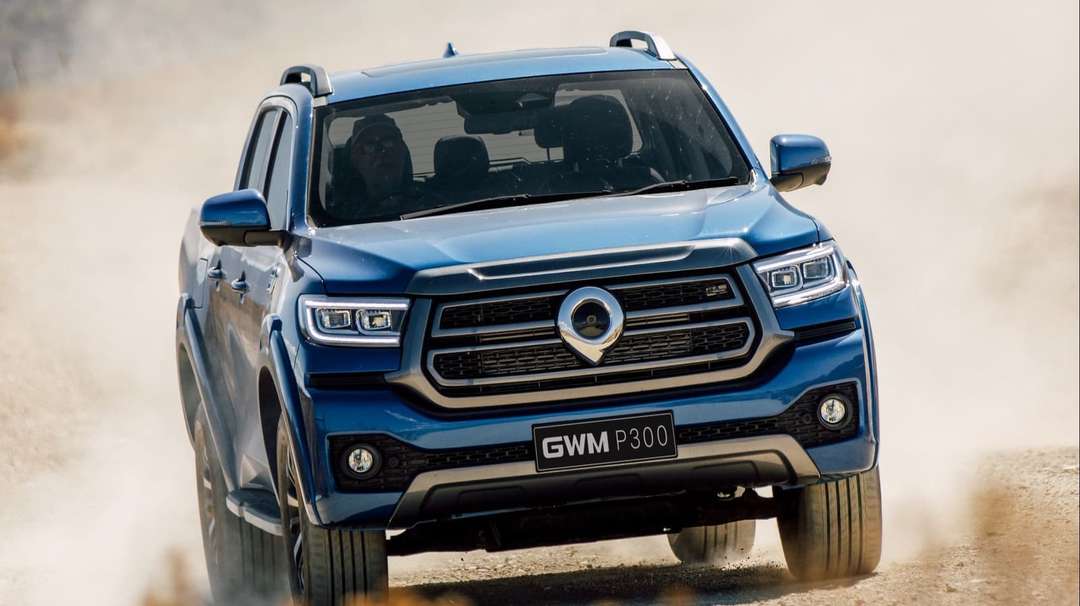
P300 marks a reset for GWM’s local bakkie. The latest version trades bargain-basement vibes for a more ambitious package, led by a new 2.4-litre turbodiesel producing 135 kW and 480 Nm.
On the road during weekday commuting, P300 is larger and more insulated than older P-Series products, with a 12.3-inch touchscreen and driver aids adding to the overall package.
10. JAC T9
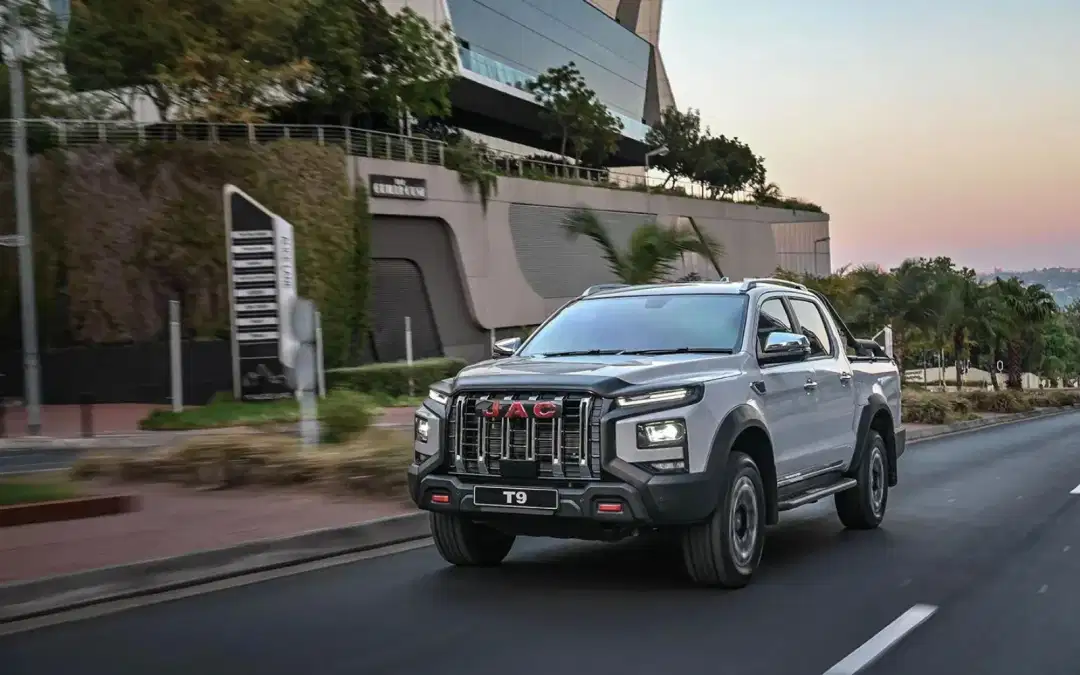
T9 is JAC’s boldest shot at the mainstream double-cab market, and it offers far more substance than many buyers might expect. Official figures show a 2.0-litre turbo-diesel that produces 125 kW and 410 Nm, channelled through a ZF eight-speed automatic.
From the driver’s seat, T9 is roomy, modern, and less rough-edged than many older imported bakkies.
Comparing the Best Bakkies in South Africa Side-by-Side
| Model | Engine | Power | Torque | Fuel Consumption | Best for |
|---|---|---|---|---|---|
| Toyota Hilux | 2.4L, 2.8L turbodiesel | up to 150 kW | up to 500 Nm | 8.0 L/100 km | All-round private and business use |
| Ford Ranger | 2.0L single-turbo, 2.0L bi-turbo, 3.0L V6 turbodiesel | 125–184 kW | 405–600 Nm | 6.9–8.4 L/100 km | Towing, touring, and tech-focused buyers |
| Isuzu D-Max | 1.9L, 3.0L turbodiesel | 110–140 kW | 350–450 Nm | 7.3–8.5 L/100 km | Durability and mixed leisure-business duty |
| Volkswagen Amarok | 2.0L TDI, 2.0L BiTDI, 3.0L V6 TDI | 110–184 kW | 350–600 Nm | 6.9–8.4 L/100 km | Premium double-cab buyers |
| Mahindra Pik Up | 2.2L mHawk turbodiesel | 103 kW | 320 Nm | 7.9–9.3 L/100 km | Value-focused owners and farm use |
| Toyota Land Cruiser 79 | 4.0L petrol, 4.2L diesel, 2.8L turbodiesel | 94–150 kW | 285–500 Nm | 9.7 L/100 km | Remote-area durability and heavy-duty towing |
| Nissan Navara | 2.5L turbodiesel | up to 140 kW | up to 450 Nm | 7.2–8.1 L/100 km | Family use and everyday comfort |
| BYD Shark 6 | 1.5L turbo plug-in hybrid | 321 kW | 650 Nm | 7.5 L/100 km | Electrified performance and urban-weekend use |
| GWM P300 | 2.4L turbodiesel | 135 kW | 480 Nm | 7.4–8.2 L/100 km | Value-packed towing and family use |
| JAC T9 | 2.0L turbodiesel | 125–144 kW | 410–487 Nm | 7.8 L/100 km | Spec-heavy value buying |
Overall, choosing the right bakkie in South Africa always depends on daily needs, terrain, and budget. Those who haul tools, trailers, or livestock tend to prefer proven workhorses like Hilux, D-Max, or Land Cruiser 79.
Drivers who prioritise comfort, technology, and long-distance touring gravitate toward Ranger or Amarok, where refined cabins and powerful engines reshape expectations around double-cab travel.
New contenders like BYD Shark 6, GWM P300, and JAC T9 offer fresh ideas by incorporating electrification, modern interiors, and competitive pricing.
Every model offers a distinct personality, which allows South African buyers to match capability, lifestyle, and value with the right bakkie.
Frequently Asked Questions
Which bakkie uses the least fuel in South Africa?
Smaller turbodiesel engines usually deliver the lowest consumption figures. Engines around 2.0-litre or smaller tend to return the best numbers during mixed driving.
What is the best bakkie for towing in South Africa?
Many modern double-cab bakkies tow up to 3,500 kg with a braked trailer. Diesel engines with higher torque figures usually perform better when hauling heavy loads.
Which bakkie handles off-road driving best?
Models with low-range gearing, locking rear differentials, and dedicated terrain modes perform better on sand, mud, and rocky trails.
What is the difference between single cab, extended cab, and double cab bakkies?
Single cabs prioritise load space and work use, while extended cabs add small rear seating space, and double cabs offer four doors and passenger comfort.
What should buyers check before buying a bakkie?
Service history, mileage, tyre condition, suspension wear, and accident history all deserve attention during inspection.
Summary
South Africans love bakkies, and the reason is simple: few vehicles cover as many roles on local roads. One day, it hauls tools to site, the next it heads out of town with bikes, camping gear, and a cooler in the back.