Haval H7 2.0T Luxury 9DCT (2026) Review

– A confident, well-priced family SUV let down only by thirsty real-world economy and a few ergonomic stumbles that a software update could sort out.
Introduction
Right, here’s the honest take: if you want a 170 kW family SUV with a seven-year warranty below R610k and can tolerate firm suspension with a touchscreen-only climate system, the Haval H7 2.0T Luxury 9DCT is worth a close look. By 2026, it slots neatly between the H6 and Tank 300 in Haval’s local stable. For me, this front-wheel-drive Luxury spec is the real sweet spot. It ditches hardware that most school-run parents will never need, and that’s the point. Most reviews focus on the Super Luxury 4WD, but let’s talk about the one that genuinely suits suburbia.
Key takeaway: The Haval H7 2.0T Luxury 9DCT comes in well under the price of mainstream rivals, offering equivalent power, warranty, and standard kit - if you’re willing to accept a thirstier fuel bill in real-world use.
Design & Exterior
The square-jawed pitch
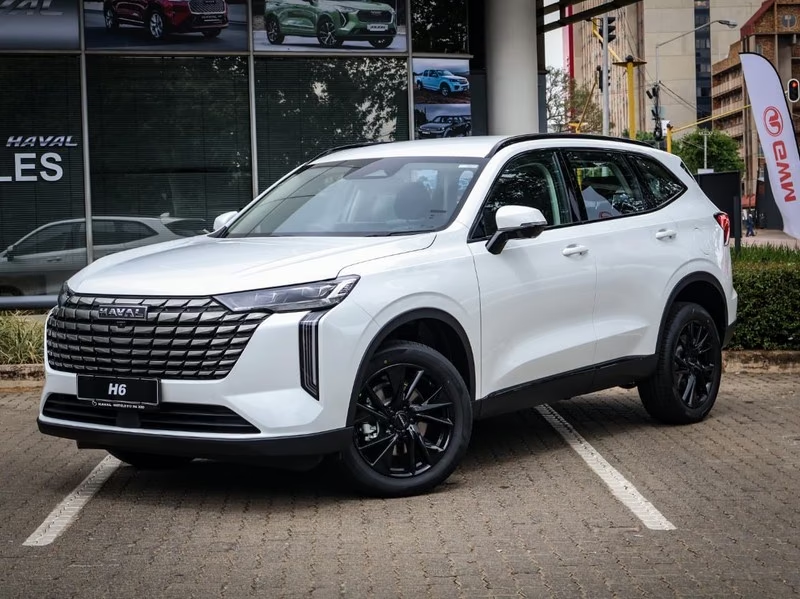
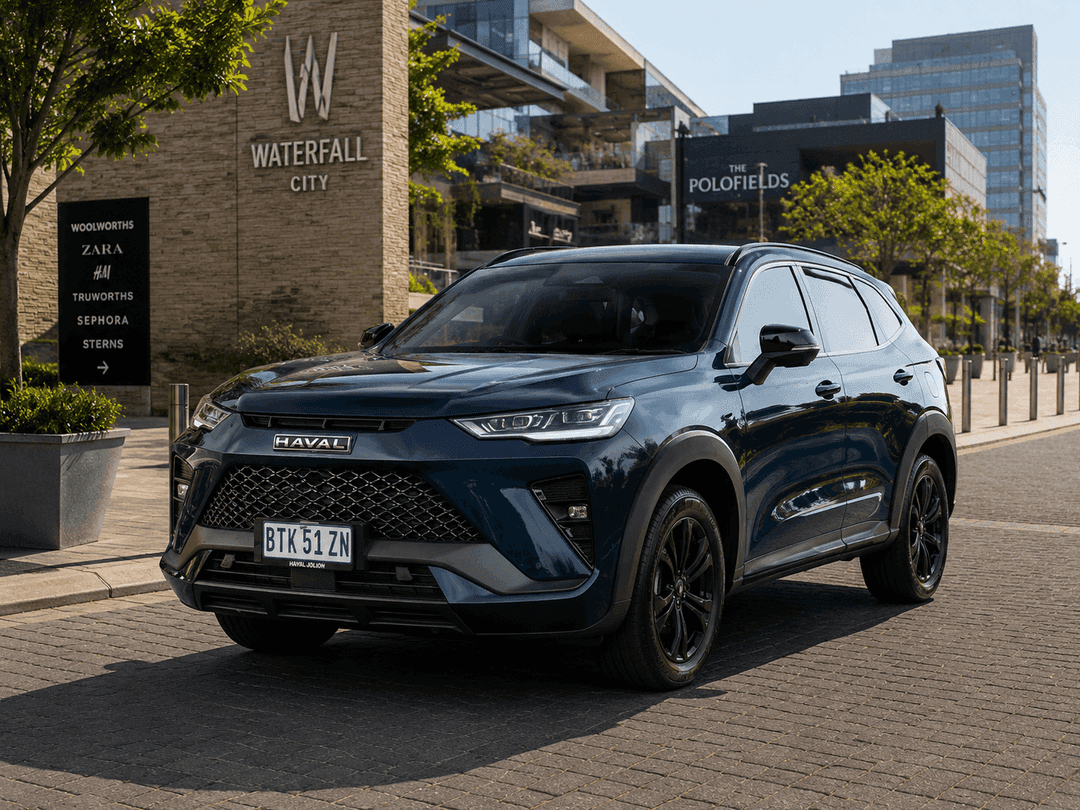
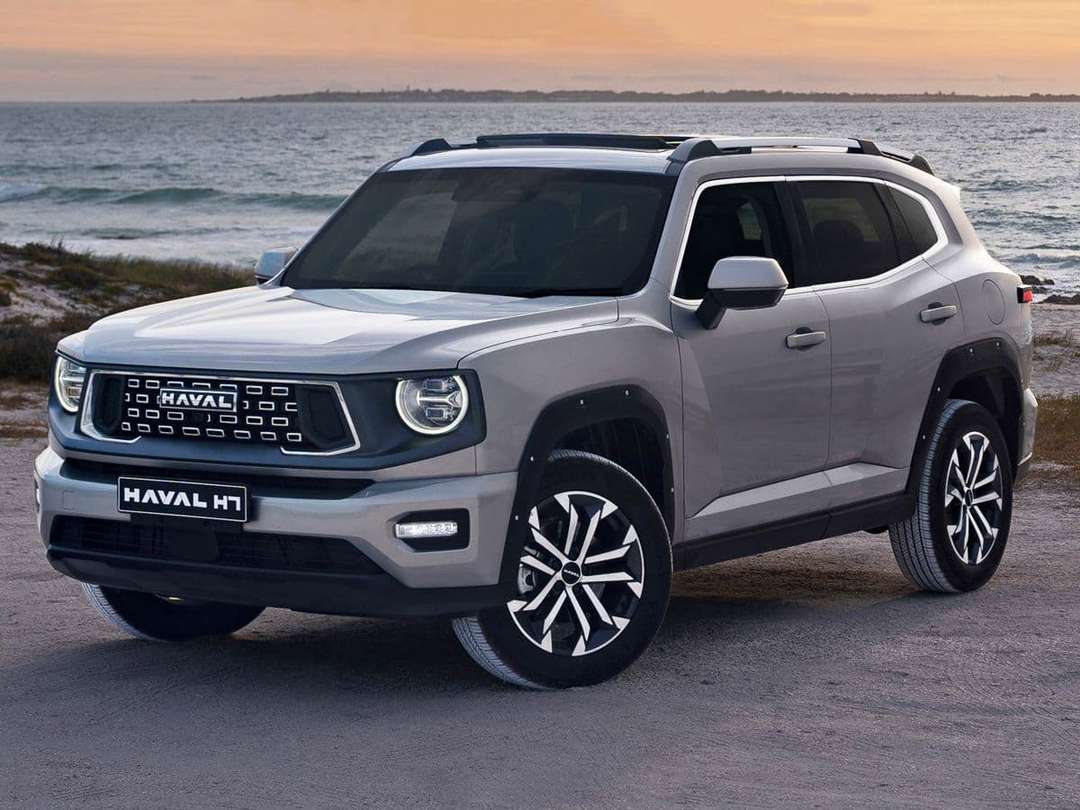
Haval’s gone all-in on tough-guy design. The H7 stretches 4,705 mm long, stands 1,780 mm tall, and measures 1,908 mm wide, making it chunkier than an H6. Upright grille. Round LED headlights. Fake aluminium bolts on the wheel-arch cladding - Defender vibes, Haval price. It’s divisive. My neighbour actually asked if it was the new Tank. The presence is working, clearly.
Stance and details
Standard 19-inch alloys fill out the arches. Ground clearance is decent enough to handle those cratered dirt roads from Dullstroom to Lydenburg without scraping. The H7’s boxy silhouette and minimal chrome keep it from looking like every other silver blob. Whether you’re into the look or not, it stands out, and that matters in a sea of anonymous SUVs.
Cabin & Practicality
Materials and layout
Inside, Luxury trim feels like it’s punching above its weight, especially for this segment. Soft-touch where it counts, a massive 14.6-inch centre touchscreen, a crisp 12.3-inch digital cluster, and wireless Apple CarPlay/Android Auto all feature. The sting? No head-up display on the Luxury, so you’re glancing at the cluster like it’s 2012. Climate controls are buried in the touchscreen, which is a pain. On the N3 down to Durban, having to tap through menus just to lower the fan speed is the sort of thing a physical knob would’ve solved years ago.
Space and boot
Five seats, five doors, and a claimed 483 litres of boot space. Oddly, that’s less than the H6 despite the H7’s bigger footprint. Haval clearly spent the extra wheelbase on more rear legroom and a taller, not deeper, boot. If you pack smart, 483 litres handle a family weekend in Hermanus. If you’re loading up a pram, cooler, and three golf bags, you’ll wish for more.
- Touchscreen: 14.6-inch central display, wireless smartphone integration
- Cluster: 12.3-inch digital driver’s display
- Boot: 483 litres claimed, expands with rear seats down
- Safety: Six airbags, ESC, ABS with EBA, TPMS, hill-hold, 360-degree camera, underbody view
- Missing on Luxury: Head-up display, AWD, off-road modes, rear diff lock
On the Road
Powertrain and gearbox
There’s a 2.0-litre turbo-petrol under the bonnet, good for 170 kW and 380 Nm, driving the front wheels through a nine-speed wet dual-clutch. That’s 20 kW and 60 Nm more than the H6 GT, and it’s properly quick for the segment. From 2,000 rpm, the mid-range surge makes overtaking a one-shot deal - not a planning mission. And it’s quieter than older Haval turbos, which always sounded like a tumble dryer at full tilt.
The 9DCT in traffic
The nine-speed DCT does have a hesitation at pull-away speeds. At the robot, you’ll feel a pause, then a slight lurch as the clutches engage. Not a deal-killer, but the sort of quirk Haval should fix with an over-the-air update. Once moving, gearshifts are crisp, and it holds ratios smartly on hills.
Ride and refinement
Suspension tuning sits on the firmer side. Haval’s gone for planted and “ready for adventure” over plush. You’ll feel the difference crossing ridges and expansion joints on the N1 north of Pretoria. At 120 km/h, it’s settled, but a RAV4 still rides softer. Wind noise is surprisingly well contained around those bluff A-pillars. On a highway slog, the H7 feels relaxed and stress-free.
Data & Comparison
Specs at a glance
- Engine: 2.0L turbo-petrol
- Power: 170 kW (228 hp)
- Torque: 380 Nm
- Gearbox: 9-speed dual-clutch automatic
- Drive: Front-wheel drive
- Claimed combined consumption: 8.1 L/100km
- Length / Width / Height: 4,705 / 1,908 / 1,780 mm
- Seats: 5
Real-world Haval H7 fuel consumption
Let’s be honest: you won’t see 8.1 L/100km unless you drive like a saint. Independent tests pegged real-world figures between 9.5 and 12 L/100km. My own stint with the H7 - a mix of highway and school runs - landed just under 10 L/100km. In heavy city traffic, it’ll creep into the low teens. If the economy is the dealbreaker, the 1.5 HEV is the H7 to watch for. The 2.0T is about punch, not parsimony.
Rivals compared
| Model | Power (kW) | Torque (Nm) | Drive | Warranty |
|---|---|---|---|---|
| Haval H7 2.0T Luxury 9DCT | 170 | 380 | FWD | 7-year / 200,000 km |
| Toyota RAV4 2.0 GX-R CVT | 127 | 203 | FWD | 3-year / 100,000 km |
| Kia Sportage 1.6T-GDI | 132 | 265 | FWD | 5-year / unlimited km |
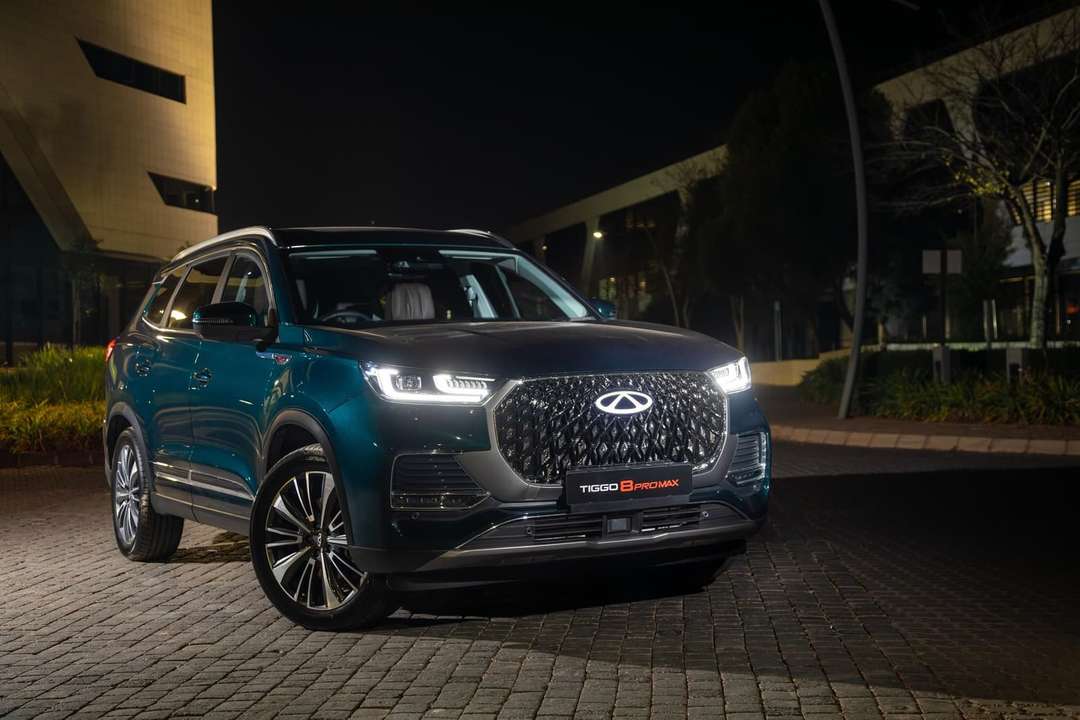
| Chery Tiggo 8 Pro Max 2.0T | 187 | 390 | FWD | 5-year / 150,000 km |
Ownership and the Haval H7 price in South Africa picture
Launch price for the Haval H7 2.0T Luxury 9DCT: R604,950. That’s a strong undercut versus the equivalent RAV4 or Tiguan, spec for spec. The calculated five-year ownership cost (using all the figures above) is R428,450, but that assumes you miraculously hit the claimed consumption. Real-world thirst will nudge the total higher. Haval’s finance deals through local GWM/Haval dealers focus hard on the seven-year warranty and 75,000 km service plan. That aftersales cover really does move the needle for buyers who plan to keep their car beyond year five.
Reliability and known niggles
On reliability, it’s early days. The second-gen H7 only arrived in 2025, so there’s not much long-term data. Haval’s been around SA since 2007, and the dealer network is solid. Most issues on similar platforms have been niggly - infotainment gremlins, odd sensor resets, nothing catastrophic. Specific H7 quirks so far: the 9DCT’s low-speed hesitation and a single launch car with fuel contamination (more about bad luck than bad design). I’d still want to see a year of local owner feedback before giving it a full thumbs-up for durability.
Segment trend context
Interest in SUVs isn’t fading, even late in 2025. The H7 lands right in a segment that’s still seeing plenty of activity. That bodes well for resale, especially since there aren’t many value-packed 170 kW SUVs at this price point.
Safety rating
ANCAP · tested 2025
★★★★★ 5/5 adult occupant
Australian-market RHD rating — indicative for SA only where the SA derivative matches the tested safety spec (airbags/ESC/AEB). Official factsheet.
Verdict
The Haval H7 2.0T Luxury 9DCT is the model you want, and that’s the point. It brings real muscle, generous spec and the best after-sales package in this bracket, at a price the Japanese and Koreans can’t match unless they strip the features list. Styling will split opinion, the gearbox could use a firmware update, and actual fuel use is heavier than the sticker suggests. If long-term badge reputation, ultra-low running costs or a magic carpet ride are your must-haves, look at a Toyota or hold out for the HEV. If you want more power, equipment and warranty for your ride, the H7 deserves a test drive. One caveat: if the 1.5 HEV’s economy is more important than the 2.0T’s shove, wait for that arrival...
Summary
This is a hands-on Haval H7 review for South African buyers, zeroing in on the 2.0T Luxury 9DCT front-wheel-drive model launched for 2025. Expect a proper look at the powertrain, cabin tech, running costs you’ll actually pay, warranty cover, and how this mid-size SUV holds up against the likes of th