Isuzu D-Max 3.0 Ddi 4x4 V-Cross A/T D/Cab (2026) Review
The D-Max V-Cross is a genuinely convincing double cab, and deserves a spot on your shortlist. It loses half a star for frustrating ADAS and another half for pricing that’s lost its old edge. Still, t
Introduction
Here’s the thing: if you’re chasing mechanical reliability and want a bakkie that just gets on with the hard graft, the Isuzu D-Max 3.0 Ddi 4x4 V-Cross A/T Double Cab still makes a strong case - if you’re willing to swallow the new price tag. The Hilux Legend and Ranger Wildtrak have both moved the goalposts, so the D-Max isn’t the obvious value pick it once was. But for farmers, trailer-pullers, or loyalists who swear by Gqeberha-built bakkies, this Isuzu D-Max review, South Africa version, is laser-focused on what matters here on home ground.
Key takeaway: The V-Cross isn’t chasing Instagram likes. It’s tough, built locally, and loaded with kit, but you’ve got to really want that Isuzu badge at this price point. This one rewards buyers who think with their heads.
Design & Exterior
Stance and presence
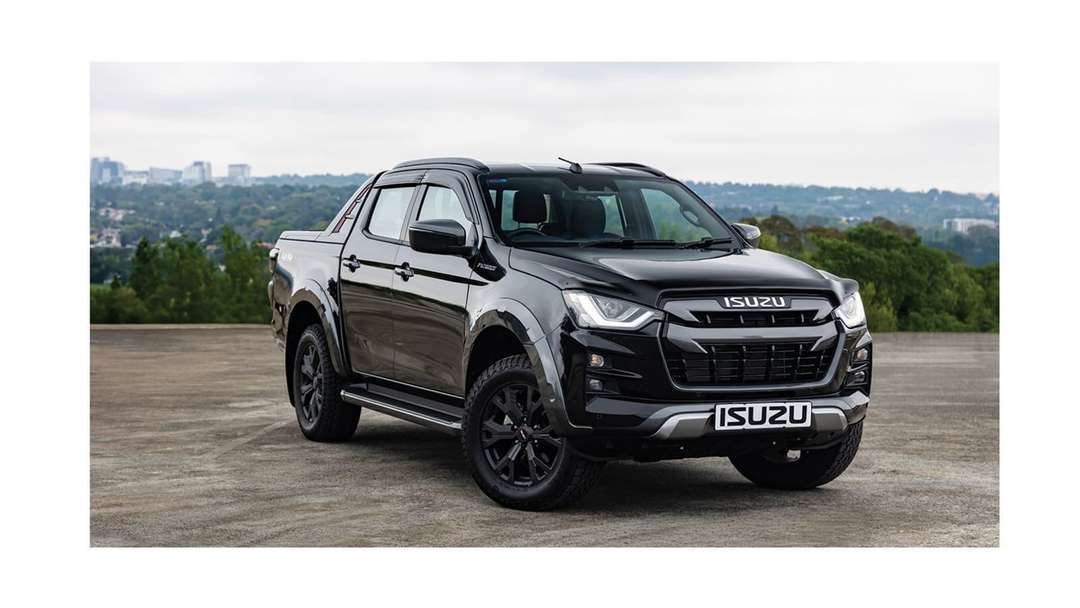
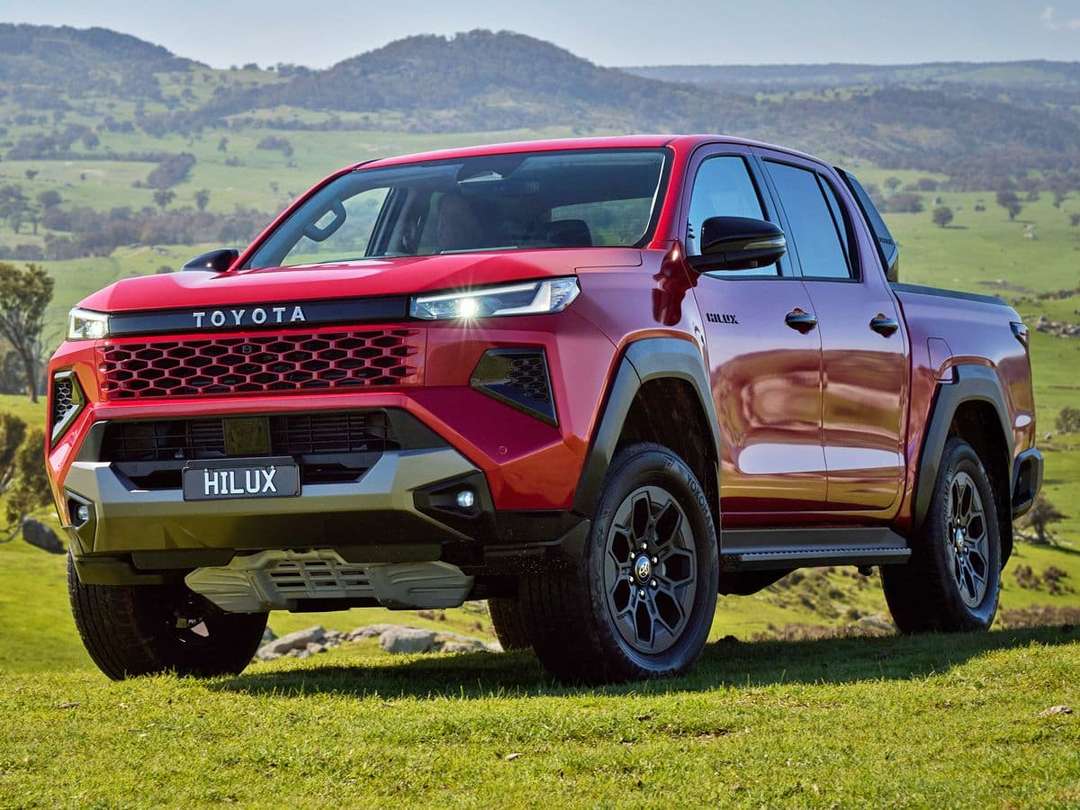
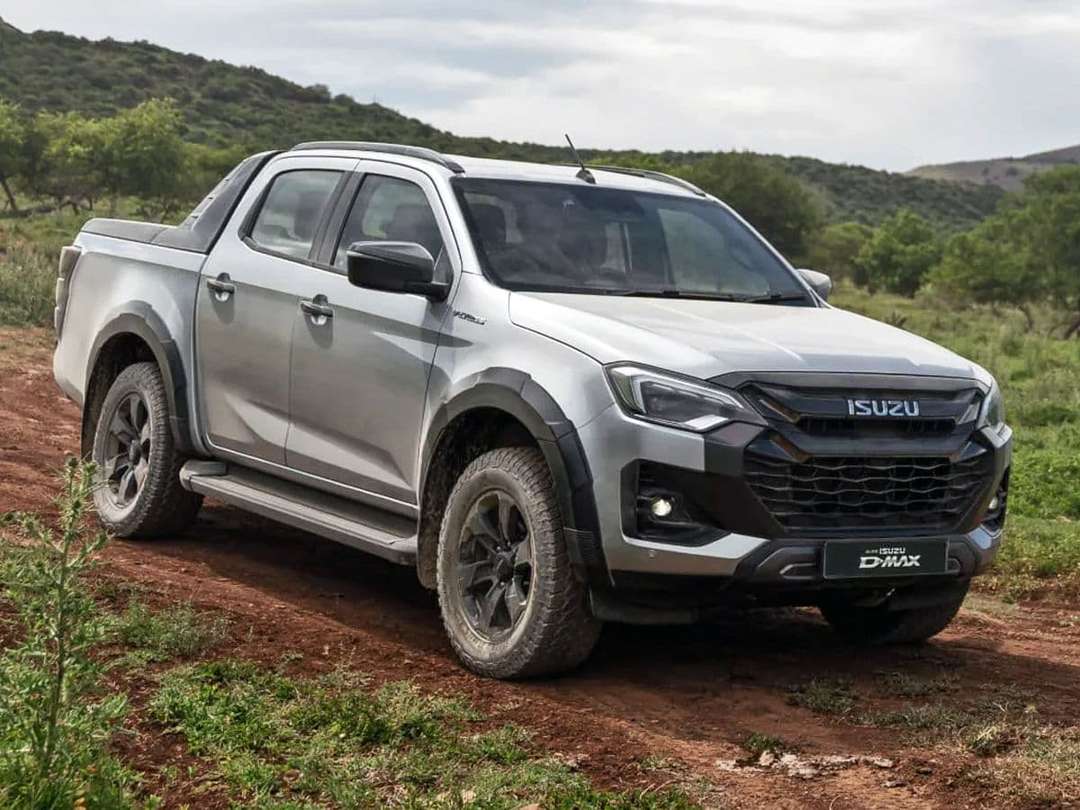
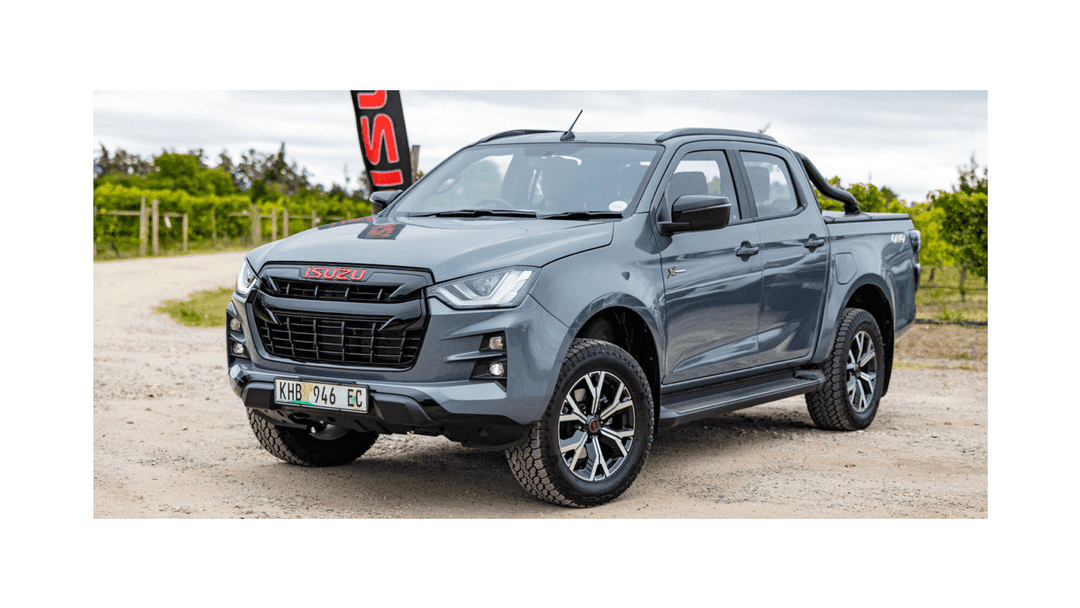
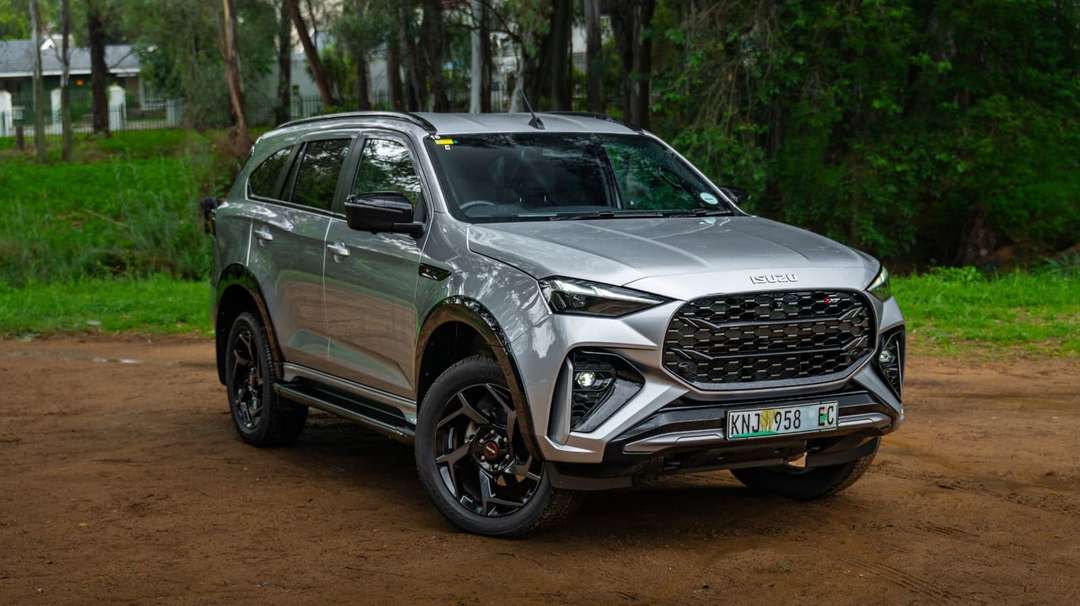
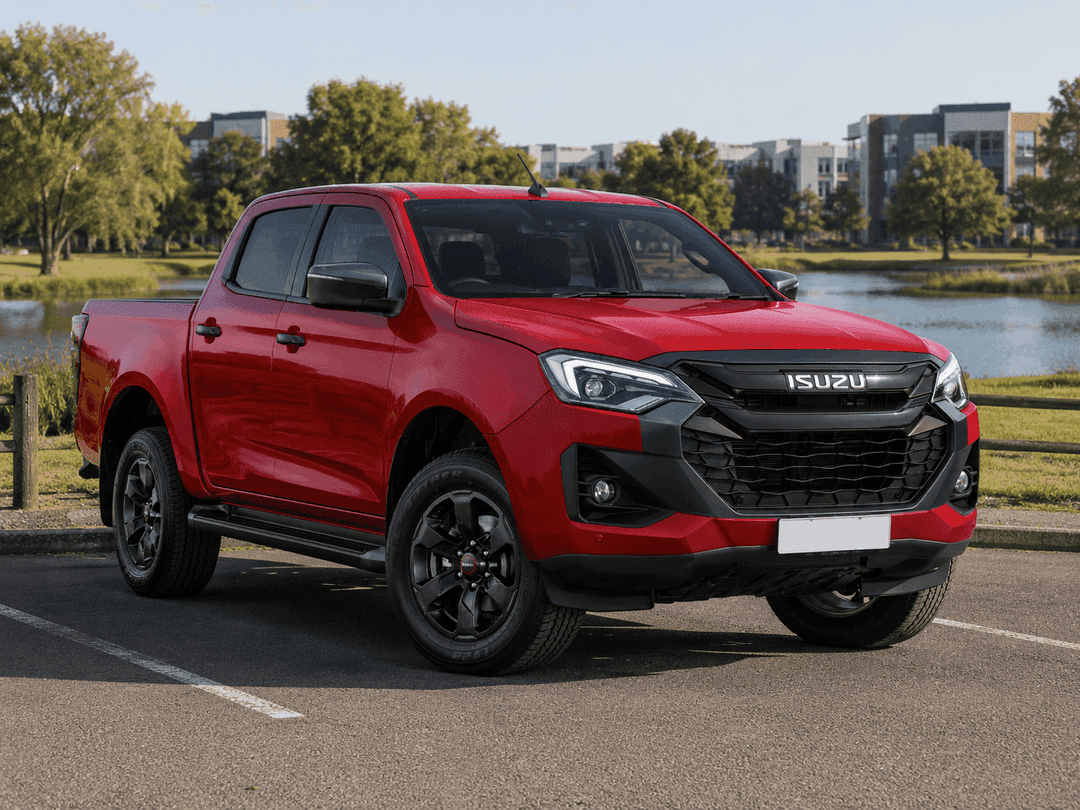
Look - D-Max III finally lets Isuzu’s designers flex a bit. That grille means business, LED lights bring proper intent, and the V-Cross flourishes - black alloys, gloss accents, colour-coded arches - give it some street cred without veering into the chrome carnival of older models. I parked it next to a Hilux Legend; the D-Max looks fresher, more modern, but not as in-your-face as the Ford Ranger Stormtrak.
Wheels and proportions
Isuzu is stuck with a sane tyre profile. That’s a big deal for anyone who’s rattled down the mix of tar and gravel. You won’t be replacing 19-inch low-profiles every time you hit a pothole. There’s an actual sidewall - old-school, but right for the job.
Cabin & Practicality
Materials and layout
D-Max finally climbs out of the workhorse rut. Soft pads for your elbows, leather that’ll survive a muddy Labrador (or a sandy surfboard), and - crucially - proper rotary dials for climate. Ford’s gone touchscreen crazy; Isuzu keeps it simple. Anyone who’s tried to adjust the fan with gloves on during a frosty Underberg start will appreciate that. Trust me, I’ve been there - dials just work when your hands are numb.
Tech and screens
The 9-inch infotainment screen covers wireless Apple CarPlay and Android Auto, with a 7-inch driver display bracketed by real dials. It’s not the slickest in class - menus drag occasionally, and on a bright Highveld afternoon you’ll be squinting for more brightness - but navigation is dead simple. Wireless CarPlay connected every time with my iPhone, which is more than I can say for a certain German badge that costs a third again as much.
Space and Isuzu D-Max boot space
Rear legroom? Totally fine for two adults, tight for three on a long run. Both outer seats have ISOFIX. The “boot” here is really the load bay - big enough for a standard pallet, a Front Runner rooftop tent, and the factory canopy options all come with a real warranty. Do yourself a favour and check canopy alignment at delivery; I once watched a C-pillar lose its paint by first service, after a poorly-fitted canopy.
On the Road
The 3.0 J-Series engine
This 3.0-litre four-cylinder turbodiesel powers the D-Max’s reputation. It won’t out-drag a Ranger bi-turbo or V6 - on paper at least - but Isuzu’s been refining this motor for nearly two decades. Torque comes in early and sticks around. Overtaking trucks is handled with patience, not panic. The 6-speed auto might look basic against Ford’s 10-speed, but in the real world, this Aisin box is smooth and rarely gets caught out hunting for the right gear.
Ride and refinement
Credit where credit’s due: the South African suspension tune is dialled in. Unladen, D-Max rides better than a Hilux and shrugs off potholes more calmly than a Ranger on 20-inch wheels. Take a run out past Magaliesburg - yes, you’ll feel some body roll (leaf springs, after all), but it’s honest about its bakkie DNA. No fake sport settings, no artificial steering weight - just honest controls.
ADAS irritations
But let’s be real - the V-Cross’s advanced driver aids can annoy. The AEB can’t be fully deactivated and sometimes slams the brakes in Joburg stop-start traffic. Crazy traffic at 5 pm? Prepare for a heart-stopper. Lane-keep assist gets confused by potholes or when dodging minibus taxis, and sometimes feels more risky than helpful. Isuzu, please - an OTA software fix would do more for owners than any black badge edition. It’s what the D-Max should have been from the start.
Data & Comparison
Spec snapshot
| Item | Detail |
|---|---|
| Engine | 3.0d (140 kW) 4WD |
| Gearbox | 6-speed automatic |
| Drive | All-wheel drive (4x4) |
| Body | Double Cab pick-up, 4 doors |
| Generation | D-Max III |
Ownership numbers that matter
- Estimated 5-year total cost of ownership: R230 000 (fuel, service, tyres, insurance assumptions, excluding finance).
- Real-world fuel use (SA testers): Right around 9 to 10 l/100 km in mixed driving, versus the 8.1 l/100 km factory number.
- Service network: Countrywide. You can order a clutch slave cylinder in Lichtenburg on Monday and have it fitted by Wednesday. Try that with some of the newer Chinese badges.
- Kerb-to-kerb turning circle: Measured 12.8 m in a Cape Town side street - easier than you’d expect for a big double cab, but you’ll still be working the wheel in tight parking garages.
Isuzu D-Max vs the segment
| Trait | Isuzu D-Max V-Cross | Toyota Hilux Legend | Ford Ranger Wildtrak |
|---|---|---|---|
| Engine layout | 3.0L 4-cyl turbodiesel | 2.8L 4-cyl turbodiesel | 2.0L bi-turbo / 3.0L V6 |
| Gearbox | 6-speed AT | 6-speed AT | 10-speed AT |
| Local assembly | Gqeberha (Struandale) | Prospecton, KZN | Silverton, Pretoria |
| Climate controls | Physical dials | Physical dials | Touchscreen-led |
| Reputation pillar | Mechanical longevity | Resale & ubiquity | Tech & refinement |
Market trend context
Double cabs are still the darlings of the SA market - between June and November 2025, segment interest hung above 62 points, trouncing SUVs and leaving single and king cabs for the farm. Here’s the rub: the Isuzu D-Max price in South Africa keeps ticking up, year after year. That’s the elephant parked in every showroom.
Reliability and the historical record
Isuzu D-Max reliability is legendary. Owners talk about 300 000 km on the original engine like it’s a casual milestone. If you’re looking at a used one, the 2014 Isuzu D-Max common problems centred on injectors and early DPF issues - mostly sorted at facelift. The 2016 Isuzu D-Max common problems were mainly electrical gremlins and some turbo actuator quirks. The current D-Max III is all-new underneath, so those problems aren’t carried over. Still, check the service history carefully.
Isuzu D-Max service plan South Africa
V-Cross includes a five-year/90 000 km service plan, with longer terms if you want them, and standard 15 000 km intervals. Parts remain competitive next to Ford, and if you’ve had work done at an independent Isuzu specialist in Pinetown or Boksburg, you’ll know the labour rates often undercut the big franchise chains.
The price question
Here’s the hard bit: the Isuzu D-Max 3.0 Ddi 4x4 V-Cross A/T D/Cab price in South Africa now sits right alongside the Hilux Legend and Ranger Wildtrak. It used to be “90% of the big names for 80% of the price.” Now it’s 95% for 95%. Whether that’s a deal depends on how much you value proven longevity and local build. For some, that’s enough. For others, the badge wars are simply too close to call.
Verdict
The Isuzu D-Max 3.0 Ddi 4x4 V-Cross A/T is no longer the bargain alternative it once was, and that’s the biggest challenge it faces. At this price, buyers can cross-shop a Hilux Legend or Ranger Wildtrak without stretching the budget much further. Yet the D-Max still plays to its strengths: proven mechanical durability, strong towing ability, a comfortable ride, and a reputation for going the distance.
If your priority is cutting-edge tech or showroom wow-factor, rivals make a stronger first impression. But if you're buying a bakkie to work hard, last long, and keep delivering long after the finance agreement ends, the V-Cross remains one of the most convincing choices in the segment. It’s a head-over-heart purchase – and that’s exactly why many South Africans will keep choosing it.
Summary
Get the V-Cross if you keep bakkies until the wheels fall off, if you tow often, if you want mechanical predictability above touchscreen trickery, and if “Built in Gqeberha” matters to you. If you’ve owed a D-Max before and it never left you stranded, you’ll get it. If you want real dials and a 4x4 setup that won’t ask for a phone pairing on Sani Pass, this is your bakkie.
Ratings
Pros
- ✓Get the V-Cross if you keep bakkies until the wheels fall off, if you tow often, if you want mechanical predictability above touchscreen trickery, and if “Built in Gqeberha” matters to you.
- ✓If you’ve owed a D-Max before and it never left you stranded, you’ll get it.
- ✓If you want real dials and a 4x4 setup that won’t ask for a phone pairing on Sani Pass, this is your bakkie.
Cons
- ✗Pass if you want the quickest or plushest bakkie—Wildtrak V6 outdrives it.
- ✗If resale is everything, Hilux still edges it most years.
- ✗And if you can’t stand always-on AEB or overzealous lane-keep, Isuzu’s software still needs work.
- ✗Wait for an update, or look elsewhere.