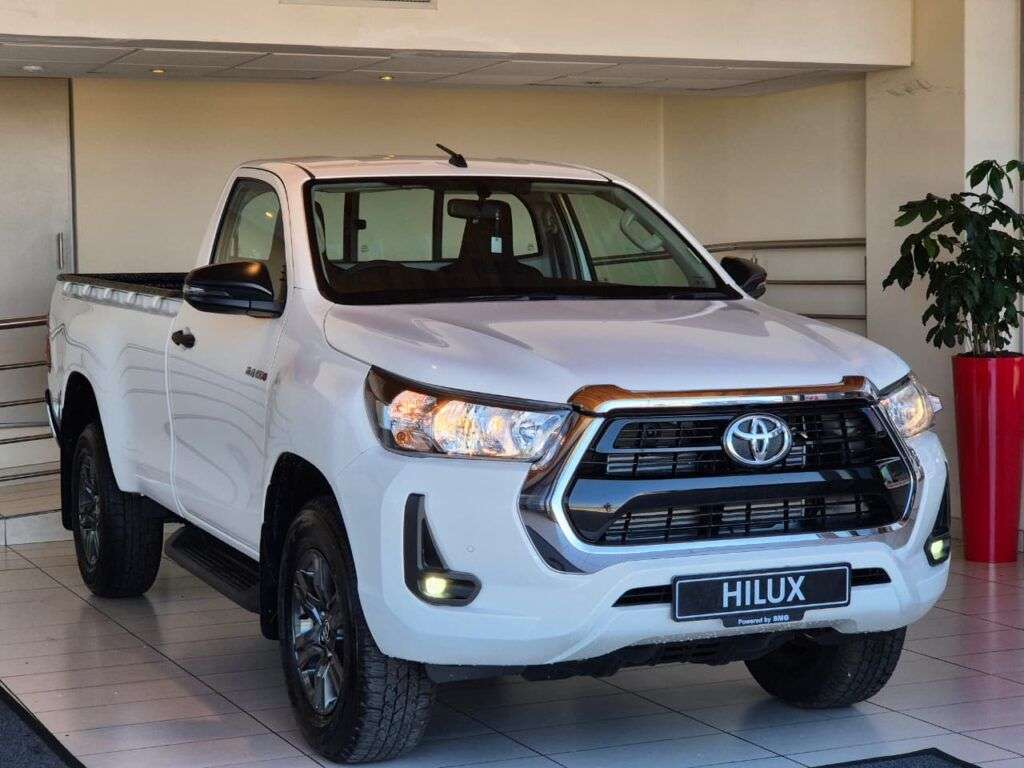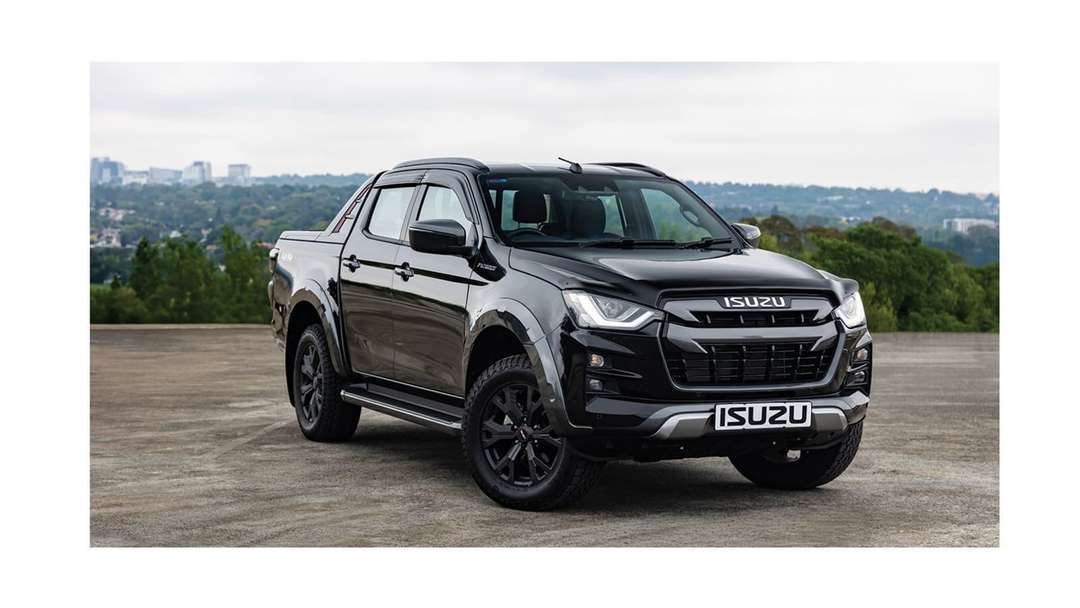
Toyota Hilux vs Isuzu D-Max (2026)
Which Bakkie Is the Better Buy in South Africa?
Let’s not waste time. If resale value, dealer backup, and painless ownership matter most, buy the Hilux. If you want a smoother diesel, arguably tougher build, and a slightly better trade-in at 30 000km, the D-Max is your clever alternative. That’s the real Toyota Hilux vs Isuzu D-Max story, no sugar-coating. Both make a strong case; this is a tight match.
The verdict: which should you buy?
In the 2026 Hilux vs D-Max double cab showdown, the Hilux pulls ahead in resale and national parts support-two silent forces that shape your five-year cost more than anything else. It shifts faster on the used market, keeps its value, and you can fix it in the back end of nowhere. Meanwhile, the Isuzu D-Max, with its bigger 3.0-litre diesel and reputation for ruggedness, is the practical pick for those who hang on to vehicles and run them hard. Actually, our own trade numbers give the D-Max a slim lead at 30 000 km, so don’t think Toyota always wins the money. Both are built to work, both can take a 4x4 beating. Best for (Hilux): the buyer obsessed with resale, fleets, or first-time bakkie owners who want a stress-free life. Best for (D-Max): the high-mileage driver, the family that tows, the owner who hangs on for years.
Quick verdict table
| Category | Winner | Why |
|---|---|---|
| Best overall | Toyota Hilux | Unbeatable resale and dealer reach tip the scales |
| Best driving experience | Isuzu D-Max | Bigger 3.0 diesel is more relaxed when loaded |
| Lowest fuel costs | Toyota Hilux | 2.8 edges it on consumption, though it depends on the driver |
| Best interior quality | Isuzu D-Max | Current D-Max is simply fresher inside |
| Strongest reliability | Draw | Both set the standard-full service history is the real tie-breaker |
| Highest resale value | Toyota Hilux | Demand on the used market is unmatched |
| Lowest total running costs | Toyota Hilux | Parts are cheaper, and workshops are everywhere |
| Best first bakkie | Toyota Hilux | Simplest to buy, own, and move on |
| Best value for money | Isuzu D-Max | More engine, and a strong rand-for-rand trade estimate |
| Best for towing and work | Isuzu D-Max | Extra torque, easy-going under a heavy load |
Specifications table
Comparing: Toyota Hilux 2.8 GD-6 Raider 4x4 Double Cab Auto (8th gen) vs Isuzu D-Max 3.0 LS 4x4 Double Cab Auto (D-Max III). Specs can vary-always check with a dealer.
| Specification | Toyota Hilux | Isuzu D-Max | Winner |
|---|---|---|---|
| Engine | 2.8L turbodiesel | 3.0L turbodiesel | D-Max (capacity) |
| Power | 150 kW | 140 kW | Close, depends on trim |
| Torque (Nm) | 500 Nm (auto) | 450 Nm (unconfirmed by trim) | Hilux on the numbers |
| Gearbox | 6-speed automatic | 6-speed automatic | Draw |
| Fuel economy (combined) | Approx 7.9 to 8.5 l/100 km (manufacturer, unconfirmed) | Approx 8.0 to 8.5 l/100 km (manufacturer, unconfirmed) | Hilux, just |
| Boot/load bin | Full 1-ton bakkie bin | Full 1-ton bakkie bin | Draw |
| Warranty | Quote required from dealer | Quote required from dealer | Check at purchase |
| Seats | 5 | 5 | Draw |
Performance and driving experience
| Driving trait | Toyota Hilux | Isuzu D-Max |
|---|---|---|
| Urban driving | Light steering, easy in tight spots | Slightly heavier feel, still manageable |
| Daily commuting | Smooth, decently quiet | Unhurried, low-revving |
| Long-distance driving | Stable, comfortable | Very comfortable, takes it easy |
| Overtaking | Punchy in the mid-range | Big torque, prefers a relaxed pace |
| Ride comfort | Firm when loaded, good empty | Compliant, feels planted |
On tar, the Hilux 2.8 feels sharper. It’s punchy from low revs, and the six-speed auto responds quickly. The D-Max 3.0? Less eager, but in a good way-the big diesel never breaks a sweat, perfect when you’re towing or hauling. Neither gets flustered at highway speeds. Up on the Highveld, those turbo diesels shrug off the altitude, which is why they rule this segment. If you enjoy being behind the wheel, go Hilux. If you want the bakkie to do the heavy lifting while you relax, D-Max all day.
South African buyer realities: what really matters
| Factor | Toyota Hilux | Isuzu D-Max | Winner | Basis of assessment |
|---|---|---|---|---|
| Pothole survival | Tall tyres, strong frame, cheap repairs | Same frame strength, sturdy wheels | Draw | Chassis design, owner experience |
| Ground clearance | Approx 216 to 251 mm depending on trim (unconfirmed) | Approx 235 to 240 mm (unconfirmed) | Draw, both clear | Manufacturer specs |
| Hijack and theft risk | Popular, higher target for theft | Also sought-after, slightly less for parts | D-Max (marginal) | Market trend, Tracker/SAPS data |
| Holiday trip suitability | Proven as a tourer | Relaxed cruiser, extra fuel range | D-Max (marginal) | Owner feedback |
| Battery/electrical resilience | Physical key, simple systems | Physical key, respected wiring | Draw | Community reports |
| Tyre cost and availability | Common sizes, stocked nearly everywhere | Common sizes, broad availability | Hilux (marginal) | Tyre shop coverage |
| Real-world fuel economy | Owners see about 8.5 to 10 l/100 km mixed | Owners see about 8.5 to 10.5 l/100 km mixed | Hilux (slight) | Owner feedback, not official |
| Gravel-road durability | Excellent, dust-sealed, proven tough | Excellent, built for abuse | Draw | Owner experience |
| Insurance/theft reality | Quote required from dealer/insurer | Quote required from dealer/insurer | Quote-based | Insurer quote |
| Parts outside major cities | Best national dealer reach | Strong, but thinner in rural areas | Hilux | Dealer presence |
Three things shape this decision for any South African buyer—first, parts and dealership support. The Hilux is the go-to bakkie in every small town, and if you can’t get a working vehicle fixed fast, you’re losing money. Second, theft and hijack risk. Both are targeted-don’t skip the tracker, don’t trust a random online insurance number, and budget for security as part of the deal. Third, usage patterns. If you tow or load up regularly, the D-Max 3.0 shines-and that small trade-in advantage in our numbers isn’t luck. If you mainly commute and want a stress-free sale in a few years, the Hilux is the low-risk bet.
On rough roads and rural stretches, you won’t find a real gap between them. Both roll on chunky sidewalls, both have body-on-frame toughness, and both can take a beating from potholes or corrugations without breaking sweat. That’s not marketing; owners will support it. The margin, if any, comes down to the dealer network. If you’re stranded in a tiny town, odds are the Hilux part is on the shelf. Auto.co.za car reviews don’t lie: you’ll see more Hiluxes working hard in the platteland because they’re just easier to keep going.
Isuzu fights back with that big, slow-revving engine and a reputation that’s been earned, not gifted. Ask any farmer or long-haul driver-many will tell you they’d rather rebuild a D-Max than take a chance on something flashier. The wiring, the body, the mechanicals: you’ll hear stories about these things running forever. But if you’re the type who wants to walk into any dealer, anywhere, and get rolling again same day, the Hilux’s national spares net is still king.
Fuel economy isn’t a big divider. Both sip from the same pool, and real-world figures live in that 8.5 to 10 l/100 km window-driver and load make more difference than the badge on the grille. Tyres? Easy either way, but the Hilux edges ahead by a nose thanks to its sheer numbers on the road-every tyre shop stocks for it. Insurance? Two words: get quotes. Both have a target on their backs, and both attract parts thieves. Don’t cheap out here.
Where does that leave you? If you’re buying for the long haul, if you tow, if you rack up serious mileage, the D-Max is the clever play. If you want a known quantity, painless resale, and backup in any corner of the country, the Hilux is hard to beat. Your money, your move. What kind of owner are you planning to be?