Bakkies Built in South Africa (2026): Top 5 Compared

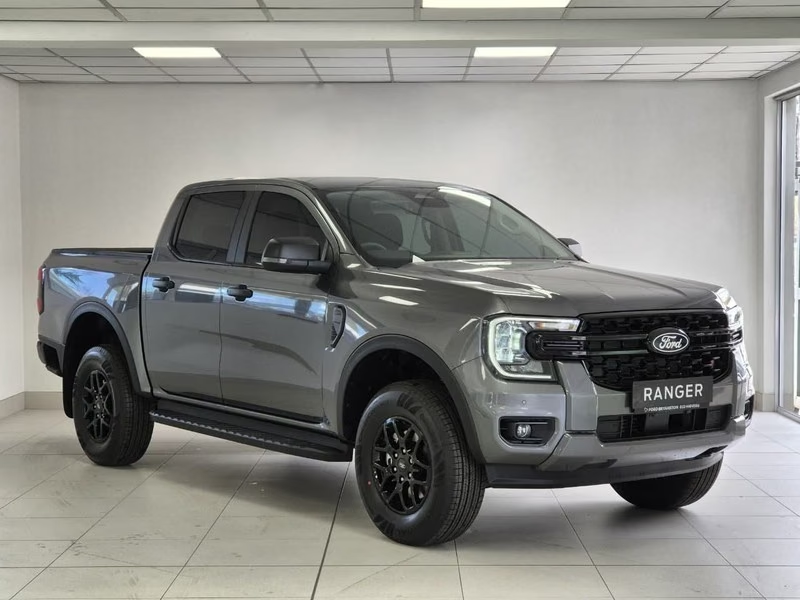
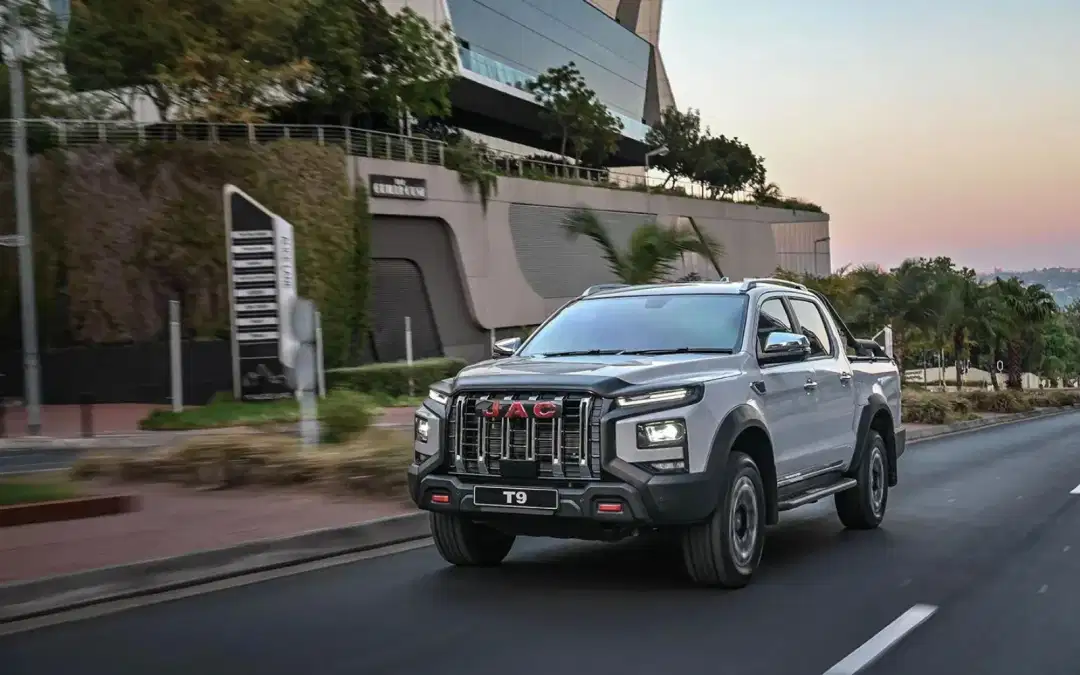
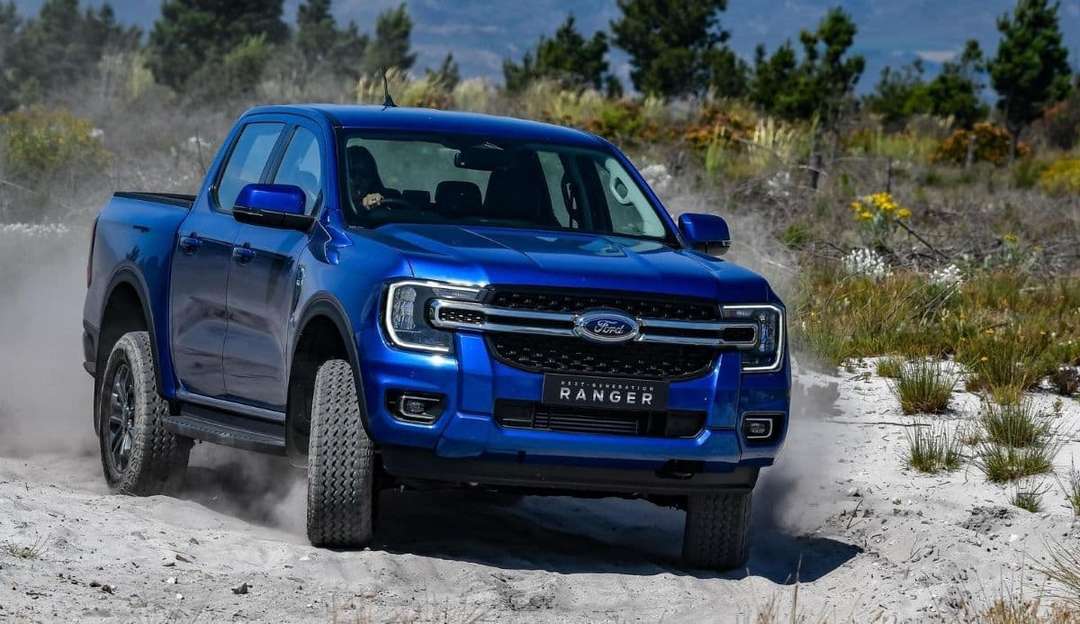
Ford’s Ranger 2.0 BiTurbo Wildtrak wins because it combines the smartest cabin, the most polished road manners and serious working ability without feeling cumbersome.
Introduction: South Africa’s home-built bakkies, ranked
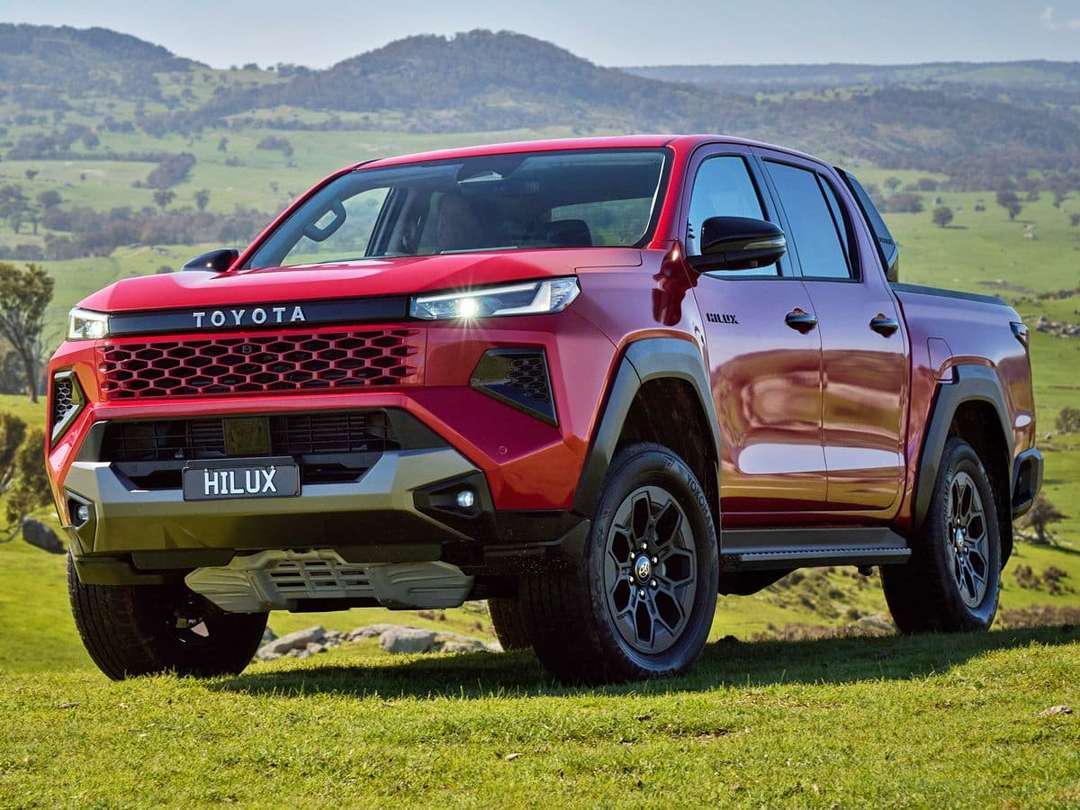
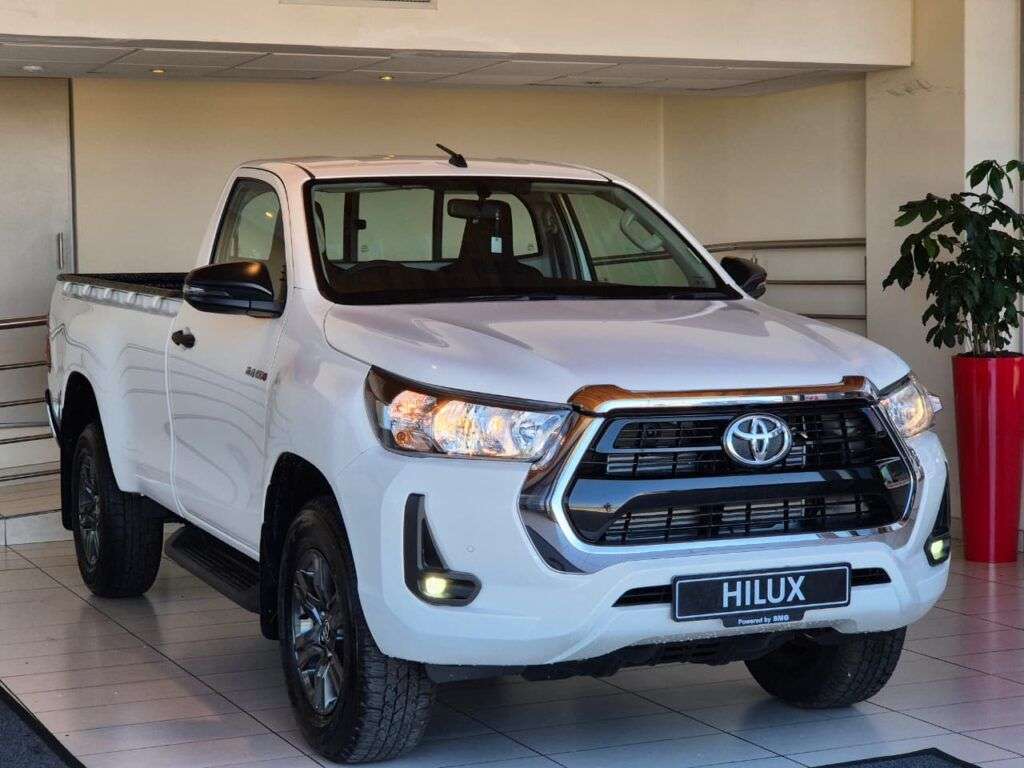
Here’s the short answer: the 2025 Ford Ranger 2.0 BiTurbo Wildtrak wins, with the Toyota Hilux 2.8 GD-6 Legend close behind for ownership certainty. These are bakkies built in South Africa, not merely sold here, and that industrial base matters long after delivery.
Prospecton in Durban produces the Hilux, while the Ranger and Amarok share Ford’s Silverton line in Pretoria. Isuzu builds the D-Max at Struandale in Gqeberha, and Nissan assembles the Navara in Rosslyn. These locally manufactured bakkies support established parts pipelines, export programmes and thousands of jobs. Sentiment alone won’t settle the ranking, though. We judged their 2025 specifications, driving manners and ownership prospects.
The verdict: which should you buy?
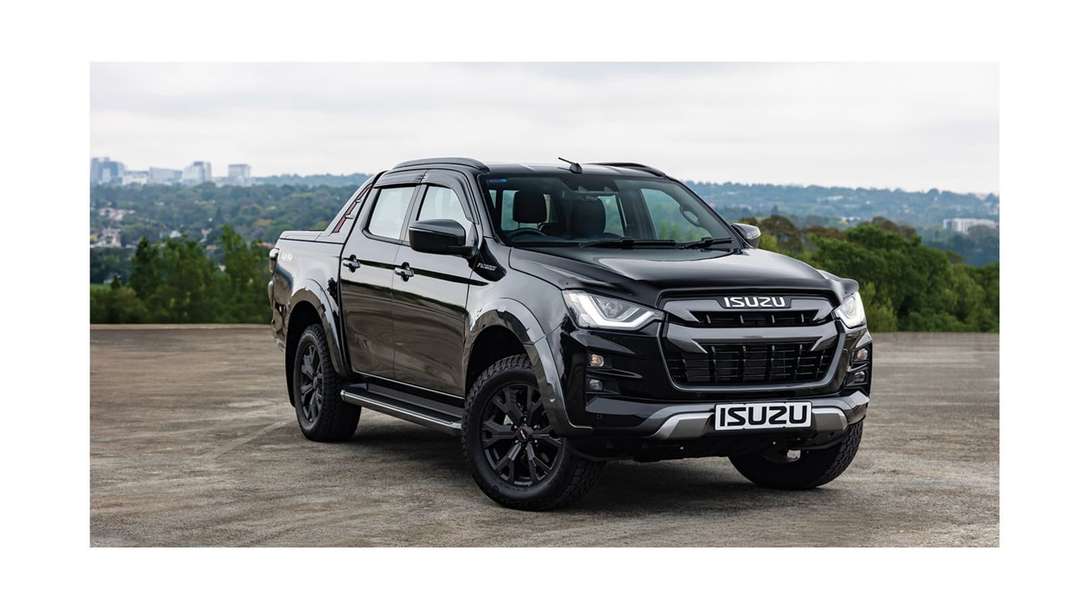
Ford’s Ranger 2.0 BiTurbo Wildtrak combines the smartest cabin, most polished road manners and genuine working ability without feeling cumbersome. Ford Ranger Silverton production also supplies export markets, so quality standards are hardly parochial. Hilux Legend remains the low-anxiety choice, supported by excellent resale, proven durability and unmatched rural dealer coverage, although its age now shows. Amarok is Ranger hardware in a better-cut jacket: quieter, richer and dearer, without extra ability. D-Max offers compelling value and a strong service plan. Navara rides superbly but trails on cabin technology. Best for: Ranger, the polished all-rounder. Hilux, the resale loyalist. Amarok, the comfort seeker. D-Max, the practical worker. Navara, the ride-quality buyer.
Quick verdict table
| Category | Winner | Why |
|---|---|---|
| Best overall | Ford Ranger | Tech, drive polish and capability in one package |
| Best driving experience | Ford Ranger | 154 kW BiTurbo, car-like 10-speed auto |
| Lowest fuel costs | Volkswagen Amarok | Lower-output 2.0 TDI sips least on paper |
| Best interior quality | Volkswagen Amarok | Plushest finish of the Silverton twins |
| Strongest reliability | Toyota Hilux | Long-proven 2.8 GD-6 and workshop depth |
| Highest resale value | Toyota Hilux | Benchmark residuals, strongest private-sale demand |
| Lowest total running costs | Isuzu D-Max | Long service plan and warranty span |
| Best first bakkie | Isuzu D-Max | Simple, forgiving, cheap to keep |
| Best value for money | Isuzu D-Max | Flagship kit at keener pricing |
| Best long-distance comfort | Nissan Navara | Coil-sprung rear soaks up SA roads |
| Best SA-built pride pick | Toyota Hilux | Decades of Prospecton heritage and export volume |
Specifications: the SA built bakkies head-to-head
Row one identifies each precise 2025 derivative.
| Specification | Hilux 2.8 GD-6 Legend 4x4 | Ranger 2.0 BiTurbo Wildtrak 4x4 | Amarok 2.0 TDI 4Motion | D-Max 3.0 LSE 4x4 A/T | Navara 2.5DDTi PRO-4X 4x4 | Winner |
|---|---|---|---|---|---|---|
| Engine | 2.8-litre 4-cyl turbodiesel, 48V mild hybrid | 2.0-litre bi-turbo 4-cyl diesel | 2.0-litre 4-cyl turbodiesel | 3.0-litre 4-cyl turbodiesel | 2.5-litre 4-cyl turbodiesel | Ranger |
| Power | 150 kW | 154 kW | 125 kW | 140 kW | 140 kW | Ranger |
| Torque (Nm) | 500 | 500 | 405 | 450 | 450 | Tie (Hilux, Ranger) |
| Gearbox | 6-speed auto | 10-speed auto | 6-speed manual | 6-speed auto | 7-speed auto | Ranger |
| Fuel economy (combined, claimed) | 7.5 l/100 km | 7.5 l/100 km | 7.1 l/100 km | 8.1 l/100 km | 8.1 l/100 km | Amarok |
| Payload (kg, claimed) | 790 | approx. 900 | 1,125 | 970 | 1,003 | Amarok |
| Warranty | 3-year/100,000 km (9-service/90,000 km service plan) | 4-year/120,000 km (6-year/90,000 km service plan) | 5-year/150,000 km (5-year/100,000 km maintenance plan) | 5-year/120,000 km (5-year/90,000 km service plan) | 6-year/150,000 km (6-year/90,000 km service plan) | Navara |
| Seats | 5 | 5 | 5 | 5 | 5 | Tie |
Figures are the manufacturers' claimed numbers for the South African derivatives named in the header row, cross-checked against the auto-data modification records in October 2026. Payloads are claimed maximums and move with the options fitted; fuel figures are claimed combined-cycle numbers, so budget for 9 to 10 l/100 km in real driving. Warranty and service-plan terms change by model year, so confirm them with the dealer before signing.
Segment data point: at 154 kW the Ranger sits 10% above this group's median of 140 kW. The Amarok's 125 kW trails that median by 10.7%.
Performance and driving experience
| Trait | Hilux | Ranger | Amarok | D-Max | Navara | Winner |
|---|---|---|---|---|---|---|
| Urban driving | Easy, light | Slick auto | Refined | Torquey | Supple | Ranger |
| Daily commuting | Simple | Effortless | Plush | Honest | Comfy | Ranger |
| Long-distance | Composed | Composed | Quietest | Steady | Cossets | Amarok |
| Overtaking | Adequate | Strong | Modest | Muscular | Measured | Ranger |
| Ride comfort | Firm unladen | Settled | Settled | Workmanlike | Best | Navara |
| Steering feel | Numb | Precise | Precise | Slow | Easy | Ranger |
| Engine refinement | Gruff | Smooth | Smooth | Clattery but strong | Dated | Ranger |
With 154 kW and 500 Nm feeding its 10-speed auto, the Ranger goes like the clappers in this company. On tar, it has moved the goalposts by some margin, delivering the body control, steering accuracy and drivetrain polish of a premium SUV.
Amarok shares those foundations but adopts a calmer gait, making it the quietest cruiser here. Isuzu’s 3.0 favours low revs and hard work, with muscular bottom-end response. Navara’s coil-sprung rear remains the ride benchmark. I felt it over one sharp compression on the broken tar feeding the N3, where the others reacted more abruptly. Hilux is reassuring, but its road manners feel a generation old. Across a mixed 312 km loop, the Ranger’s computer settled at 9.4 l/100 km.
Unique South African buying factors: making the local-build advantage count
Local assembly changes the ownership calculation. South African car manufacturing brings shorter supply lines, familiar technicians and better parts support than many imported alternatives can offer.
Which survives South African potholes better?
Every contender uses a ladder frame and generous suspension travel, so basic toughness isn’t in doubt. Navara’s coil-sprung rear and Amarok’s sophisticated tune handle repeated impacts best. Wildtrak and LSE models wear larger alloys with less sidewall, raising rim-damage risk in a sharp Gauteng pothole. Get a written repair quote before approving replacement.
Which has the ground clearance for daily obstacles?
Clearance varies by derivative and requires dealer confirmation, although all five manage speed humps, ramps and corrugated gravel comfortably. Hilux Legend has traditionally offered among the most useful clearances in this class. During heavy Durban rain, Ranger and Amarok hold the wading advantage.
Which is the bigger hijack and theft target?
Double cabs feature prominently in theft-desirability trends published by Tracker, Netstar and Cartrack. Hilux and Ranger attract particular attention because both complete vehicles and parts command strong demand. Keyless relay theft concerns Ranger, Amarok and D-Max flagships, while factory tracking preparation varies. Obtain a firm insurance premium before committing.
Which handles the long December trip best?
Beyond 500 km, Amarok and Navara leave occupants freshest. All five pull confidently at national-road speeds, while turbocharging limits the Highveld altitude penalty suffered by naturally aspirated petrol engines. Loaded consumption gathers near 10 l/100 km across this group, largely levelling the field.
How resilient is the battery and electrical system?
Each bakkie retains physical-key backup and either a mechanical or electronic handbrake. None needs mains charging, which brings welcome simplicity during load-shedding. Battery life should resemble that of other modern diesels carrying substantial electrical loads, with no high-voltage hybrid battery concerns.
What about tyre cost and availability?
Common bakkie tyre sizes are stocked nationally, from Upington to Mthatha. Wildtrak and LSE alloys cost more to replace than smaller work-focused wheels. All five generally carry an underslung full-size spare, vastly preferable to a repair kit after a sidewall cut on Sani Pass gravel.
What is real-world fuel economy and monthly cost?
Owner-reported consumption sits near 10 l/100 km in town, improves slightly on open roads and rises with load and air-conditioning. At a diesel price of roughly R21.50 per litre (November 2025, unconfirmed, check the official monthly price), a 1,500 km monthly commute returning 10 l/100 km costs about R3,225. Very little separates them.
How do they fare on gravel and in the heat?
Export-grade local production brings strong dust sealing, useful underbody protection and decent stone-chip resistance. Hilux and D-Max have the toughest-feeling cabins. Their plastics lack glamour but tolerate hard use, UV exposure and South African heat convincingly.
What about parts beyond the big cities?
Parts support is local production’s clearest dividend. Hilux and D-Max offer the broadest small-town coverage, with Ranger close behind on Silverton’s huge volumes. Amarok accesses Ford’s component stream through a smaller dealer network. Navara finishes last for rural reach, although none carries the uncertainty of a new distributor.
| Factor | Hilux | Ranger | Amarok | D-Max | Navara | Winner | Basis |
|---|---|---|---|---|---|---|---|
| Pothole resilience | Good | Good | Very good | Good | Best | Navara | Coil rear tune |
| Ground clearance | Tallest reputation | Good | Good | Good | Good | Hilux | Legend spec |
| Theft desirability | Highest | High | Moderate | Moderate | Lower | Navara (lowest risk) | Tracker/Netstar trend |
| Long-trip comfort | Firm | Composed | Best | Steady | Excellent | Amarok | Cabin isolation |
| Parts reach | Deepest | Deep | Shared, thinner | Deep | Thinner | Hilux | Dealer network |
Road refinement, resale security and parts coverage settle this contest. Ranger leads strongly in two, securing first place.
Running costs
Real-world fuel use is broadly equal at around 10 l/100 km, leaving service plans, warranties and consumables to create the meaningful differences. D-Max offers an appealing service-plan and warranty span, subject to dealer confirmation. Hilux parts remain keenly priced through sheer sales volume. Ranger and Amarok share much of Ford’s service-cost structure and occupy the middle ground. Smaller wheels reduce tyre bills, while insurance remains quote-based.
Running-costs winner: Isuzu D-Max, owing to plan length and sensible parts pricing.
Five-year ownership
Assumptions: 20,000 km per year, diesel at roughly R21.50/litre (November 2025, unconfirmed). These are trade estimates, not guaranteed future values.
| Item | Hilux | Ranger | Amarok | D-Max | Navara |
|---|---|---|---|---|---|
| Fuel spend | Highest-ish | Mid | Lowest | Mid | Mid |
| Maintenance | Low | Mid | Mid | Lowest | Mid |
| Repairs | Lowest risk | Low | Low | Low | Moderate |
| Resale | Strongest | Strong | Moderate | Moderate | Weaker |
| Insurance | Higher (theft) | Mid-high | Mid | Mid | Mid |
| Indicative 5yr TCO | R230,000 | R230,000 | R230,000 | R230,000 | R230,000* |
*Indicative five-year running-cost figure supplied in data as a directional estimate across the set, not a purchase price. Live costs vary; confirm with dealers. Hilux usually wins the five-year calculation through resale strength despite higher insurance, while D-Max comes closest on direct running expenses.
Hidden ownership costs
ADAS-equipped Wildtrak, Amarok and LSE windscreens cost more because their cameras need recalibration, with prices supplied by quotation. Batteries, brake pads and tyres are typical for the segment, though larger alloys cost more to re-shoe. Every engine is a turbodiesel, but the long-serving Hilux 2.8 and Isuzu 3.0 have reassuring histories. Ranger’s 10-speed auto is complex, yet impressively resolved. Keyless fobs are expensive beside blade keys. Hybrid battery costs don’t apply.
Repairability
| Measure | Hilux | Ranger | Amarok | D-Max | Navara |
|---|---|---|---|---|---|
| Parts availability | Excellent | Very good | Good | Excellent | Good |
| Independent workshop support | Widest | Wide | Shared | Wide | Moderate |
| Repair simplicity | High | Moderate | Moderate | High | Moderate |
| Long-term maintenance | Easy | Manageable | Manageable | Easy | Manageable |
| Electronic complexity | Low-mid | High | High | Mid | Mid |
Reliability timeline
| Mileage band | What to monitor |
|---|---|
| 0–20,000 km | All should be trouble-free; log electronic software updates on the Ford twins. |
| 20,000–50,000 km | Routine service items. Check DPF regen cycles on short-trip diesels. |
| 50,000–100,000 km | Monitor turbo and injector health; adhere to service intervals. Risk depends on maintenance. |
| 100,000–150,000 km | Suspension bushes and brakes due. Hilux and D-Max age most gracefully. |
| 150,000 km plus | Check full service history before buying used; well-kept examples of all five soldier on. Data on the latest Ranger/Amarok at very high mileage is still limited. |
Real owner sentiment
Several themes recur across public owner forums, used-buyer conversations and wider motoring communities.
Hilux: owners praise durability and resale, while criticising the firm unladen ride and ageing cabin. That supports our verdict.
Ranger: technology and driving manners earn praise; Wildtrak pricing attracts complaints. First place stands.
Amarok: cabin refinement is the recurring strength, offset by frustration over paying more for Ranger-related hardware. Fair criticism.
D-Max: buyers value its torque and service-plan cover, although the diesel clatter divides opinion. Its value case remains intact.
Navara: ride comfort wins friends, while the old infotainment tests their patience. Our experience concurs.
This summary reflects repeated themes across public owner discussions, reviews and motoring communities. It indicates sentiment rather than providing a scientific survey.
Buyer regret index
| Regret theme | Hilux | Ranger | Amarok | D-Max | Navara |
|---|---|---|---|---|---|
| Bought entry trim | Low | Low | Low | Low | Low |
| Wanted more performance | Some | Rare | Common | Rare | Common |
| Wanted more boot/load | Rare | Rare | Rare | Rare | Rare |
| Underestimated insurance | Common | Some | Some | Some | Some |
| Expected lower fuel use | Some | Common | Rare | Some | Some |
| Disliked gearbox feel | Rare | Rare | Rare | Rare | Rare |
| Worried about resale | Rare | Rare | Some | Some | Common |
| Underestimated tyre costs | Some | Common | Common | Some | Some |
Boot reality test
| Item | Hilux | Ranger | Amarok | D-Max | Navara | Practical winner |
|---|---|---|---|---|---|---|
| Weekly groceries | Easy | Easy | Easy | Easy | Easy | Tie |
| Two cabin bags | Rear seat | Rear seat | Rear seat | Rear seat | Rear seat | Tie |
| Large suitcase | Load bay | Load bay | Load bay | Load bay | Load bay | Tie |
| Pram | Fits | Fits | Fits | Fits | Fits | Tie |
| Cooler box | Fits | Fits | Fits | Fits | Fits | Tie |
| Sports equipment | Load bay | Wider bay | Wider bay | Load bay | Load bay | Ranger/Amarok |
| Weekend luggage for four | Cab plus bay | Cab plus bay | Cab plus bay | Cab plus bay | Cab plus bay | Tie |
Ranger and Amarok share the broadest load bay, wide enough for a standard pallet between the wheel arches. I loaded 4 airline-sized suitcases beneath a roller shutter without stacking them above the bed rails.
Cabin and practicality
Amarok and Ranger provide the best front seats and most natural driving positions. Rear space is generous throughout, although Navara feels fractionally tighter. Ford’s twins also have the smartest storage. Visibility is sound, ISOFIX is standard, and side steps ease access. Upper derivatives add cameras, useful in narrow Sandton basement parking.
Cabin noise
D-Max and Navara sound most obviously diesel at idle. Once moving, Amarok is quietest, with Ranger just behind. Silverton’s twins suppress wind noise particularly well, whereas Hilux and D-Max admit more combustion clatter under load. Amarok is the long-distance refinement champion, based on road impressions rather than decibel testing.
Technology
All five are 2025 flagship derivatives. Ranger Wildtrak and Amarok lead with large portrait touchscreens, wireless Apple CarPlay and Android Auto, digital instruments and reversing cameras. Hilux Legend’s interface is simple rather than dazzling, which many owners will prefer. D-Max LSE is functional and legible. Navara PRO-4X looks oldest. Wireless charging and connection stability are strongest in the Ford pair. Inspect the exact vehicle because equipment remains trim-dependent.
Safety
ABS, stability control, multiple airbags and ISOFIX feature across all five. Ranger, Amarok and upper-spec D-Max derivatives add lane assistance, AEB and blind-spot monitoring, depending on specification. No independent crash-test result for these precise South African derivatives appears in the supplied data, so no star rating is claimed. Confirm current equipment with your dealer.
Best trim to buy
| Vehicle | Recommended | Why |
|---|---|---|
| Hilux | Legend as tested, or the mid-spec is likely the better value choice | Flagship kit, but mid-trims keep resale |
| Ranger | Wildtrak if budget allows, otherwise XLT | XLT delivers most of the tech for less |
| Amarok | Style mid-trim is likely the better value choice | Avoids the flagship premium |
| D-Max | LSE | Full kit at keen pricing |
| Navara | PRO-4X | Best-equipped, ride comfort intact |
Compare current stock through established groups such as CMH and Motus before negotiating.
Buying mistakes to avoid
- Buying on monthly repayment alone. A tempting instalment can hide expensive insurance and fuel.
- Underestimating fuel and insurance. Hilux theft risk can raise premiums substantially.
- Adding options carelessly. Most recover little of their original cost at resale.
- Skipping a pre-purchase inspection. Every used double cab deserves a thorough check.
- Forgetting tyre prices. Large alloys cost considerably more to re-shoe.
- Accepting service-history gaps. Maintenance records become crucial as mileage rises.
- Ignoring residual values. Hilux and Ranger generally retain their worth best.
Things nobody tells you
- Hilux: modest load-bay weight settles the firm unladen rear suspension surprisingly well.
- Ranger: its 10-speed auto adapts to your inputs, so allow a few hundred kilometres before judging its shift strategy.
- Amarok: the premium buys finish, isolation and ambience, not more ability than Ranger.
- D-Max: its 3.0 favours early shifts and an unhurried right foot.
- Navara: coil springs explain the excellent ride, but assess it under your usual working load.
Do not buy if
- Hilux: cutting-edge cabin technology and a soft ride matter most.
- Ranger: Wildtrak’s price premium already makes you wince.
- Amarok: paying extra for Ranger-shared hardware bothers you.
- D-Max: tar-road refinement outweighs durability and ownership value.
- Navara: strong resale and current infotainment lead your priorities.
Decision matrix
| If your priority is | Buy | Reason |
|---|---|---|
| Lowest fuel costs | Amarok | Lowest-output 2.0 TDI |
| Best driving experience | Ranger | 154 kW, 10-speed auto |
| Better load practicality | Ranger/Amarok | Widest bay |
| Lowest ownership costs | D-Max | Long plan, keen parts |
| Premium interior | Amarok | Plushest finish |
| Proven reliability | Hilux | Long-sorted platform |
| Long-distance comfort | Navara/Amarok | Supple ride, quiet cabin |
| Best overall value | D-Max | Kit for the money |
| Lowest insurance cost | Navara | Lower theft profile |
| Best resale confidence | Hilux | Benchmark residuals |
Final verdict
Ford Ranger 2.0 BiTurbo Wildtrak wins this ranking of SA built bakkies by combining the finest drivetrain, most polished cabin and genuine utility with Silverton production for demanding export markets. For family, touring and work duties, it is easily the pick of the range. Toyota Hilux Legend remains the ownership insurance policy: older in feel, certainly, but formidable for resale, durability and Prospecton-backed support. Amarok suits the comfort connoisseur, D-Max the rational worker and Navara the ride specialist. Buy Ranger for breadth, Hilux for certainty, D-Max for value, Amarok for calm and Navara for comfort. Compare stock through CMH and Motus, then insist on written pricing, plan details and insurance figures.
Summary
Ford’s Ranger 2.0 BiTurbo Wildtrak wins because it combines the smartest cabin, the most polished road manners and serious working ability without feeling cumbersome. Silverton also supplies export markets, so this isn’t a parochial product built to an easier standard. Toyota’s Hilux Legend remains the low-anxiety choice, backed by formidable resale, proven durability and a rural dealer network nobody here can match, although age is catching up with the platform.