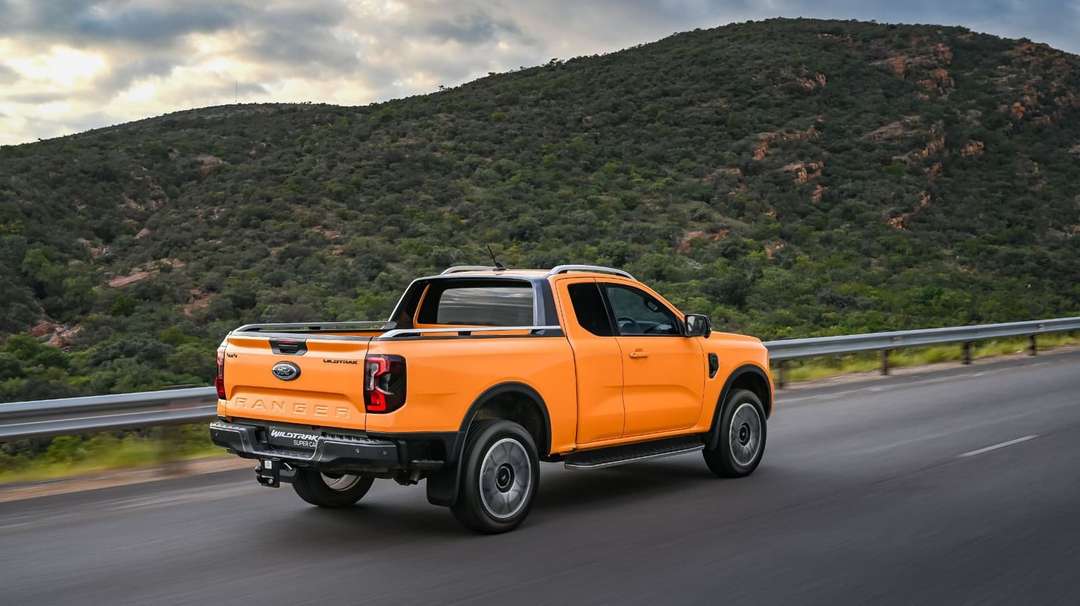
Toyota Hilux (2025) vs Mitsubishi Triton (2026)

After a week with both, I’d put my own money on the Hilux Raider Auto. The 450 Nm and that 6-speed auto turn it into something I’d actually enjoy driving out to Magaliesberg on a Friday afternoon.
Introduction
Look, it’s a classic fork in the road: you either want the well-specced, always-in-demand bakkie that’ll hold its head high on the N3 and keep its value, or you’re after something honest and work-focused, manual gearbox, and a price that won’t shock you. The Hilux 2.8GD-6 Raider Auto is aimed squarely at buyers chasing a refined drive, easy towing at altitude, and resale that makes accountants and bank managers happy. Mitsubishi’s Triton 2.4 GL 4x4 is for those who don’t need the bells and whistles - it’s a straightforward machine for farmers, operators, and anyone who actually likes shifting gears. Both are diesel double cabs, but only one is really shooting for the lifestyle crowd.
Key takeaway: Hilux Raider Auto dominates on power, comfort, and resale; Triton GL undercuts it with a lower sticker and manual simplicity. Each has a place, depending on what you value most.
Design & Exterior
Stance and street presence
Park them side by side, and the visual difference is obvious. Hilux stands 1815 mm tall, giving it presence, while the Triton is a touch lower at 1775 mm but is 1865 mm wide - that’s 10 mm broader than the Hilux, and you’ll notice it when you’re wedging yourself past a Quantum in a Pick n Pay lot. Length? Virtually a tie: Hilux at 5325 mm, Triton at 5320 mm.
Design language
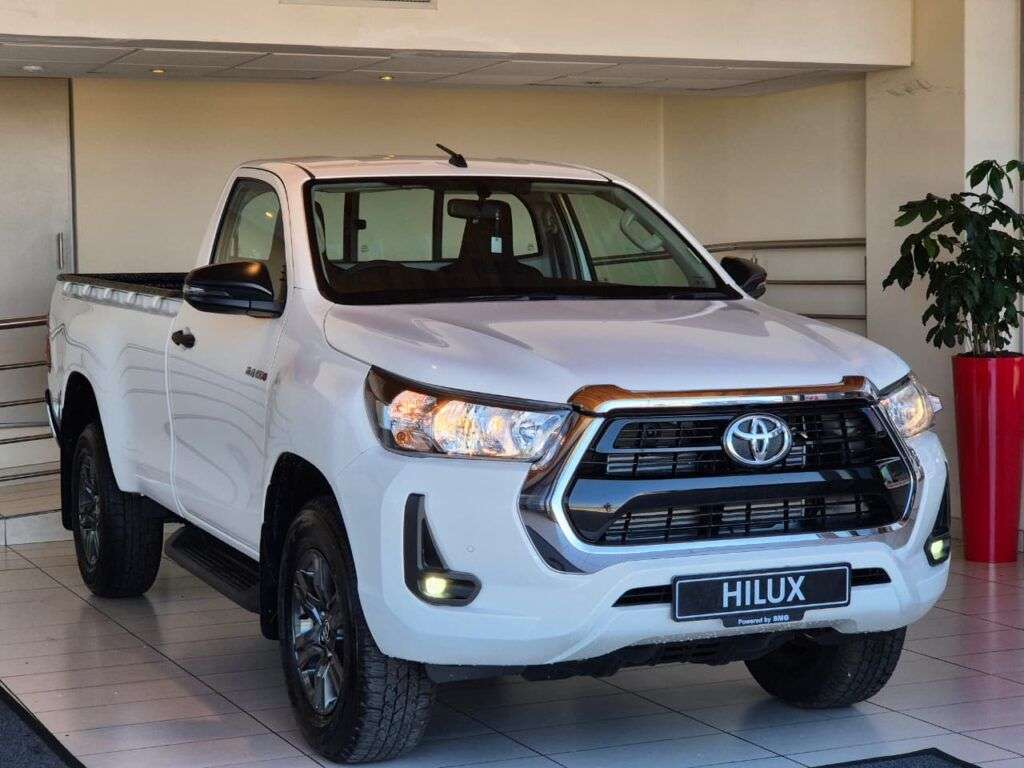
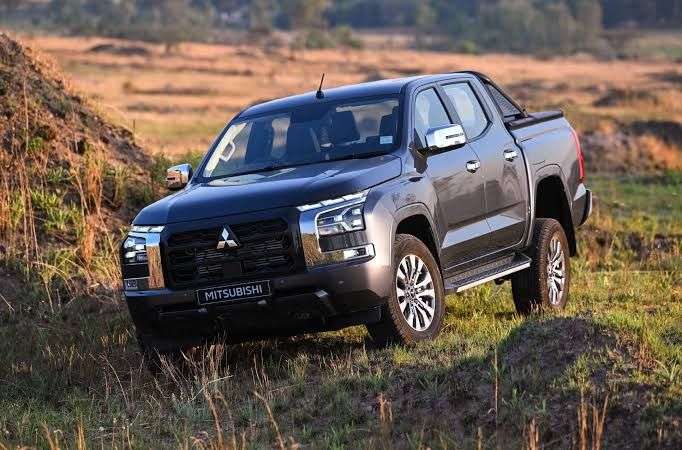
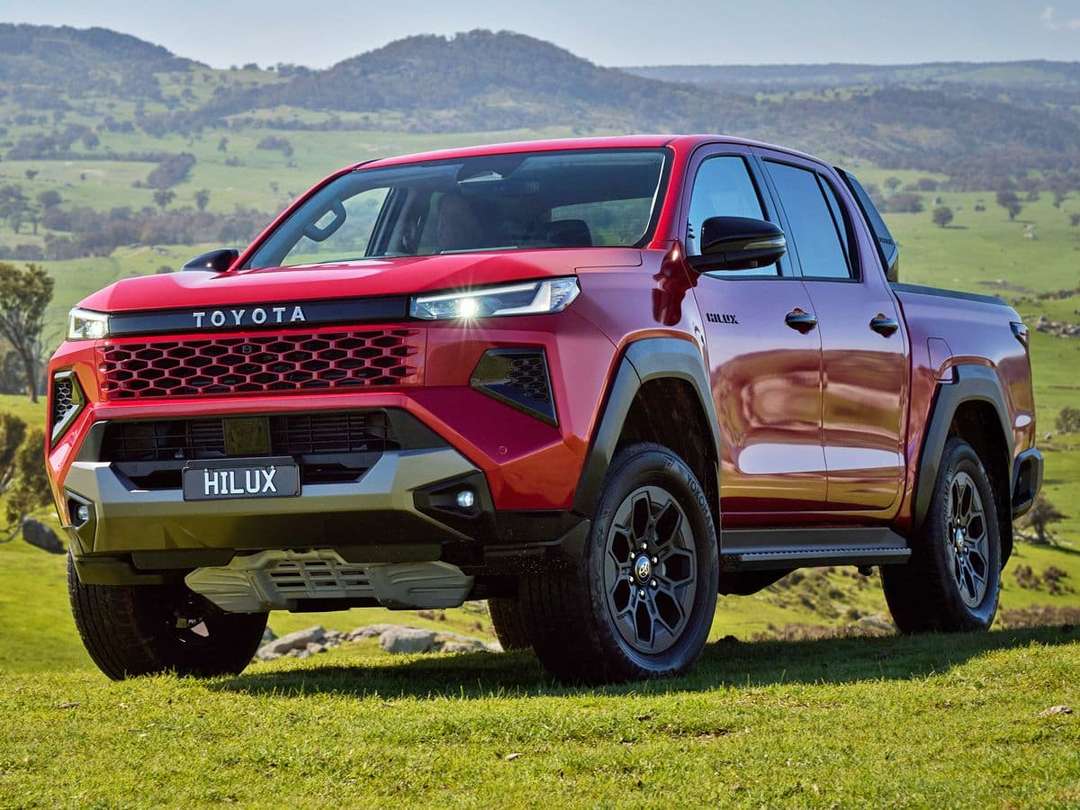
Everyone knows the Hilux Raider face - it’s everywhere, still unmistakable even with tweaks. The 2024 Triton arrives with Mitsubishi’s “Beast Mode” nose: blockier, a bit more up to date, and definitely bolder in profile. Personally, the Triton looks fresher, but Hilux brings instant street cred and, most crucially, better trade-in value at places like Bidvest McCarthy. That matters if you’re moving on in a few years.
SA-relevant detail
Both clear potholes on the road without breaking a sweat, but neither comes with proper off-road rubber in these trims. Toyota’s got the upper hand for paint choices, thanks to local production in Prospecton; Triton GL buyers will find fewer options at Gauteng dealers, at least based on my calls last month.
Cabin & Practicality
Materials and finish
No one expects Range Rover plushness here - that misses the point. Hilux Raider Auto is just nicer to touch: softer surfaces, a touchscreen that feels modern, a steering wheel that wouldn’t look out of place in a Corolla. Triton GL? Straightforward and proud of it. Hard plastics, basic trim, a radio that just does the job. If you want the “soft touch” Triton, you’ll need a GLS or above, and suddenly the price gap to Hilux shrinks fast.
Infotainment and physical controls
Both still give you proper physical buttons for the aircon. After a week of stabbing at an unresponsive crossover screen, that’s a relief. Hilux’s display is larger, and the phone mirroring actually works. Triton’s tech is behind but reliable. Winner for infotainment? Hilux, no argument.
Space and ISOFIX
- Seats: You’ll fit five adults in both.
- Doors: Standard four-door double cabs.
- Rear legroom: Triton is fractionally wider in the back (those extra 10 mm), but Hilux offers more headroom thanks to its height.
- ISOFIX: Both bakkies include outboard ISOFIX rear anchors.
- Load bay: Expect the usual one-tonne payloads - standard for this class.
Daily liveability
Here’s something that annoyed me: only one USB-A up front in most Hiluxes, and Triton GL isn’t much better. If your passengers demand USB-C, bring adapters. Neither is a tech leader inside. Practicality? It’s a draw: Hilux wins for trim and infotainment, Triton for a slightly roomier back seat if you pack smart.
On the Road
Powertrain character
This is where the split really shows. Hilux 2.8GD-6 brings 130 kW and 450 Nm to the party, handled by a 6-speed auto. Triton 2.4 GL soldiers on with 81 kW and 200 Nm, paired to a 5-speed manual. That’s 49 kW and 250 Nm in Toyota’s favour - and overtaking makes it painfully clear. Hilux simply pulls better everywhere.
First-person on the Hilux
Last winter, I took a Hilux Raider Auto up Van Reenen’s Pass, stuck behind a cement truck. Third gear, throttle pinned, and the 2.8 just surged past - the auto never hesitated. On empty, the ride is definitely bakkie-firm (leaf springs, after all), but two adults and a boot full of bags calmed things down nicely on the highway.
First-person on the Triton
The Triton GL is a different beast. Drove one on gravel, and you really have to work that gearbox; 200 Nm means you plan every overtake. But on dirt, the steering’s precise and the chassis feels solid. Treat it as a tool, and it’s satisfying.
Fuel and refinement
Paper numbers: Toyota claims 8.5 L/100km, Mitsubishi quotes 8.9 L/100km. Real life? Both hover closer to 9.5 L/100km, especially if you’re using the torque for towing or hauling. Hilux does slightly better on the highway, with less engine noise at 120 km/h and less diesel drone in the cabin.
Specs & Ownership
Side-by-side comparison
| Spec | Toyota Hilux 2.8GD-6 Raider Auto (2025) | Mitsubishi Triton 2.4 GL 4x4 (2024) |
|---|---|---|
| Engine | 2.8L Diesel | 2.4L Diesel |
| Power | 130 kW | 81 kW |
| Torque | 450 Nm | 200 Nm |
| Gearbox | 6-speed automatic | 5-speed manual |
| Drive | 4WD | 4WD |
| Fuel consumption (combined) | 8.5 L/100km | 8.9 L/100km |
| Length / Width / Height | 5325 / 1855 / 1815 mm | 5320 / 1865 / 1775 mm |
| Seats / Doors | 5 / 4 | 5 / 4 |
| 5-year TCO (est.) | R425,500 | R434,700 |
Total cost of ownership
Over five years, the Hilux is estimated to cost you R425,500, compared to R434,700 for the Triton. That’s R9,200 in the Toyota’s favour, even though it’s more expensive and more powerful up front. Why? Hilux resale is almost unbeatable here, with over 220 dealers from Cape Town to Polokwane keeping service prices in check. Triton GL is cheaper to buy but drops quicker in value, so when you’re selling after three years, you feel it.
Warranty and service
Both bring standard warranties and service plans. Mitsubishi’s Motus network is expanding, but Toyota’s footprint still stretches deeper - you’ll find a Hilux dealer in places like Mthatha or Upington without stress. That counts if you’re working far from Joburg or Durban; spares can take a few extra days on the Triton, which means more downtime if something breaks.
Verdict
Closing thought
After a week with both, I’d spend my own money on the Hilux Raider Auto. That 450 Nm and the relaxed auto box make it a pleasure to cruise out to Magaliesberg on a Friday. But if you’re a contractor in Bloemfontein who just needs a bakkie that won’t quit, I get the Triton GL decision. That’s the real split in this Toyota Hilux vs Mitsubishi Triton contest…
Summary
Here’s a real-world comparison for South Africans weighing up the 2025 Toyota Hilux 2.8GD-6 Double Cab 4x4 Raider Auto against the 2024 Mitsubishi Triton 2.4 Di-DC GL 4x4 double cab. We’re talking design, practicality, driving feel, ownership costs, and what you actually get for your money at a loca