Toyota Hilux 2.4 GD-6 SRX 6AT S/C (2025) Review
Loses a point for sluggish overtaking, another for old-school cabin tech. Everywhere else? The Raider single cab does exactly what you bought it for: workhorse tested, workhorse approved.
Introduction
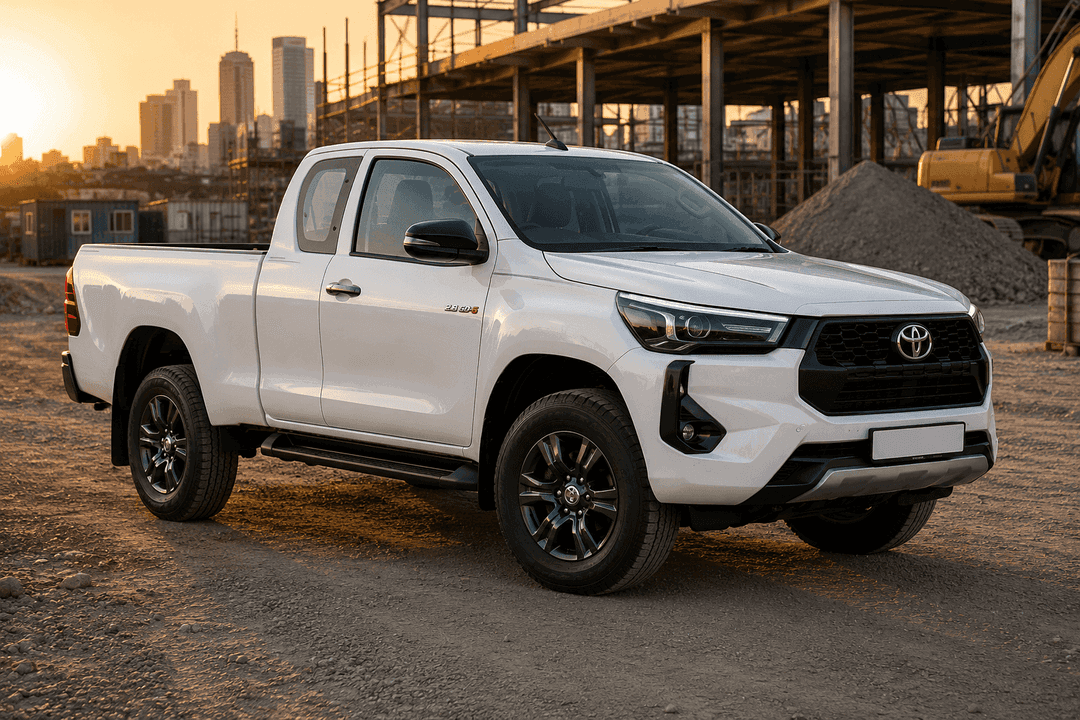
Right, so you’re after a single cab bakkie that’ll still be slogging through gravel and paying its way long after the boss has moved on. The Toyota Hilux 2.4 GD-6 4X4 Raider 6AT Single Cab is that bakkie - if you want a tool, not a lifestyle showpiece. Strip away the double-cab flash and you’re left with proper low-range, a six-speed auto that’ll save your left calf on site, and a workhorse that’s still nearly 40% of Hilux sales in South Africa for 2026. That tells you who’s actually buying these things - not the weekend warriors, but the folks who need reliability every single day.
Key takeaway: Here’s the real deal - a single cab 4x4 for people who need to get jobs done. It’s slower than the 2.8, sure, but it’s lighter on the wallet, easier to move second-hand, and makes no bones about being a worker.
Design & Exterior
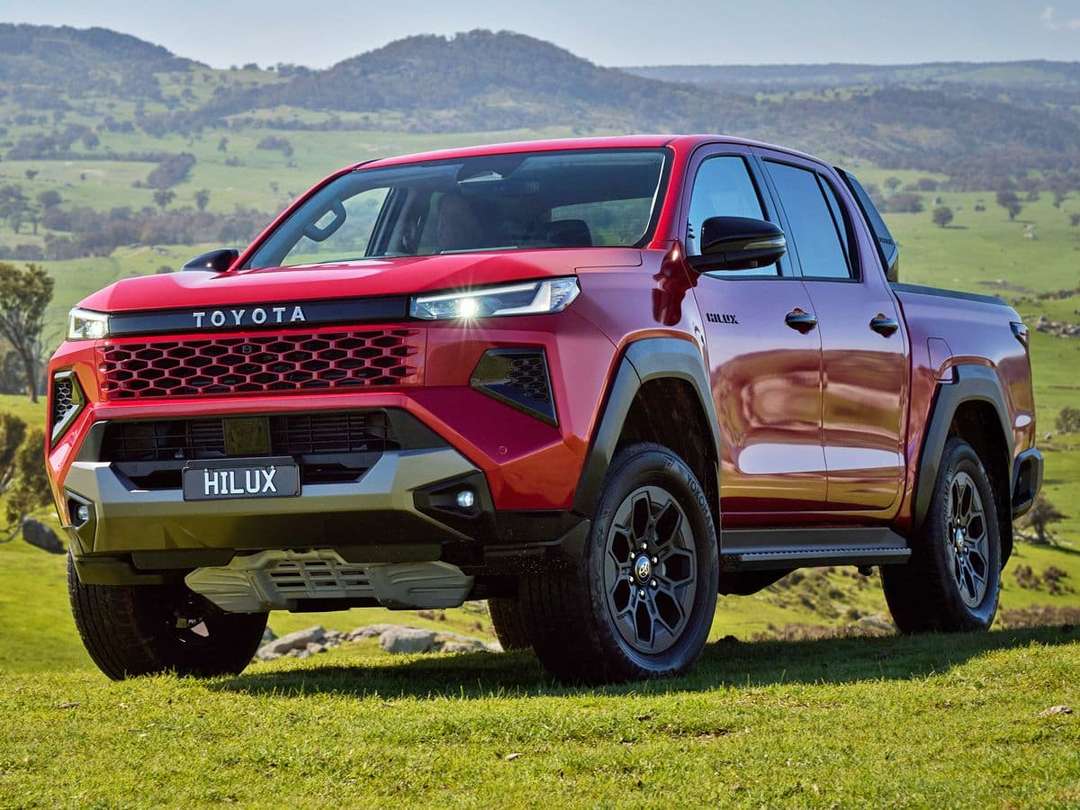
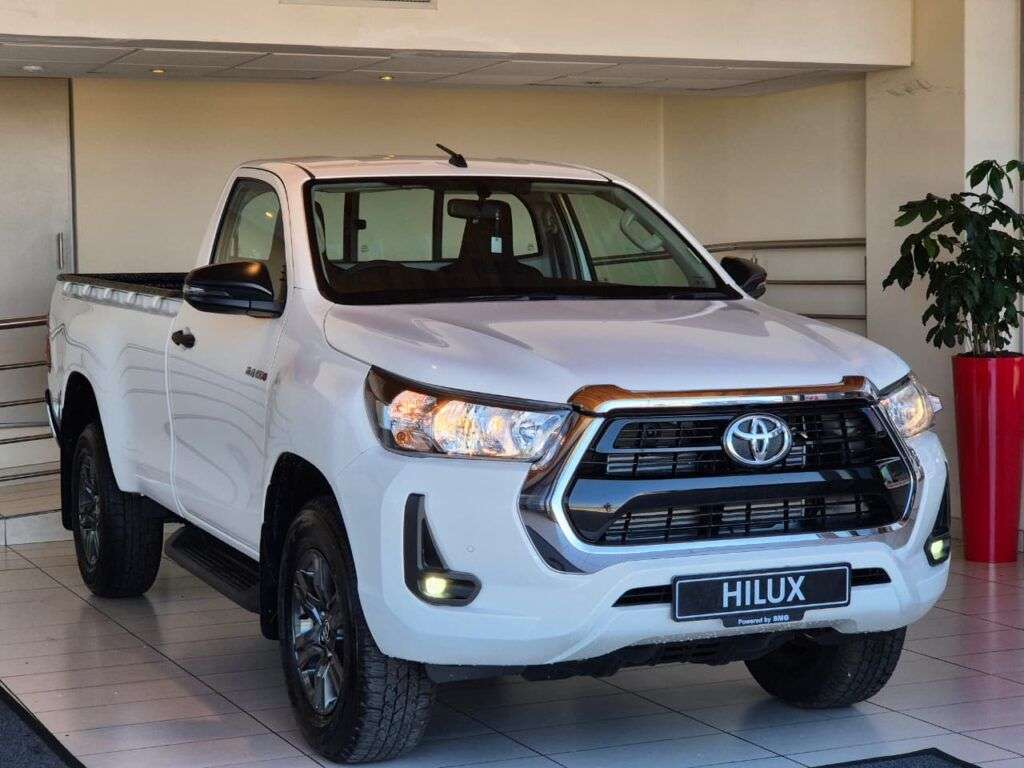
Let’s be straight: this Hilux is pure function. Long load bed, compact cab, and a ladder frame you can hose down after a muddy site visit. The eighth-gen (AN120/AN130) Hilux’s wide-body facelift means the Raider single cab now borrows the chunkier track and arches once reserved for double cabs. Looks ready for anything - no nonsense, just presence.
What's distinctive
Compared to the base SR, Raider spec brings body-coloured bumpers, alloys, and projector headlamps - no more basic halogens. Yet it stays all business. Park it next to a GWM P-Series or Isuzu D-Max single cab, and the Hilux’s stance, especially that rear track, just looks - well, sorted. There’s no mistaking it for anything but a tool built for South African graft.
Where it sits in the segment
- Toyota Hilux single cab - 4,342 units moved in the first four months of 2025; still untouchable.
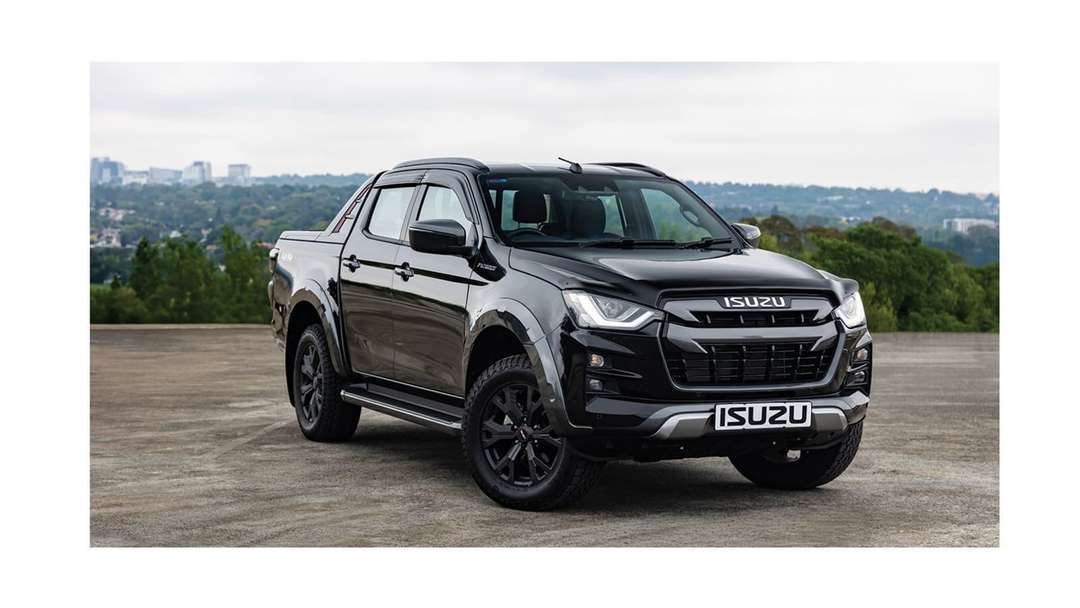
- Isuzu D-Max single cab - 3,438 units in the same slice of time.
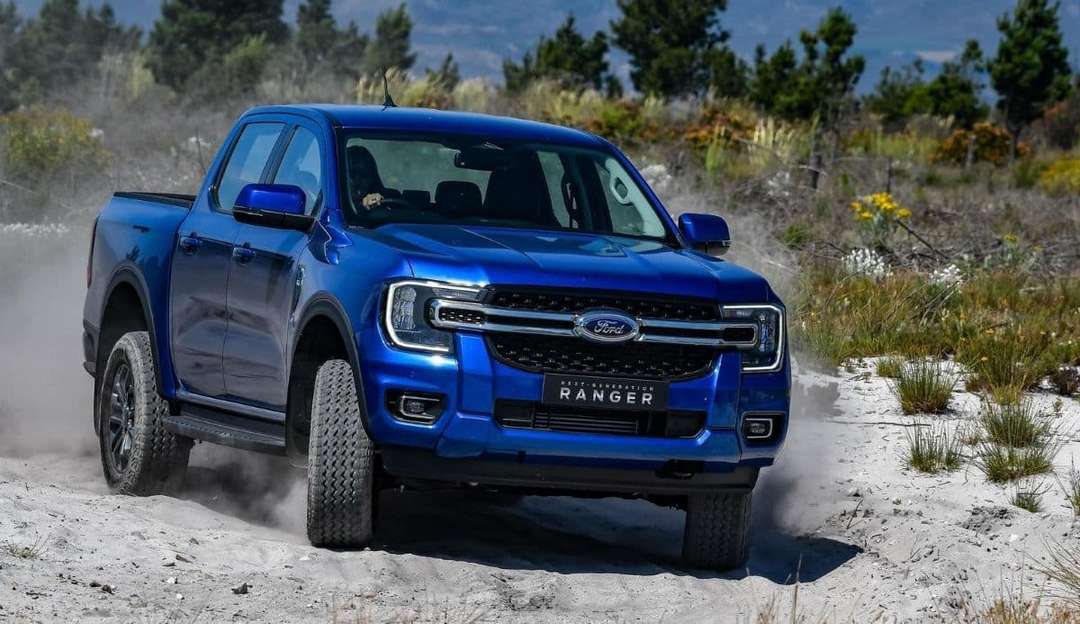
- Ford Ranger single cab - running third, even as the newest face here.
That lead isn’t about looks. It’s about a dealer network from Polokwane to Plett and a badge that doesn’t give fleet managers sleepless nights over resale or downtime.
Cabin & Practicality
Climb up, and you’re greeted by a cab that’s all business: tough plastics, a dead-flat floor, and chunky, physical climate controls. Raider trim lifts things just enough - touchscreen infotainment, steering wheel buttons, and real carpet. Don’t expect fake leather or plushness - this is a place to work, not lounge.
Living with two doors
This really is an office for two. No rear bench here, so whatever you need for the day ends up behind the seats - lunch, paperwork, tools. The seats surprised me on a run, shifting fencing gear from a Magaliesburg plot to Builders Warehouse in Krugersdorp - my back was still smiling at the end. That’s rare in a work bakkie, and it matters if you’re clocking 10-hour days behind the wheel.
Load bed reality
The important number is 2,350 mm for the load bed. That lets you slide in standard 2.4 m timber and full-size pallets - no hacksaws, no drama. Tie-down points are present, but not enough if you’re moving a loose kit; aftermarket rope rails solve that if you pack smart. Boot space? Forget it. You trade rear seats for payload, and that’s the deal - Hilux single cabs swallow what no double cab can.
On the Road
The 2.4 GD-6 turbodiesel gives you 110 kW and roughly 400 Nm, all funnelled through a six-speed auto. On paper at least, that’s enough for real work. Empty, in 2WD, it’ll see 100 km/h in about 13 seconds. Not fast, but fast enough for what it is. No one’s racing home from the building site.
The autobox question
For fleet buyers, the 6AT is a real advantage - no more clutch pump in traffic or inching up a muddy loading ramp. But load up and try overtaking, and the gearbox sometimes dithers between fifth and sixth. You do miss the 2.8’s extra punch when you’re in a hurry. Plan your moves - this isn’t a sprinter.
Ride and unladen behaviour
Leaf springs at the rear are made for payload, not comfort. On gravel, the empty tray skips over every corrugation - you feel every bump straight through to your spine. Add 300 kg of cement, and it calms down. That’s the honest deal: this suspension only shines when you’re actually working the bakkie.
Off-road hardware
Switchable 4x4 with a rotary dial, proper low-range, and the kind of approach and departure angles that matter on a rocky Mpumalanga farm road. The 2.4’s torque delivery is actually smoother than the 2.8’s - handy for technical climbs. I never worried about running out of grunt, even crawling up loose stone in the mist outside Sabie.
Data & Comparison
Here’s where the numbers matter. Toyota claims 7.3 L/100 km combined for the 2.4 GD-6. My week - N3 at 120, loads of dirt - ended at 8.7 L/100 km. Still solid for a 4x4 with this footprint. Towing knocks it higher, but few rivals do better with a tray this size.
Headline specs
| Spec | Hilux 2.4 GD-6 4x4 Raider 6AT S/C |
|---|---|
| Engine | 2.4L turbodiesel |
| Power | 110 kW |
| Drive | 4WD with low-range |
| Gearbox | 6-speed automatic |
| Doors / Seats | 2 / 2 |
| Generation | 8th gen (AN120/AN130) |
How it stacks against rivals
| Model | Engine | Drive | Gearbox |
|---|---|---|---|
| Toyota Hilux 2.4 GD-6 Raider S/C | 2.4 diesel, 148 hp | 4WD | 6AT |
| Isuzu D-Max 1.9 Ddi LSE S/C | 1.9 diesel | 4WD | 6AT |
| Ford Ranger 2.0 SiT XL S/C | 2.0 diesel | 4WD | 6MT/AT |
| GWM P-Series 2.0TD S/C | 2.0 diesel | 4WD | 6MT |
Ownership maths
- Five-year running costs: about R230,000 (excluding finance).
- Observed fuel use: 8.7 L/100 km, mixed cycle.
- Single-cab interest score: 50.6 in October 2025 - shows a healthy, stable market.
Every Raider includes a Toyota Hilux service plan South Africa buyers can count on - baked into the price. Ford sometimes splits service plans out, so the Hilux price looks simpler when you’re crunching numbers. That predictability is why fleets keep buying Toyota Hilux single cabs - service, spares, and resale all locked in. Toyota Hilux price South Africa is still a touch higher than the D-Max, but undercuts the equivalent Ranger 4x4 auto.
Editorial Focus
Let’s not dress it up. The Toyota Hilux 2.4 GD-6 SRX 6AT S/C is the bakkie that still pays its way - 2.4 for fuel economy, 6AT for sanity, not brute force. As a Toyota Hilux review, this is the single cab for people who work, not pose. Daily routine? Drop supplies at sunrise, patch a game fence by lunch - it’ll do both, just. The auto box is a revelation in city stop-start, and low-range still gets you out of mud when the storm breaks. Overtaking with a full load, though, you will wish for the 2.8’s muscle. Australia’s gone all 2.8, but here in SA, buyers count diesel litres first. Toyota Hilux reliability is legendary - spares everywhere, and it’s what the Hilux should have been from the start: refined a bit more each year, but never experimental. The eighth-gen feels sorted, predictable, and happy to outlast the hype.
People Also Ask
What is the fuel consumption of the Toyota Hilux 2.4 GD-6?
The claimed is 7.3 L/100 km combined. In reality, 8.5 to 9 L/100 km is typical if you mix N3 cruising at 120 km/h with gravel. If you’re loaded or towing heavy, expect higher. Still one of the most frugal 4x4s for its size - Toyota Hilux fuel consumption is a real selling point.
What are the common problems of the 2011 Toyota Hilux?
2011 Hilux models had injector and EGR issues, especially on 3.0 D-4Ds, and some auto gearbox wear if service was skipped. The current 8th-gen 2.4 GD-6 is a different animal. With a full service history, Toyota Hilux reliability is pretty much unmatched for daily fleet work.
What are the common problems of the 2012 Toyota Hilux?
The 2012 shared those injector and EGR niggles, plus the odd immobiliser headache. None of that affects the 2.4 GD-6. That’s why buyers keep coming back - Toyota Hilux review after review rates resale and peace of mind above the rivals.
Is the Toyota Hilux Raider single cab good for towing?
Yes, for most jobs. The 2.4 GD-6 4x4 single cab handles a 1.5-tonne trailer or caravan to the Karoo. For big horseboxes or a heavy car haulier, the 2.8 GD-6 is the step up. The Toyota Hilux 2.4 GD-6 SRX 6AT S/C review in South Africa always puts practical towing in the plus column, even if it’s not the king of torque.
How much is a Toyota Hilux Raider Single Cab 4x4 in South Africa?
The Toyota Hilux 2.4 GD-6 SRX 6AT S/C price in South Africa sits between the SR workhorse and the Legend. Pricing shifts month to month, but you’ll pay more than a D-Max, less than the equivalent Ranger 4x4 automatic. Shop around at McCarthy Toyota or Barloworld branches for the best sticker.
Is the Toyota Hilux 2.4 GD-6 reliable enough for daily fleet use?
It’s the default fleet choice for a reason. Toyota Hilux reliability is backed by a dealer and spares network that stretches coast to coast. The included Toyota Hilux service plan in South Africa means no surprise costs, and the 2.4 GD-6 has proven itself in every corner of the country. If your business depends on uptime, it’s still the bakkie to beat.
Verdict
Hilux single cab is still the logical answer - never flashy, always ready for a shift. The 2.4 GD-6 4x4 Raider 6AT Single Cab suits small farmers, site bosses, rural contractors, and councils who want to buy once and forget. Not for Insta-adventure types - those folks need a double cab Legend or the 2.8. This is for people who actually use a bakkie, not those who want to be seen in one.
Buy this if
- You want a 4x4 single cab that holds value like nothing else - Toyota Hilux price South Africa is strong on resale.
- Auto-box ease and low-range are dealmakers for your work.
- Your grind mixes tar, gravel, and real payloads.
- The Toyota Hilux service plan in South Africa and dealer network are must-haves for your bottom line.
Skip it if
- You’re towing heavy, often - the 2.8 GD-6 is better suited for big jobs.
- You want rear seats or lifestyle extras - go double cab.
- You need modern infotainment - the Ranger and D-Max are ahead on tech.
Rating: 8/10. Loses a point for sluggish overtaking, another for old-school cabin tech. Everywhere else, the Raider single cab does exactly what you bought it for: workhorse tested, workhorse approved. And that’s the point...
Summary
The Hilux single cab is still the rational answer—never flashy, but always up for a proper day’s work. The 2.4 GD-6 4x4 Raider 6AT Single Cab suits smallholders, site foremen, rural contractors, and local councils. Not for Instagram adventure types—those folks need a double cab Legend or the 2.8. This is for people who actually use a bakkie, not just park one for likes.
Ratings
Pros
- ✓You want a 4x4 single cab that holds its resale like nothing else in South Africa.
- ✓You value auto-box ease but still need low-range for the tough bits.
- ✓Your daily grind mixes tar, gravel, and real payloads.
- ✓Toyota’s dealer network and bundled service plan matter to your bottom line.
Cons
- ✗You’re towing heavy, often—the 2.8 GD-6 is better suited.
- ✗You want rear seats or lifestyle extras—double cab is your answer.
- ✗Modern infotainment is a must—the Ranger and D-Max do that better.