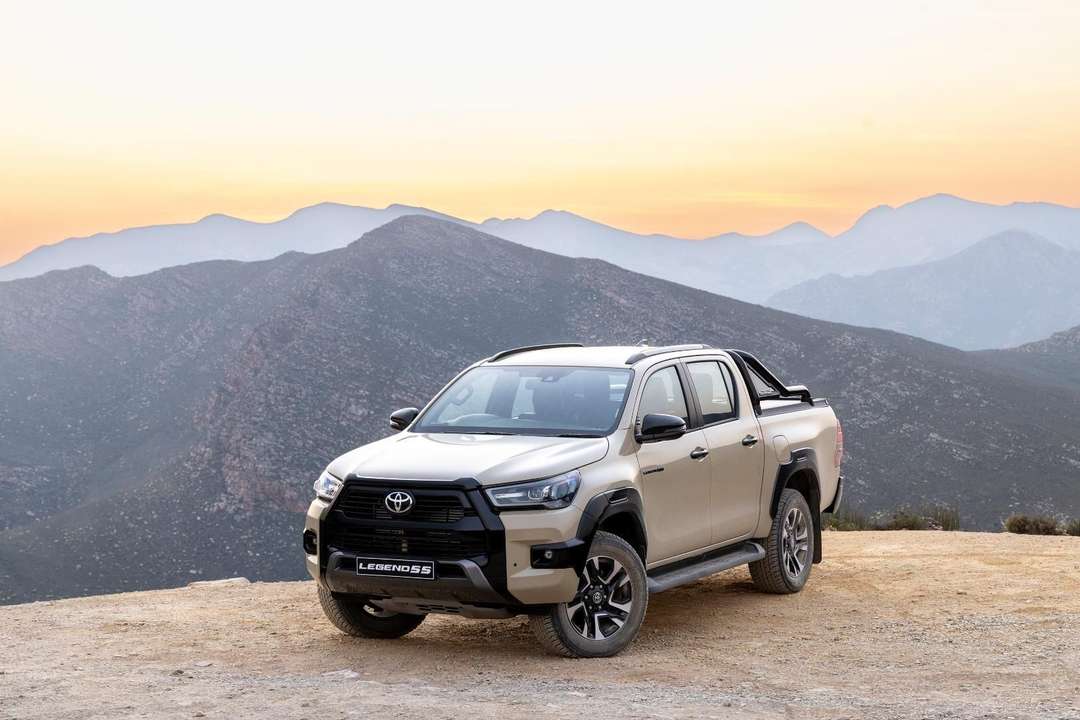
Toyota Hilux vs Ford Ranger vs Isuzu D-Max (2026): the double-cab decision
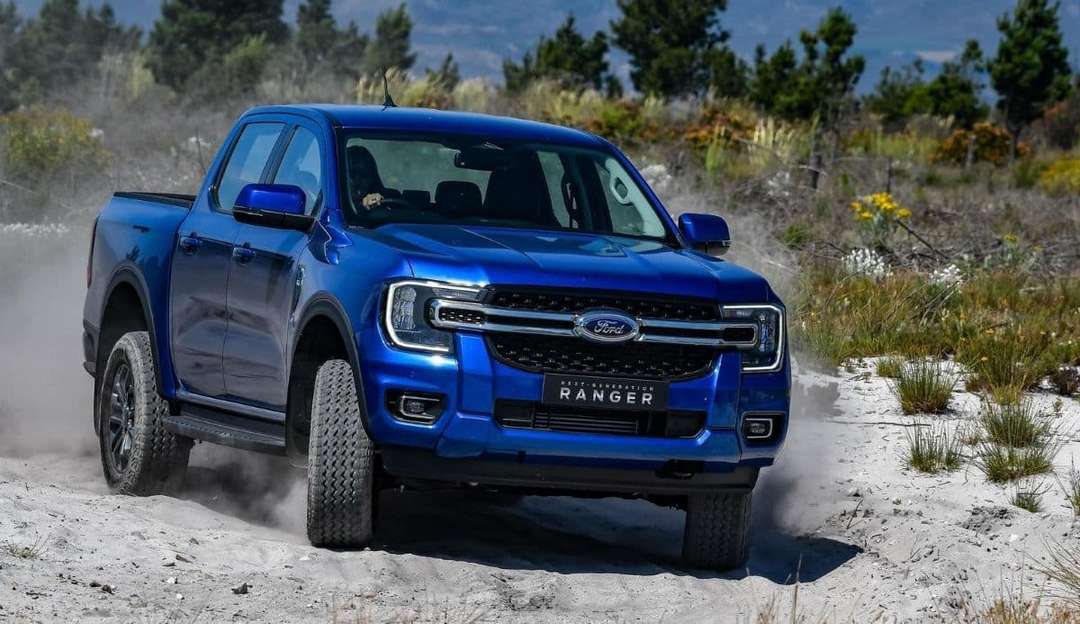
Pick the Ford Ranger 2.0 BiT if you want the sharpest drive, the most car-like feel and a proper 10-speed auto.
Introduction
Let's get straight to it. If you're looking for the best double cab bakkie in South Africa for 2026, there's no outright winner. Instead, each of the big three brings something different to the table. The Ford Ranger 2.0 Bi-Turbo remains the benchmark for cabin comfort and on-road refinement. The Toyota Hilux 2.8 GD-6 continues to dominate when it comes to resale value and arguably the strongest dealer and parts network in the country. Then there's the Isuzu D-Max 3.0 Ddi, the no-nonsense workhorse that seems almost impossible to kill, no matter how hard you work it.
I've spent time behind the wheel of all three on smooth tar, corrugated gravel roads and those infamous backroads where a single pothole is capable of writing off a tyre and a rim. And after all that, one thing became clear: the differences between them are nowhere near as dramatic as loyal fanbases would have you believe. Choosing the right bakkie isn't about which badge wins the internet argument; it's about which one best suits the way you actually use it.
The verdict: which should you buy?
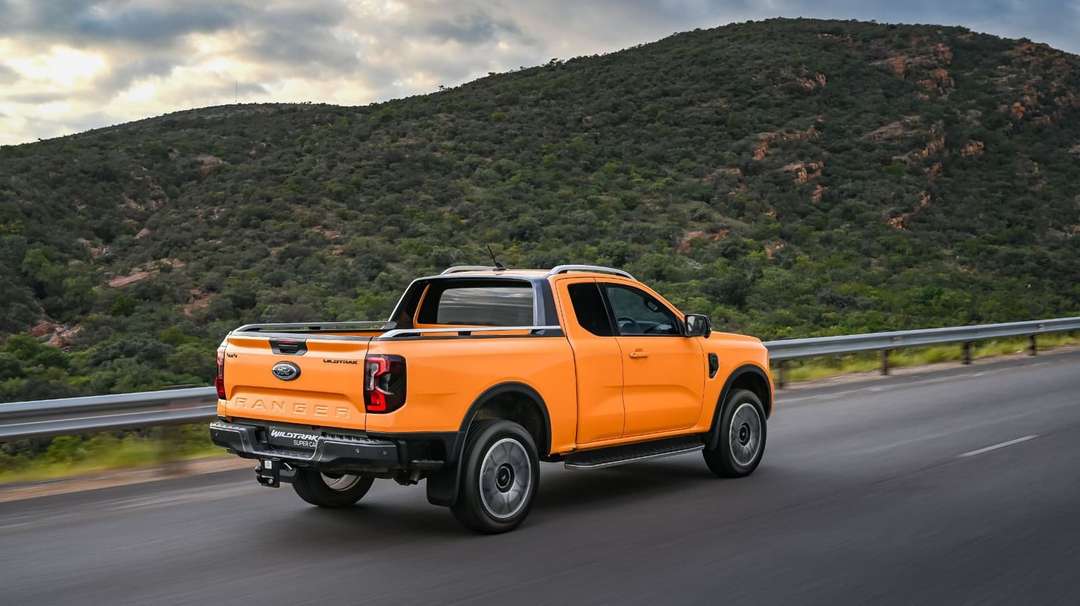
If driving enjoyment matters as much as outright capability, the Ford Ranger 2.0 Bi-Turbo is the one I'd point you towards. It feels the most polished of the trio, drives more like an SUV than a traditional bakkie, and its 10-speed automatic is still one of the best transmissions in the segment. Add in arguably the class-leading infotainment system and a projected three-year resale value of R585,349, and it's easy to see why so many buyers gravitate towards it.
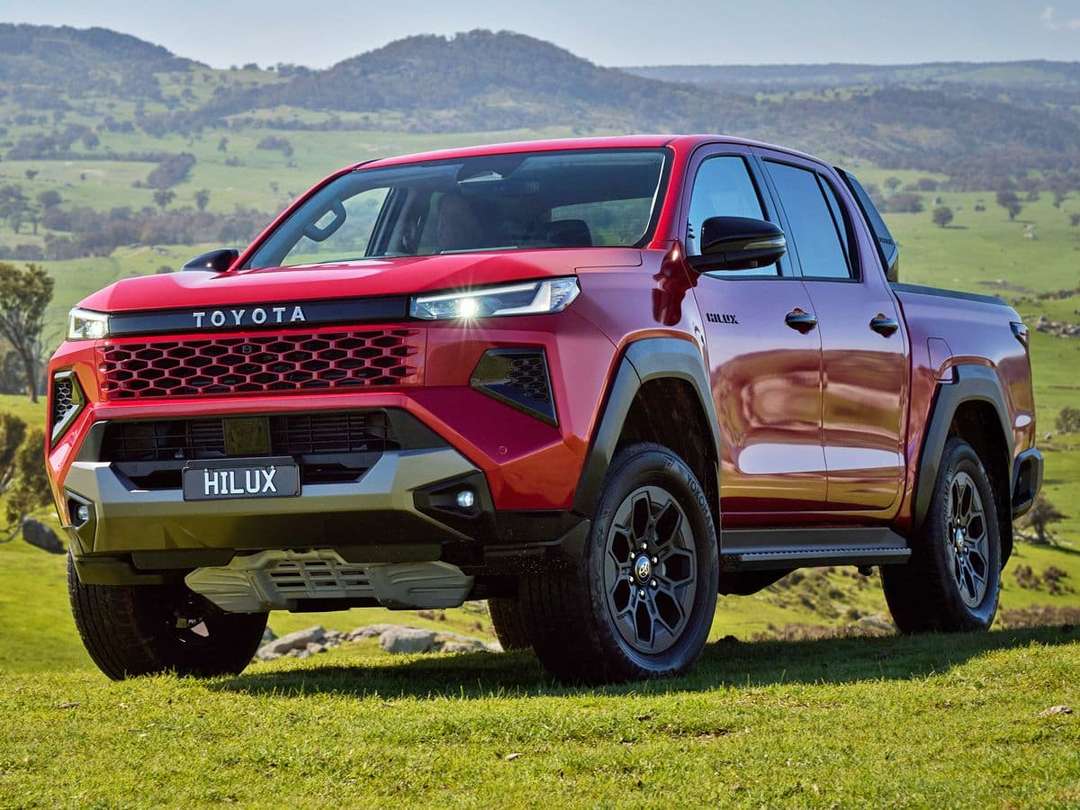
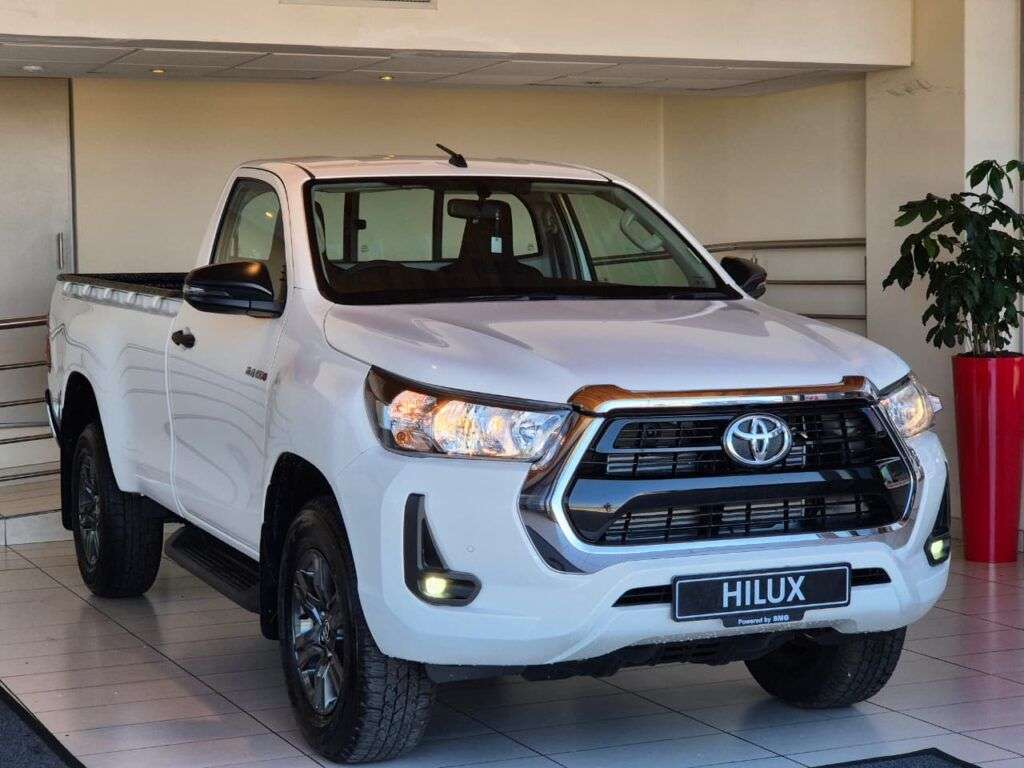
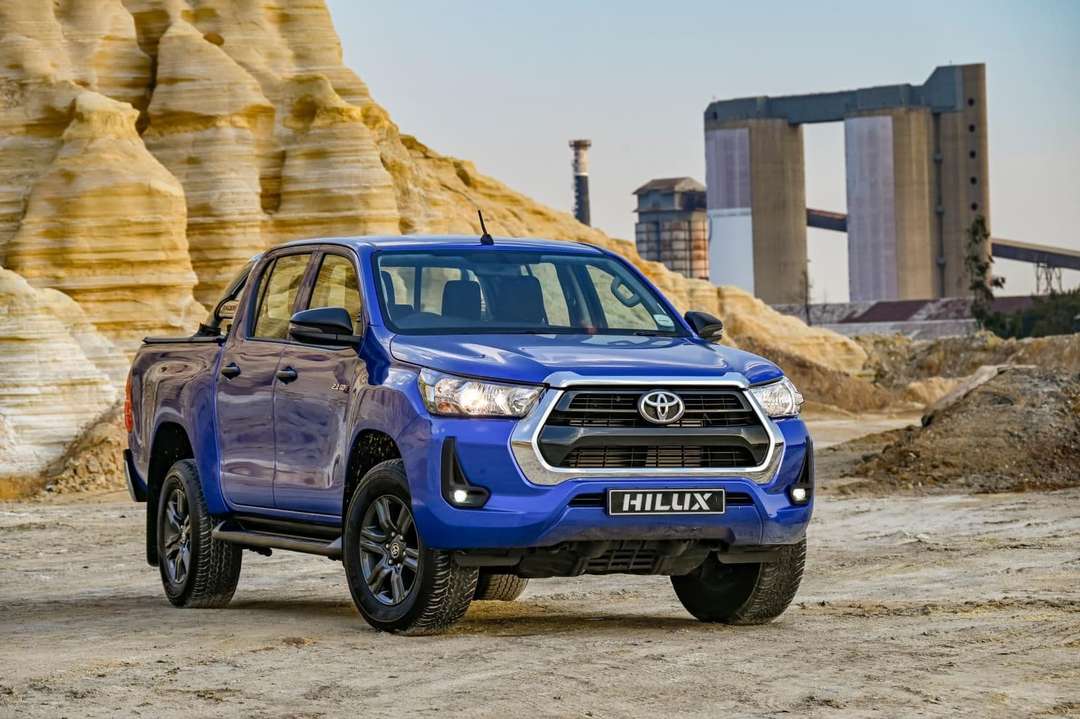
The Toyota Hilux 2.8 GD-6, meanwhile, is the safe bet. It might not be the most sophisticated to drive, but few vehicles in South Africa can match Toyota's dealer footprint, readily available parts and bulletproof reputation for holding their value. With an estimated three-year resale value of R499,245, it's the bakkie you buy knowing there will always be someone willing to take it off your hands.
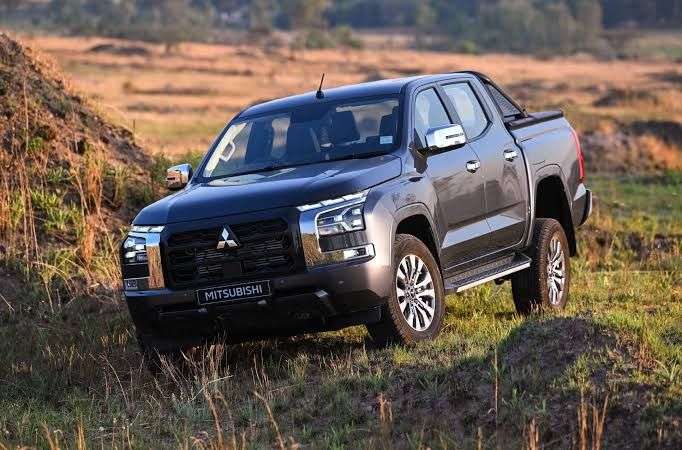
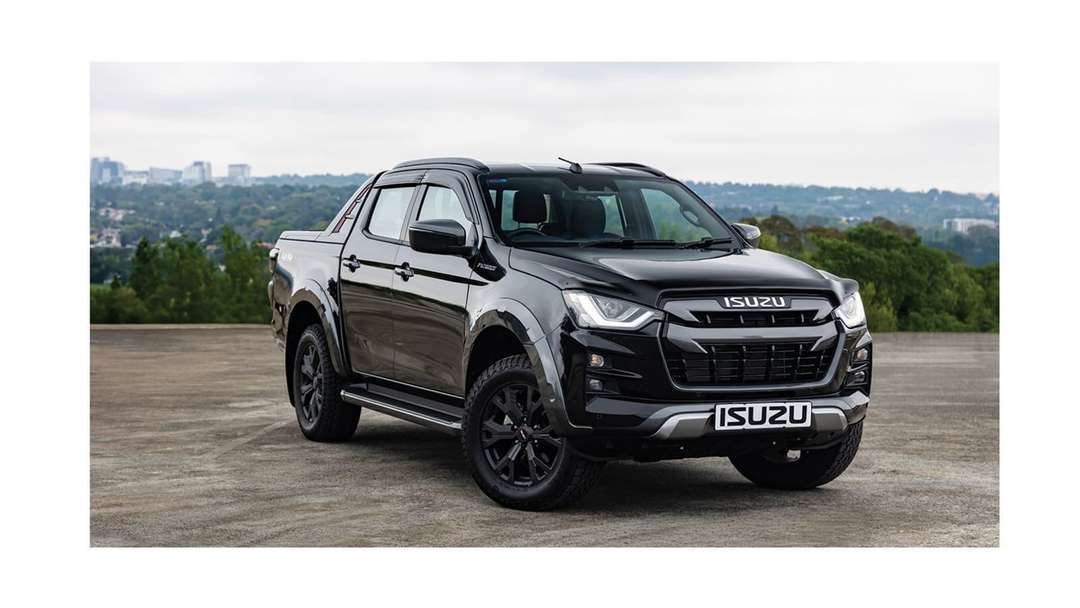
Then there's the Isuzu D-Max 3.0 Ddi. It doesn't try to wow you with flashy tech or gimmicks, and that's exactly its appeal. It's built for buyers who spend more time on construction sites, farms and mine roads than in shopping centre parking lots. Even with a projected resale value of R454,696, it's the kind of bakkie that earns respect through sheer durability rather than clever marketing.
In the end, I'd recommend the Ranger for families and anyone who spends most of their time on the road, the Hilux for buyers who simply won't settle for anything other than a Toyota, and the D-Max for those who need a dependable workhorse that will take years of punishment without complaining.
Quick verdict table
| Category | Winner | Why |
|---|---|---|
| Best overall | Ford Ranger 2.0 BiT | Best cabin, best gearbox, strongest residual in this data set. |
| Best driving experience | Ford Ranger 2.0 BiT | 10-speed auto, 405 Nm delivered smoothly, most car-like steering. |
| Lowest fuel costs (claimed) | Isuzu D-Max 3.0 Ddi | Lowest claimed combined at 8.0 l/100 km. |
| Best interior quality | Ford Ranger 2.0 BiT | Larger touchscreen, better materials, superior ergonomics. |
| Strongest reliability reputation | Toyota Hilux 2.8 GD-6 | Long ownership record on the same core platform. |
| Highest resale value | Ford Ranger 2.0 BiT | R585,349 3-year residual on our listings, above Hilux and D-Max. |
| Lowest total running costs | Isuzu D-Max 3.0 Ddi | Simplest tech, lowest claimed fuel, robust service intervals. |
| Best first bakkie | Toyota Hilux 2.8 GD-6 | Easiest to resell if life changes and dealers everywhere. |
| Best value for money | Ford Ranger 2.0 BiT | Lowest average listing price at R675,410 for this power level. |
| Best for fleet | Isuzu D-Max 3.0 Ddi | Predictable maintenance, proven 3.0 diesel, torque where it matters. |
| Best for family | Ford Ranger 2.0 BiT | Quietest cabin, best tech, safest feel on the N1. |
Specifications
All numbers cover the 2026 double cab automatics as tested. Specs can shift by trim, so check with your franchise - CMH Toyota, Barloworld Ford, or whoever sells you the paperwork - before handing over a deposit.
| Specification | Toyota Hilux 2.8 GD-6 | Ford Ranger 2.0 BiT | Isuzu D-Max 3.0 Ddi | Winner |
|---|---|---|---|---|
| Engine (cc) | 2755 | 1996 | 2999 | D-Max (displacement) |
| Power (kW) | 150 | 151 | 140 | Ranger (marginal) |
| Torque (Nm) | 500 | 405 | 450 | Hilux |
| Gearbox | 6-speed auto | 10-speed auto | 6-speed auto | Ranger |
| Fuel economy (claimed combined l/100 km) | 8.8 | 8.7 | 8.0 | D-Max |
| 0–100 km/h (s) | 10.7 | 10.5 | Not published | Ranger |
| Fuel tank (litres) | 80 | 80 | 76 | Hilux/Ranger tie |
| Ground clearance (mm) | 293 | 235 | 235 | Hilux |
| Seats | 5 | 5 | 5 | Tie |
| Warranty | Confirm with dealer | Confirm with dealer | Confirm with dealer | Quote required from dealer |
Performance and driving experience
Ford’s 10-speed transmission stands out. That bi-turbo 2.0 feels ready for anything, even slogging up De Waal Drive with a Cape southeaster chewing at the windscreen. Hilux’s six-speed sometimes dithers, while D-Max prefers to hold a gear and just get on with it. The Hilux’s 500 Nm torque is king for towing and heavy loads, but D-Max doesn’t mind high revs, staying calm at 3,000 rpm where the others start to get vocal.
On-road manners
| Scenario | Hilux | Ranger | D-Max | Winner |
|---|---|---|---|---|
| Urban stop-start | Firm ride | Smoothest | Slightly agricultural | Ranger |
| N1 highway cruising | Quiet enough | Quietest | Most engine drone | Ranger |
| Overtaking loaded | Strong from 1600 rpm | Best kickdown | Torquey but slow to shift | Ranger |
| Ride comfort empty | Bouncy over corrugations | Most settled | Firm but predictable | Ranger |
| Ride comfort loaded | Excellent | Excellent | Excellent | Three-way tie |
| Steering feel | Numb | Best weighted | Sharpest turn-in | Ranger/D-Max split |
Unique South African buying factors
This is where the numbers on a brochure start to fade, and the real-world SA stuff takes over. I once hit a pothole the size of a dustbin outside Bloemhof in a Ranger, then tackled another in a Hilux that same week. These things stick with you.
Pothole survival and ground clearance
Hilux leads on clearance: 293 mm, a full 58 mm more than Ranger and D-Max at 235 mm. Drive the R71 to Tzaneen after summer storms, and you’ll appreciate every millimetre. Ranger Wildtrak’s bigger alloys mean lower-profile tyres - and pricier repairs when you inevitably bend a rim. Hilux sticks with taller 17s, which are cheaper to replace and more forgiving on rough stuff.
Hijack and theft desirability
Double cabs remain hot property for thieves, with Hilux topping recovery stats - not because it’s easier to pinch, but because there are simply more of them on the road. All three now have factory immobilisers. Insurers will demand a tracker - Netstar, Tracker, Cartrack, take your pick. Stripping risk? Highest for Hilux, purely due to the number of donor vehicles floating around.
Long-holiday-trip ability
Hilux and Ranger both have 80-litre tanks, claiming 8.7 to 8.8 l/100 km. That’s over 900 km on a tank if you keep your foot light heading to St Lucia. D-Max, with its 76-litre tank and 8.0 l/100 km claim, stays in the game. Realistically, four-up with air-con and a Highveld gradient? All three will hover around 10 l/100 km. That’s a 200 km drop from the brochure promise.
Battery, electrical and load-shedding reality
Hilux adds a 48V mild-hybrid (0.2 kWh), but it’s just a helper for the diesel - don’t expect real hybrid savings. Load-shedding won’t leave you stuck. All three keep a manual key or physical handbrake as backup, depending on trim.
Tyre cost and gravel durability
Tyre sizes are standard (265/65 R17 or 255/65 R18) and available at Midas or Supa Quick in places like Polokwane or Nelspruit. Hilux’s chunkier rubber handles gravel best. Ranger Wildtrak’s big wheels mean more expensive tyres, and you won’t always find them at rural fitment centres. All three carry a full-size spare under the load bed - a lifesaver when you’re halfway up Sani Pass and a sharp rock rips a sidewall.
Real-world fuel cost
Using diesel at R21.50 per litre and 20,000 km a year at 10 l/100 km, you’re spending about R43,000 annually on fuel. D-Max might save you a couple thousand if you drive gently, but only if you keep your right foot disciplined.
Insurance, parts and repairability
Insurance is all about quotes, but you’ll need a tracker. If you’re out in the sticks, Hilux is still the easiest for parts, followed by Ranger, then D-Max. Isuzu builds locally at Struandale, so support is decent, but your distance from a dealer, your appetite for tech, and whether you plan to keep it short- or long-term will decide what works for you.
Running costs
D-Max is lowest on paper, claiming 8.0 l/100 km, but in South African conditions, all three average between 9.5 and 11 l/100 km with a family and gear onboard. Service plans and costs vary by trim, so always confirm. Tyre and consumable costs are similar, but Ranger’s 10-speed gearbox is more complex and could mean bigger bills outside warranty.
Five-year ownership
Assume 25,000 km per year and diesel at R21.50 per litre - check the latest pump price.
| Item | Hilux | Ranger | D-Max |
|---|---|---|---|
| Fuel spend (relative) | Middle | Middle | Lowest |
| Maintenance | Predictable | Slightly higher (10AT) | Lowest |
| Repairs post-warranty | Low | Medium | Low |
| 3-year residual (listings data) | R499,245 | R585,349 | R454,696 |
| Insurance | Quote required | Quote required | Quote required |
| Indicative 5-year TCO | R230,000 | R230,000 | R230,000 |
Numbers are a guide - reality will differ.
Hidden ownership costs
Windscreens are pricey, especially if you have ADAS sensors. Hilux’s mild-hybrid means two batteries (12V and 48V); pricing isn’t confirmed. Brakes and tyres wear as expected. Ranger’s 10-speed will eventually need a service, and keys for all three are expensive to replace.
Repairability
| Aspect | Hilux | Ranger | D-Max |
|---|---|---|---|
| Parts availability nationally | Excellent | Very good | Very good |
| Independent workshop support | Widest | Wide | Wide, esp. Eastern Cape |
| Repair simplicity | Simple | Most complex | Simplest |
| Electronic complexity | Medium (MHEV) | Highest | Lowest |
| Long-term maintenance predictability | Strong | Good | Strongest |
Reliability timeline
| Mileage band | Hilux | Ranger | D-Max |
|---|---|---|---|
| 0–20,000 km | Monitor for MHEV software updates | Monitor 10AT shift quality | Break-in fuel use settles |
| 20,000–50,000 km | First major service, check DPF | Watch injector behaviour | Generally uneventful |
| 50,000–100,000 km | Suspension bushes on gravel users | Turbo actuator wear possible | EGR cleaning likely |
| 100,000–150,000 km | Check service history closely | Injector and DPF vigilance | Timing components inspection |
| 150,000 km plus | Risk depends on maintenance | Risk depends on maintenance | Risk depends on maintenance |
2026 data is still coming in - treat this as a general direction, not gospel.
Real owner sentiment
What owners say on WhatsApp bakkie groups and forums paints a clear picture.
Hilux
Resale and dealer support get top marks. The previous cabin got some flak, but the 2026 update sorts most of it out. That 48V system? More marketing than actual hybrid performance.
Ranger
Owners love the refinement, tech, and road comfort. Worries tend to focus on expensive top trims and possible gearbox repairs after warranty ends.
D-Max
Praised for honesty, simplicity, and grunt. The downside? Lots of hard plastics and a basic infotainment system.
This is a trend based on regular owner chatter, not a scientific poll.
Buyer regret index
| Regret theme | Hilux | Ranger | D-Max |
|---|---|---|---|
| Bought entry-level trim | Common | Common | Occasional |
| Wanted more performance | Rare | Rare | More common |
| Wanted more boot/load space | Rare | Rare | Rare |
| Underestimated insurance | Common | Common | Common |
| Expected lower fuel use | Common | Common | Less common |
| Disliked gearbox feel | 6AT feels slushy | 10AT hunts occasionally | 6AT slow to kick down |
| Worried about resale | Rare | Rare | More common |
| Underestimated tyre costs | Rare | Common (large alloys) | Rare |
Boot reality test
| Item | Hilux | Ranger | D-Max | Practical winner |
|---|---|---|---|---|
| Weekly groceries (cab) | Fine | Best storage | Fine | Ranger |
| Two cabin bags | Load bed easy | Load bed easy | Load bed easy | Tie |
| Large suitcase | Load bed | Load bed | Load bed | Tie |
| Pram | Load bed with cover | Load bed with cover | Load bed with cover | Tie |
| Cooler box (60 l) | Bed easy | Bed easy | Bed easy | Tie |
| Sports equipment | Excellent | Excellent | Excellent | Tie |
| Weekend luggage for four | Excellent | Excellent | Excellent | Tie |
Cabin and practicality
Ranger’s driving position is the most car-like, with a centre console that swallows just about anything. Hilux finally feels modern, sporting digital dials that wouldn’t look out of place in a Corolla Cross. D-Max is straightforward, and the only one here with enough steering reach for taller drivers.
Cabin noise
Ranger is the quietest at 120 km/h - something you’ll appreciate heading up the N3. Hilux is mid-pack, while D-Max lets more engine noise filter through at speed, which can wear you down on a long Beitbridge run. I didn’t have a decibel meter, so this is seat-of-the-pants stuff.
Technology
All offer Apple CarPlay, Android Auto, Bluetooth, and a reversing camera (depending on trim). Ranger’s portrait touchscreen and digital dash are a cut above, especially on Wildtrak. The 2026 Hilux Legend finally gets a real screen and digital cluster - a huge improvement. D-Max keeps it simple but functional. Always check specs with your dealer, as features move around by trim.
Safety
When it comes to safety, there's very little separating these three. ABS, stability control, multiple airbags and ISOFIX child-seat anchors come as standard, while higher-spec models add features such as autonomous emergency braking (AEB), lane-keeping assist and blind-spot monitoring, depending on the trim level.
It's also worth pointing out that while previous-generation Toyota Hilux and Isuzu D-Max models performed well in the Safer Cars for Africa crash tests, the current 2026 versions haven't been independently tested. So, before you get caught up in star ratings shared online, make sure they're for the exact model you're considering. A five-star result from an older or different specification doesn't automatically apply to the bakkie sitting on the showroom floor.
Best trim to buy
| Vehicle | Recommended | Why |
|---|---|---|
| Toyota Hilux 2.8 GD-6 | Legend 4x4 AT | Full tech, best resale, worth the price gap over base. |
| Ford Ranger 2.0 BiT | Mid-spec, likely the better value choice | Ranger BiT is transitioning out for 2026, buy sensibly, not top-spec. |
| Isuzu D-Max 3.0 Ddi | LSE 4x4 AT | Sweet spot of kit and workhorse credibility. |
Buying mistakes to avoid
- Judging by monthly repayment alone and missing the R120,000+ difference in depreciation between these three.
- Forgetting to factor in insurance and tracker costs - get those quotes before signing.
- Paying for options that don’t boost resale.
- Skipping a used vehicle inspection.
- Not checking tyre prices on bigger wheels.
- Ignoring service history, especially on ex-fleet D-Max and Ranger units.
- Failing to compare resale forecasts for all three.
Things nobody tells you
Hilux: The 48V system is about emissions, not hybrid power. It gives a nudge, not a full-on shove.
Ranger: The 2.0 BiT is being dropped from some 2026 specs for newer engines, so late buyers might see resale dip. The final line-up isn’t locked for SA yet.
D-Max: Isuzu left out the new 2.2 for SA due to our fuel quality - another reason the 3.0 still makes sense locally.
Do not buy if
Hilux: Your priority is the slickest gearbox and infotainment. Ranger still sets the benchmark.
Ranger: You’re 400 km from your nearest dealer and rely on your bakkie for everything.
D-Max: You’re after a plush, car-like cabin. This one’s all bakkie, all the time.
FAQ
Which handles South African potholes better, Hilux, Ranger or D-Max?
Hilux 2.8 GD-6 leads here: 293 mm clearance versus 235 mm for Ranger and D-Max, plus taller 17-inch tyres on most models. On battered Limpopo or Eastern Cape roads, that’s fewer bent rims. Ranger Wildtrak’s big alloys cost more if you hit trouble. D-Max matches Ranger for clearance but wins with sensible tyres.
Which is a bigger hijack target?
Double cabs are high-risk for theft, with Hilux most common in recovery stats simply due to volume. All three require a tracker for insurance, and premiums depend on your area and security. The difference isn’t as big as the headlines suggest.
Which is cheapest to run per month in South Africa?
Running costs are another area where the differences are smaller than you might expect. On paper, the Isuzu D-Max 3.0 Ddi is the most frugal of the bunch, with a claimed fuel consumption of 8.0L/100km. In the real world, though, expect closer to 10.0L/100km if your driving includes a mix of city traffic, highways and the occasional gravel road. At a diesel price of around R26.65 per litre, covering 2,000km a month will set you back roughly R4,300 in fuel. The Ranger and Hilux aren't far behind, but they'll generally ask for a little more at the pumps.
Fuel is only one part of the ownership equation, though. Servicing costs, tyre replacement and insurance premiums will vary depending on where you live and how you use your bakkie, so it's always worth getting a few quotes before signing on the dotted line. If long-term running costs are high on your priority list, the D-Max's straightforward, proven mechanical package could prove easier on your wallet over the years.
Who wins on resale value?
Ford Ranger 2.0 BiT leads on current three-year forecast (R585,349), followed by Hilux (R499,245) and D-Max (R454,696). Hilux still rules small towns, but Ranger’s urban appeal puts it ahead for now. Resale always depends on mileage, colour, service history, and the market.
Which is best for a fleet operator?
Isuzu D-Max 3.0 Ddi. Simple electronics, a proven engine, honest cabin, and predictable costs. Toyota’s network is a comfort, but Isuzu’s Struandale build and local fleet history count. Ranger is great for drivers, but the tech and gearbox add risk for fleet managers.
Which is the best family bakkie?
Ford Ranger 2.0 BiT. Quietest, most comfortable, and best for long trips to Ballito or Plett. Hilux is close, and the new cabin helps, but D-Max is still too utilitarian in the back for family duty.
Who loses less power at Highveld altitude?
All three use turbo diesels, so power loss above 1,500 m is minimal. Ranger’s bi-turbo feels sharpest, Hilux pulls strong from idle, D-Max has torque on tap. On the R21 out of Jo’burg, you won’t notice a big gap.
Decision matrix
| If your priority is | Buy | Reason |
|---|---|---|
| Lowest fuel costs | D-Max | Lowest claimed combined at 8.0 l/100 km. |
| Best driving experience | Ranger | 10-speed auto, quietest cabin. |
| Better load-bed usability | Ranger | Best tailgate ergonomics and lighting on higher trims. |
| Lowest ownership costs | D-Max | Simplicity and mechanical durability. |
| Premium interior | Ranger | Class-leading tech and materials. |
| Proven reliability reputation | Hilux | Longest track record on the platform. |
| Long-distance comfort | Ranger | Best refinement at highway speed. |
| Best overall value | Ranger | Lowest average listing price for the class of power. |
| Lowest insurance risk profile | Quote required | Broker-dependent, tracking is mandatory. |
| Best resale confidence | Ranger (data) / Hilux (reputation) | Ranger leads on our data, Hilux on liquidity. |
Final verdict
If I had to pick just one, I'd hand the keys to the Ford Ranger 2.0 Bi-Turbo. It strikes the best balance of comfort, refinement and everyday usability. The cabin still feels like the benchmark in the segment, the 10-speed automatic remains excellent, and its projected resale value only strengthens the case. For me, it's the Ranger Ford should have built from day one.
That doesn't mean the Toyota Hilux 2.8 GD-6 and Isuzu D-Max 3.0 Ddi don't deserve a place on your shortlist. The Hilux still makes a compelling case if you value Toyota's unmatched dealer footprint, widespread parts availability and rock-solid resale, particularly if you live outside the major cities or plan on keeping your bakkie for years. The D-Max, meanwhile, continues to appeal to buyers who see a bakkie as a tool rather than a lifestyle accessory. Farmers, fleet operators and business owners will appreciate its durability, proven reliability and no-fuss approach to getting the job done.
Ultimately, the decision comes down to what matters most to you. If comfort, technology and everyday refinement top your list, the Ranger is hard to ignore. If long-term peace of mind and Toyota's reputation are what you're after, the Hilux won't disappoint. And if you measure value by years of dependable service rather than the size of a touchscreen, the D-Max remains one of the smartest buys in the segment.
Whichever way you're leaning, it's worth comparing a few examples before making a decision. All three are available on Auto.co.za, so shop around, compare prices and specs, and buy the one that best suits your needs rather than the one that wins the loudest argument online.
Summary
Pick the Ford Ranger 2.0 BiT if you want the sharpest drive, the most car-like feel and a proper 10-speed auto. It’s got the best infotainment, and right now, the strongest three-year residual at R585,349 on our data. Grab the Toyota Hilux 2.8 GD-6 if what matters is dealer reach, rural spares and the rock-solid feeling of Toyota resale. You’ll get a projected R499,245 back, and it’s always the easiest to sell on your own.