Toyota Hilux vs Ford Ranger (2025)
Hilux vs Ranger: pick by use case Choose the Hilux 2.8GD-6 Raider if you need proper family space, drive gravel often, value better resale, or live far from a big city and count on Toyota’s dealer network.
Summary
Comparing the 2025 Toyota Hilux 2.8GD-6 Double Cab 4x4 Raider Auto to the 2025 Ford Ranger 2.0 Bi-Turbo XLT Super Cab 4x4 is a rite of passage for South African bakkie buyers. This is the heavyweight contest - old-school Toyota confidence versus Ford’s tech-forward approach - covering design, cabin, and what it’s actually like to live with each, from the N1’s tarmac to gravel farm tracks, right down to ownership costs and which one fits which sort of buyer.
Introduction
Right, so, Hilux versus Ranger. It’s the debate you’ll hear in bakkie queues or over a braai. Here’s the quick and honest take: the Toyota Hilux 2.8GD-6 Raider leans into resale, dealer coverage, and that near-indestructible feel on rougher gravel. The Ford Ranger 2.0 Bi-Turbo XLT Super Cab? That’s for those who want more torque per litre, a fresher cabin, and a load bay meant for actual work. Both are 2025 models, both are diesel 4x4s, and both own the SA double cab sales charts - on paper at least. Pick the wrong one, and you’ll remind yourself every time you turn the key.
Key takeaway: Hilux is king for resale and gravel comfort; Ranger takes it for cabin tech and load-bin smarts. Decide by how you use your bakkie, not the badge.
Design & Exterior
Stance and proportions
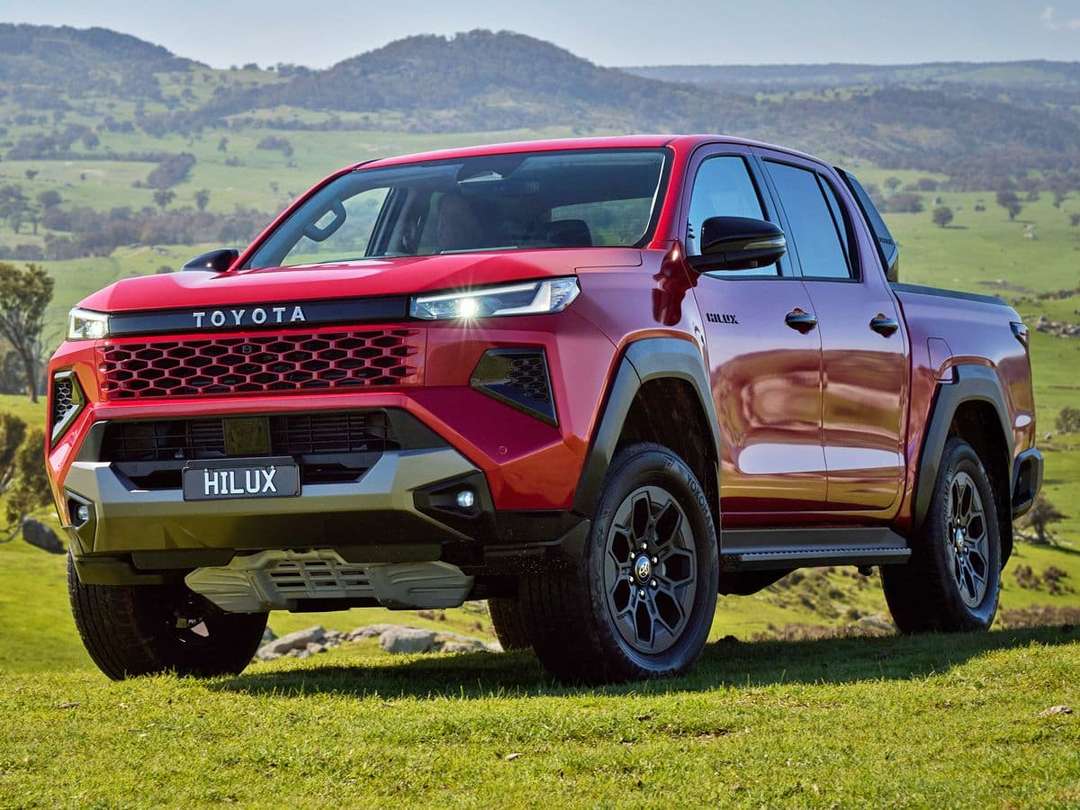
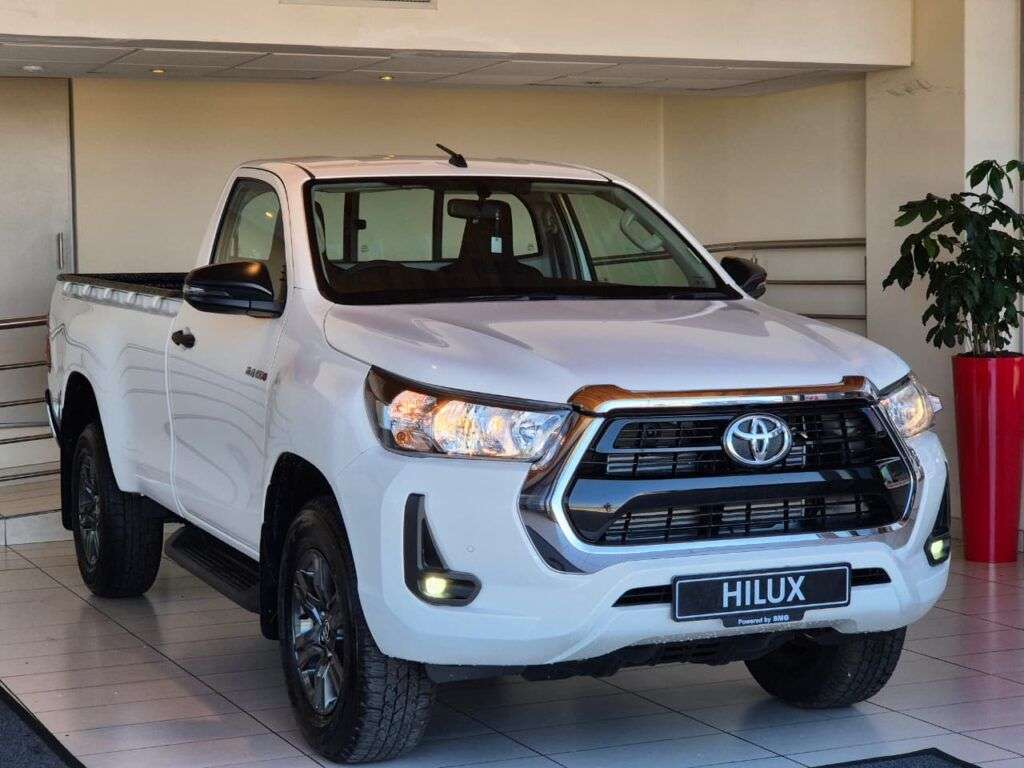
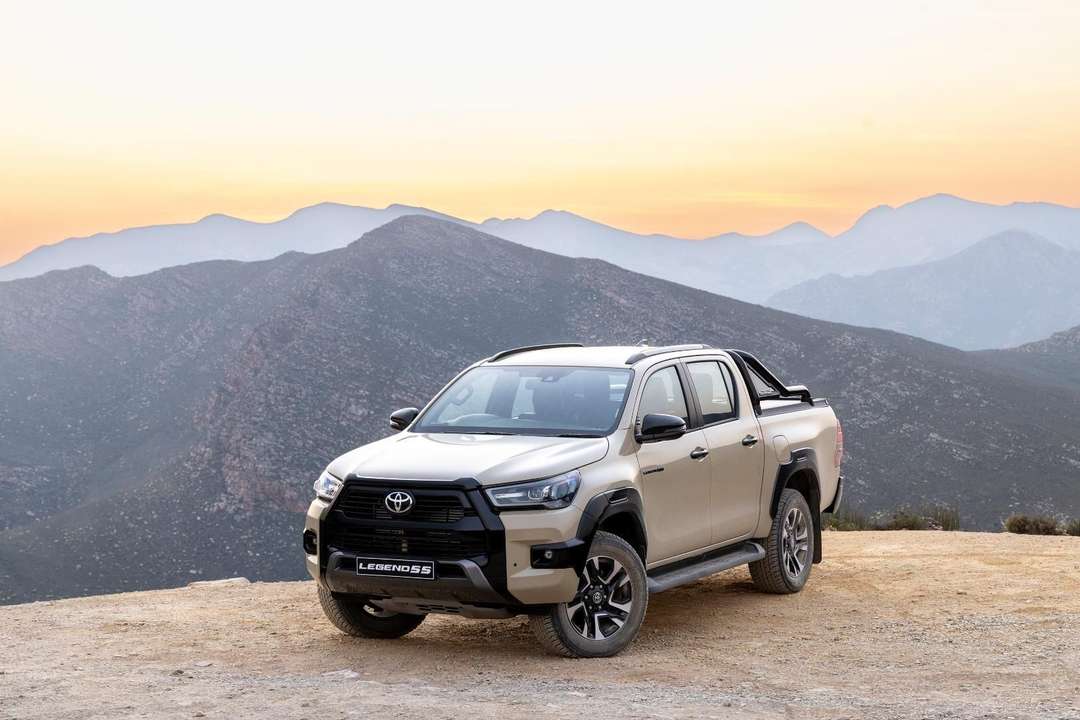
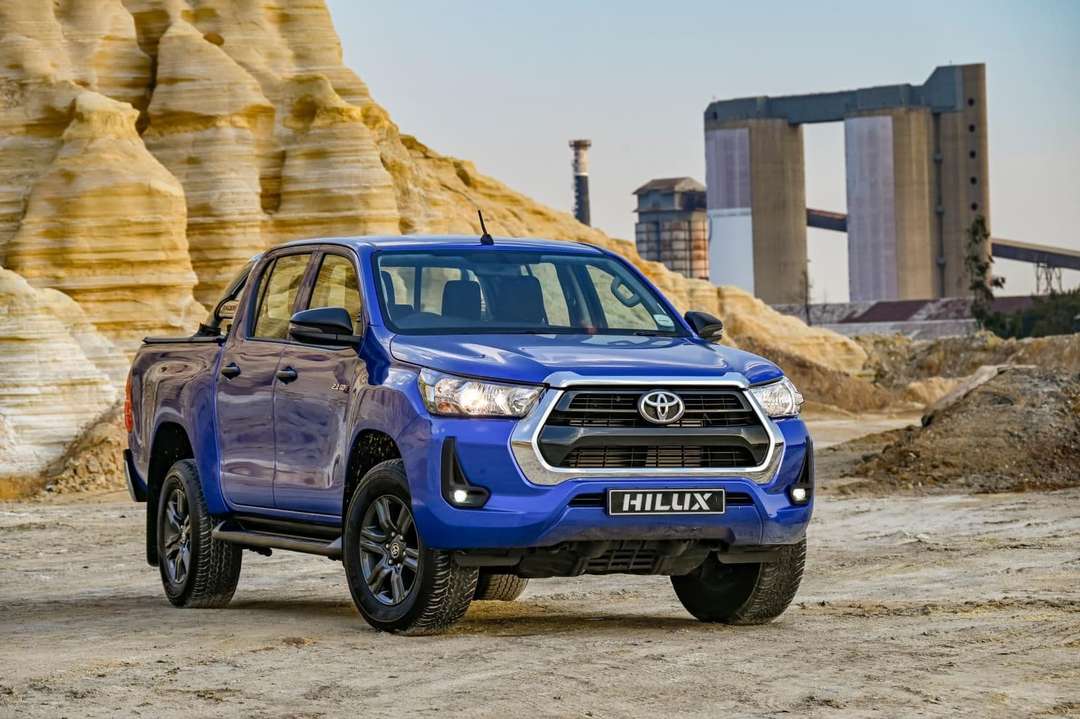
Hilux Raider sticks with the eighth-generation AN120/AN130 bones - since 2016, so you’ve seen this shape everywhere from the N3 to the back roads. Squared-off lines, a chunky grille, and that tall bonnet. Toyota’s tweaks keep it looking current enough. Four proper doors, a double cab silhouette, and a familiarity that still suits a Karoo sunrise.
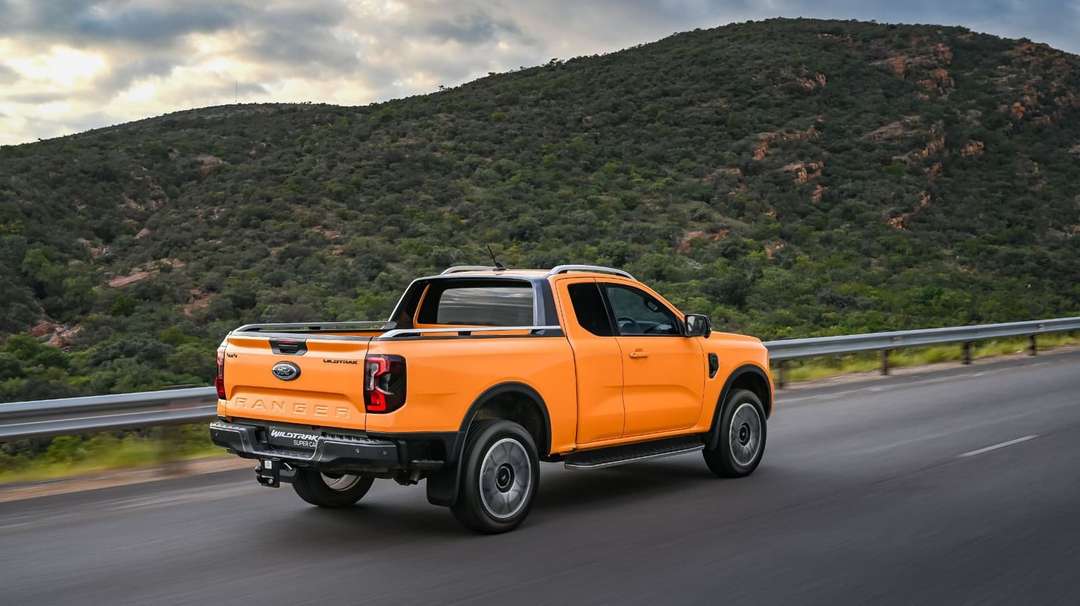
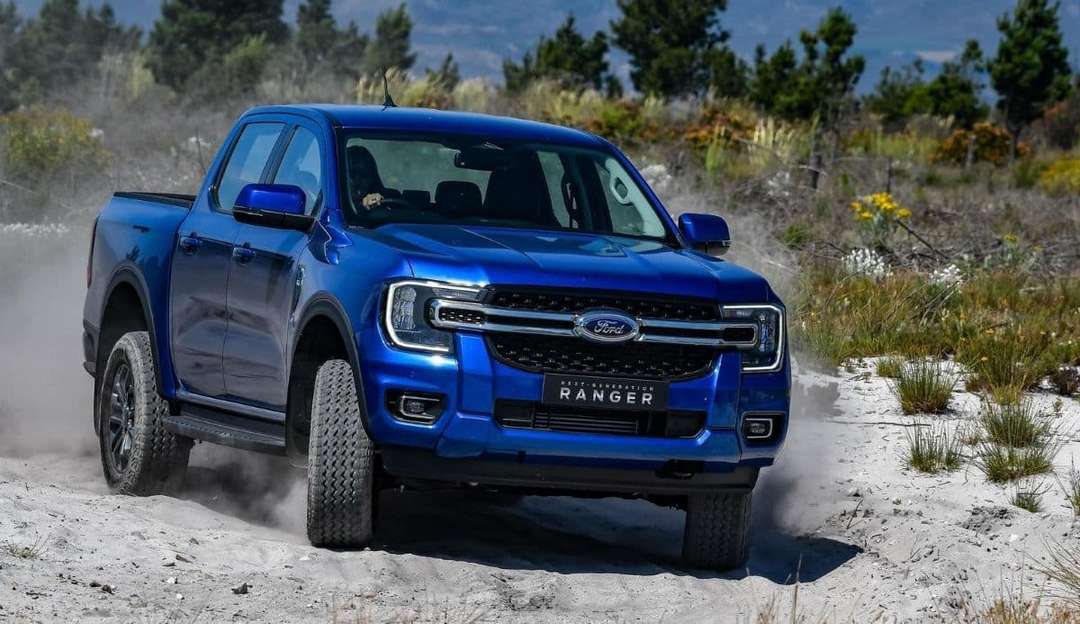
Ford’s Ranger XLT Super Cab is the new kid, at least visually. Built on the T6.2 chassis from 2023, it’s got those C-clamp LEDs and a bolder face. But - important detail - this XLT is a Super Cab: two main doors and rear-hinged half-doors (the ones that always get a comment from first-timers). So, not a straight-up Double Cab rival. It’s a worker’s bakkie with jump seats in the back, not a family limo.
SA road reality
Clearance is non-negotiable once you leave the tar on something like the R62, especially with a full load after the rain’s chewed up the surface. Both will get you through. Hilux is a bit narrower, which helps when you need to thread through pine plantations. Ranger’s load bin is wider - handy when I had to pick up a pallet of tiles. Colour options? The Hilux offers more earthy tones that blend in on a farm, while the Ranger’s bolder blues and oranges catch the eye but might feel dated before your third service.
Cabin & Practicality
Materials and tech
Here’s where the generational gap slaps you. Ranger’s interior is designed around a big, clear touchscreen - portrait on fancier trims, landscape in the XLT - and real physical climate controls. You get actual buttons, not those annoying touch panels. Wireless Apple CarPlay and Android Auto? Standard. USB-C ports? As many as you’d expect in a 2025 vehicle.
Hop into the Hilux, and it’s clear this is a last-gen setup. There’s an 8-inch touchscreen (finally with wireless CarPlay), and the JBL audio on higher trims is decent. But the reversing camera looks like it’s filmed through a potato, and you get just one USB-A up front. That’s less than ideal when both your phone and your passenger’s are USB-C. The gear selector still reminds me of the 2016 model - because it basically is.
Space and seating
- Hilux Raider Double Cab: Four proper doors, five real seats, ISOFIX on the outer rear spots, and actual legroom for adults in the back, plus a tween in the middle.
- Ranger XLT Super Cab: Two main doors, rear half-doors, four seats - those rear jump seats are for school bags or, at a push, kids on short trips. ISOFIX is on the rear bench.
- Load bin: Ranger fits a standard pallet between its wheel arches. Hilux doesn’t. Simple as that.
- Everyday use: Hilux is for families; Ranger Super Cab is for work crews and tools.
If you’re packing kids and car seats, Hilux wins. If you’re loading for jobs, Ranger makes more sense.
On the Road
Hilux: composed on gravel, firm on tar
I ran the Hilux Raider from Johannesburg out to a mate’s smallholding past Magaliesburg. Hit the dirt after Hekpoort, and the Hilux just gets on with it - rear leaf springs settle quickly, the steering doesn’t go vague, and there’s none of that back-end skips if you keep the pace up. The 2.8 diesel makes 130 kW and works with a six-speed auto that’s smoother than it was in 2017. Not urgent, but never out of breath.
Get back on tar, and you’ll notice that old-school, firm rear end. With nothing in the load bin, it hops over joints on the N1. Add 300 kilos - bags of compost, a few toolboxes - and it smooths out. That’s the compromise: built for payloads, not plushness. If you’re mostly solo and unladen, you’ll feel every bump.
Ranger: torquier and quieter
The Ranger’s 2.0 Bi-Turbo XLT puts out 154 kW via a 10-speed auto. You feel the extra grunt - overtaking trucks is a one-pedal affair. The gearbox can get a bit indecisive crawling through stop-start traffic, but once you’re up to speed, it settles into a tall gear, and the cabin is noticeably quieter than the Hilux.
Steering is a win for Ford. Lighter in tight parking, sharper once you’re at highway speeds, and the front end feels less truckish. The Hilux is a tool; the Ranger feels more like a car. For those doing more tar than gravel, that difference is real.
Specs & Ownership
Side-by-side comparison
| Spec | Toyota Hilux 2.8GD-6 Raider 4x4 (2025) | Ford Ranger 2.0 Bi-Turbo XLT 4x4 (2025) |
|---|---|---|
| Engine | 2.8L Diesel | 2.0L Bi-Turbo Diesel |
| Power (kW) | 130 | 154 |
| Gearbox | 6-speed automatic | 10-speed automatic |
| Drive | 4WD (2H/4H/4L) | 4WD |
| Doors/body | 4 / Double Cab | 2 + rear half-doors / Super Cab |
| Generation | 8th gen (AN120/AN130, since 2016) | 2nd gen T6.2 (P703/RA, since 2023) |
| Estimated 5-year TCO (ZAR) | R230 000 | R230 000 |
Running the numbers in real money
Look at five-year total ownership costs, and both end up around R230 000 - service, tyres, consumables, what you’ll lose to depreciation. Roughly even. Where it splits: residuals. Hilux has always kept a 3 to 5 percentage-point lead at the 36-month mark when you’re selling to Webuycars or trading at a dealer. Ford’s closed that gap a bit since the T6.2 came out, but Toyota’s still ahead.
Dealer network is a biggie. Toyota has about 220 outlets across SA - handy if you break down outside Kuruman. Ford’s network covers the big centres, but is thinner out in rural KZN or the Northern Cape. So, if you’re based in Sandton, you won’t care. If you’re farming near Douglas, you might.
Complexity? The Ranger’s 10-speed auto and twin-turbo 2.0 are clever, but there’s more to go wrong after 200 000 km than with the Hilux’s simpler 2.8 and six-speed. Both are pretty bulletproof these days, but it’s a factor if you keep your bakkie until the wheels fall off.
People Also Ask
Is the Ford Ranger more powerful than the Toyota Hilux?
Yes. The 2025 Ranger XLT’s twin-turbo 2.0L diesel makes 154 kW. The Hilux Raider’s 2.8L puts out 130 kW. That’s a big gap, and you’ll feel it on hills or during overtakes, but the Hilux’s bigger engine is more relaxed when towing heavy loads on the freeway.
Which is better for long-distance SA driving, Hilux or Ranger?
The Ranger is the better tar cruiser - quieter, more gears, comfier ride on the N3. But the Hilux comes alive when you leave the asphalt. If your regular commute is between Joburg and Cape Town, Ranger. If you’re running gravel to a farm near Vryburg most weekends, Hilux.
Does the Toyota Hilux still hold its value better than the Ford Ranger?
Yes, although the difference is smaller now. Hilux typically keeps 3 to 5 percentage points more of its price after three years. The latest Ranger is better than before, but Toyota’s brand and that dealer's reach still put it in front.
Is the Ranger Super Cab a fair comparison to the Hilux Double Cab?
If you’re carrying the family, not really. Ranger Super Cab is for those who mostly use the front seats and just need the rear jump seats for short trips. The Hilux Double Cab gives you five proper seats and four doors. For work and tools, Super Cab; for kids and car seats, Double Cab.
What about fuel consumption between the two?
Both sit around 8.0 to 10.0 L/100 km in real-world SA driving. Ranger’s 2.0 is slightly thriftier on the open road; Hilux’s 2.8 does better under load and towing. Expect mid-9s for daily commutes, and up to 14 L/100 km towing a 1.8-tonne trailer.
Which bakkie is cheaper to service in South Africa?
Service costs are close - both land at about R230 000 over five years, including wear items and depreciation. Toyota’s 220-dealer network makes life easier if you’re rural. Ford’s 2.0 Bi-Turbo can cost more for out-of-warranty parts, but intervals and standard plan coverage are similar.
Verdict
Hilux vs Ranger: pick by use case
Choose the Hilux 2.8GD-6 Raider if you need proper family space, drive gravel often, value better resale, or live far from a big city and count on Toyota’s dealer network. Don’t expect it to be plush on tar unless you’re regularly hauling heavy loads - otherwise, that stiff rear will get old fast.
Choose the Ranger 2.0 Bi-Turbo XLT Super Cab if you’re a tradesman, fleet buyer or someone who prioritises tech, better steering, and a work-friendly load bin. The 207 hp/10-speed combo is simply nicer for long highway hauls, and the cabin is more livable day to day. It’s what the Ranger should have been from the start.
For pure value, Ranger XLT usually comes in cheaper than a similarly-specced Hilux, with more kit straight off the floor. Hilux claws it back at trade-in. The five-year ownership cost? A dead heat at R230 000, so it’s really about your needs.
The wait scenario
Ninth-gen Hilux is looming - Toyota’s shown the direction, and Prospecton will build it soon. If you can hang on another year, you’ll get a new interior, more USB-C, and likely a mild-hybrid option. Ranger T6.2 is in its stride - no big changes coming soon - so don’t hold off buying a Ranger if it’s the right fit.
After spending a week with both, my advice is simple: look at how you actually use your bakkie. If most of your mileage is between Sandton and Pretoria on tar, go Ranger. If you’re on gravel a third of the time or you tow regularly, Hilux is still the one that earns its keep - and the resale premium proves it...
Summary
Comparing the 2025 Toyota Hilux 2.8GD-6 Double Cab 4x4 Raider Auto to the 2025 Ford Ranger 2.0 Bi-Turbo XLT Super Cab 4x4 is a rite of passage for South African bakkie buyers. This is the heavyweight contest—old-school Toyota confidence versus Ford’s tech-forward approach—covering not just design an