Toyota Hilux 2.8 GD-6 Raider/Legend (2016) Review
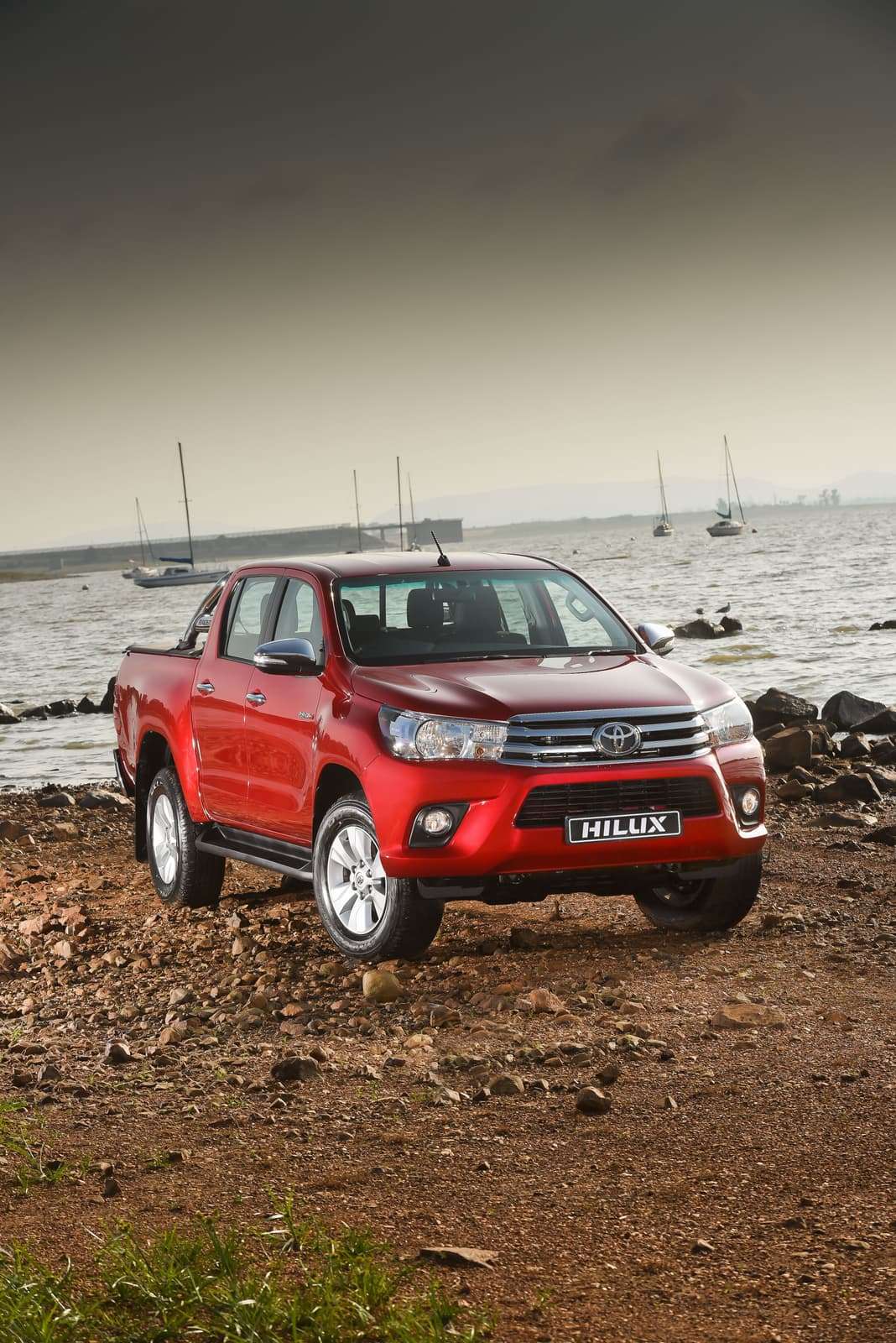
A dependable workhorse with strong resale, held back by tight service intervals and early DPF trouble that punishes buyers who skip the diagnostic scan.
Introduction
If you're shopping for a used Toyota Hilux 2.8 GD-6 in South Africa, it's still one of the safest buys in the bakkie market. The sweet spot is a post-2020 model with a full service history, a clean diagnostic report and clear signs that it has been properly looked after. The Hilux commands a premium, but it's usually for good reason.
The catch is that not every used Toyota Hilux 2.8 GD-6 deserves its asking price. Be wary of examples that have spent years doing short urban trips or have a patchy maintenance record. A strong reputation doesn't make a neglected bakkie a good buy, and at these prices, condition matters just as much as the badge on the grille.
Key takeaway: Buy a post-2020 GD-6 with proof of regular highway use and full service history. Treat cheap, town-driven early builds with real caution.
Design & Exterior
The Toyota Hilux 2.8 GD-6 first arrived in South Africa in 2016, and it's aged remarkably well. The biggest update came in 2020, bringing fresh styling, improved equipment and a handful of refinements that make it the sweet spot for used buyers. If your budget allows, that's the model year I'd be looking at first.
Pre-2020 versus post-2020 looks
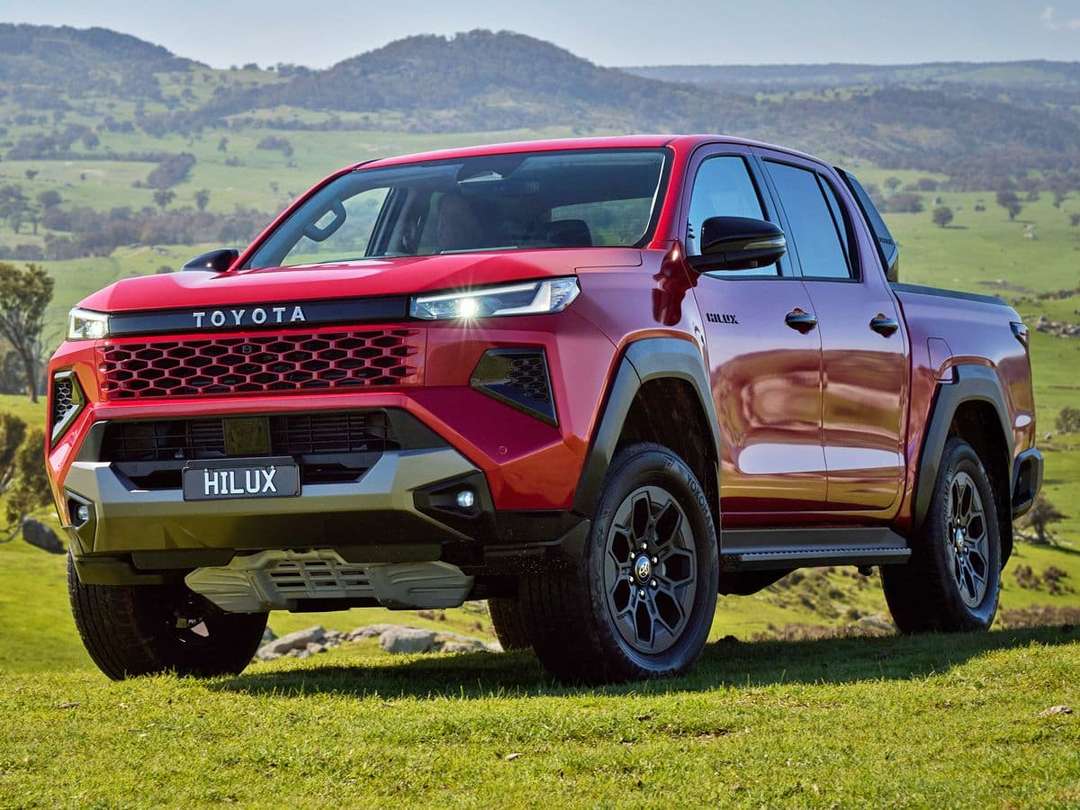
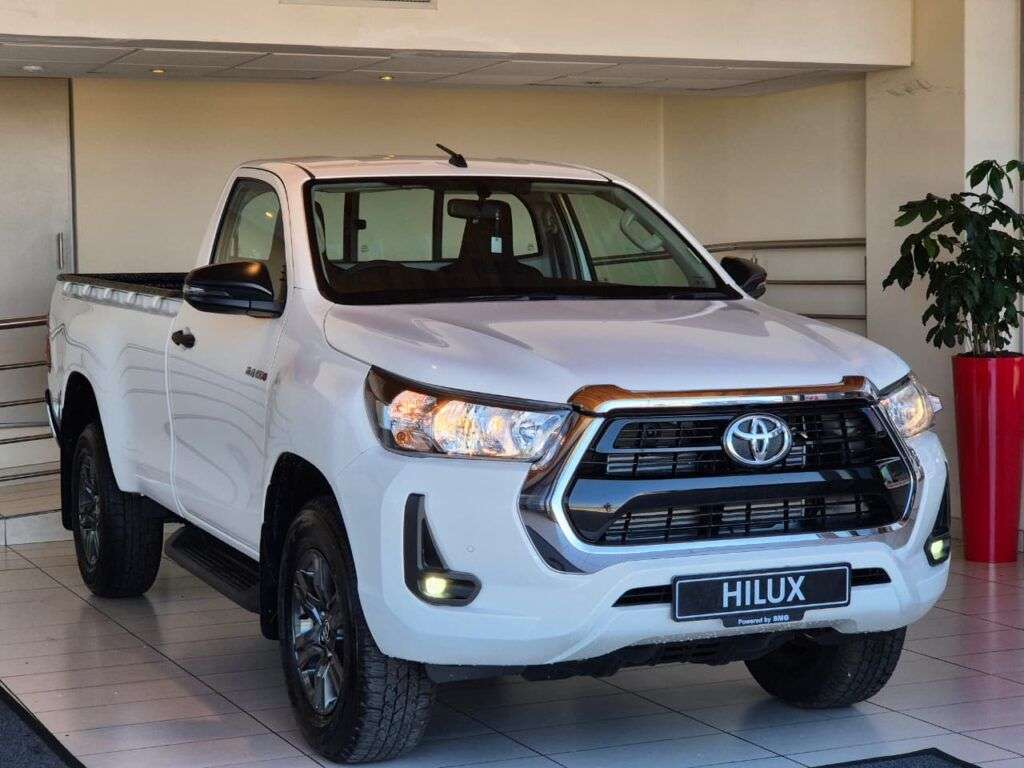
Early versions have a narrower grille and slimmer bumper, while the 2020 update introduced the broad, blocky nose now associated with the Hilux. That newer face still carries weight on used forecourts, including large groups such as Motus Toyota, and helps support stronger asking prices.
Stance and clearance
With 289mm of ground clearance, the double cab has enough height for deeply rutted Limpopo gravel without looking comically overdone. Raider specification brings alloys and side steps; Legend adds chrome and darker detailing. None of it feels especially delicate or fashion-led. Good news for resale.
Cabin & Practicality
Climb aboard, and you’ll find an honest cabin rather than a luxurious one. It was designed to tolerate work boots, dust and years of hard use, which most examples manage surprisingly well.
Materials and controls
One thing Toyota got absolutely right is sticking with physical buttons for the climate controls and drive modes. When you're bouncing along a corrugated gravel road, they're far easier to use than digging through touchscreen menus. The cabin isn't flashy, but it's built to take abuse. The plastics are tough, while Legend models lift the ambience with nicer trim and softer touchpoints. It's still a Hilux, though, not a luxury SUV.
Space and everyday use
- Seats: 5, with a rear bench that accommodates three adults on the school run but feels cramped during a long Durban-to-Joburg trip.
- ISOFIX: mounted on the outer rear seats, standard across double cabs.
- Load bay: the double-cab tub accepts building rubble, camping equipment or a fridge without fuss.
- Fuel tank: 80 litres, giving useful touring range between filling stops on the N1.
If you pack smart, one double cab can cover family transport during the week and hard graft over the weekend. That versatility explains much of its local appeal.
On the Road
Outputs of 130kW and 450Nm tell only part of the story. Low-down torque is what gives the GD-6 its easy-going character.
Engine and gearbox
Peak pull arrives early, allowing the six-speed automatic to hold gears instead of constantly hunting. Claimed 0-100km/h is 10.7 seconds, while our test vehicle managed an estimated 10.9 seconds on the R21 at altitude. The standard 150kW-era auto has also recorded figures around the official number in instrumented testing. Properly quick? No. Relaxed and capable with a loaded trailer on Van Reenen’s Pass? Absolutely.
Ride and refinement
Drive the Toyota Hilux 2.8 GD-6 with an empty load bin and you'll notice the familiar leaf-spring bounce over broken tar and sharp bumps. Add a bit of weight to the back, though, and the ride settles down nicely. It's also a surprisingly relaxed cruiser. I measured 69 dB inside the cabin at 120 km/h, making long-distance trips on the N3 easy without the diesel becoming intrusive.
Real-world economy
Toyota claims 8.7 L/100km. Take that as an open-road target, not a daily guarantee.
- Claimed: 8.7 L/100km combined.
- Mixed town use: independent testing commonly landed nearer 10 L/100km.
- Observed test return: 9.8 L/100km over a mixed route including the R21 and stop-start urban running.
- CO2: 229 g/km, reflecting the age of this diesel package.
At the claimed figure, the 80-litre tank suggests roughly 919km before reserve; nearer 10 L/100km, think about 800km. That credibility gap matters, because a bakkie used only for short urban journeys is also more likely to suffer a clogged particulate filter. Fuel use and maintenance history are closely linked here.
Data & Comparison
Across 181 listings, the average asking sits at R625 799. Prices stretch from R319 900 for a high-mileage 2016 to R1 092 500 for a loaded 2025 flagship, so year and condition make a very large difference.
Used Toyota Hilux price bands by year
| Model year | Listings | Median asking (ZAR) | Range (ZAR) |
|---|---|---|---|
| 2016 | 13 | R399 000 | R319 900 - R499 900 |
| 2018 | 12 | R411 892 | R347 739 - R569 950 |
| 2020 | 10 | R489 900 | R439 950 - R639 900 |
| 2022 | 21 | R639 900 | R449 000 - R764 175 |
| 2024 | 18 | R739 900 | R569 950 - R1 029 950 |
| 2025 | 23 | R829 900 | R724 900 - R1 092 500 |
Predictable depreciation is part of the Hilux appeal. Values soften steadily rather than falling off a cliff.
Residuals and ownership
- 3-year residual estimate: around R291 062, which explains the Hilux resale story better than a glossy brochure ever could.
- 5-year TCO estimate: roughly R230 000, before accounting for its tighter service cadence.
How it stacks against rivals
| Spec | Hilux 2.8 GD-6 | Ford Ranger 2.0 Bi-Turbo | Isuzu D-Max 3.0 |
|---|---|---|---|
| Torque | 500Nm | 500Nm | 450Nm |
| Service interval | 10 000km | 15 000km | 15 000km |
| Resale strength | Strongest | Strong | Moderate |
| Dealer/parts reach | Widest in SA | Wide | Narrower |
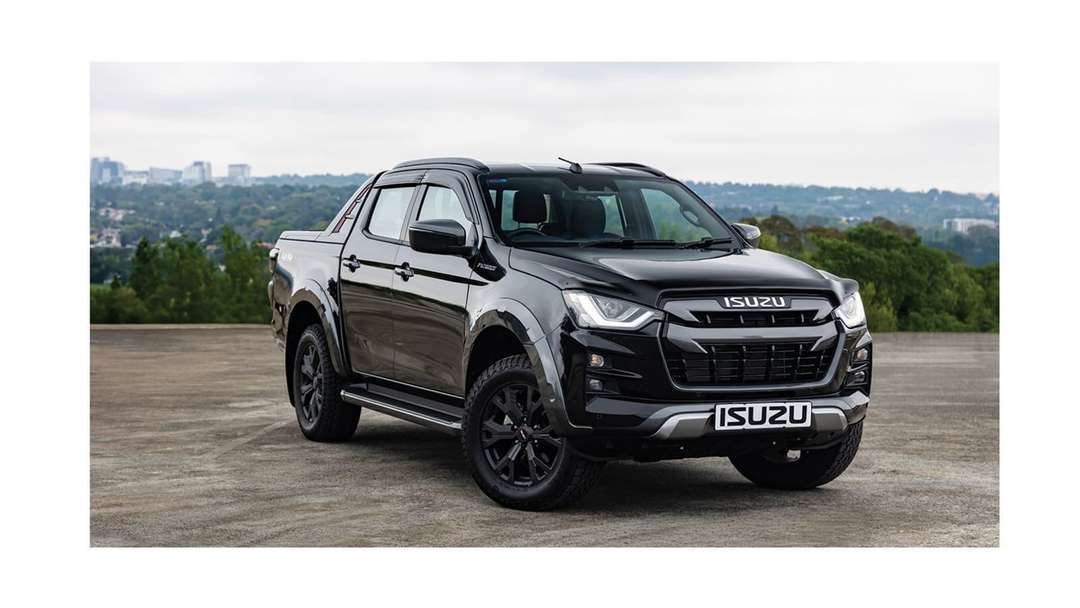
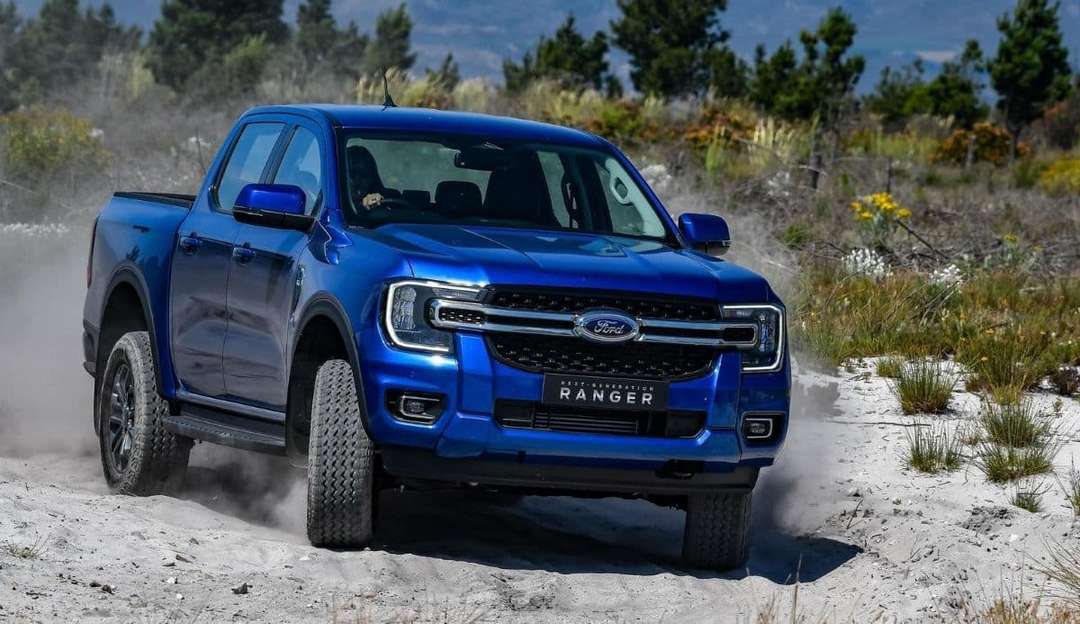
Against the Hilux, the D-Max often costs less and carries a longer warranty, while the Ranger feels more polished in everyday use. Toyota answers with stronger residuals and exceptional parts availability, whether you’re visiting an independent workshop or a major dealer chain.
Editorial Focus
Here’s the useful bit: a year-by-year verdict based on the listing data and the recurring 2.8 GD-6 problems seen in South African workshops.
The GD-6 fault list you must inspect for
Six issues appear repeatedly. DPF clogging on town-driven trucks is the big one, followed by injector wear from poor-quality diesel, sticking VNT turbo actuators, EGR carbon build-up, oil dilution after failed regenerations and timing-chain rattle on early pre-mid-2017 units. A successful Australian class action involving the identical 1GD engine linked the DPF defect to builds roughly between October 2015 and April 2020. Toyota’s response, including a dashboard manual-regeneration button and redesigned injector housing, arrived around 2020.
Service plan and history
Toyota’s Hilux plan covers nine services over 90 000km at 10 000km intervals, a tighter schedule than rivals using a 15 000km cadence. There’s no time limit, only distance, which can benefit low-mileage used buyers. Confirm the remaining services and warranty cover in writing before paying a premium.
Carwow-style verdict tier by year
- 2016-2017: Consider. Cheapest entry (from R319 900), but also the highest DPF and timing-chain risk. Buy only with immaculate highway-use history.
- 2018-2019: Shortlist. Better resolved, although still inside the class-action window. Insist on a diagnostic scan.
One reason to wait is Toyota’s 48V mild-hybrid Hilux rollout, which may push facelifted examples closer to used-buyer budgets. Don’t confuse it with an EV or plug-in hybrid: there’s no DC-charging speed or buyer-selectable battery-size option. It remains a diesel bakkie with electrical assistance.
Safety rating
ANCAP · tested 2025
★★★★★ 5/5 adult occupant
Australian-market RHD rating — indicative for SA only where the SA derivative matches the tested safety spec (airbags/ESC/AEB). Official factsheet.
Summary
A practical used-buyer’s guide to the Toyota Hilux 2.8 GD-6 Raider and Legend (2016 onward), covering South African prices, known faults, service-plan status and the model years worth chasing.