Isuzu KB 250 D-TEQ HO HI RIDER P/U D/C (2018) Review
- A genuinely good working bakkie, let down only by its safety kit and a heavy clutch. Still, that’s the point: it’s a tool, and it’s priced and built like one.
Summary
Here’s the real-world Isuzu KB 250 D-TEQ HO HI RIDER P/U D/C review South Africa needs: a straightforward look at the sixth-generation KB double cab 4x2, aimed squarely at buyers who want a workhorse, not a poseur. If you’re scanning classifieds for your next used bakkie in 2025, don’t get distracted by lifestyle trinkets. The KB 250 Hi-Rider is about honest value and actual usefulness - something the isuzu kb review crowd sometimes forgets. Let’s cut through the noise.
Introduction
Right, so you want a no-nonsense double cab that you can trust to do the job, not just look tough at Builders Warehouse. The Isuzu KB 250 D-TEQ HO Hi-Rider Double Cab 4x2 nails that brief. That 2.5-litre diesel? Properly proven, if the Isuzu KB service plan South Africa record is spotless. New, the D-Max has taken over, but used KBs hit the sweet spot: family space, payload for work, and prices that undercut a Hilux or Ranger every time. Here’s where it shines, where it stumbles, and what you must check before you sign those Isuzu KB finance South Africa papers.
Key takeaway: A used KB 250 HO Hi-Rider is the smart choice for those who want durability and low drama. But if the service history is patchy, walk away - these bakkies reward care, not neglect.
Design & Exterior
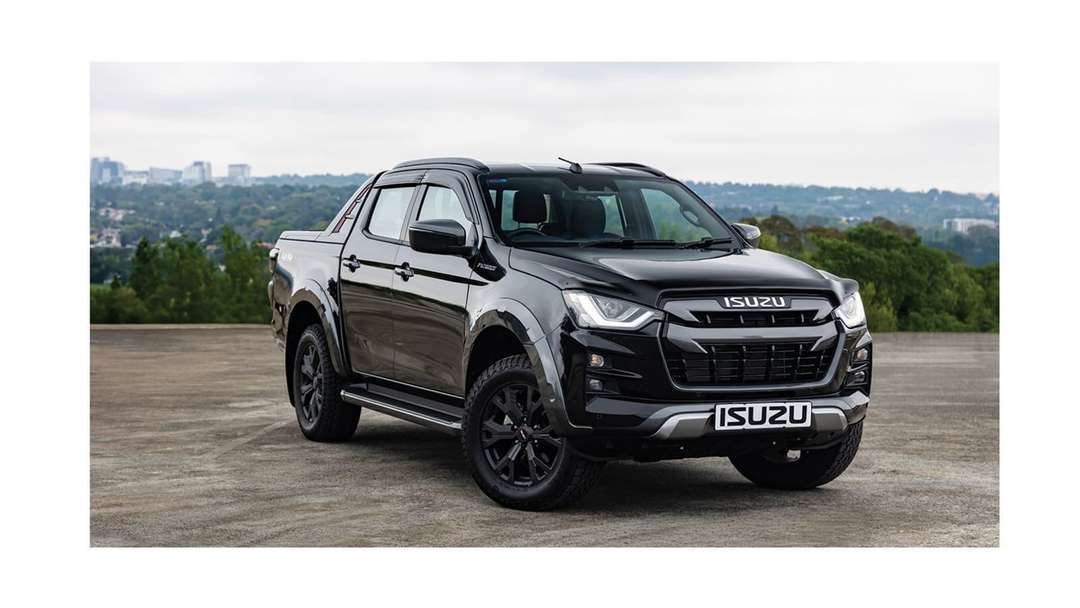
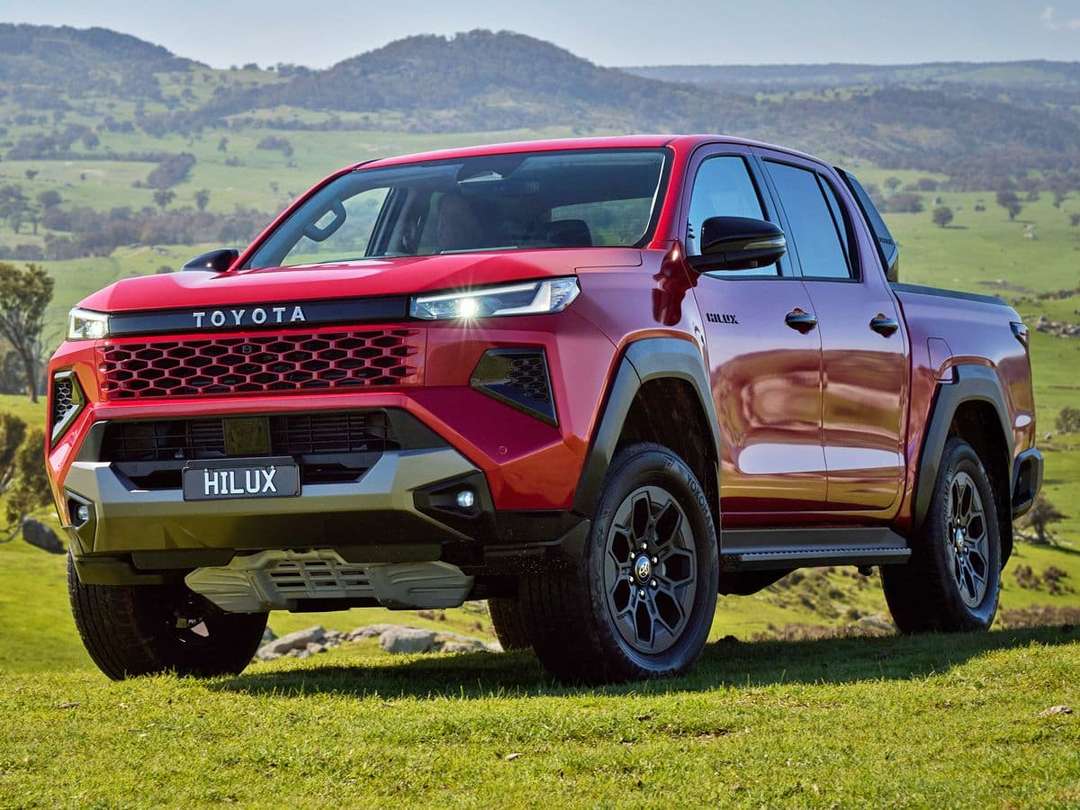
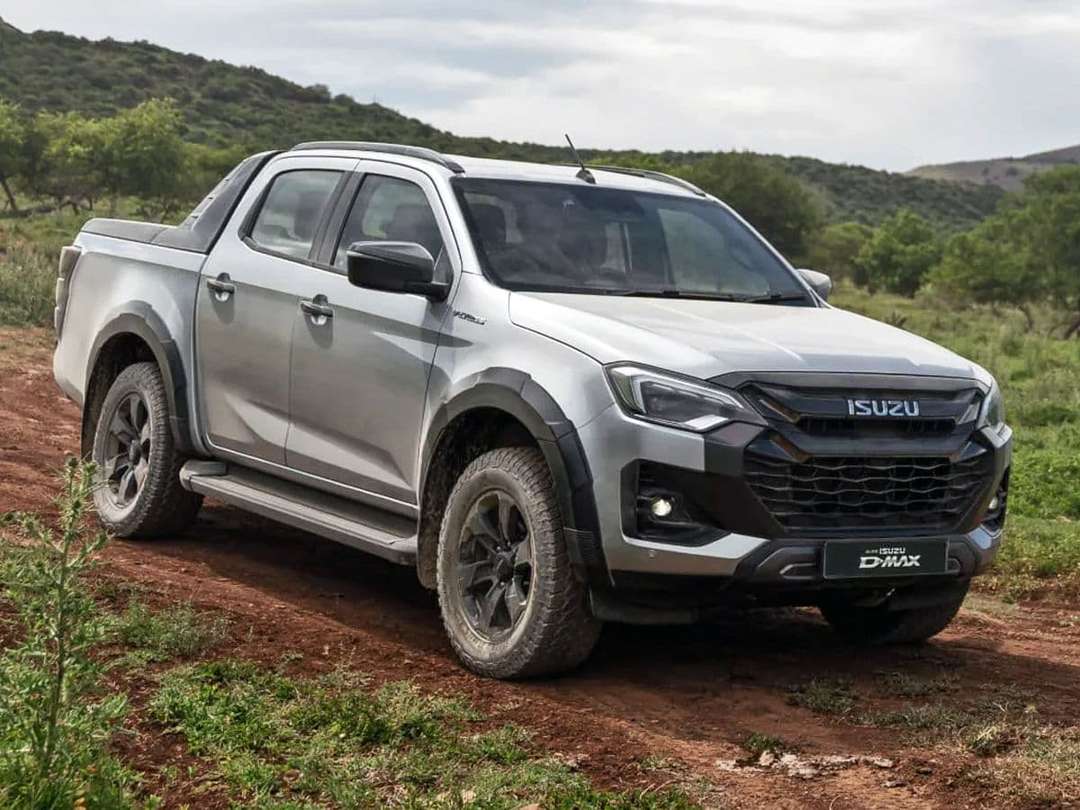
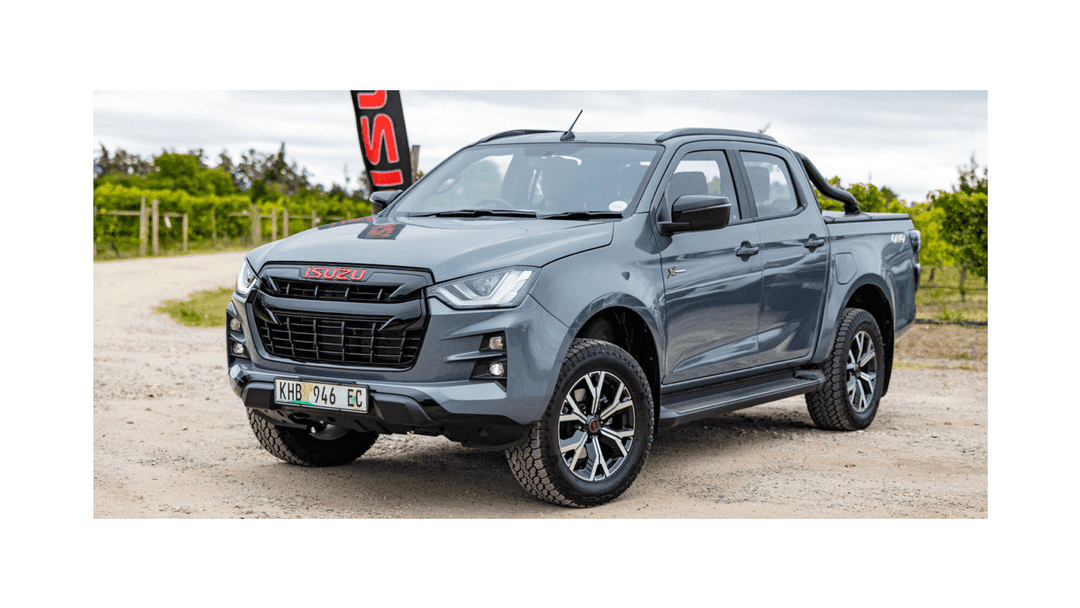
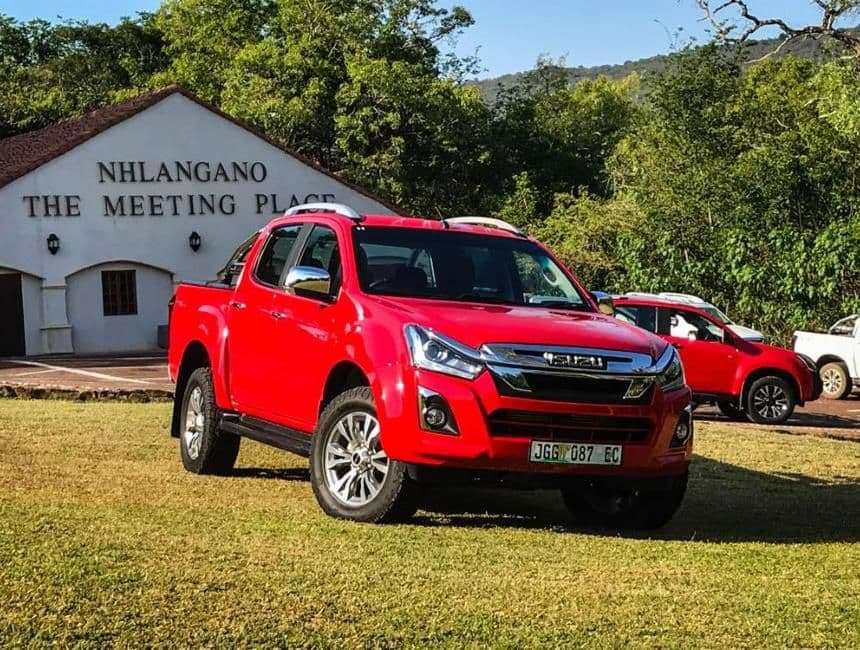
Stack the KB next to a new Ranger or Hilux GD-6 and you’ll spot the difference instantly. No fake muscles or ridiculous grilles here. The KB is slab-sided, upright, and quietly confident. It’s built for work, not Instagram. That’s why so many are still hauling loads up the N3 or bouncing down gravel outside Potch.
Hi-Rider means you get useful ground clearance - enough for rough farm tracks, but not 4x4 high. At 5310 mm long, 1860 mm wide, and 1790 mm tall, the KB fits snugly into the double cab segment. On its 17-inch wheels, it never looks out of place, even when squeezing into a Checkers Hyper parking bay or towing a trailer to the Vaal.
Where it sits in the segment
This is the sixth-gen KB (2013-2019). HO is High Output on the 2.5-litre 4JK1-TCX diesel. Hi-Rider gives you the raised body and stance, but skips the 4x4 complexity. That recipe still makes sense for most buyers who need gravel ability, not rock-crawling fantasy. Isuzu double cab prices South Africa installment deals tend to reflect that practical approach.
Cabin & Practicality
Step inside and there’s no apology. Hard-wearing plastics, chunky switches, and a steering wheel that wouldn’t look out of place in an old Corolla. It’s not fancy, but you can stomp in with muddy boots or dump a week’s worth of N12 dust in the glovebox and nothing will break. This is not a bakkie that pretends to be an SUV.
Two airbags, ABS, ESC, brake assist, and traction control. By 2025, that’s just enough. Compare it to a Hilux Raider or Ranger XL with more airbags and the Isuzu does fall short - so if you want all the latest safety kit, look elsewhere. But the basics are well-covered for most real-world use.
Seating and storage
Five seats, four doors. The rear bench will take two adults and a kid in the middle, no moaning, even on a trip from Joburg to Bloem. Storage is straightforward: 1-litre bottles fit in the doors, centre bin swallows the essentials, and the cup holders don’t tip rooibos all over the gear lever.
- Doors: 4
- Seats: 5
- Overall length: 5310 mm
- Overall width: 1860 mm
- Overall height: 1790 mm
But yes, the load bay is the main event. Payload sits at roughly one tonne - enough for cement, a quad bike, and a week's groceries from Makro, if you pack smart. Tie-down points are actually usable, not just there for marketing photos.
On the Road
Isuzu’s 2.5-litre diesel sends out 100 kW at 3600 rpm and 320 Nm from 1800 to 2800 rpm. On paper at least, that lags behind the bi-turbo brigade, but the way it delivers torque is what matters. Around town, it pulls from 1700 rpm, but you’ll notice a lag below that - worse on the Highveld than down at the coast. Once the turbo is awake, progress is easy. There’s only a five-speed manual and the clutch is heavy. In stop-start M1 traffic, your left leg will get a workout.
Ride and handling
Drive it empty and you’ll feel every bump. Throw 300 kg of sandbags in the back and things calm down - normal bakkie behaviour. Once, out near Dullstroom, I took the Hi-Rider on a rutted gravel road. At speed, it tracked straight and felt stable, but on a muddy uphill with no load, the 4x2 spun up the rears and I had to call a passing farmer with a tractor. Some lessons you learn the muddy way.
Highway behaviour
Sit at 120 km/h on the N1 between Centurion and Polokwane and you’ll get more road noise than a modern Ranger, but it’s still quieter than early D-TEQs. Fifth gear is tall enough - the engine ticks over at 2200 rpm. That’s the sweet spot for Isuzu KB fuel consumption in real-world South Africa conditions.
Data & Comparison
Isuzu claims 7.7 L/100km combined, but living with one you’ll see 9 to 9.5 L/100km in real mixed use. On a long, gentle highway run, 7.7 L/100km (about 13 km/l) is possible, but don’t bank on it if you’re towing or carrying a load. That’s a 17–22% gap from brochure to reality. Still, it’s what you’d expect from a bakkie in this league.
| Spec | Isuzu KB 250 HO Hi-Rider 4x2 | Toyota Hilux 2.4 GD-6 Raider 4x2 | Ford Ranger 2.2 XL 4x2 |
|---|---|---|---|
| Power | 100 kW | 110 kW | 118 kW |
| Torque | 320 Nm | 400 Nm | 385 Nm |
| Claimed combined | 7.7 L/100km | 7.6 L/100km | 7.5 L/100km |
| Transmission (as tested) | 5-speed manual | 6-speed manual | 6-speed manual |
| Drive | RWD | RWD | RWD |
Ownership maths
Five years in, you’re looking at a total cost around R407 100 including services, tyres, insurance, and real-world fuel. Service intervals sit at 15 000 km, so you’re not always at a dealer. Insurance for this shape is often under R900 a month unless you’re parked in a smash-and-grab zone. Isuzu double cab prices South Africa automatic versions carry a small premium, but the manual Hi-Rider offers better value if you don’t mind shifting for yourself.
Isuzu KB 200 problems and issues to watch for
The KB’s reputation for reliability is well-earned, but even these can bite. Here’s what to check, according to independent techs and recurring isuzu kb 200 problems:
- Suction Control Valve (SCV) failure: Causes hard starts and rough running. Cheap to fix if caught early, expensive if ignored.
- Hot-start issues: Often just glow plug wiring - cheap, but a pain if missed.
- Injector damage after head work: If the cylinder head has ever been off, check the paperwork. If it’s missing, walk away.
- Brake switch faults: Will trip limp mode and kill cruise control. Easy to spot on a test drive.
- Gearbox linkage wear: If shifts feel loose, budget for some repair work.
- Fuel consumption creep: If you’re seeing 10 L/100km or more with no load, the injectors or fuel system may need attention.
With good care, the 4JK1-TCX engine goes 500 000 km. When new, the KB came with a five-year/90 000 km service plan and five-year/120 000 km warranty, but most 2018s are out of plan now. Get a specialist inspection before you commit. It’s just good sense.
How the KB fits into the used market
Bakkie demand in South Africa isn’t slowing down. Segment scores stick in the 62–66 region, proving working double cabs are still hot property. Resale is strong, and if you can drive manual, you’ll get more bakkie for your money versus the auto variants, especially with isuzu double cab prices South Africa installment deals.
Isuzu KB versus the big two
It’s always a three-way fight: Isuzu KB, Hilux, Ranger. Toyota wins on dealer spread and resale, but the KB offers simpler tech, fewer headaches, and often an 8–15% price edge over a Hilux with similar age and mileage. For cash buyers, or if you’re running the maths as a small business, that difference is real money.
People Also Ask
What is the real-world fuel consumption of the Isuzu KB 250 D-TEQ?
Expect 9 to 9.5 L/100km in mixed driving, compared to the official 7.7 L/100km claim. On a gentle highway trip, 7.7 L/100km (about 13 km/l) is possible, but city and stop-start traffic - especially at altitude - will push that higher.
Is the Isuzu KB 250 reliable?
The 2.5-litre 4JK1-TCX diesel is famous for durability. Well-kept KBs will pass 500 000 km with ease. The 15 000 km service interval is longer than most rivals, but always check for SCV, glow plug wiring, and brake switch issues - easy fixes if caught early.
How much payload can the KB 250 Hi-Rider carry?
About one tonne in the 4x2 Hi-Rider. That’s right on the money for the segment. Braked towing capacity is 2100 kg - enough for a quad, a small boat, or a box trailer, but less than the big bi-turbo rivals can manage.
Should I buy a 2018 KB 250 in 2025?
If the service history is watertight and there’s no evidence of head work, yes - provided you’re happy with only two airbags. Walk away from bakkies with hot-start or shifting issues unless the price covers fixing them.
What's the difference between Hi-Rider and 4x4 KB models?
Hi-Rider has the raised chassis and 224 mm clearance, but only rear-wheel drive. No transfer case or front diff. That means less weight, lower maintenance, and more than enough ability for 90% of SA gravel and dirt roads.
Does the KB 250 have enough power for towing and the Highveld?
100 kW and 320 Nm is modest by new-bakkie standards. At the coast, it’s fine for a 1 500 kg trailer. On the Highveld, you’ll need to use the gears and plan overtakes, since turbo lag under 1700 rpm is noticeable. Don’t expect Ranger bi-turbo pace - but that’s not the point here.
Verdict
If you want a bakkie that’s honest, durable, and doesn’t pretend to be an SUV, the Isuzu KB 250 D-TEQ HO Hi-Rider deserves your attention. It’s what the KB should have been from the start: tough, simple, and cheaper to run than most rivals, especially with its 15 000 km service intervals and lower used price. If you need all the airbags, a touchscreen, or a fancy auto box, look elsewhere - D-Max, maybe, or a new Ranger. But for real work and real value, the Hi-Rider is hard to fault. Wait for a clean one with a full history. They don’t hang around long when they pop up…
Rating
7.5 / 10 - A proper working bakkie, held back only by basic safety kit and a heavy clutch. Still, that’s the point: it’s a tool, and it’s priced and built like one.
Summary
A no-nonsense review of the Isuzu KB 250 D-TEQ HO Hi-Rider Double Cab 4x2 - sixth-generation, and aimed right at South Africans who actually use their bakkies for work. If you're eyeing the used double-cab market in 2025 and want a proper workhorse (not a lifestyle SUV in disguise), this one's for y