Isuzu MU-X vs Toyota Fortuner (2025)

Let’s call it. Go Isuzu MU-X if you’re a long-term family owner who wants a softer ride, quieter cabin, and longer warranty. The 2025 update finally turns it into a proper rival, not just a value pick.
Introduction
Right, so if you’re asking whether the Isuzu mu-X or the Toyota Fortuner question, here’s the quick answer. The 2026 Isuzu MU-X is the pick for families who tow, rack up Karoo mileage, and want the comfort of a longer warranty. The Fortuner? That’s for the buyer who needs a dealer in every dorpie and the best resale numbers you’ll find in this segment. Both are built on bakkie bones, both take seven passengers, and both have their own quirks. After real time on Gauteng’s cratered feeder roads and a solid stint on the N1 north of Kroonstad, I can tell you the difference isn’t just paperwork – it’s how they feel when you live with them.
Key takeaway: Isuzu MU-X for value and warranty, Fortuner for resale and dealer backup. Choose based on how long you’re really keeping your car.
Design & Exterior
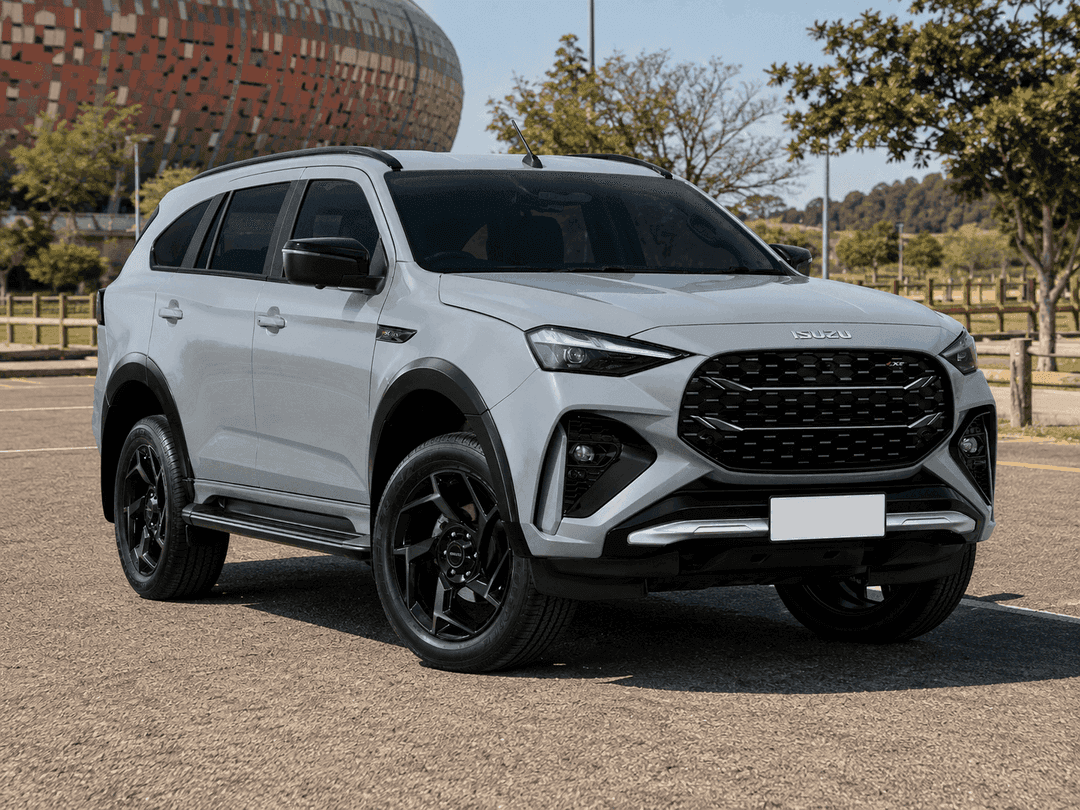
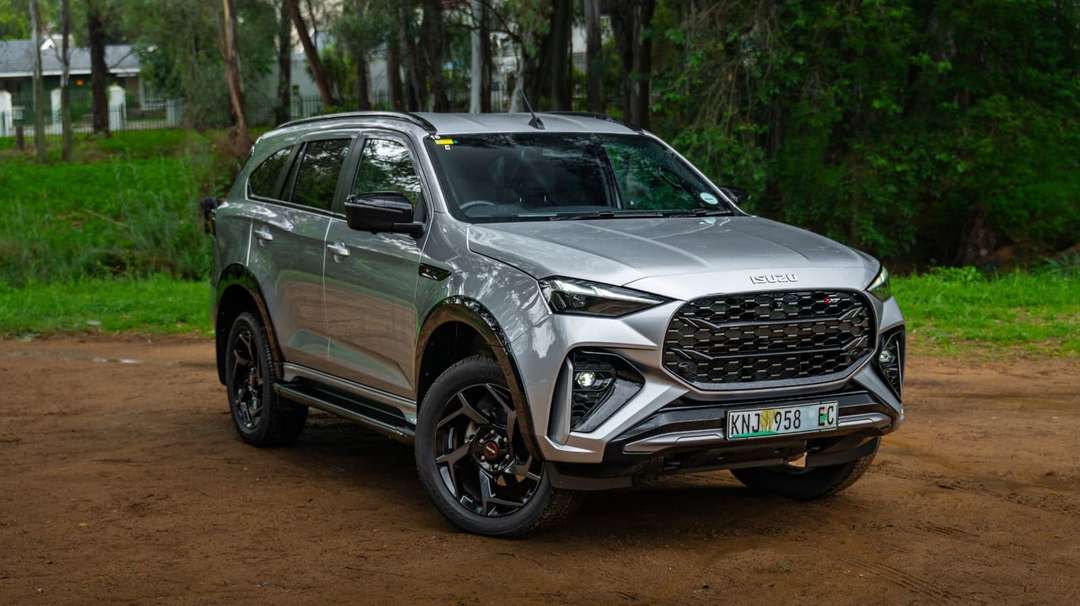
Isuzu gave the MU-X a much-needed facelift: sharper nose, slimmer LEDs, and most of the shiny bits swapped for satin black. It finally looks like its own thing, not just a D-Max with a third row bolted on. At 4860 mm long and 1870 mm wide, riding a 2855 mm wheelbase, the MU-X is the bigger wagon on paper, and it feels it when you’re threading it into a Checkers parkade on a Saturday morning.
Stance and presence
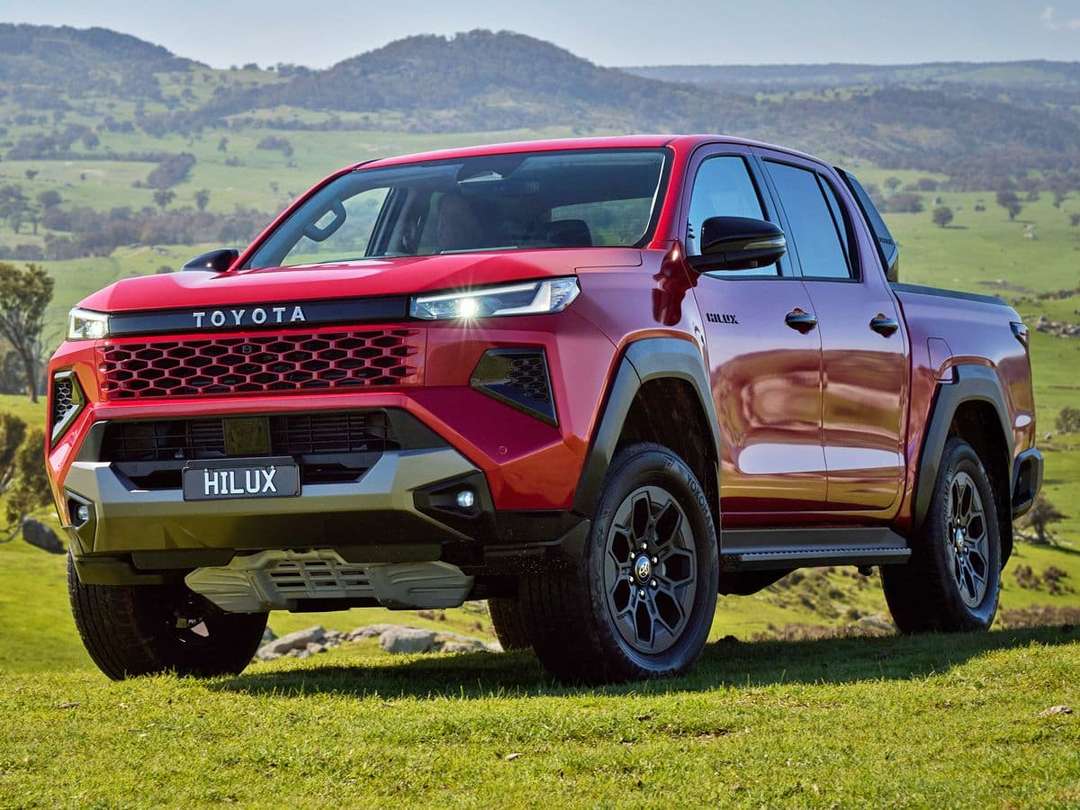
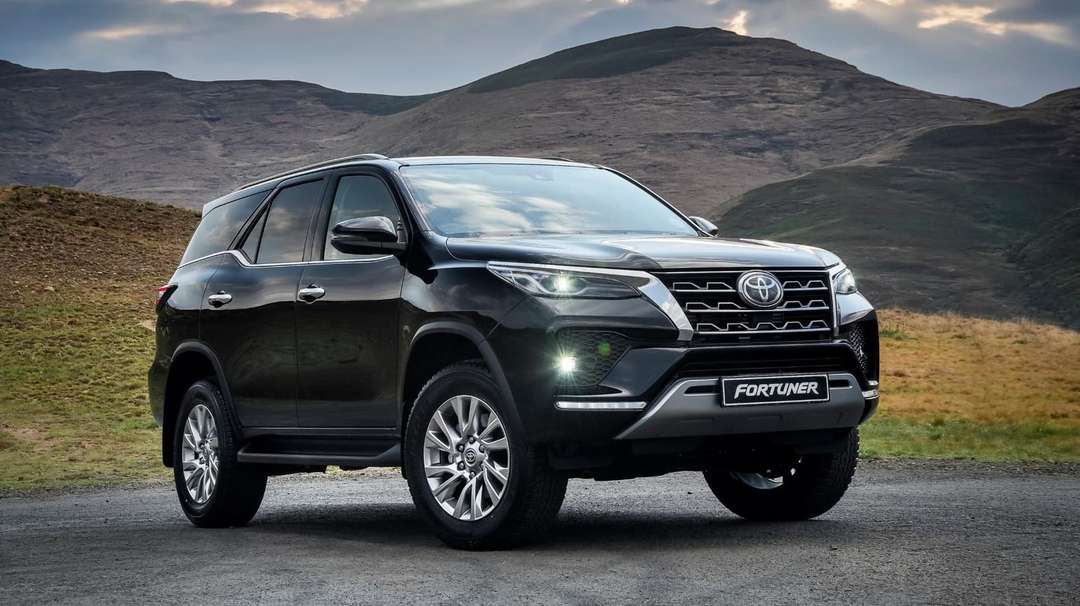
Fortuner is shorter at 4795 mm, narrower at 1855 mm, but stands 1835 mm tall – that’s 20 mm taller than the MU-X – so it looms in the rear-view mirror, especially for Polo drivers. Toyota’s facelifted nose, all squared LEDs and gloss black, still shouts more loudly for attention. The MU-X is subtler, looks less like a bakkie in drag, and that’s the point. It’s finally SUV-first.
SA road realities
Forget about badge status – ground clearance is king here. Both clear Sandton retail park speed bumps without scraping and shrug off the battered edges. The MU-X’s longer wheelbase does make it slightly more likely to catch its belly on steep Northcliff driveways – ask me, I’ve heard the crunch. Toyota offers more metallic paint options via its massive dealer network, which matters if you’re fussy, but Isuzu’s Mineral White and Obsidian Grey look upmarket without trying too hard.
Cabin & Practicality
This is where the contest gets interesting, and not always in ways you’d expect.
Materials and dash design
Isuzu’s update brings a new dash, a bigger touchscreen, and softer door tops. Still not posh, but miles better. That gloss black around the gear lever? Fingerprint magnet, honestly. Toyota’s cabin, even post-2020 facelift, feels stuck in the old Hilux era: harder plastics, smaller screen, and a layout that screams last decade.
Infotainment and physical controls
- Isuzu MU-X: Larger touchscreen, wireless Apple CarPlay and Android Auto in most specs, but no wireless charger on LS – silly omission.
- Toyota Fortuner: Smaller display, wired smartphone integration, but more physical climate buttons. When it’s 2°C in Bloem and you’re wearing gloves, those buttons are worth their weight.
Space and seven-seat reality
Both seat seven. The MU-X’s stretched wheelbase means better second-row legroom, and the third row can genuinely haul adults for short trips. Fortuner’s bench still folds up against the sides, stealing boot space when you’re packing for a hike. If you pack smart, the MU-X will swallow more. ISOFIX is on the outer second row for both – a non-negotiable for families these days.
Winner per category
- Materials: Isuzu MU-X.
- Infotainment usability: Isuzu MU-X.
- Physical controls: Toyota Fortuner.
- Third-row practicality: Isuzu MU-X.
- Build feel and rattle resistance: Toyota Fortuner by a hair.
On the Road
Here’s where the personalities really split.
Isuzu MU-X 3.0 Ddi on tar
The 3.0-litre turbodiesel puts out 140 kW and 450 Nm through a 6-speed auto. Those new, bigger 32 mm damper pistons are not marketing fluff – they make a difference. On the R21 between OR Tambo and Centurion, the MU-X is flat and composed over joints that would have unsettled the old model. Engine is all about lazy torque, not drama. The gearbox wants to keep revs down, so don’t expect urgency when you floor it. Steering’s light and a bit vague, and the turning circle is so wide I found myself reversing twice into a Woolworths parking spot. My best trip computer reading between Joburg and Harrismith was 8.9 L/100km at 120 km/h. That’s impressively close to the 8.3 L/100km claim.
Toyota Fortuner 2.8 GD-6 on tar
The Fortuner’s 2.8-litre four makes a claimed 500 Nm, also via a 6-speed auto. It feels livelier in the 1600 to 2400 rpm range – exactly where you need grunt for overtakes on the N3. The trade-off? More diesel clatter, and the ride is firmer at low speeds. On a Midrand-to-Vaal run, the steering felt more direct than in the MU-X, but over patched Gauteng tar, the secondary ride was choppier. The gearbox is more eager to drop a gear, which helps at altitude, especially on Van Reenen’s Pass, where the MU-X’s slightly lower outputs can feel laboured.
Off the tar
Both are part-time 4WD, and both have low range. Isuzu throws in a standard rear diff lock on higher trims, plus a Rough Terrain Mode that actually works. Toyota matches the hardware and brings its reputation for calibration. On gravel between Dullstroom and Lydenburg, either is up for it, but Fortuner’s steering feedback inspires more confidence when you’re pressing on over corrugations.
Specs & Ownership
Side-by-side comparison table
| Specification | Isuzu MU-X 3.0 Ddi 4x4 | Toyota Fortuner 2.8 GD-6 4x4 |
|---|---|---|
| Engine | 3.0 Ddi diesel | 2.8 GD-6 diesel |
| Power | 140 kW | 150 kW |
| Torque | 450 Nm | 500 Nm |
| Gearbox | 6-speed automatic | 6-speed automatic |
| Drive | 4x4 part-time | 4x4 part-time |
| Combined fuel consumption | 8.3 L/100km | Not in the supplied spec |
| Urban fuel consumption | 10.3 L/100km | Not in the supplied spec |
| Length | 4860 mm | 4795 mm |
| Width | 1870 mm | 1855 mm |
| Height | 1815 mm | 1835 mm |
| Seats | 7 | 7 |
| Kerb weight | 2140 kg | Not in the supplied spec |
| Wheelbase | 2855 mm | Not in the supplied spec |
| Estimated 5-year TCO | R420,900 | R230,000 |
TCO and the long view
Here’s where the Fortuner makes its argument for long-termers. The estimated 5-year total cost of ownership is much lower for the Fortuner: R230,000 versus the MU-X’s R420,900. Toyota’s dealer footprint is vast – if you need a part replaced in Upington on a Saturday, you’ll find help. Isuzu can’t match that, but it does offer a longer warranty and service plan, easing costs for the first four years. On paper, at least, MU-X is less stressful in the warranty window. After that, Toyota’s network and resale start to swing the maths.
Verdict
Let’s call it.
Go for the Isuzu MU-X if you’re a long-term family owner who wants a softer ride, quieter cabin, and longer warranty. The 2025 update finally turns it into a proper rival, not just a value pick. It’s what the MU-X should have been from the start.
Choose the Toyota Fortuner if you’re in a remote area, change cars every three years, or prioritise resale. The 2025 Fortuner is the safest financial bet over five years, purely thanks to Toyota SA’s unmatched network and used-car demand. The drive is busier, the cabin is dated, but buyers trust the badge for a reason.
For the comfort seeker: MU-X, for its improved ride and quieter cabin.
Wait if: a next-generation Fortuner is due within 18 months, likely with hybrid power and a new platform. If you can, hold out – it could reset the whole segment.
After a full week with both in Gauteng and down the N3 to KZN, I’d personally pick the 2025 MU-X for my family. The daily ride and cabin trump the resale spreadsheet, for me. Still, if you went for a Fortuner, I get it – that badge is still the one to beat in SA, and the MU-X is only just starting to catch up…
Summary
Let’s get stuck in: here’s a straight-up comparison of the 2025 Isuzu MU-X 3.0 Ddi LS 4x4 and the Toyota Fortuner 2.8 GD-6 4x4, written for South Africans who actually live with these cars. Design, everyday cabin use, gravel confidence, running costs, and what they’re genuinely worth in the real wor