Kia Sportage vs Hyundai Tucson (2025)

After a week with both, I’d still pick the Kia diesel for myself - my work runs to Mahikeng and back twice monthly, and a PHEV just doesn’t add up.
Introduction
Look, the Kia Sportage vs Hyundai Tucson South African debate has never felt more split. If your life is mostly Joburg-to-Durban dashes and you want diesel economy minus the German badge flex, stick with the Kia Sportage. But if you're parking under Jacarandas in Sandton or Cape Town suburbs, make short trips, and have a home charger, the Hyundai Tucson PHEV lets you skip the Engen queue most weeks. Each car has a brief. Your lifestyle will pick the winner for you.
Key takeaway: Kia Sportage diesel is for the high-mileage pragmatist, while the Hyundai Tucson PHEV suits the city-based, home-charging crowd. Lifestyle trumps badge here.
Design & Exterior
Stance and presence
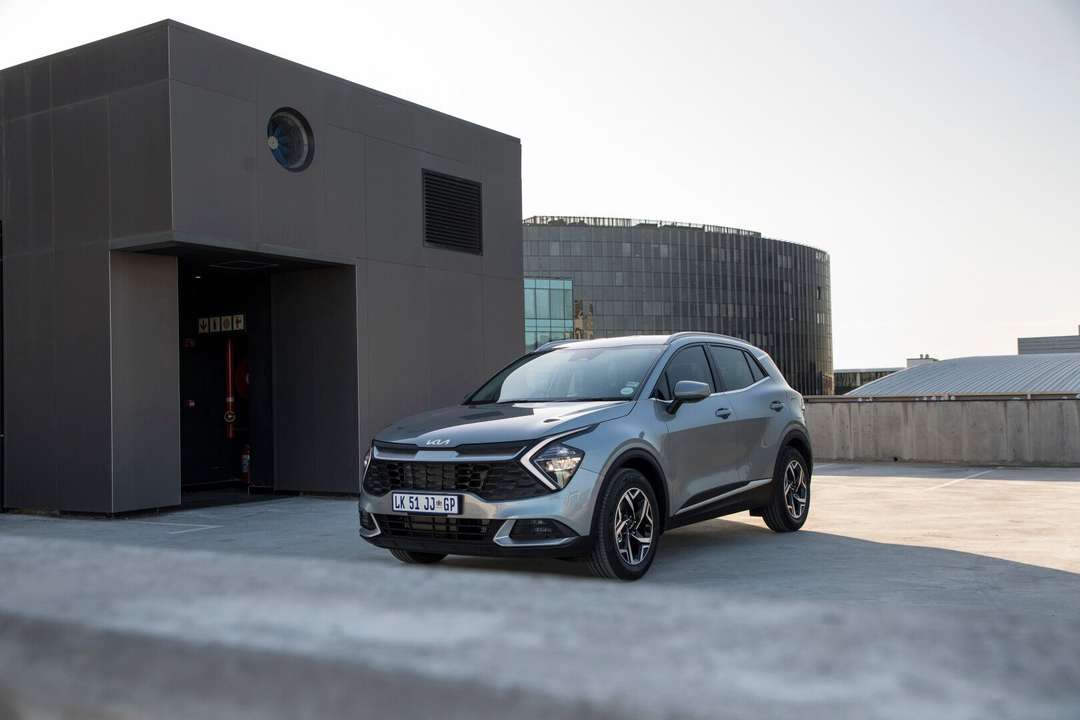
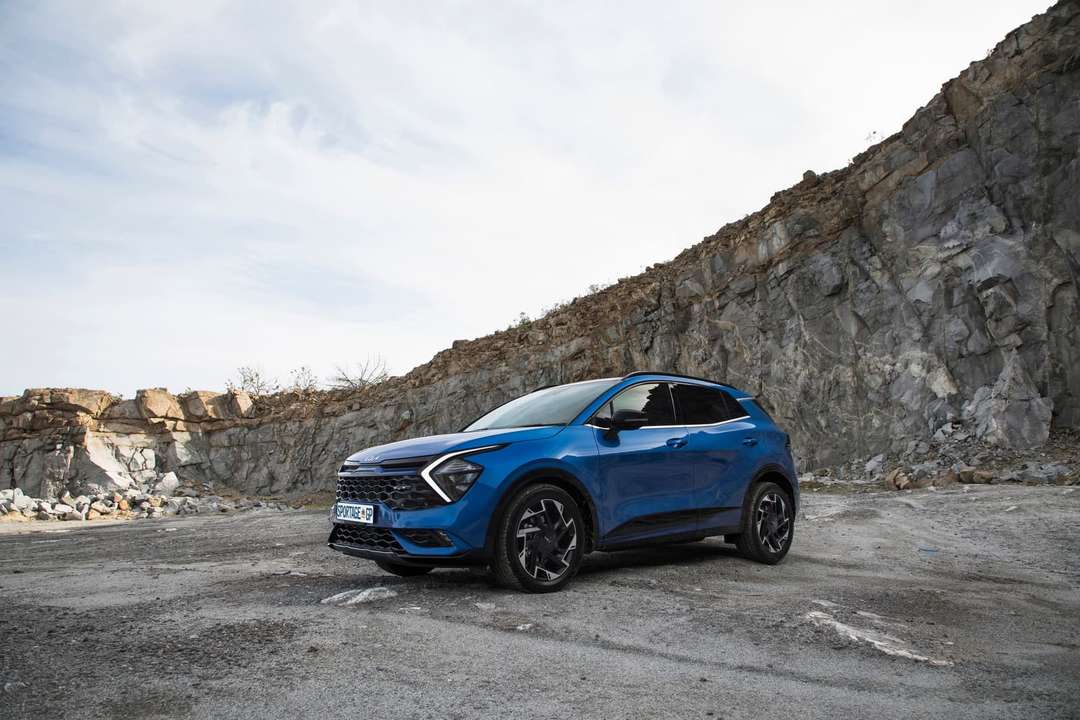
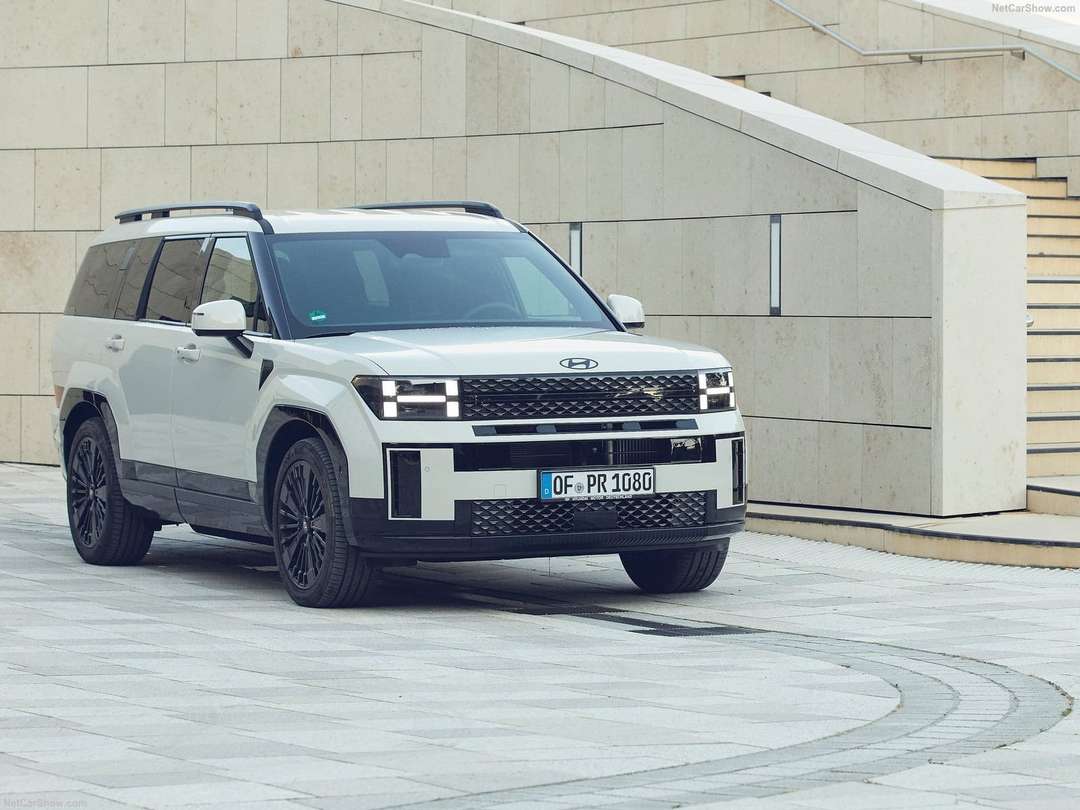
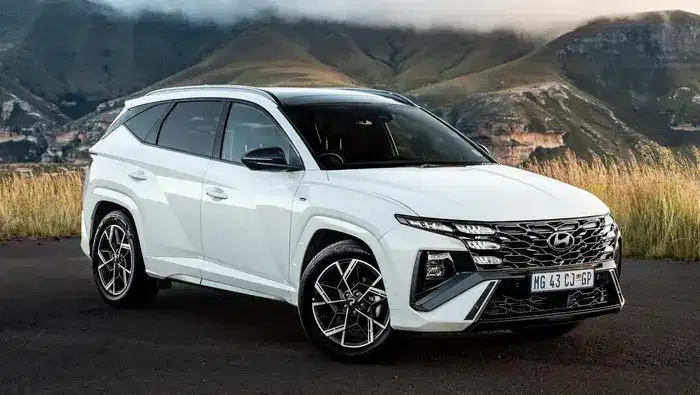
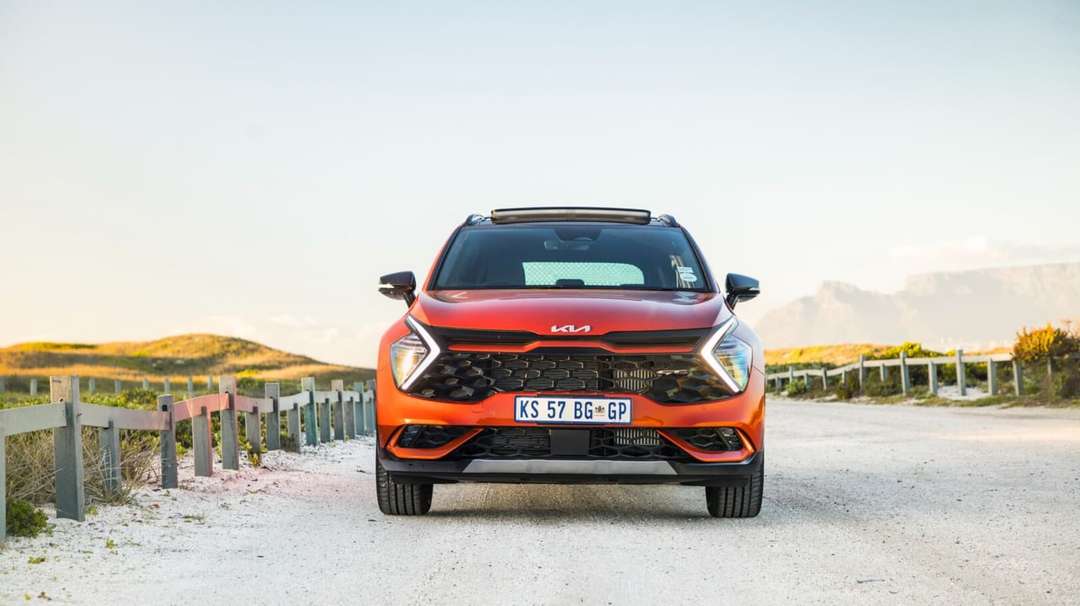
Let’s not tiptoe: the Kia Sportage’s NQ5 face is divisive. You’ll get stares at any N3 Engen thanks to those boomerang DRLs. Hyundai’s Tucson, on the other hand, feels more grown-up. Hidden lights, geometric grille - less shouty, more subtle. Dimensionally, they’re near twins: Kia at 4515 mm long, Hyundai stretching to 4525 mm. Both are 1865 mm wide and 1650 mm high, so you’re not gaining or losing space by tape measure.
SA road realities
Forget looks for a second. When you’re dodging potholes in Linden or tackling Umhlanga’s relentless speed humps, you care about ground clearance and tyre profile. Neither is built for Sani Pass gravel, and both are FWD only in these trims. Hyundai’s colours feel a touch more in tune with local tastes - Amazon Grey, Shimmering Silver - while the Kia demo cars in Fusion Orange seem to linger at Centurion showrooms.
Cabin & Practicality
Materials and dashboard architecture
Big split here. Kia Sportage LX keeps it honest with cloth seats, a smaller driver display, and sticks with physical climate controls. No curved twin-screen drama like the GT-Line, but you can change temperature without poking at a touchscreen. Hyundai Tucson’s facelift moved the other way: more features buried in the central display. You notice it at night on the R21 when you’re squinting for the demister - and that’s annoying.
Space, ISOFIX, boot
- Wheelbase: Hyundai Tucson comes in at 2680 mm. Kia’s isn’t in the supplied spec, but rear legroom feels much the same.
- Seats: Both seat five, both offer two ISOFIX anchors in the rear.
- Boot: Hyundai Tucson PHEV’s battery eats underfloor space; Kia diesel keeps a full-size spare, and you appreciate it somewhere between Mokopane and Polokwane.
- Kerb weight: Hyundai Tucson PHEV tips in at 1757 kg. Kia diesel is lighter, but no official figure listed.
Who wins? Kia for packing actual luggage and emergencies, Hyundai for touchscreen glitz and ambient lighting.
On the Road
Kia Sportage 1.6 CRDi LX
Here’s the thing: 100 kW, 320 Nm, and a 7-speed DCT that’s happier once you’re moving. I drove the Sportage from Bedfordview to Harrismith and back last winter; overtaking slow trucks outside Warden was a one-pedal affair. Off the mark, the gearbox sometimes pauses to think. But hit 120 km/h and the Kia just cruises - properly unbothered. Official fuel claim is 5.0 L/100km, but I saw 5.9 on that run. Still, if you pack smart and ease off the throttle, that’s believable.
Hyundai Tucson 1.6 T-GDI PHEV
Hyundai’s Tucson PHEV is a different beast. 134 kW, 265 Nm, and a claimed 0–100 km/h in 7.5 seconds. In EV mode through Sea Point, it’s whisper-quiet, and steering is light enough for stress-free parallel parking on Regent Road. Battery flat? The petrol four-pot takes over and, at 1.7 tonnes, it starts to feel thirsty. The official 2.7 L/100km figure? Only if you plug in religiously. I never got close in mixed mode - expect north of 6.5 L/100km if you’re lazy with charging. The 6-speed auto is slick in traffic but less sharp on passes like Du Toitskloof.
Specs & Ownership
| Spec | 2024 Kia Sportage 1.6 CRDi LX | 2025 Hyundai Tucson 1.6 T-GDI PHEV |
|---|---|---|
| Power | 100 kW | 134 kW |
| Torque | 320 Nm | 265 Nm |
| 0–100 km/h | Not published | 7.5 s |
| Combined fuel consumption | 5.0 L/100km | 2.7 L/100km |
| Gearbox | 7-speed automatic (DCT) | 6-speed automatic |
| Fuel type | Diesel | Petrol / electricity (PHEV) |
| Drive | FWD | FWD |
| Length / Width / Height | 4515 / 1865 / 1650 mm | 4525 / 1865 / 1650 mm |
| Kerb weight | Not published | 1757 kg |
| 5-year TCO (est.) | R345 000 | R238 100 |
Total cost of ownership
On the spreadsheet, the Tucson PHEV crushes it: R238 100 over five years, against the Kia’s R345 000. That R106 900 swing? It’s almost all down to fuel and wear items, and only makes sense if you’re charging at home on Eskom’s residential tariff. Live in a Rosebank flat without a dedicated bay? The maths unravels fast. Kia’s diesel is indifferent to where you park - every Sasol is a fill-up, from Beitbridge to Cape Agulhas. Both cars include 5-year service plans. Kia’s warranty is unlimited km for five years, Hyundai’s stretches to seven years or 200 000 km. Both are strong for local buyers.
Verdict
Kia Sportage: If you rack up 35 000 km a year, live in Bloem or Nelspruit, and just want diesel that doesn’t care where you park, this is your last sub-R700k diesel medium SUV. The range, the torque, and the ability to ignore load-shedding - it’s what the Sportage should have been all along, and that’s the point.
Hyundai Tucson: Go PHEV if you want silent school runs in Stellenbosch, have a wallbox, and cover less than 30 km a day. In Cape Town’s MyCiTi gridlock, the whisper-quiet Tucson is a pleasure, and the 7.5-second 0–100 km/h means it’ll always pip the Kia at the lights. That R238 100 five-year TCO? It undercuts the Kia by enough to cover a decent overseas holiday - only if you can plug in at home.
Wait if you’re hearing chatter about all-new Kia and Hyundai SUVs on the way within two years. A Sportage GT-Line hybrid is tipped for local launch, and Hyundai SA is hinting at a Tucson PHEV with more range.
After a week with both, I’d still pick the Kia diesel for myself - my work runs to Mahikeng and back twice monthly, and a PHEV just doesn’t add up. But when my sister in Pinelands asked, I told her straight: the Hyundai Tucson PHEV is the clever buy for her, and she agreed over coffee at Vida last weekend...
Summary
Here’s the real 2025 question for South Africans: diesel or plug-in? The 2024 Kia Sportage 1.6 CRDi LX takes the old-school long-haul route, while the 2025 Hyundai Tucson 1.6 T-GDI Plug-in Hybrid promises quiet, electric mornings if you’ve got a driveway and a wallbox. Same corporate umbrella, simil