Hyundai Creta vs Kia Sonet (2025)

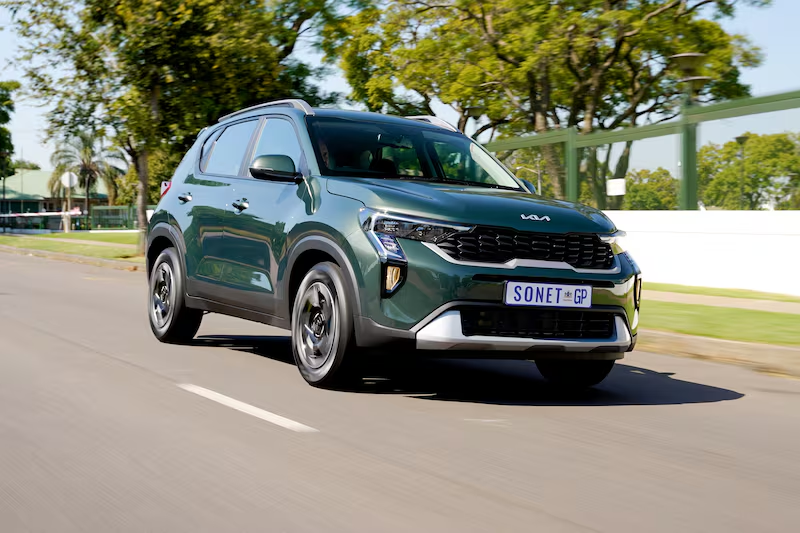
After a week shuttling both back-to-back, I’d take the Creta for my own use. Too many cross-country trips not to. But I’d put my younger sister in a Sonet without a second thought. Her car never leaves the city - and that’s the point.
Introduction
Let’s be honest: the Hyundai Creta and Kia Sonet are for different South Africans, even if they share a badge parent. The Creta stretches out for people who haul extra adults between Joburg and Bloemfontein, or just want space for a full boot on a family trip. Sonet’s your friend if life is mostly traffic light to traffic light in Durban or negotiating the compact madness of Cape Town’s city bowl. Both run a familiar 1.5-litre naturally aspirated petrol engine, both use CVT gearboxes, but their attitudes differ completely. So, the Hyundai Creta vs Kia Sonet? Depends on how you live and drive here.
Key takeaway: Creta is built for big mileage and big loads. Sonet’s all about city agility. Buy for your own daily grind, not the neighbour’s opinion from Dainfern.
Design & Exterior
Stance and proportions
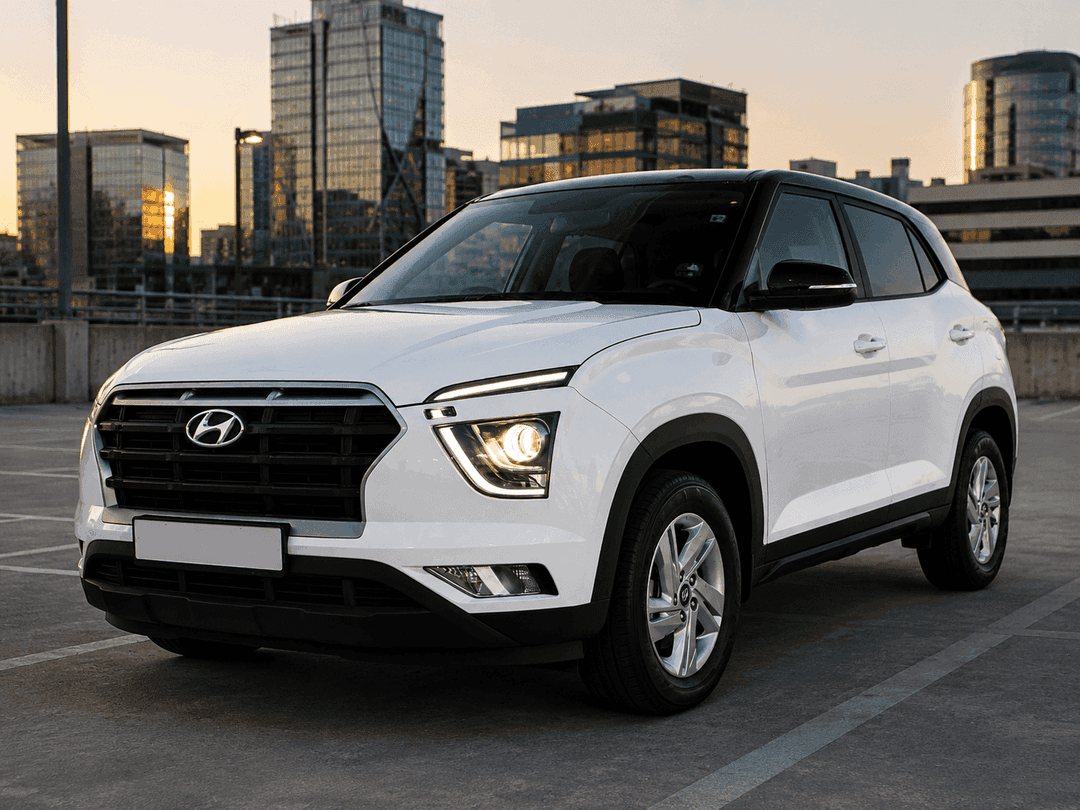
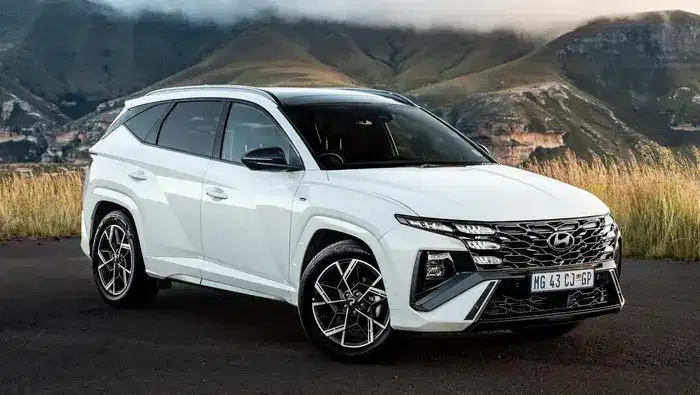
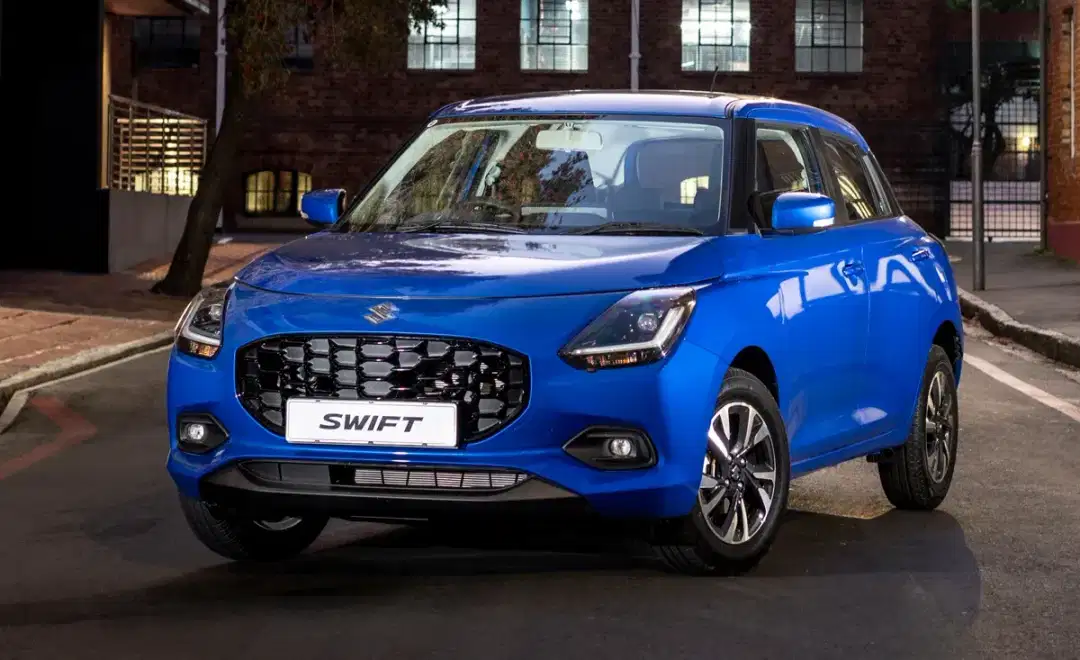
Creta borrows styling cues from the Tucson, with that parametric grille standing out in a Fourways parking lot. It’s 4315 mm long, 1630 mm tall, and looks every bit the larger crossover. Sonet’s more compact at 4110 mm long and 1610 mm tall, so it doesn’t just look shorter - park them side by side, and you can’t miss the difference. Sonet’s youthful lines pop; Creta is the serious sibling.
Detailing and SA-relevant practicality
Both are 1790 mm wide, so neither causes panic in those ancient parkades at Cresta or Rosebank Mall. Creta sits on 17-inch alloys with 215/60 R17 rubber - easy to replace, not expensive at Tiger Wheel & Tyre. Sonet’s size is perfect for squeezing into tight bays near Muizenberg or the chaos of the Joburg CBD. Ground clearance? Slight edge to Creta, which helps for gravel stretches around Hartbeespoort, but neither is a Sani Pass contender. Not pretending otherwise.
Cabin & Practicality
Materials and infotainment
Hyundai keeps it safe inside: simple horizontal dash, proper climate dials, and I can’t complain. Kia tries a more daring, layered look, but both offer similar-size touchscreens, wireless Apple CarPlay and Android Auto (SA spec), and - crucially - a real volume knob. Material quality? Hard plastics below, some soft at elbow height. They're decent for the price, but don’t expect luxury. Both feel honest for what you pay.
Space, seats and ISOFIX
This is where the gap yawns open. Creta’s extra 205 mm gives real back seat space - adults can survive a trip from Pretoria to Durban without knees in the dash. Sonet’s rear bench works for kids or short stints, not so much for grown-ups. Both seat five; both get ISOFIX rear anchors. Boots? If you pack smart, Sonet will handle a weekly Checkers shop and a golf bag; Creta swallows a pram and extra bags with ease. I’ve done both, and when you’re hauling family kit, Creta’s the one.
- Rear-seat winner: Hyundai Creta, no question.
- Boot winner: Hyundai Creta, mainly because of that extra 205 mm length.
- Infotainment: Dead heat. Wireless mirroring and tactile climate controls for both.
- Parkability winner: Kia Sonet, everywhere from Sandton to Sea Point.
- ISOFIX: Both fit child seats easily and securely.
On the Road
Powertrain character
Specs are nearly identical. Creta gives you 84 kW and 144 Nm; Sonet edges it with 85 kW and the same torque. Both drive the front wheels through a CVT that’s not pretending to be sporty. On paper, at least, they look like twins, but both engines need some revs to wake up, and the CVT lets revs flare before actual acceleration kicks in. Joining the N2 from Somerset West, Creta’s engine howls before you pick up speed. Sonet, being lighter, feels just a bit more eager off the line, but don’t expect fireworks from either.
Ride, steering and refinement
Spent a week in the Creta, up and down the battered tar between Centurion and Hartbeespoort. The longer wheelbase and 215/60 R17s shrug off potholes with minimal fuss. Light steering fits the brief. On a 1200 km Durban round-trip, it stays composed and doesn’t wear you out. Sonet, which I used around Cape Town, feels friskier on the bends above Hout Bay, but a short wheelbase means you get tossed around more on rough bits near Khayelitsha. Neither is whisper-quiet at 120 km/h on the N3 - wind rush is real, and after a few hours, it grates.
Specs & Ownership
| Spec | Hyundai Creta 1.5 Premium IVT | Kia Sonet 1.5 CVT EX |
|---|---|---|
| Engine | 1.5L Petrol | 1.5L Petrol |
| Power | 84 kW | 84 kW |
| Torque | 144 Nm | 144 Nm |
| Fuel consumption (combined) | 6.3 L/100km | 7.2 L/100km |
| Drive | FWD | FWD |
| Length | 4315 mm | 4110 mm |
| Height | 1630 mm | 1610 mm |
| Width | 1790 mm | 1790 mm |
| Seats / Doors | 5 / 5 | 5 / 5 |
| 5-year TCO (est.) | R384 350 | R406 400 |
Real-world running costs
Fuel economy is the number that bites. Hyundai claims 6.3 L/100km; Kia says 7.2 L/100km. That 0.9 L/100km difference is around R220 per 1000 km at Gauteng’s 95-octane price. Over five years, that adds up. I managed 6.7 L/100km in the Creta during a relaxed launch drive - pretty close to the claim if you don’t thrash it. But push either car up Sir Lowry’s Pass, and you’ll see 8 L/100km or more, easily. Five-year total cost of ownership? Creta: R384 350. Sonet: R406 400. That’s mostly down to the fuel difference. Service plans, insurance - call them even, given the Hyundai-Kia dealer network spread across SA.
The spec lineup question
Local lineups are simple: one engine, one gearbox, which is easy for buyers but makes the old 1.5 NA motor feel dated next to turbocharged rivals like the Chery Tiggo Cross. That matters if you’re thinking about resale - three years from now, a naturally aspirated 1.5 with a CVT could look outgunned. Still, both brands back up their cars with solid dealer networks from Polokwane to Port Elizabeth - if you’re wary of upstart brands, that’s your safety net.
Verdict

Pick the Hyundai Creta if you’re carting family, doing regular interprovincial trips, or valuing real rear-seat comfort and boot space. It’s the pragmatic option. It sips less at 6.3 L/100km, and that extra length is felt on every long haul. For me? It’s what the Creta should have been from the start.
Go Kia Sonet if your life is city-bound, you need to squeeze into tight Cape Town or Durban parking, or you’re after a funkier cabin for less money. The 4110 mm length means it sails through city congestion and parkades the Creta can’t handle. For urbanites, that matters a lot more than spec-sheet bragging rights.
On pure value, Sonet’s lower sticker price offsets its thirstier 7.2 L/100km in the short term, but over five years, Creta claws it back - R384 350 vs R406 400. Need space or comfort? Creta, every time. Need city agility? Sonet, no contest.
Worth waiting? If you’re not in a rush, watch for turbo or hybrid options - both are sold overseas and could land here soon. The 1.5 NA is showing its age, and a new drivetrain would change the game.
After a week of driving both back-to-back, I’d take the Creta for myself. Too many cross-country trips to ignore the space. But I’d hand my younger sister the keys to a Sonet without a worry. Her world is pure city - and that’s the point.
Summary
Here’s a straight-up, locally relevant comparison of the 2024 Hyundai Creta 1.5 Premium IVT and the 2024 Kia Sonet 1.5 CVT EX. If you’re cross-shopping these compact crossovers in South Africa, this covers the design, cabin layout, on-road feel, everyday costs, and the real trade-offs you’ll face as