Land Rover Range Rover Velar D240 SE (2019) Review

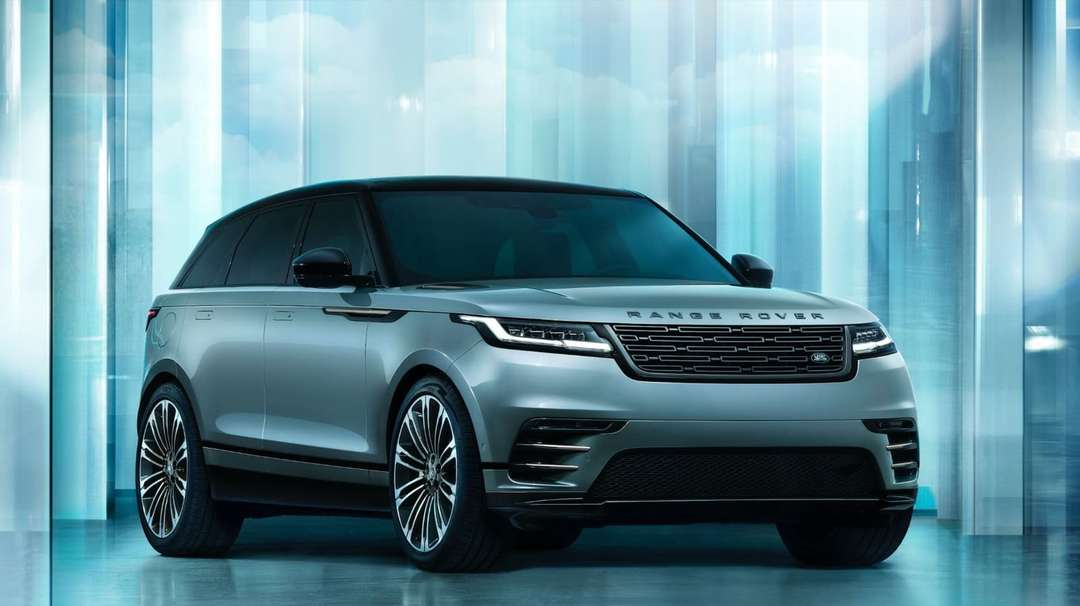
Beautiful, refined, but flawed by an awkward infotainment system and reliability baggage. It’s what the Velar should have been from the start, almost.
Introduction
Right, so with the Range Rover Velar D240 SE, you need to keep your head in the game. These are tempting at first sight, especially when you spot one at a WeBuyCars or on the N1, glinting in the sun. But that’s how you get into trouble. You need a thorough pre-purchase inspection and a verified recall history, and you can forget about that brochure 5.8 L/100km figure unless you’re feeling optimistic. Get those details right, and you’ll end up with the best-looking mid-size SUV you’ll see at a Gauteng dealer. Skip them, and you’ll be on WhatsApp terms with your local service advisor. I spent a week in a 2019 D240 SE during 2024, putting it up against what’s actually on offer for South Africans – factoring in where imported spares and after-sales still dictate the ownership experience.
Key takeaway: The Velar D240 SE is a stunner, has plenty of substance, but it’s fussy. Service history beats spec sheet every time.
Design & Exterior
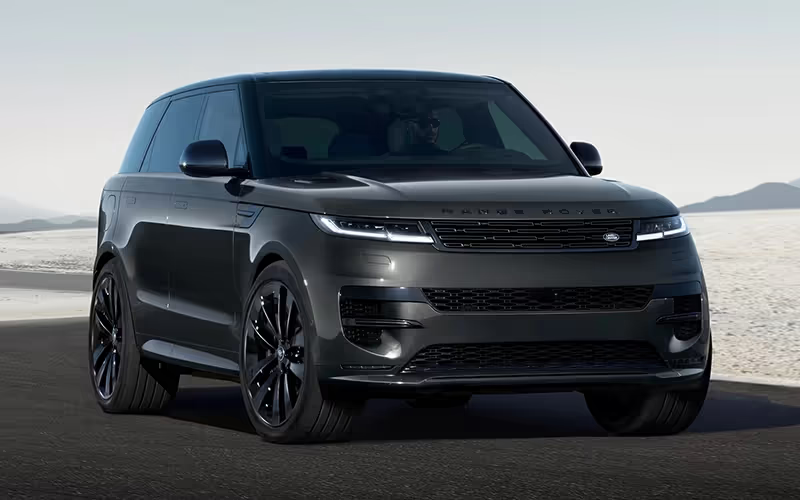
The L560 Velar still grabs attention at any Engen, even after eight years. Most 2017 rivals just fade into the background. Those flush door handles, clean lines, and razor LED lights still look sharp. In Sandton, you’ll spot Velars mixing with much newer SUVs, and it never looks out of place.
Stance and proportions
At 4803 mm long, 1933 mm wide and 1665 mm high, the Velar sits perfectly between the Evoque and Range Rover Sport. On paper at least, it’s lower than you expect, mainly because of its narrow glasshouse and those 20-inch wheels (standard for SE) that fill the arches. If you’re eyeing the 21s or 22s, prepare for complaints – they destroy the ride, especially along the battered R55 between Hartbeespoort and Rustenburg. Stick with the 20s or you’ll regret it after a few potholes.
Land Rover Range Rover vs Velar: badge reality
Some buyers still get confused here. The full-fat Range Rover is built for serious luxury and proper off-roading – think Sani Pass after a cloudburst or dirt roads near Kosi Bay. The Velar’s more about presence and style, running on Jaguar’s D7a platform (shared with the F-Pace) and gunning for buyers cross-shopping the BMW X4 or Porsche Macan. Same badge, totally different missions.
Cabin & Practicality
Initial impressions? Premium all the way. Soft-touch dash, plush seats, and the dual-screen Touch Pro Duo system that looks like it belongs in something far more expensive. But that’s just the first five minutes. Live with it, and you’ll start to notice the quirks. The Land Rover Range Rover Velar's boot space is one area where it genuinely shines.
Touch Pro Duo: style over substance
After a week in the D240 SE, I was over the lower screen. Trying to adjust the climate while crawling through Pretoria’s stop-start traffic, I found myself jabbing at icons, only to end up lost in menus. Boot-up takes ages, inputs lag, and simple controls are buried. If only Land Rover had kept real dials for the aircon. 2019-on cars finally got Apple CarPlay and Android Auto locally, but you must check your specific car. No phone mirroring in 2024 is a hard pass for most buyers.
Space and boot usability
Rear passengers? Legroom is average. If you’re tall and the driver’s tall, it gets cramped. The real highlight is the boot. The Land Rover Range Rover Velar boot space starts at 558 litres (some say up to 673 litres) with the seats up, and it swallows over 1600 litres when you drop the rear bench. I managed to fit a full-size pram, two camping chairs, and a week’s groceries with room to spare. That’s not something you’ll do in a Macan. Braked towing maxes out at 2.4 tonnes, so if you’re hauling a jetski to the Vaal or a small trailer over Van Reenen’s Pass, it won’t flinch.
On the Road
The 2.0-litre Ingenium diesel puts down 179 kW and 500 Nm from 1500 rpm. On paper, the D240 SE should be quick and stress-free. Reality is a bit more nuanced.
Where it’s good
Once you’re on the move, the engine is properly quiet, and the ZF 8-speed just gets on with the job. Passing slow traffic on the N1 north of Pretoria? There’s always enough torque, and at 120 km/h it never feels strained. If your Velar has air suspension (not every SE does, so check), it soaks up highway bumps with ease. On a long stint to Bloem, I arrived fresher than expected.
Where it’s not
Cold starts are noisy, surprisingly so for something this expensive. Throttle response is lazy off the line. Yes, the claimed 0-100 is 7 seconds, but it felt closer to nine with two adults and a full boot. It’s not a car for chasing a Macan on the curves outside Magaliesburg. The steering is direct, but there’s body roll if you get cheeky. The Velar prefers cruising to hustling – drive it that way, and you’ll get on fine.
Off-road and ground clearance
Standard ground clearance is 213 mm, but with air suspension at full lift, you get 251 mm. That’s more than enough for the gravel you’ll hit in the Karoo or those cement-strip farm roads near Tarkastad. Terrain Response works, but you’ll probably only use it when you get stuck after a summer thunderstorm near Dullstroom.
Fuel consumption: what you’ll actually see
Forget the 5.8 L/100km fantasy. Over a 600 km return from Joburg to the Free State, I averaged 8.9 L/100km. In Cape Town’s gridlock, it crept north of 10.5 L/100km. Not terrible for a two-ton SUV, but nowhere near the claim.
Data & Comparison
Core specs
| Spec | Velar D240 SE |
|---|---|
| Engine | 2.0L turbodiesel |
| Power | 179 kW / 240 hp |
| Torque | 500 Nm from 1500 rpm |
| Gearbox | 8-speed automatic |
| Drive | AWD |
| Claimed combined | 5.8 L/100km |
| Length / Width / Height | 4803 / 1933 / 1665 mm |
| Generation | L560, 2017-2020 |
How it lines up: Land Rover Range Rover Velar vs rivals
| Model (used, ~2019) | Power | Torque | 0-100 | Reputation |
|---|---|---|---|---|
| Velar D240 SE | 179 kW | 500 Nm | ~7.0 s claimed | Style icon, patchy reliability |
| BMW X3 xDrive30d | 195 kW | 620 Nm | 5.8 s | Sharper, less drama |
| Porsche Macan S Diesel | 190 kW | 580 Nm | 6.1 s | Driver’s pick, pricey |
| Jaguar F-Pace 30d | 221 kW | 700 Nm | 6.2 s | Related DNA, less wow factor |
Most buyers compare the Land Rover Range Rover Velar to the BMW X3. The X3 is the sharper, tougher daily, but the Velar wins on design. Against the Macan, the Porsche is for drivers; the Velar is for those who want to stand out. Each has its problems, but the Velar is the left-field choice.
Ownership maths
- 5-year running cost: R363,400 estimated in South Africa
- Original plan: 5-year/100,000 km warranty and maintenance
- Service interval: Diesels can stretch to 34,000 km, but shorter is safer
By 2024, most 2019 cars will be out of production. Get written confirmation of coverage before you commit. Don’t just take the salesman’s word for it.
Land Rover Range Rover Velar price in South Africa
Used D240 SEs now go for R650,000 to R820,000 depending on mileage and spec. That’s a long drop from the R1.1 million-plus new price. Depreciation’s your friend if you’re buying, your enemy if you’re selling within two years. Plan to hold onto it for a while.
The segment’s shifting
SUVs still dominate in South Africa, with the segment index holding steady in the 70s out of 100 since 2025. Luxury and hybrids are rising; the diesel-only Velar is fading out. The best value is in these used D240s, for now.
Safety rating
Euro NCAP · tested 2017
★★★★★ 5/5 adult occupant
European-market rating — indicative for SA only where the SA-built/imported derivative matches the tested safety spec (SA models from India/China often carry less kit). Official factsheet.
Verdict
If you want the most stylish SUV on the block and you’re willing to do your homework, the Land Rover Range Rover Velar D240 SE makes sense. If you want painless ownership and bulletproof reliability, look elsewhere. If you can stretch to a facelifted D200, that’s the one to get – it fixes many early Land Rover Range Rover Velar problems, and your five-year costs will be lower. And that’s the point.
Summary
A South African used-buyer look at the 2019 Land Rover Range Rover Velar D240 SE: how it drives, what that 2.0-litre Ingenium diesel is like in the real world, ownership maths, pitfalls, and whether it makes sense against the obvious German opposition.