Volkswagen Polo vs Volkswagen Polo Vivo (2025)

After two weeks in both, my money’s still on the Polo for its refinement and how easy it makes long trips, but I’d tell seven out of ten first-time buyers to choose the Polo Vivo.
Introduction
Here’s the thing: if you’re trying to choose between the Polo and the Polo Vivo for South African roads, start with how you drive. The Polo 1.0 TSI Life DSG is built for those who hit the freeway for long hauls, appreciate modern tech like adaptive cruise control, and want that 7-speed DSG matched to a peppy turbo triple. The Polo Vivo 1.4 Life, meanwhile, is the people’s car. Think first-time owner, Uber driver, or anyone needing a bulletproof 5-speed manual that a mechanic can sort out in an afternoon. Both are built in Kariega, but only one will keep your monthly debit order friendly.
Key takeaway: The Polo is polished and loaded up with toys. The Polo Vivo is the cheapest way into a new VW badge, and it’s dead simple to own and run.
Design & Exterior
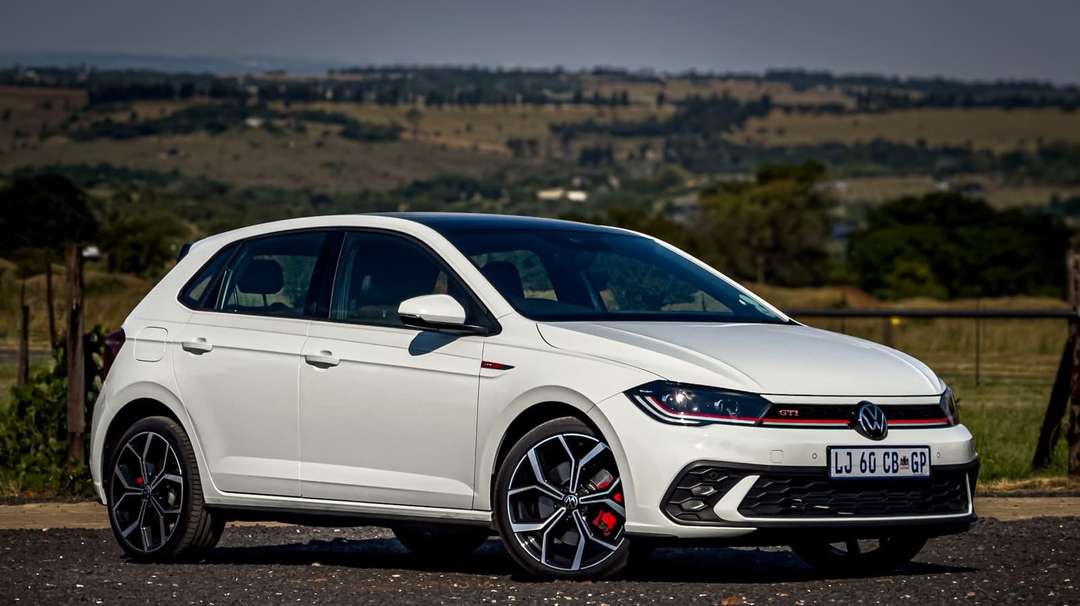
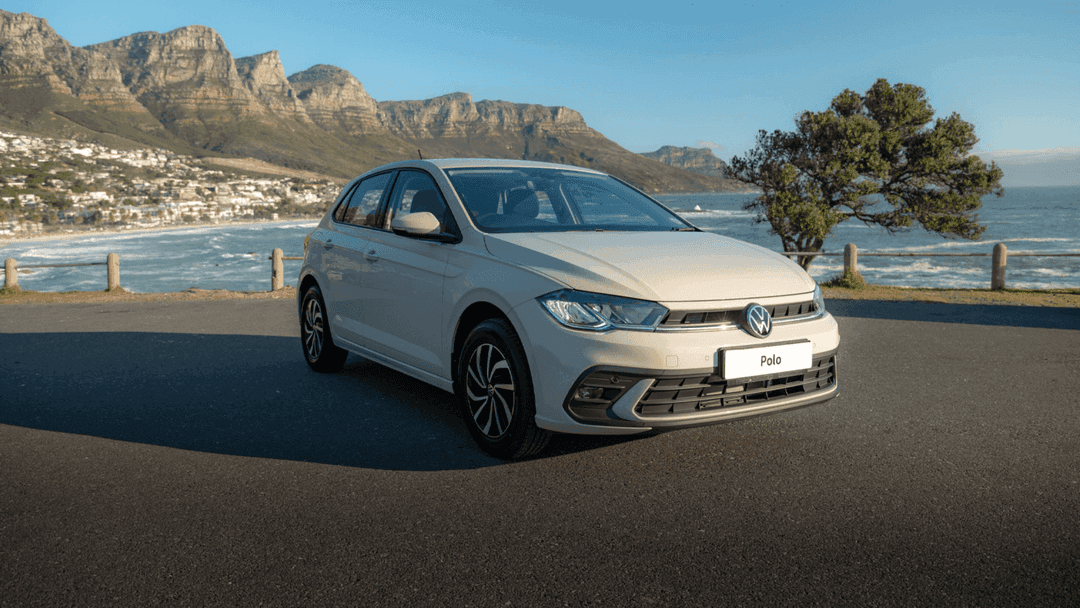
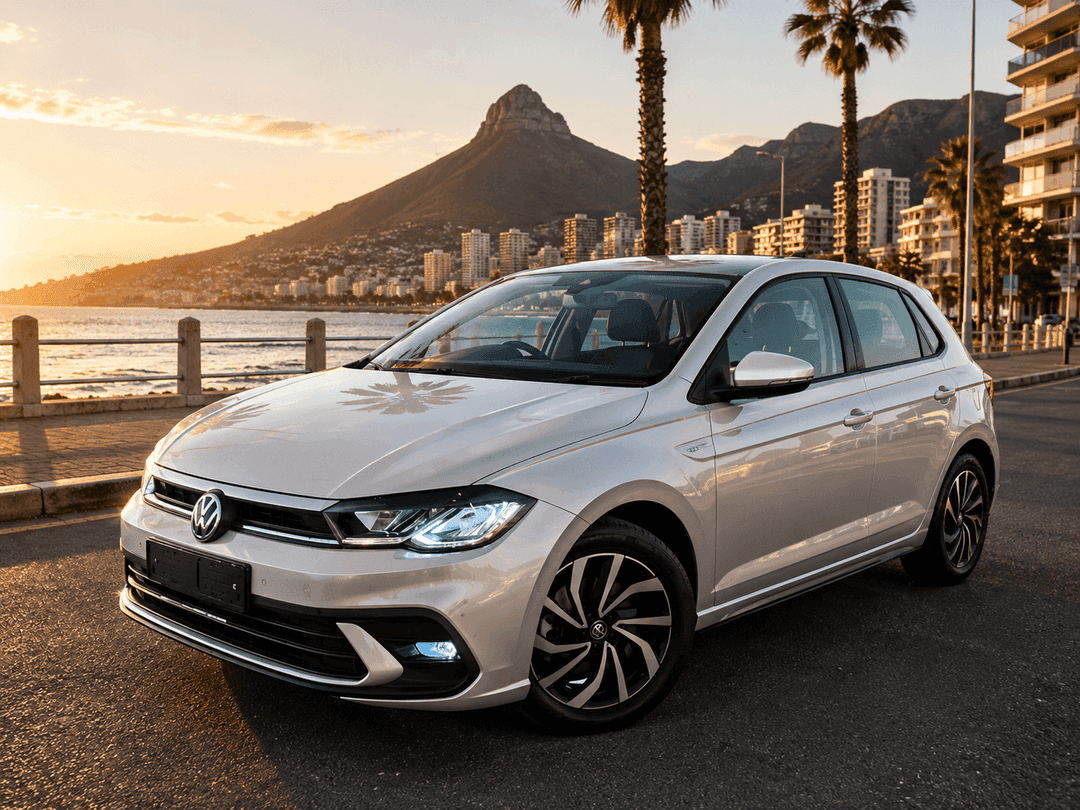
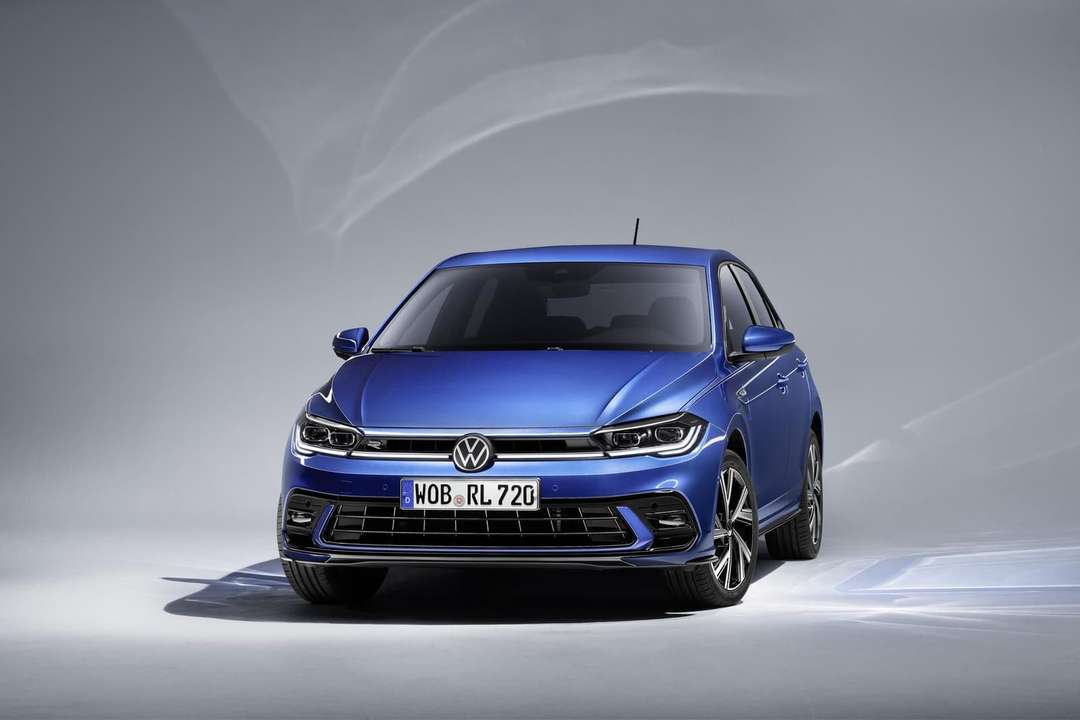
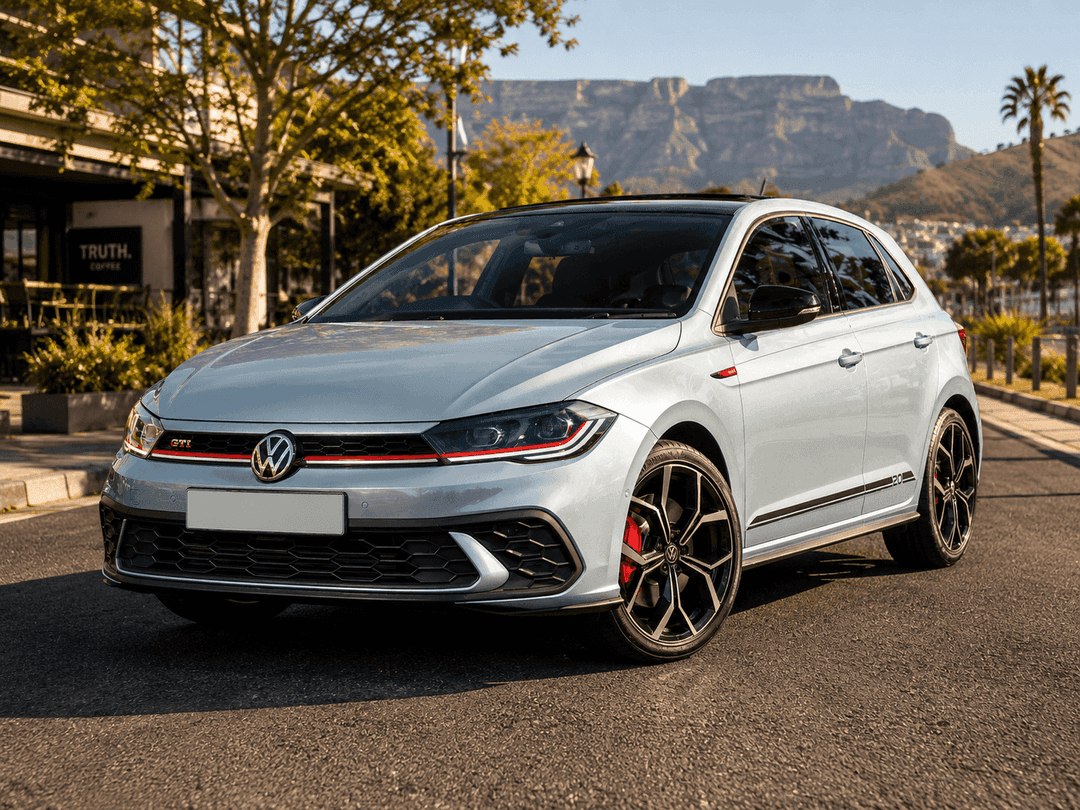
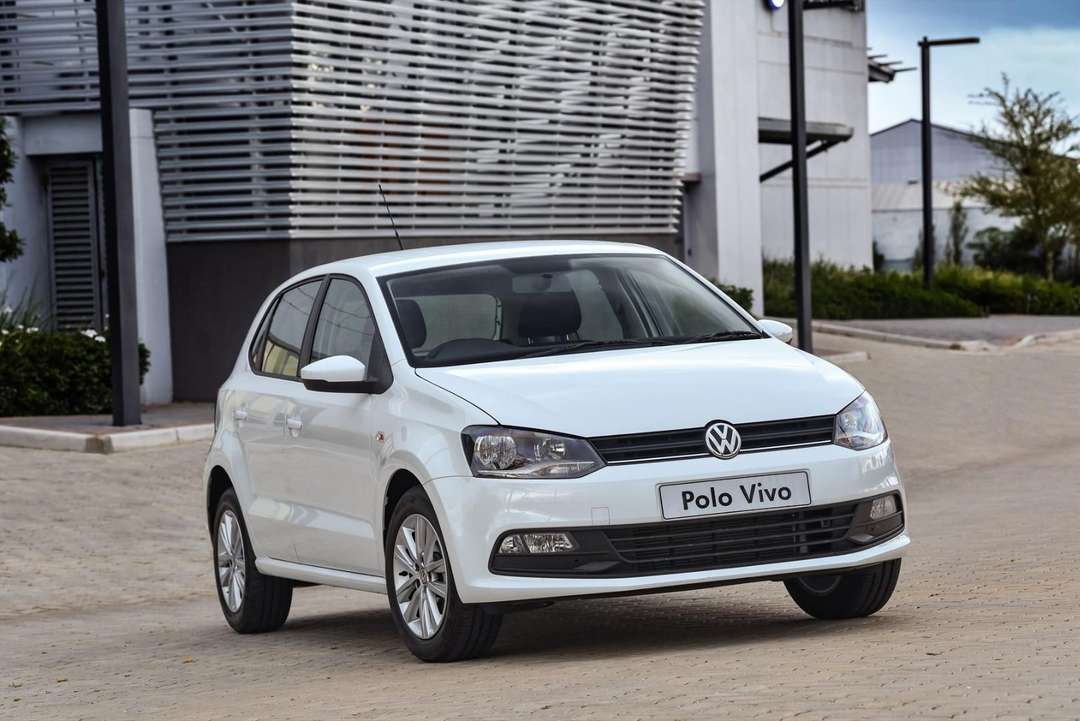
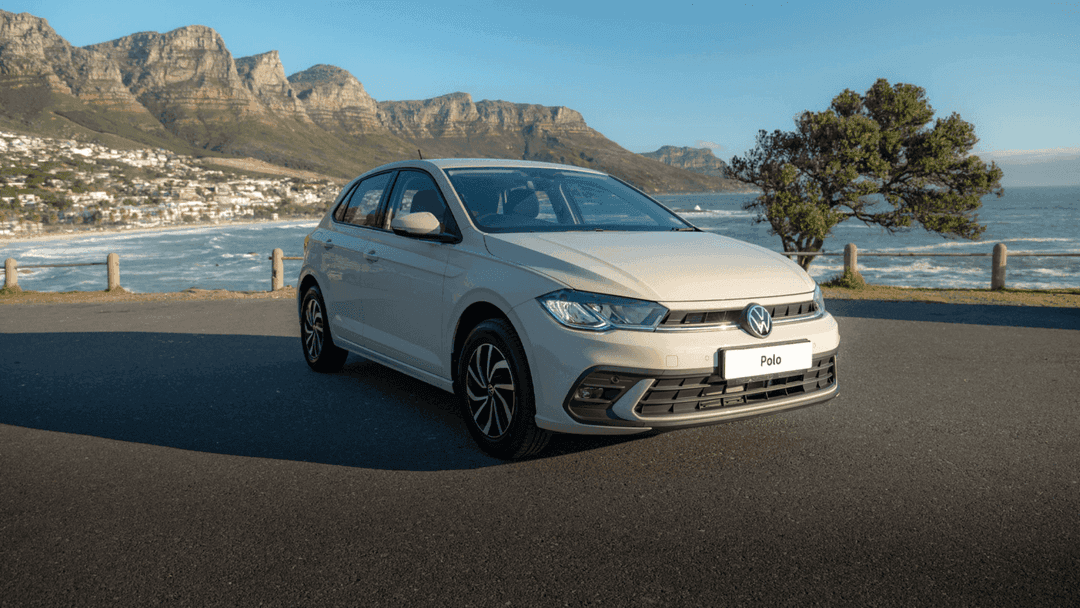
Put them side by side at, say, a Barons Sandton lot, and you’ll spot the age gap immediately. The new Polo (Mk6 AW facelift) is longer at 4074 mm and wider at 1751 mm, with crisp LED headlights and, on some trims, a full-width light bar. The Vivo, at 3972 mm long and 1682 mm wide, is essentially the old Polo (6R) wearing a light facelift for 2025. That is 102 mm in length and 69 mm in width? You’ll notice it squeezing into Cape Town CBD bays - Vivo fits where Polo sometimes won’t.
Stance and presence
There’s no doubt Polo channels a bit of Golf DNA now, and that matters. Buyers want a sniff of premium, even in a hatch. Vivo? It’s honest and value-first, not trying to impress. Polo stands out at the office park. Vivo blends in at the taxi rank or when parked - and sometimes that’s exactly what you want.
SA-specific note on ride height
Polo stands 1451 mm tall; Vivo 1462 mm. Both clear endless speed humps. That 11 mm extra for Vivo? Irrelevant in practice. Polo offers jazzy paint like Kings Red and Vibrant Violet, while Vivo sticks to practical whites and silvers to keep resale values solid.
Cabin & Practicality
Once inside, the family resemblance goes out the window. Polo and Polo Vivo are distant cousins when it comes to cabin tech and materials.
Materials and dashboard
Polo features the digital cockpit as standard, with an 8-inch touchscreen and wireless Apple CarPlay/Android Auto. Plastics are hard but look respectable. The new capacitive climate slider? Not great. Try adjusting the fan at 120 km/h on the N3 to Durban, and you’ll understand why physical dials matter. Vivo keeps it simple: old-school cluster, real buttons, and a more basic screen on the Life trim. For pure usability, Vivo’s simplicity wins - less distraction, more focus.
Space and seating
- Front headroom: Vivo’s taller roofline (1462 mm vs 1451 mm) gives it a slight edge.
- Rear legroom: Polo’s extra length is obvious - adults in the back will thank you after an hour.
- Boot: Polo manages 351 litres, Vivo around 280 litres. If you pack smart, Polo’s extra space fits a pram or more groceries for a weekend in Clarens.
- ISOFIX: Both offer two ISOFIX anchors in the rear, plus a top tether.
- Seats: Both seat five, but Polo does it with more elbow and knee room. Simple as that.
Category winners
Polo trumps Vivo on infotainment and digital toys. For straightforward, fuss-free controls, Vivo wins. Space? Polo, easily. If you’ve ever scrubbed melted ice cream off a seat after a meltdown, Vivo’s hard-wearing cloth is a blessing.
On the Road
I drove the Polo 1.0 TSI Life DSG. Did the same with the Polo Vivo 1.4 Life next. Same route, totally different experience.
Volkswagen Polo: turbo three-pot with manners
The 85 kW/200 Nm 1.0 TSI comes alive above 30 km/h. DSG swaps gears smoothly on the move, but in slow traffic, you’ll feel a touch of hesitation - all dual-clutches do this. At altitude, there’s a noticeable 1.5-2 second pause off the line before the turbo wakes up. Once rolling, overtaking is a breeze. Steering is light but direct, ride is soft over bumps but settles nicely at highway speed on the N1.
Volkswagen Polo Vivo: honest, naturally aspirated
The 63 kW/132 Nm 1.4 with its 5-speed manual is old-school. Zero turbo lag, just modest power. You get what you ask for, but not a drop more. Up Van Reenen’s Pass with two passengers and luggage, third gear is your friend. It’s a car you have to work, especially on hills. Gearshift is light, clutch is easy, steering is refreshingly direct. Rush it, and you’ll pay at the pumps. I saw 6.4 L/100km on the uphill, pushing harder than needed.
Refinement gap
At 120 km/h, Polo is ahead. Wind and tyre noise fade; DSG keeps revs low in seventh. Vivo feels busier - engine’s more vocal; noise is up. If you’re a Joburg-Pretoria commuter, it’ll wear thin. For Mthatha-bound drivers, you’ll barely notice after a week.
Specs & Ownership
| Spec | Volkswagen Polo 1.0 TSI Life DSG 85kW | Volkswagen Polo Vivo 1.4 Life 63kW |
|---|---|---|
| Engine | 1.0L Petrol turbo | 1.4L Petrol naturally aspirated |
| Power | 85 kW | 63 kW |
| Torque | 200 Nm | 132 Nm |
| Gearbox | 7-speed DSG | 5-speed manual |
| Drive | FWD | FWD |
| Fuel consumption (combined) | 5.4 L/100km | 5.9 L/100km |
| Length | 4074 mm | 3972 mm |
| Width | 1751 mm | 1682 mm |
| Height | 1451 mm | 1462 mm |
| 5-year TCO (est.) | R362 300 | R374 550 |
TCO and the awkward maths
Look at the numbers again. Over five years, Polo racks up R362 300; Vivo, R374 550. Polo’s R12 250 cheaper to own. It uses less fuel (5.4 L/100km vs 5.9), has stronger resale, and the DSG’s pricier services are spaced out. But you’ll fork out more up front for the Polo. Vivo’s lower sticker makes monthly payments much more manageable. Most South Africans buy on monthly affordability, not spreadsheets.
Service plans and warranty
Both offer a 3-year/120 000 km warranty. Polo’s 3-year/45 000 km service plan is a bit stingy for South Africa, so add EasyDrive at the dealer if you plan to keep it. Vivo matches that, but neither can match Suzuki or Toyota for after-sales length. Something to remember if you want to hang onto your car past warranty.
Verdict
Choosing between the Polo and Polo Vivo in South Africa is less about specs and more about what you need now - and how you pay for cars here.
Polo Vivo is the sensible choice if it’s your first car, you’re watching every rand, you want a basic 1.4 manual that any Mthatha or Mahikeng mechanic can fix, or you’re buying for a student in Stellenbosch. The 63 kW engine is honest, resale is strong, and the price is right. Expect to save R50k or more up front.
Waiting for something new? VW has confirmed a Polo facelift is coming, and there’s talk of an India-built Polo Vivo replacement landing in late 2026. If you can wait six to nine months, the next-gen Vivo might change the whole value equation.
After two weeks in both, I’d still pick the Polo for its comfort and how easily it eats up long trips, but I’d recommend the Polo Vivo to most first-timers. Cashflow wins in South Africa, and Volkswagen knows it’s how most of us buy cars…
Summary
Here’s a straight-up clash between the 2025 Volkswagen Polo 1.0 TSI Life DSG 85kW and the 2025 Volkswagen Polo Vivo 1.4 Life 63kW. South African buyers care about what’s under the bonnet, how the cabin stacks up, whether the car works in real-world conditions, and which one actually saves you money