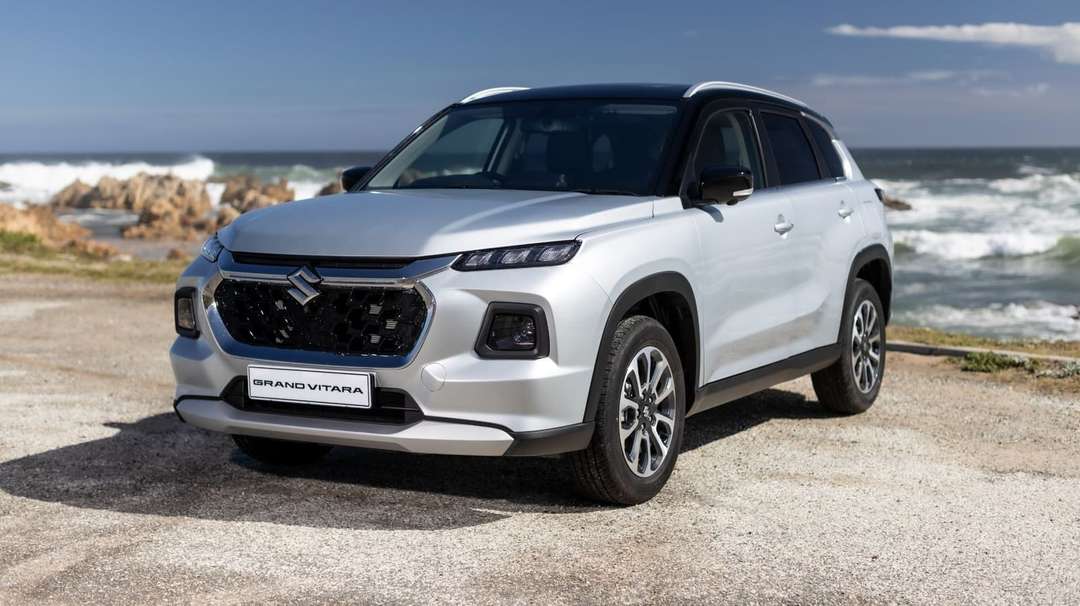
Suzuki Swift vs Volkswagen Polo (2025)

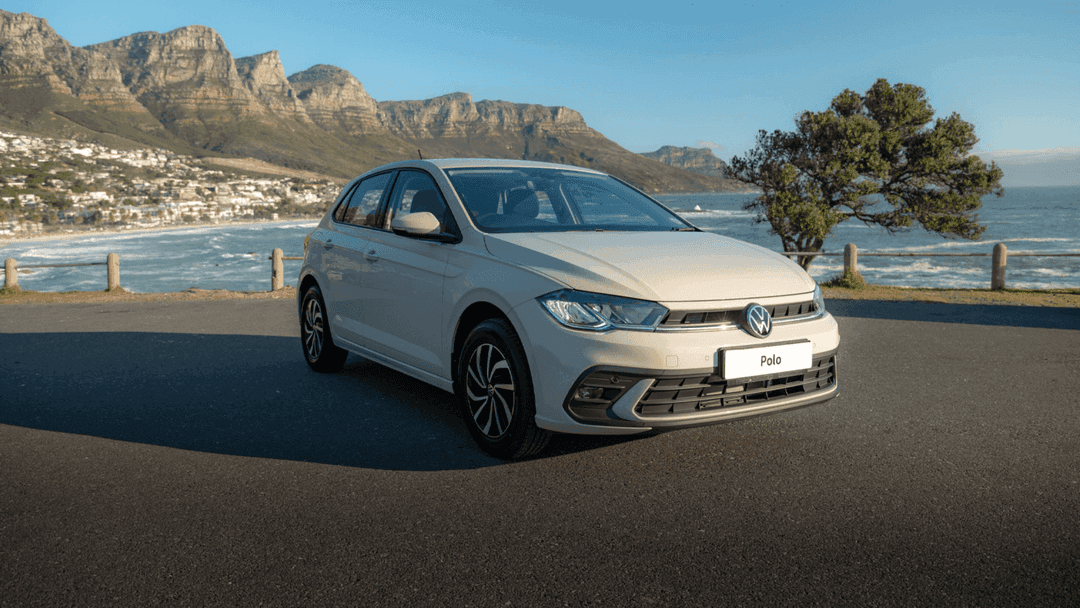
After a week in both, my money – and my fuel spend – would go Swift. If I was covering real mileage and wanted a more mature drive, Polo. And that’s the point: this isn’t about which is best, but about which fits you best...
Introduction
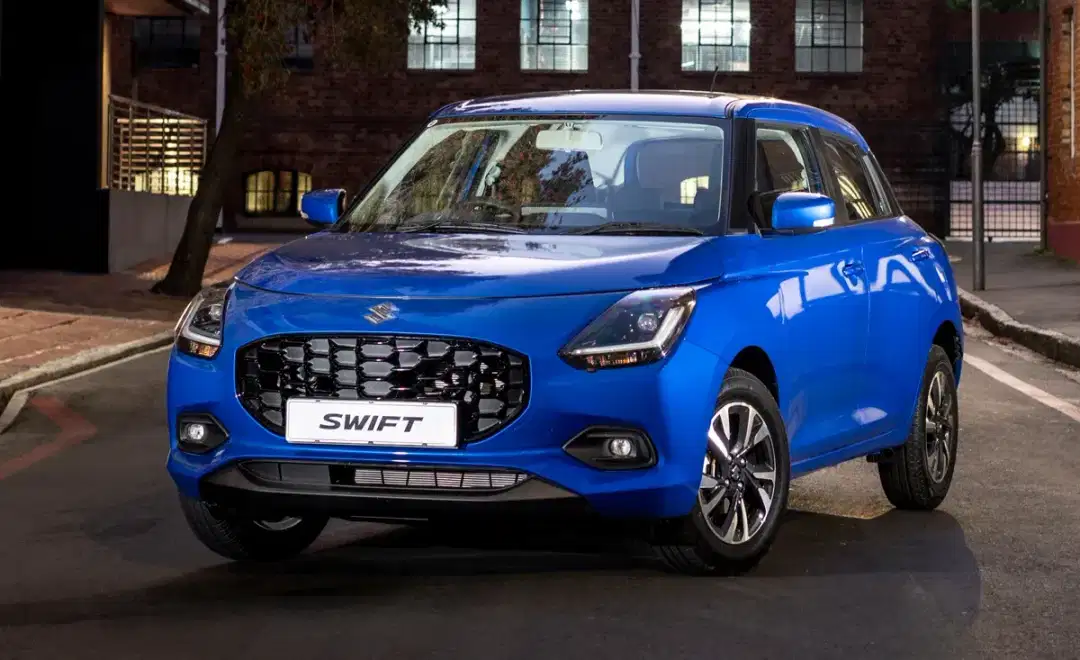
Right, so you want the cheapest, most economical new B-segment hatch you can actually drive away from a Sandton Suzuki dealer? That’s the 2025 Suzuki Swift 1.2 GL+ CVT. Prefer a heavier, more grown-up German option with more torque and a chunkier feel on the road? The Volkswagen Polo has probably been on your mind. That’s the Suzuki Swift vs Volkswagen Polo in South Africa debate in a nutshell. Both shoot for the R250k–R350k crowd, but their personalities couldn’t be more different. I’ve had both in Gauteng traffic and on the open road, and the real gap is not quality, but character.
Key takeaway: The 2025 Suzuki Swift wins on price and fuel efficiency, while the Volkswagen Polo takes the crown for refinement, torque, and that solid, reassuring feel on the tar.
Design & Exterior
Stance and proportions
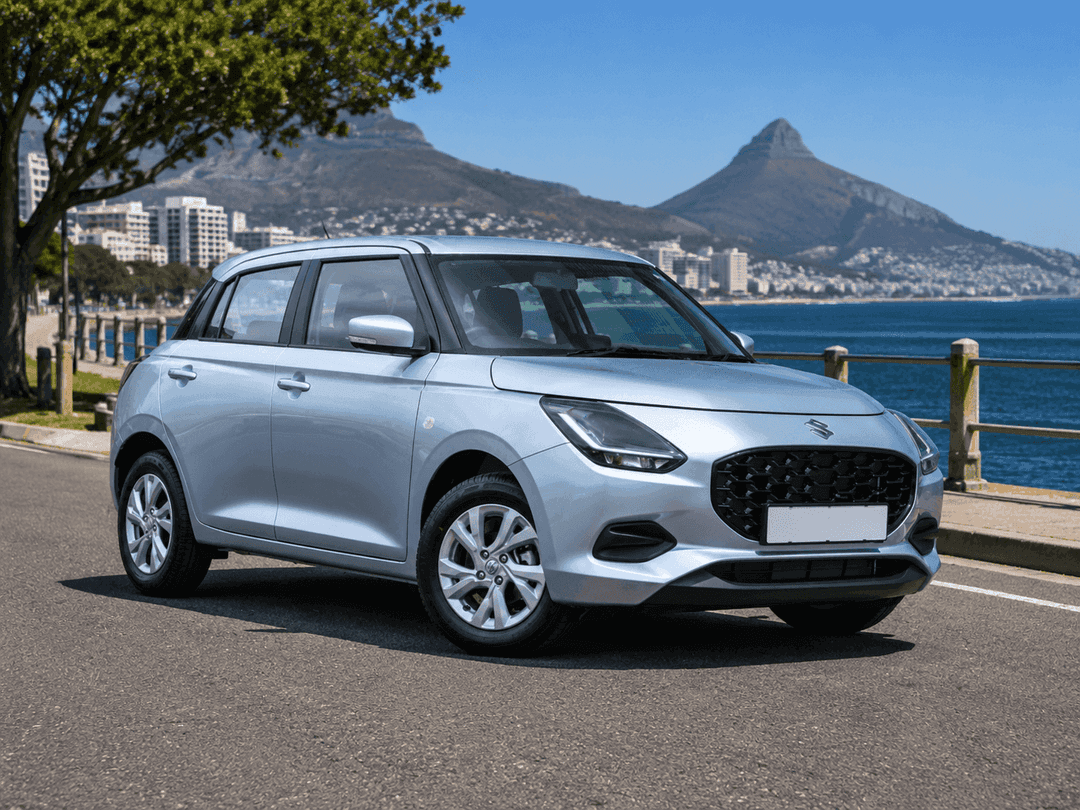
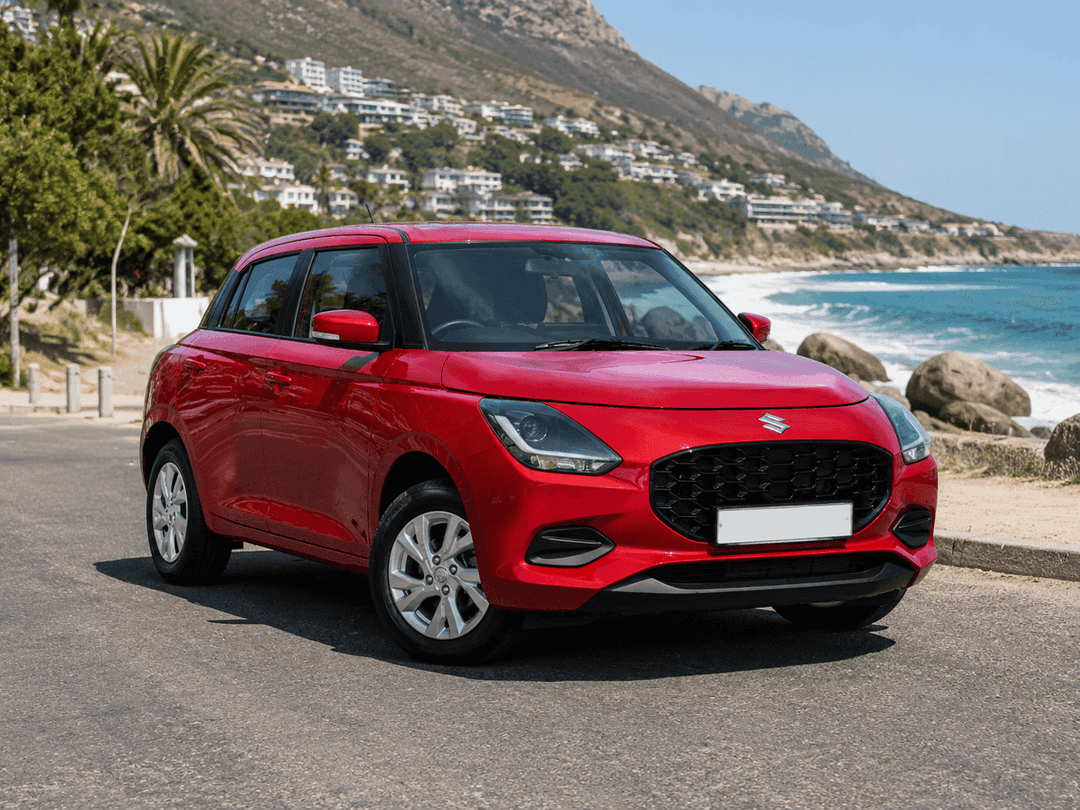
Sizing up, the 2025 Suzuki Swift is the smaller car – 3,860 mm long, 1,735 mm wide, and 1,520 mm tall. Polo? That’s 3,916 mm long, 1,650 mm wide, 1,467 mm tall. Oddly, the Swift is actually wider by 85 mm, which you notice in parking bays and tight traffic gaps. It gives the Swift a squared-off, planted look up front, while the Polo’s longer, lower body feels more “grown-up” in your mirrors on the R21.
Styling identity
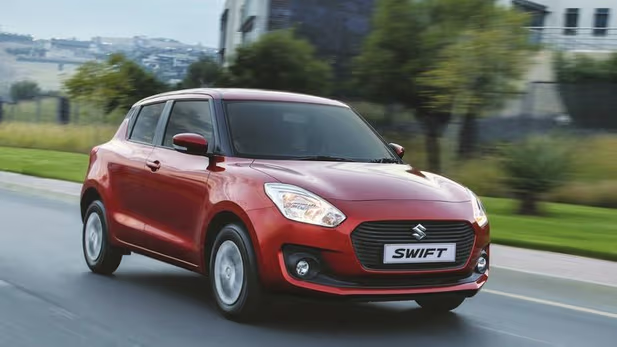
The fourth-gen Swift has dialled down the mischief. No more hidden rear door handles, a tamer face, and a general “global hatch” vibe instead of quirky standout. Polo still plays it safe: muted, subtle, a car that disappears in the pick-up line at a Rosebank Woolworths. Park them side by side, and the Swift draws more attention – whether that’s a good thing is up to you.
SA-specific notes
Ride height is not just a spec-sheet number here. The Swift’s slightly taller stance is a lifesaver over speed bumps in Mamelodi and the broken R55 tar. Polo sits lower, which looks slick, but you’ll think twice before nosing it over the dodgy kerbs at old-school Cape Town shopping centres. Paint choices? Polo gets more variety off the local line, but the Swift offers a proper two-tone combo VW can’t match. Small wins, but they count.
Cabin & Practicality
Materials and feel
Step into the Polo and it’s clear you’re in the pricier car. Plastics feel denser, the switchgear has that German click, and the seats support you just right on a long N3 haul. Hop in the Swift: it’s honest, not plush. Hard plastics everywhere, but the layout makes sense, and the physical climate controls (manual A/C in GL+) are easier to use than any touch slider, especially when dodging a taxi on Jan Smuts Avenue.
Infotainment and connectivity
The Suzuki Swift 1.2 GL+ CVT comes with a 7-inch touchscreen, wireless Apple CarPlay and Android Auto. No frills, but it gets the job done. Polo’s infotainment varies – some older models run a basic setup, while newer ones get sharper graphics and a bigger display. Polo’s main flaw: hardly any shortcut buttons. The Swift’s proper, physical buttons save your sanity on a rough morning commute. That matters.
Space and boot
- Boot (Swift): 265 litres with seats up, stretching to 980 litres if you’re folding the rear bench.
- Boot (Polo): Typically 351 litres, and the shape is deeper and more square – pram owners take note.
- Rear legroom: Polo wins hands down. Two adults behind two adults works in the Polo; in the Swift, it’s a squeeze.
- ISOFIX: Both offer two ISOFIX points on the outer rear seats.
- Doors: Swift is a five-door; our reference Polo is a three-door, which is a pain if you’ve got kids or run a lift club.
Polo gets the nod for cabin materials and outright space; Swift scores for door count and easier access if you pack smart.
On the Road
Powertrain character
Suzuki Swift: 1.2-litre three-cylinder, 60 kW, 112 Nm, driving the front wheels through a CVT. Polo: 1.6 with 148 Nm and a 6-speed Tiptronic auto. On paper at least, the Polo’s torque advantage is obvious, and you feel it. Off the line at a Sandton robot, the Polo surges ahead while the Swift’s CVT has to spin the engine up before you get real progress. There’s a bit of three-cylinder grumble as you wait for the Swift to catch up.
Ride and steering
I took the Swift from Joburg to Parys for a weekend – light chassis, quick steering, and you can flick it into corners with one hand. But get a crosswind on the N1 or an 18-wheeler thundering past, and the Swift gets buffeted around. Polo’s extra weight (1,095 kg in this spec) keeps it planted at 120 km/h. The ride is firmer on bumps, but more settled over big undulations. Neither has the long-travel suspension we need for pothole-riddled roads, so you’re still dodging craters, but both cope better than you’d expect from city hatches.
Gearbox response
Now, the Swift’s CVT gets a lot of heat, and half of it is deserved. It drones annoyingly when you’re climbing steadily towards the Vaal, but in stop-start Sandton traffic, it’s smooth and reacts quickly enough. Polo’s Tiptronic is old-school – proper gears, crisp shift points, and it just feels more predictable in your hand. That confidence matters on those quick lane changes near Diepkloof toll plaza.
Real-world economy
This is where the Swift fights back. Suzuki claims 4.6 L/100km, and I managed mid-fives on a busy week with the car. Polo’s claimed 7.4 L/100km combined, 10.0 L/100km urban, and 5.9 L/100km extra-urban. That’s a big swing at R25-plus per litre. The maths gets ugly for the Polo if you’re clocking daily mileage.
Specs & Ownership
Side-by-side data
| Spec | 2025 Suzuki Swift 1.2 GL+ CVT | Volkswagen Polo (ref. spec) |
|---|---|---|
| Engine | 1.2L Petrol, 3-cyl | 1.6L Petrol |
| Power | 60 kW | N/A in supplied spec |
| Torque | 112 Nm | 148 Nm |
| Gearbox | CVT auto | 6-speed Tiptronic auto |
| Drive | FWD | FWD |
| Combined fuel consumption | 4.6 L/100km | 7.4 L/100km |
| Urban fuel use | N/A | 10.0 L/100km |
| Length | 3,860 mm | 3,916 mm |
| Width | 1,735 mm | 1,650 mm |
| Kerb weight | N/A in supplied spec | 1,095 kg |
| Doors | 5 | 3 |
| 5-year TCO estimate | R342,700 | R411,300 |
Total cost of ownership
The numbers don’t lie: our 5-year total cost of ownership estimate puts the Suzuki Swift at R342,700 and the Polo at R411,300 – that’s R68,600 you’re not spending on fuel, insurance, or servicing if you pick the Swift. Most of that saving is down to the Swift’s 4.6 L/100km economy and cheaper service plan pricing. Polo claws some back at trade-in – VW’s used values are king in SA – but you’ll still pay more to keep a Polo on the road over five years. If you’re driving for Uber or Bolt, it’s not even close: Swift is the wallet-friendly winner per kilometre.
Verdict
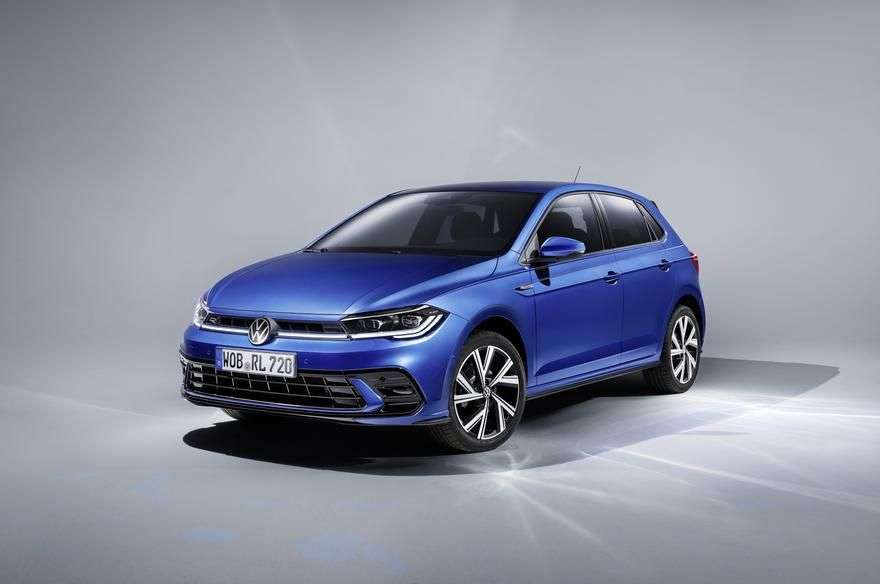
No knockout here. Both bring strengths, and your priorities decide it.
Wait, if you’ve got your eye on the new Polo generation coming soon, the refresh might shuffle the deck. If you can hold out a few months, it’s worth doing.
After a week in both, my money – and my fuel spend – would go Swift. If I were covering real mileage and wanted a more mature drive, Polo. And that’s the point: this isn’t about which is best, but about which fits you best...
Summary
Here’s a proper South African head-to-head: 2025 Suzuki Swift 1.2 GL+ CVT versus Volkswagen Polo. Which hatch earns its stripes on our battered roads, which one stings your wallet less, and where do they slot in for real local buyers? Design, cabin space, how they drive, and the numbers that matter