Suzuki Ciaz 1.5 GL Auto (2024) Review

- Massive space, sharp price, unbeatable warranty. Let down by an outdated auto and a safety spec that’s behind the times.
Introduction
So, should you buy the Suzuki Ciaz 1.5 GL Auto? If boot space, legroom and a long warranty matter more than the latest gadgets or safety tech, the answer's yes. If you're tall, drive with a full car at 120 km/h often, or expect modern driver aids, keep looking. Still the cheapest way into a genuine family-sized sedan in SA, but the age is showing - especially when you hit a pothole or try to pair your phone. No sugar-coating here: this Ciaz review spells out the wins and the misses.
Key takeaway: Space and warranty for the rand, but two airbags and an old-school auto box drag the Ciaz down in 2024.
Design & Exterior
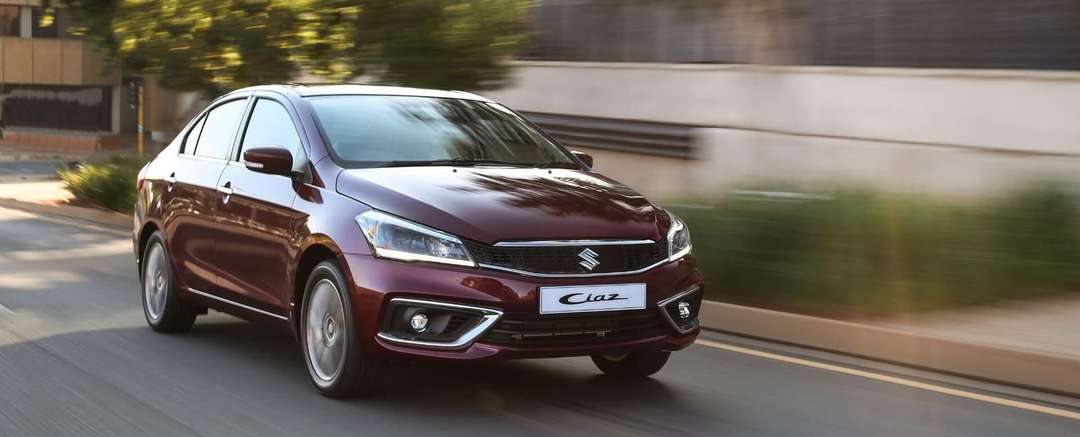
Let’s be honest: nobody’s buying the Ciaz for its looks. It’s plain, with that familiar three-box shape that’s barely changed since 2018, and Suzuki SA seems content to leave it that way. At 4490 mm long and riding a 2650 mm wheelbase, it’s bigger than you’d expect for the price - and that’s half the appeal. Line it up next to a Polo Sedan and the Ciaz looks longer and more mature, even if the shiny strip across the boot screams "mid-2010s".
Visual kit that actually matters
- LED projector headlights on pricier trims (the GL makes do with halogens)
- 15-inch alloys for the GL Auto
- Subtle chrome grille and boot highlights
- At 1730 mm wide, it slips into tight Rosebank parking bays with less worry
- 1485 mm height means ground clearance is city-appropriate, but don’t expect it to take on gravel like an Ertiga
Bland? Absolutely. But try finding a Cape Town Uber driver who wants to stand out. This is the sedan for those who’d rather keep a low profile.
Cabin & Practicality
This is the Ciaz’s party trick. The 2650 mm wheelbase matches some cars a size up, and Suzuki has squeezed every last centimetre from it.
Space that genuinely surprises
Rear legroom is a revelation: around 806 mm measured, which is flirting with C-Class territory. I’m 1.82 m and could sit behind myself with knuckle-room to spare. Boot? Suzuki claims 480 litres, but real-world checks peg it closer to 424. Either way, two big suitcases and a duffel fit easily. If you pack smart, a December Durban trip for four is on - nothing on laps, nothing stuffed under seats.
Where the cabin frustrates
The driver’s seat is perched high, even at its lowest, thanks to chunky seat mountings. No telescopic adjustment for the steering means anyone over 1.85 m will feel short-changed. The rear bench is fixed, so a Makro flat-pack either goes in through the rear doors or not at all.
- 7-inch touchscreen with CarPlay and Android Auto - expect lag, sometimes a full second between taps
- Reverse camera included, but the guidelines are off-centre and not much help
- Physical climate knobs (thank goodness), not buried in menus
- Cruise control on GL Auto
- Just two airbags, ABS with EBD, no ESP or traction control
- ISOFIX on the outer rear seats
Hard plastics everywhere, but they’re solidly put together. The switches feel like they’ll survive a decade of e-hailing abuse. That matters because this sedan’s going to work for its keep.
On the Road
Under the bonnet: the K15B 1.5-litre naturally aspirated petrol, with 78 kW and 138 Nm, feeding a 4-speed auto to the front wheels. Yes, four speeds. In 2024. Let that sink in.
The four-speed problem
Urban driving? The auto is fine. Gears swap smoothly, the engine enjoys a rev, and the Ciaz feels light enough off the line. But hit the N1 between Joburg and Pretoria, and at 120 km/h, the revs sit around 3000 rpm - no overdrive to calm things down. Result: real-world fuel use rises well above the claimed 4.93 L/100 km, and the drone gets old quickly. On a Centurion-to-Bela-Bela trip, I clocked 7.2 L/100 km on the trip computer. Not a disaster, but a long way from the stick figure.
Ride, steering and the rest
The ride is set up soft - a smart move for South African tar and the odd pothole. Tar cracks on the R21, rutted suburban roads, even a bit of farm gravel, it just takes the knocks. Downside? Body roll if you try anything enthusiastic, and the steering is light to the point of numbness. It’s not a driver’s car, and it doesn’t pretend otherwise.
Brakes do their job, and that relatively low 1490 kg kerb mass means you’re not hauling a barge. Wind noise picks up from 110 km/h, but it’s road roar from the tyres on rough N3 surfaces that intrudes most.
Data & Comparison
Here’s how the Ciaz stacks up in 2024 against the sedans South Africans actually buy.
| Model | Power (kW) | Gearbox | Avg price (R) | Fuel |
|---|---|---|---|---|
| Suzuki Ciaz 1.5 GL Auto | 77 | 4-speed AT | ~244 750 | Petrol |
| Honda Amaze 1.2 i-VTEC | 66 | 5MT/CVT | 235 967 | Petrol |
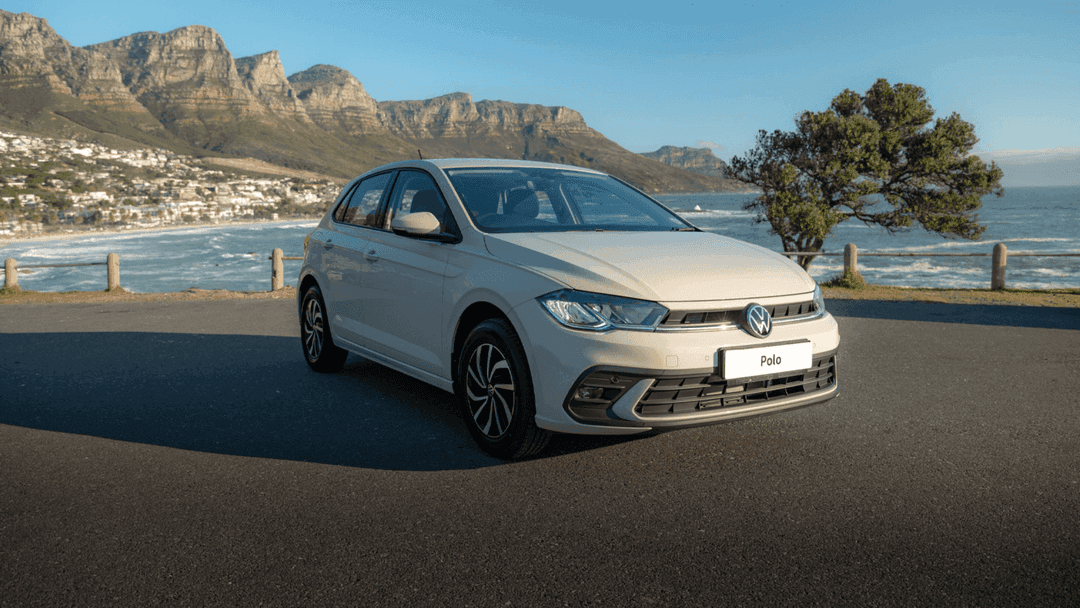
| VW Polo Sedan 1.6 MPI | 81 | 5MT/6AT | 237 425 | Petrol |
| Hyundai Accent 1.6 HiVec | 91 | 6MT/6AT | 234 888 | Petrol |
Where it wins, where it loses
At R2 155 more than the Polo Sedan and only R697 above the Amaze, the Ciaz is right in the mix. Rear legroom and boot space? Better than any of these. But the gearbox is stuck in the past, and with the segment median at 110 kW, the Ciaz is about 29% down on power. You feel that on a loaded run-up Van Reenen’s Pass.
Five-year running costs? Segment modelling puts it at about R350 785, competitive but not quite a bargain. Suzuki’s 3-year/60 000 km service plan and 5-year/200 000 km warranty are real trump cards, especially if you’re comparing to used Polo Sedans where warranties have lapsed.
Numbers that matter
- Claimed combined fuel: 4.93 L/100 km
- What you’ll actually get: 6.5-7.5 L/100 km in mixed conditions
- Fuel tank: 43 litres (Suzuki claims 850 km on a tank, but expect more like 600 km)
- Wheelbase: 2650 mm
- Boot: 480 L claimed, 424 L measured
- Down 32 kW on the segment median
Sedan demand in SA
Interest in sedans here is holding steady, tracking between 65 and 71 on mid-2025 trend indices. That’s behind SUVs and bakkies but above hatchbacks now. Translation: there’s still a buyer, but the crowd has thinned, and that will show up in resale values.
Verdict
Who should buy this? E-hailing drivers who need rear space and long warranty cover, and families who put a big boot and affordable servicing before gadgets. The 5-year/200 000 km warranty is the ace up its sleeve. Who should walk away? Tall drivers, anyone who cruises over 120 km/h, and buyers who need more than two airbags. The Indian-built Ciaz’s Global NCAP score is a big black mark, and that matters.
As for what comes next: Suzuki is mum about a Ciaz replacement for SA, but Maruti Suzuki globally is pushing hybrids and tougher crash ratings. If a new Ciaz is rumoured for 2025, maybe wait. If not, the current car is simple, honest, and exactly what you see...
Summary
Here's the reality check on the Suzuki Ciaz 1.5 GL Auto in 2024: if you're after loads of room and a big boot under R260k, you won't do better. That four-speed auto and the skimpy safety kit? Less impressive, especially when you square it up against the VW Polo Sedan, Honda Amaze, and Hyundai Accent