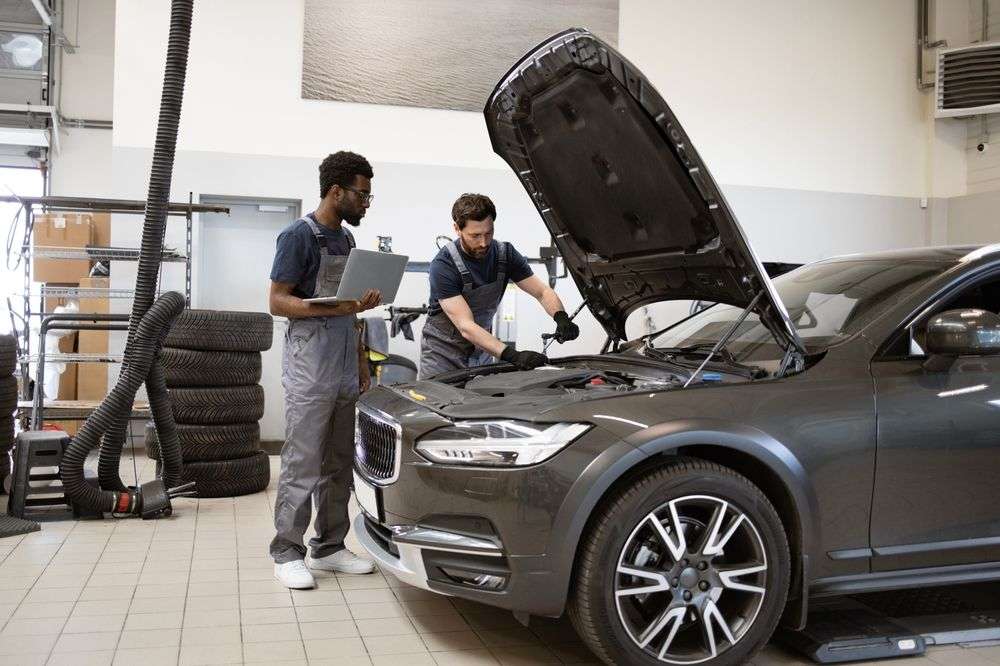
The Test-Drive Checklist: What to Check Before You Buy a Used Car (SA)
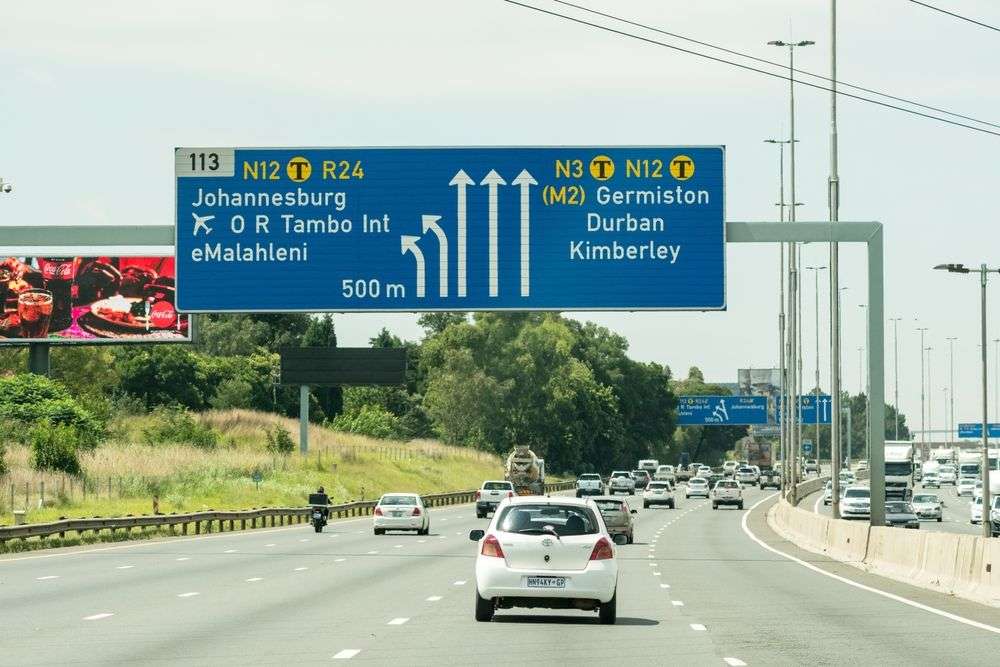
The Test-Drive Checklist: What to Check Before You Buy a Used Car (SA)
Introduction
Before you buy any used car in South Africa, drive it from a genuinely cold start across four conditions - open road, crawling traffic, a hill and a reverse manoeuvre - because those are the moments that surface the faults a static walk-around will never reveal. Get this wrong and you inherit someone else's slipping clutch, tired gearbox or overheating drama, often costing tens of thousands of rand once you are the registered owner. My launch-drive routine as a road-tester follows exactly this logic, and a used-car test drive checklist deserves the same discipline. In 2026, with cars holding their value and repair bills climbing, twenty focused minutes behind the wheel is the cheapest insurance you will ever buy.
Key takeaway: Insist on a cold start, then drive the car across highway, slow traffic, a hill and a reverse before you talk money.
How to use this checklist
Work through the sections in order, on the day you view the car, ideally in the morning so the engine is cold. Take a friend to listen while you concentrate on the controls. Tick items off as you go and treat any red-flag item as a hard stop. For the paperwork and mechanical side, pair this with our Used-car inspection checklist.
Print / save this checklist and take it with you, on paper or on your phone, so nothing gets forgotten in the moment.
Before you start: the cold start test
The single most revealing moment of the whole exercise happens before you even pull away, so arrive early and do not let the seller warm the car up for you.
- ☐ Arrive to find the bonnet stone cold, not warm to the touch. A pre-warmed engine can mask a rough idle, smoky start or hard-starting fault the seller would rather you missed.
- ☐ Watch the exhaust on that first fire-up: blue smoke suggests oil burning, white smoke that lingers can mean coolant, black smoke a fuelling issue.
- ☐ Listen for a clean, settled idle within a few seconds, with no persistent ticking, knocking or rattling.
- ☐ Check every warning light illuminates on ignition, then extinguishes. A missing airbag or engine light can mean a removed bulb hiding a fault.
- ☐ Open the oil filler cap and look for a mayonnaise-like residue, a classic head-gasket warning sign when buying a used car.
On the move: what to check on a test drive
A lap around the block tells you almost nothing. You need a proper route, and the good news is most South African towns offer all four conditions within a few kilometres.
Plan a route with real variety
- ☐ Include a stretch of highway or freeway at 100 to 120km/h to expose vibration, wind noise and a gearbox that hunts or slips.
- ☐ Include stop-start slow traffic to feel the clutch, the auto's low-speed shifts and whether the temperature gauge climbs.
- ☐ Find a decent hill and pull up it under load. An engine that struggles, a slipping clutch or an auto that flares revs shows itself on an incline, not on the flat.
- ☐ Reverse and parallel-park it, testing the gearbox in reverse, the handbrake on a slope and the turning circle.
Use your ears, not just the seller's patter
- ☐ Turn the radio off for the first few kilometres and listen for knocks, rattles, squeaks and driveline clunks.
- ☐ Note any whining that rises and falls with road speed rather than engine speed, a possible wheel-bearing or diff complaint.
- ☐ Listen over speed bumps and rough tar for suspension knocks that point to worn bushes, shocks or ball joints.
Dynamics: how the used car actually drives
This is where a veteran's feel earns its keep, and where used car test drive tips become genuinely valuable. Concentrate on what the car is telling you through the controls.
- ☐ On a straight, quiet stretch, ease your grip and check the car tracks straight without pulling left or right. A pull can mean anything from a cheap alignment to a bent chassis after a shunt.
- ☐ Brake firmly (safely) and feel for vibration through the pedal or wheel, which usually means warped discs.
- ☐ Check the brakes stop the car squarely, with no pulling to one side.
- ☐ On a manual, find the clutch bite point: a very high bite near the top suggests a worn clutch that goes like the clappers towards its next replacement bill.
- ☐ Work through every gear, up and down, feeling for baulking, crunching or a shift that is anything but smooth.
- ☐ On an automatic or DSG, feel for harsh, delayed or hunting shifts and any shudder pulling away.
- ☐ Test the handbrake or electronic parking brake holds firmly on the steepest slope you can find.
Electronics: everything that switches on
Modern cabins are dense with technology, and a single failed module can be eye-wateringly expensive, so audit the lot methodically once the engine is running.
- ☐ Run the aircon from cold and confirm it blows genuinely cold within a minute, then switch to hot and confirm that too.
- ☐ Operate every window, mirror, sunroof and central-locking function individually.
- ☐ Pair your phone and test the infotainment, speakers, reverse camera and any 360-degree cameras.
- ☐ With the engine running, confirm no warning lights remain lit on the cluster. A lingering ABS, airbag or engine light is money and, in the case of airbags, safety.
- ☐ Test the lights front and rear, including indicators, brake lights, fog lights and any adaptive or Matrix LED functions the car claims to have.
After the drive: the final inspection
Do not shake hands the moment you switch off. Let the car sit for a few minutes and go back to it.
- ☐ Reverse the car off its spot and check the tarmac underneath for fresh oil, coolant or transmission fluid. A leak that only appears after the engine is hot and pressurised is exactly what a quick glance misses.
- ☐ Feel the wheels for uneven heat: one hot brake can mean a seized caliper.
- ☐ Re-check the coolant and oil levels and colours now that everything is warm.
- ☐ Restart the hot engine to confirm it fires cleanly and holds a steady idle.
Red flags: when to walk away
Walk away, no matter how good the price, if you find any of these:
- ☐ The seller warmed the car before you arrived and refuses a proper cold start.
- ☐ Blue or white smoke that will not clear, or mayonnaise under the oil cap.
- ☐ A warning light that stays on, or bulbs that never illuminate at all.
- ☐ A steering pull, brake vibration or clutch that is clearly on its way out.
- ☐ Fresh fluid on the ground after the drive.
- ☐ The VIN and engine numbers do not match the papers, or the car may still carry outstanding finance.
Next steps
A disciplined test drive is where a used car either earns your money or loses your interest, and few buyers do it thoroughly enough. Once the car passes, sanity-check the asking price with our AI Car Valuator, then run a Check for outstanding finance before a cent changes hands. When you are ready to shop, you can Browse verified listings and put this routine to work on the strongest candidates.
Summary
This checklist covers what to inspect and feel for during a used-car test drive in South Africa, from a cold start through highway, traffic, a hill and parking. It is written for private buyers assessing a car before committing.