Toyota Corolla (2024) vs Toyota Corolla Cross (2025)

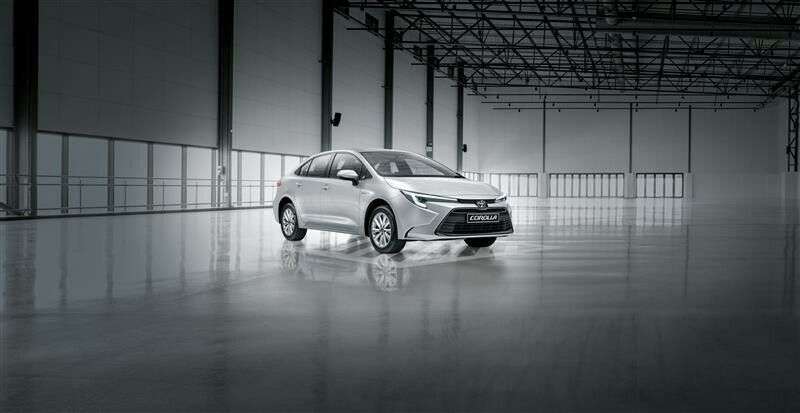
Buy the Toyota Corolla Hatch if you care more about how a car feels than how much it can carry. It’s lighter, sharper, and sips fuel on the open road. Looks good outside any Cape Town coffee hangout.
Introduction
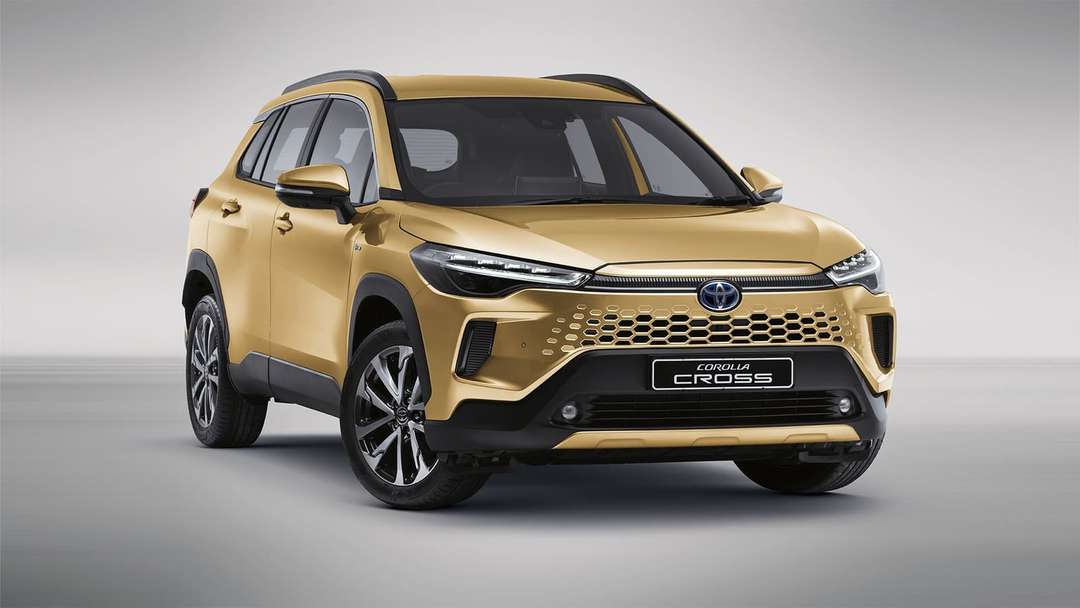
If you’re in Sandton, hunting for a tight parking spot, the 2024 Toyota Corolla Hatch hybrid makes sense. It’s low, sips fuel, and feels made for solo city life. But if you’re rolling up a rutted driveway, have kids or want that all-important SUV stance, the 2024 Corolla Cross hybrid is your answer. Both share the proven Toyota hybrid setup, and both have Prospecton in their blood, yet they serve totally different needs. Toyota South Africa’s choice is simple: proven hybrid tech in a hatch or a homegrown SUV? Turns out, it’s a much harder choice than you’d think.
Key takeaway: Pick the Corolla Hatch for sharper handling and lower running costs. Choose the Corolla Cross for its family-friendly practicality, higher seating, and stronger resale – especially in SA.
Design & Exterior
Stance and presence
On paper at least, they share a badge and little else. The Hatch cuts a low figure at 1,435 mm tall and 1 790 mm wide, with a length of 4 370 mm. Squat, almost coupe-like from certain angles, with those new LED headlights looking sharp after the facelift. Parked at a Rosebank Woollies, expect some curious glances. The Cross, not so much – but that’s not its game.
SUV proportions
Corolla Cross is the taller, broader sibling. At 4 460 mm long, 1 825 mm wide, and 1 620 mm tall, it towers 185 mm above the Hatch. Climbing in, you feel the difference. That extra ride height isn’t just cosmetic: on our cratered urban roads, it’s real-world protection. I once watched a Corolla Cross float over a nasty patch of Mamelodi speed humps, while a Hatch behind me slowed to a crawl. Plus, the Cross gets bolder colours and those two-tone roofs – options you won’t find on the Hatch.
Cabin & Practicality
Materials and tech
Step inside and it’s familiar Toyota: same steering wheel, switchgear, infotainment basics. The updated Hatch gets an 8-inch touchscreen with wireless CarPlay and Android Auto, and higher trims add a 12.3-inch digital cockpit. Cross runs the same infotainment, but it sits higher up. Materials? Decent. Not luxury, but not bargain-basement either. Importantly, Toyota’s stuck with physical knobs and buttons for climate and audio – a godsend at the Gillooly’s Interchange on the N3, when you’re hunting for demist with one eye on the road.
Space where it counts
- Boot space: The Cross wipes the floor here. Its load bay nearly doubles the Hatch’s 217-litre effort. If you pack smart, you’ll fit a pram and a full Makro shop.
- Rear legroom: The Cross wins again, thanks to that taller, longer body.
- ISOFIX: Both have two rear ISOFIX points. It’s just easier to load a child seat into the Cross – the doors open wider.
- Driver position: The Hatch strikes back. Enthusiasts will love the low-set seat and the way the dash falls away – it feels right in your hands and feet.
- Visibility: Obvious win for the Cross. That 1 620 mm height lets you see over Polos in Cape Town’s traffic, not just into their rear windows.
Stack up the numbers, and the Cross takes four of five practicality points. The Hatch only wins for driver engagement – but that’s not what most buyers need when you’ve got two kids and a dog in the back seat.
On the Road
The Hatch on the N3
At 1 240 kg, the Hatch carries 65 kg less than the Cross. That’s not trivial – you feel it when pulling away or darting into a gap in traffic. It’s more eager, especially at city speeds. The eCVT finds its groove at highway pace, avoiding that constant drone people moan about. Last winter, on a run from Joburg to Harrismith, I clocked 4.9 L/100km at 120 km/h. Toyota claims 4.6 L/100km. That’s impressively close – not just lab numbers.
The Cross around town
Cross is built for family life. It’s softer, taller, and feels more at home on school runs or in mall parking. The steering is light – my mother-in-law loves it. Personally, I find it a bit vague on the R44 between Stellenbosch and Paarl. In stop-start Sandton traffic, the Cross spends a surprising amount of time in EV mode. The kicker? City consumption is actually better in the Cross (4.0 L/100km) than the Hatch (4.1 L/100km) – a quirk of the Cross’s hybrid setup. That matters for city dwellers.
Highway character
Out on the open road, the Hatch gets its own back. Extra-urban fuel use drops to 4.7 L/100km, compared to the Cross’s 5.1 L/100km. That’s thanks to its lighter weight and sleeker shape. Over a 1 000 km trip, you’ll save about four litres of fuel – roughly R100, if you’re filling up in Gauteng. Not massive once-off, but over five years it adds up.
Specs & Ownership
Side-by-side comparison
| Spec | Toyota Corolla Hatch (2024) | Toyota Corolla Cross (2024) |
|---|---|---|
| Engine | 1.8 (104 kW) Hybrid e-CVT | 1.8 (104 kW) Hybrid e-CVT |
| Torque | 142 Nm | 142 Nm |
| Drive | Front Wheel Drive | Front Wheel Drive |
| Combined fuel use | 4.6 L/100km | 4.9 L/100km |
| Urban fuel use | 4.1 L/100km | 4.0 L/100km |
| Extra-urban fuel use | 4.7 L/100km | 5.1 L/100km |
| Length | 4 370 mm | 4 460 mm |
| Height | 1 435 mm | 1 620 mm |
| Kerb weight | 1 240 kg | 1 305 kg |
| 5-year TCO (est.) | R342 700 | R350 050 |
TCO and the residual question
Five-year ownership? R342 700 for the Hatch, R350 050 for the Cross – just R7 350 apart. Feels close, but here’s the twist: the Cross holds its value far better. SUVs rule the used market in SA. Since the Hatch’s XS trim was dropped in early 2026, only the XR is left, so second-hand demand is thin. Meanwhile, the Cross is everywhere, rolling out of Prospecton, with parts and service easy to find. Buyers actually want them used.
Both hybrids get Toyota’s 3-services/45 000 km service plan, plus that crucial 8-year hybrid battery warranty. That’s the real safety net here. It makes a hybrid Toyota far less risky than a Chinese upstart for now.
Verdict
Corolla Hatch: Buy it if you care about how a car feels to drive, not just how much it can swallow. It’s lighter, sharper, and impressively efficient on the open road. Looks good in a Cape Town coffee queue. Honestly, it’s what the petrol Corolla Hatch should have been from the start – efficient, up-to-date, and actually a bit of fun.
Corolla Cross: Buy it if you’ve got a family, a gravel driveway in Plett, or just want that raised seating South Africans love. You lose some efficiency and fun, but gain real boot space, easier kid-seat loading, stronger resale, and peace of mind with local assembly.
Value-focused? Corolla Cross is the one. That R7 350 five-year cost difference is nothing compared to what you’ll get back at resale.
Chasing comfort? Cross again. It’s taller, softer, less stressful in city chaos, and easier to see out of.
Enthusiast? The Hatch. Lower, lighter, and the hybrid eCVT actually comes alive in this body.
Thinking of waiting? Rumour has it that the 13th-gen Corolla lands in late 2026. If you’re dead set on the Hatch, maybe pause – it’s nearly run its course here. The Cross, updated for 2024, still has legs.
After a week running both across Gauteng and the Cape Winelands, I’d pick the Corolla Cross for my family. Still, I’d miss the Hatch’s balance every time a bendy road appeared. That’s the real answer to the Corolla vs Corolla Cross South Africa question – and that’s the point.
Summary
This is a straight-up, South African-focused comparison between the 2024 Toyota Corolla Hatch hybrid and the 2024 Toyota Corolla Cross hybrid. Both use the same 1.8-litre full-hybrid powertrain, but wear completely different suits. Think of it as a proper breakdown for local buyers: design, cabin pr