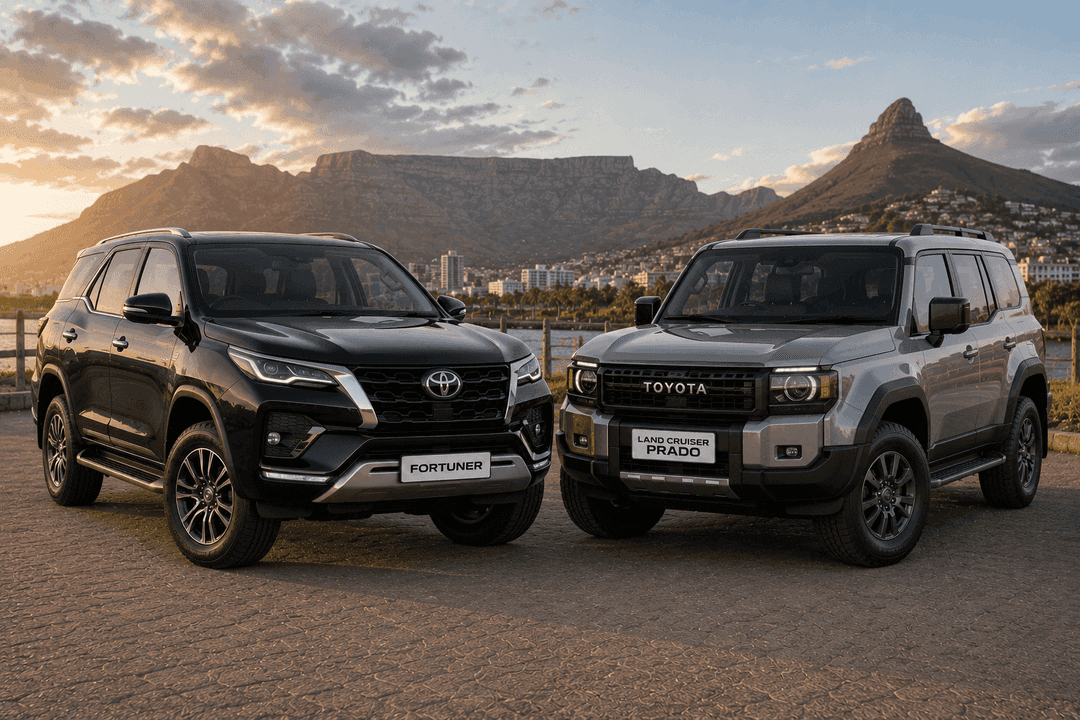
Toyota Fortuner vs Ford Everest (2025)

After a week shuttling between Gauteng and the Eastern Cape in both, I’d spend my own cash on the Everest 3.0 V6 for the kind of N1 kilometres I actually do.
Introduction
Look, the 2025 Fortuner is for buyers who want resale immunity, Hilux-level spares anywhere from Polokwane to Paarl, and a 2.8 GD-6 that just keeps going. The Everest? That’s for people after real V6 shove, up-to-date tech, and something that makes N3 highway stints feel less of a chore. Both are built for South Africa – body-on-frame, seven seats, made to take a beating – but they’re aiming at different buyers. I’ve logged enough time in both to know spec sheets don’t tell you how these feel where it counts.
Key takeaway: Fortuner dominates resale and parts access. Everest leads with refinement, tech, and honest performance. Forget the badges – pick what matters for you.
Design & Exterior
Stance and proportions
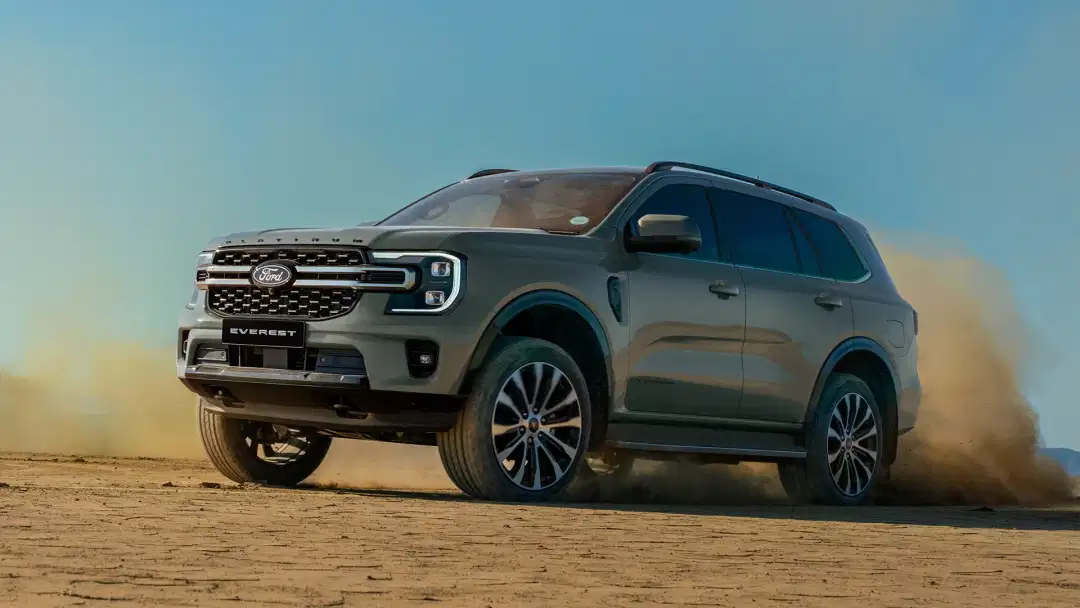
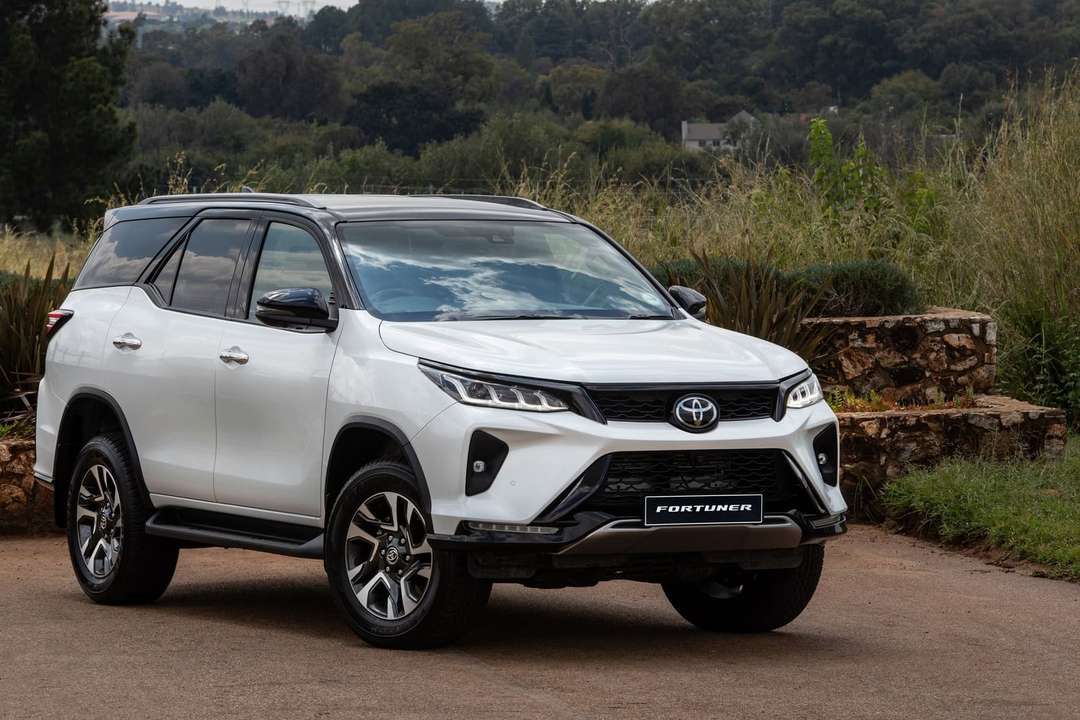
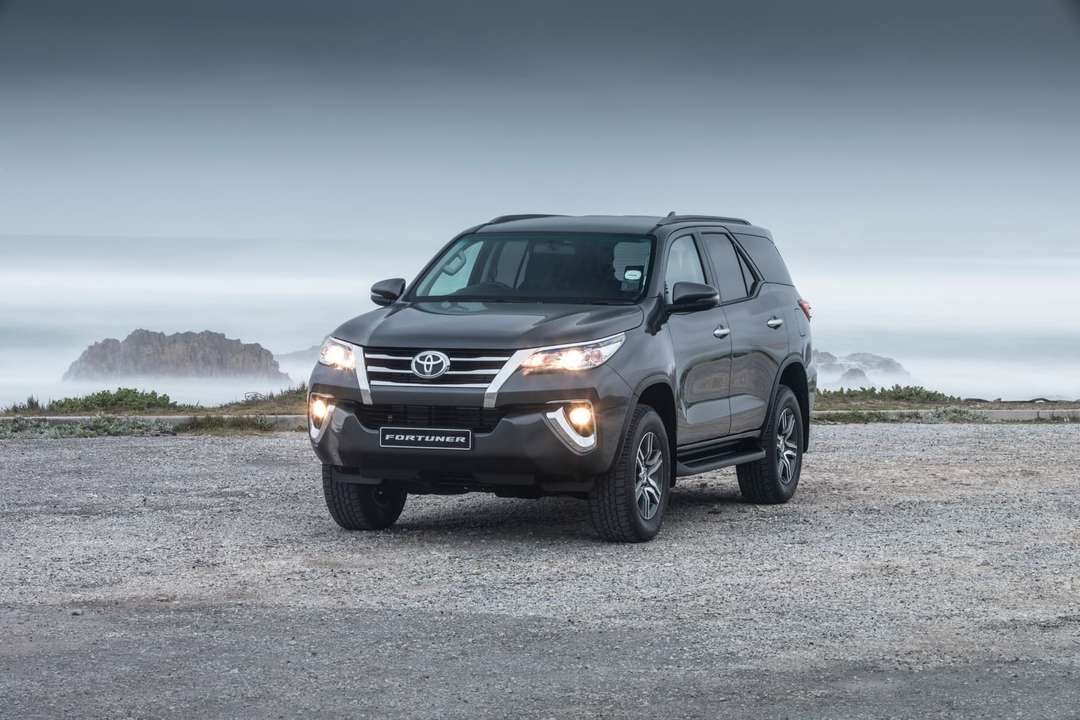
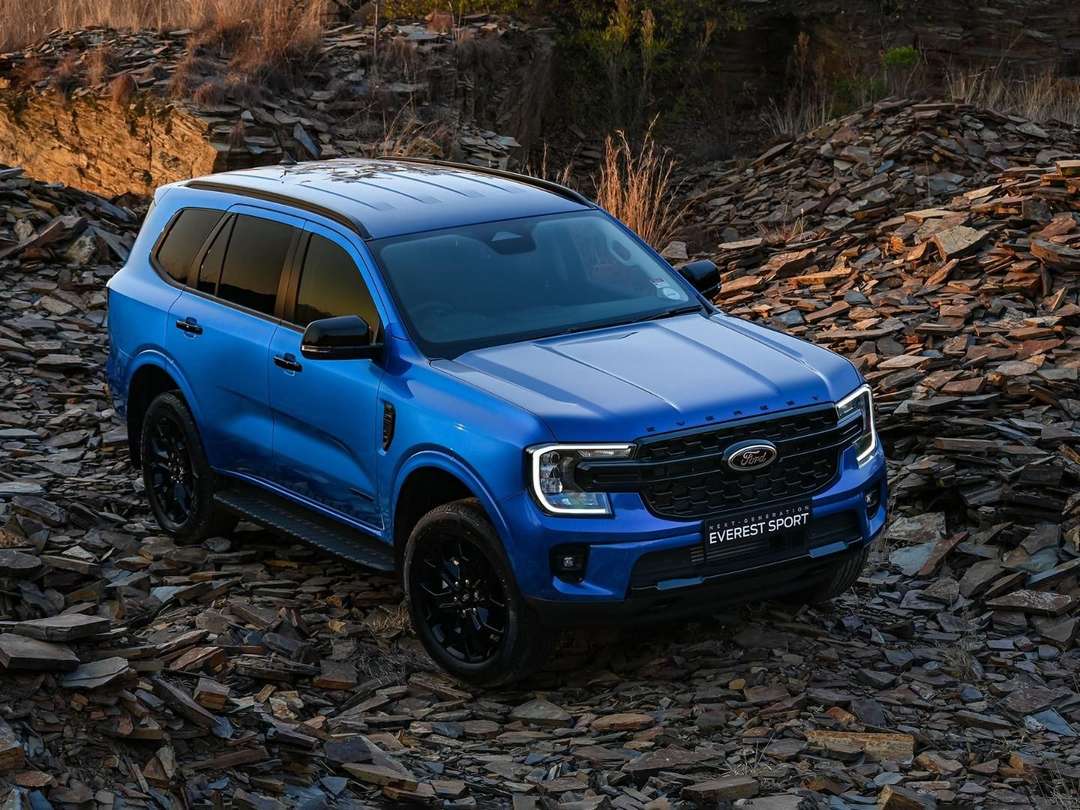
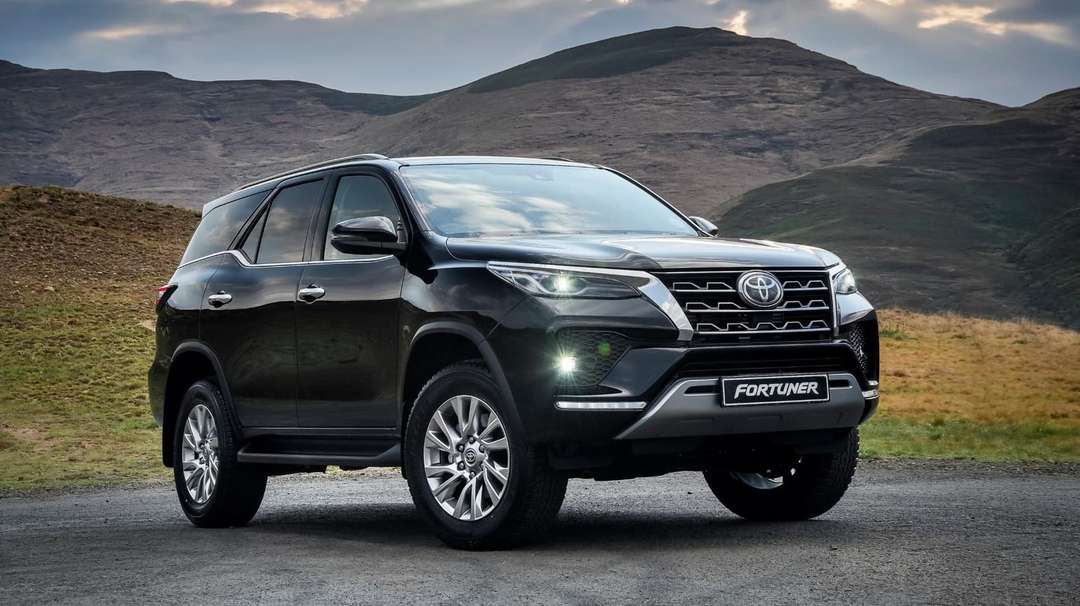
Everest is the muscle here, no question. From across the Builders Warehouse parking, its 4914 mm length and 1923 mm width give it street presence that’s hard to miss. Wheelbase? 2900 mm. That’s stretch for days. The Fortuner feels smaller at 4795 mm long and 1855 mm wide, even though the heights are almost matched (1835 mm vs 1837 mm). Everest’s blocky shape and broad grille highlight how much the Fortuner’s lines belong to a different era. It’s what the Fortuner’s always looked like – not just a facelift story.
Which one feels more premium kerbside
Quick story: last winter, Everest Platinum stood out in a Hermanus hotel forecourt - Matrix LEDs, wide grille, crisp lines. Fortuner VX adds chrome, GR-Sport tries for the blackout vibe, but the core shape looks old next to the Ford. Both clear ugly potholes with no drama. But that Everest width? You’ll feel it threading through tight Karoo town streets or old Cape Town parking garages.
Cabin & Practicality
Materials and tech
Inside, Everest runs away from the Toyota. A 12-inch SYNC 4A touchscreen in portrait, wireless CarPlay and Android Auto that just hook up, and a digital cluster that finally feels 2025. Fortuner soldiers on: 8-inch screen, dinky 4.2-inch driver display, wireless phone mirroring only up top. Toyota’s plastics are honest but not premium. Everest’s dash and doors? Soft-touch, stitched, feels a league up. Both keep real climate knobs because touch-only HVAC is still a daily pain, especially crawling through Fourways traffic.
Boot, seats and family duty
- Seats: Both seat seven, five doors apiece. That’s the standard play.
- Third-row access: Everest’s third row folds flat (electric on pricier models). Fortuner? Still parks those seats upright, eating into boot width.
- Boot behind row two: Everest wins for actual, square cargo space. If you pack smart, it’ll swallow a double pram without a fight.
- ISOFIX: Both offer two ISOFIX points in the second row.
- Rear legroom: The Everest’s 2900 mm wheelbase gifts genuine stretch-out space in the middle row.
Everest takes it for materials, infotainment, boot practicality and legroom. Fortuner counters with simpler, tougher switches – and after 200 000 km, you’ll care about that, trust me.
On the Road
Powertrain feel
Everest’s 3.0 V6 turbo-diesel: 184 kW, 600 Nm, 10-speed auto. Fortuner’s 2.8 GD-6: 500 Nm, 6-speed auto. On paper at least, the Everest’s extra 100 Nm and four more gears change everything when you’re overtaking trucks up Van Reenen’s Pass. The V6 just shrugs. Fortuner’s 2.8 is never slow – numbers put the 4x4 AT at about 11.3 seconds to 100 km/h – but the Everest is both quicker and noticeably quieter. Downside? That 10-speed can hunt for gears around town, while the Fortuner’s six-speed prefers to stick with a gear, even if it’s not always the best one for the moment.
Ride, steering and SA road context
Personal note: I did a Sandton-to-Bela-Bela run in the Fortuner GR-Sport, then took the Everest Sport back. The Fortuner’s ride is firm, especially over those concrete expansion joints – you really feel the Hilux DNA on rough tar near Hammanskraal. Everest’s coil-sprung rear just smooths things out. Steering? Fortuner uses an old-school hydraulic rack – seriously heavy in parking basements (think Sandton City ramps). Everest’s electric setup is lighter, more predictable. That matters, because most of us are doing the school run or N1 slog, not prepping for Dakar.
Off-road and towing
Both come with proper part-time 4x4, low range, and rear diff lock (if you pick the right model). Fortuner sits at about 216 mm ground clearance and brings that Hilux-level water-wading confidence. Everest matches the numbers and adds selectable terrain modes that genuinely help in deep sand. Towing? Both are rated for 3 500 kg braked. Whether it’s a Vaal Dam boat or a horsebox, either can haul – but the V6 Everest stays calmer, less stressed, with something heavy behind.
Specs & Ownership
| Spec | 2025 Toyota Fortuner 2.8 GD-6 4x4 AT | 2025 Ford Everest 3.0 V6 4x4 AT |
|---|---|---|
| Engine | 2.8d (150 kW) 4WD Automatic | 3.0d V6 Turbo (184 kW) 4x4 Automatic |
| Power | Not specified in canonical data | 186 kW (250 hp) |
| Torque | 500 Nm | 600 Nm |
| Gearbox | 6-speed automatic | 10-speed automatic |
| Fuel consumption (combined) | Not specified in canonical data | 8.5 L/100km |
| Length / Width / Height | 4795 / 1855 / 1835 mm | 4914 / 1923 / 1837 mm |
| Wheelbase | Not specified in canonical data | 2900 mm |
| Kerb weight | Not specified in canonical data | 2454 kg |
| Seats / Doors | 7 / 5 | 7 / 5 |
| 5-year TCO (est.) | R230 000 | R425 500 |
| Service plan | 9 services / 90 000 km | Ford service plan (check current offer) |
Real-world running costs
Now the numbers get brutal. Fortuner’s five-year TCO at R230 000 versus Everest’s R425 500 isn’t a typo. This isn’t only about fuel. SA testing puts the Fortuner 2.8 around 9.5 L/100km in mixed driving, Everest V6 closer to 10 L/100km, no matter what the claimed 8.5 says. Parts, insurance, depreciation – this is where Everest gets hit hardest. Fortuner’s engine is everywhere: Hilux, Prado, even Land Cruiser 70, so you’ll find spares in Upington on a Friday. Toyota’s 10 000 km/6 month service intervals mean more pit stops, but you’ll always find a dealer. Everest gives you longer intervals, but pricier parts. That’s the point: Fortuner is just cheaper to keep in South Africa, plain and simple.
Verdict
Everest is the pick if comfort’s your thing, you’re doing 35 000 km a year on N1, N2, N3, and you want the best tech and V6 smoothness. It’s also the one for regular towing jobs, or if you just want the quietest, calmest ride in this class.
For the driver who wants steering that feels right, Everest is easier to live with: lighter wheel, better auto, less tyre roar. For the cost hawk, Fortuner wins before you even fire it up.
Wait scenario
A new-gen Fortuner is expected in late 2026, riding the IMV platform and likely bringing 48V mild-hybrid 2.8s in more trims. If you can hold out another year, waiting won’t hurt. Everest U704 is only at mid-life; nothing major changes until at least 2027. No need to stall your Everest buy.
Personal close
After a week splitting time between Gauteng and the Eastern Cape, I’d spend my own money on the Everest 3.0 V6 for the kind of N1 mileage I actually do. But I totally get why Fortuner’s stress-free resale and dealer safety net will always tip the scales for others. That’s the reality: Fortuner is the head’s pick, Everest goes for the heart. And for once, both are solid decisions…
Summary
Here’s a straight-up, brand-agnostic look at the 2025 Toyota Fortuner 2.8 GD-6 4x4 AT against the 2025 Ford Everest 3.0 V6 Turbo Diesel 4x4, for South African families who actually buy and use these things. Design, family practicality, road manners, real-world running costs, and which seven-seater h