10 Best First Cars in South Africa

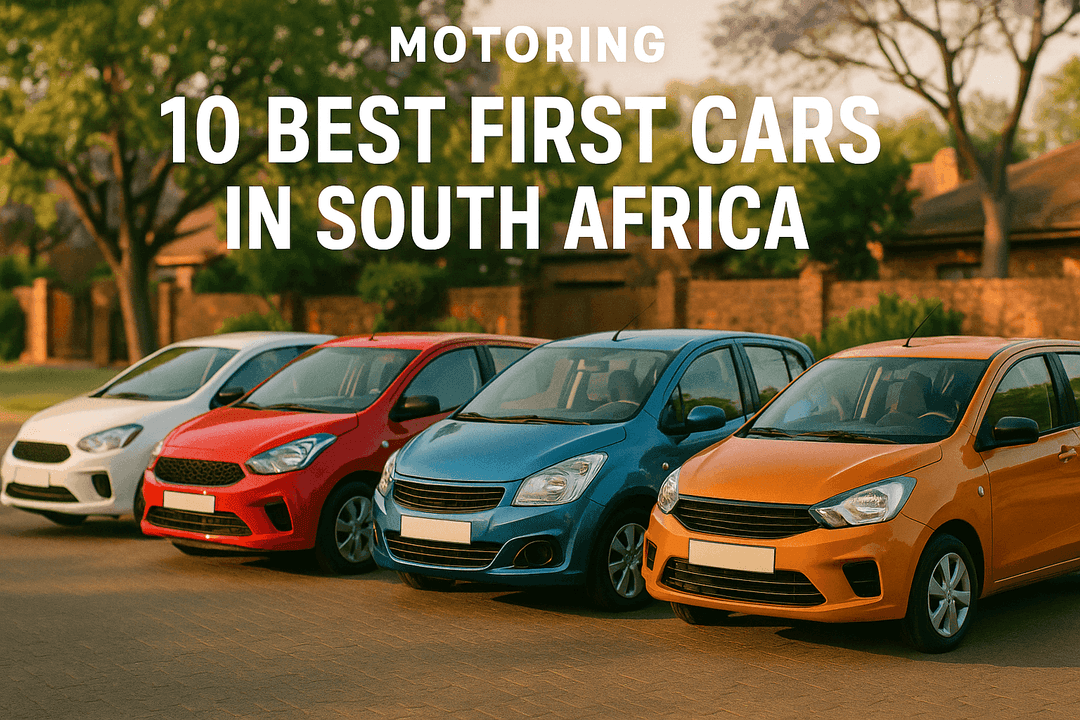
10 Best First Cars in South Africa
Buying your first car in South Africa is equal parts excitement and mild financial panic. Insurance quotes start flying around, petrol prices glare from the forecourt board, and suddenly every hatchback on the road looks like a potential life decision.
South Africans who are stepping into car ownership for the first time often want something affordable, reliable, and still fun enough to drive without feeling like a compromise on wheels.
Budget, fuel consumption, and resale value are all crucial factors to consider before your first purchase. South Africa’s market offers many entry-level options, though not all deserve a spot in your driveway or garage.
Here are the 10 best first cars that balance price, practicality, and everyday driving appeal for new drivers.
10 Best First Cars in South Africa
1. Toyota Vitz
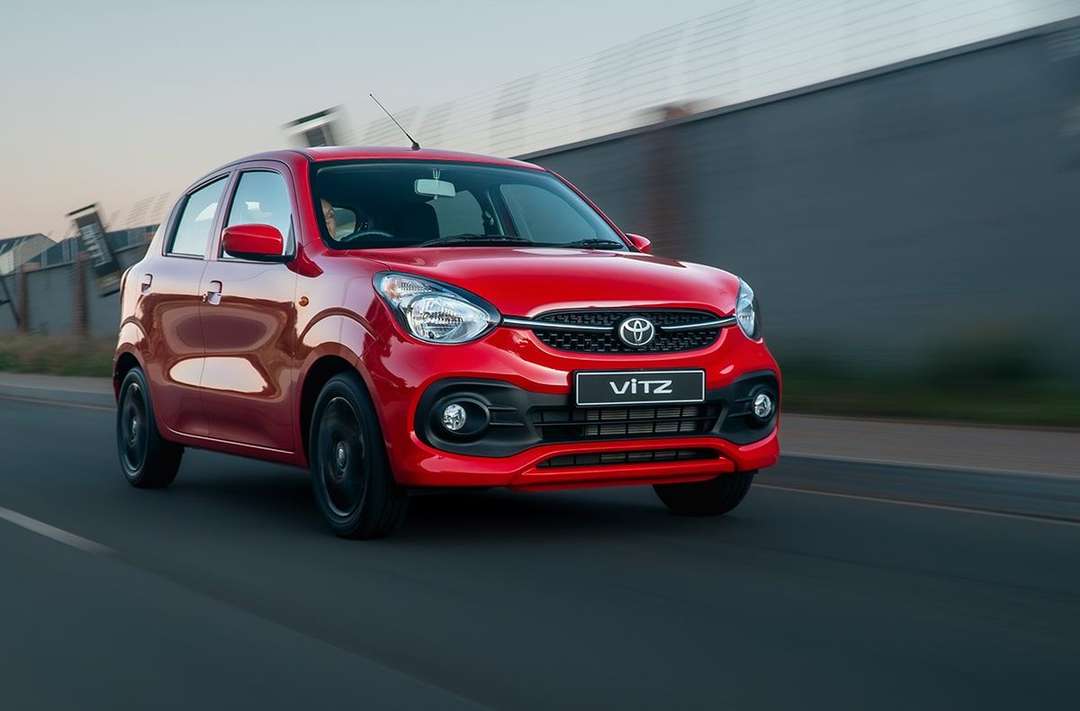
Toyota Vitz suits first-time buyers who want simple ownership. Toyota offers a 1.0-litre petrol motor with 49 kW and 89 Nm, paired with a five-speed manual gearbox.
Steering weight is light, the cabin layout is neat, and the 295-litre boot handles daily errands. Budget buyers can expect Toyota reliability, low petrol use, and manageable monthly ownership costs.
2. Suzuki Celerio
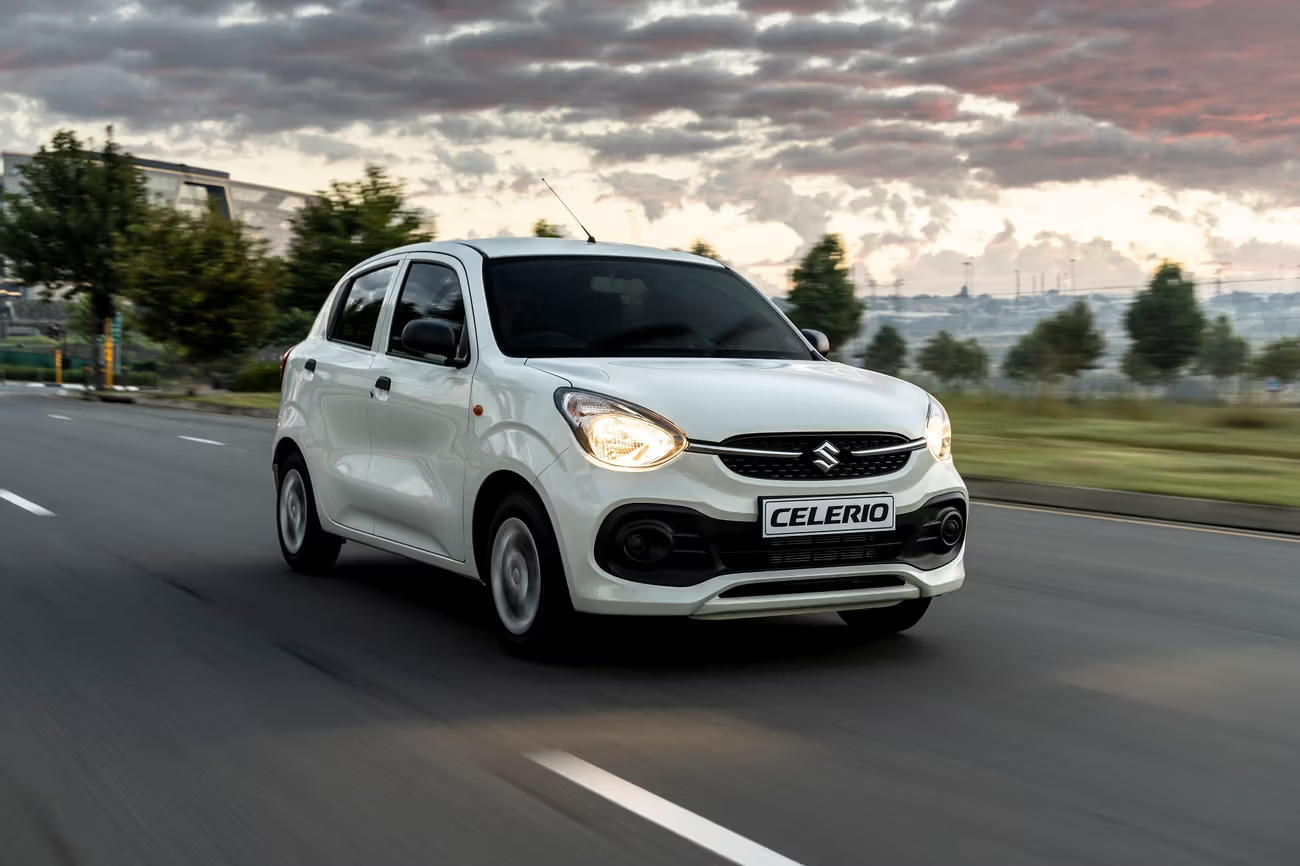
Suzuki Celerio delivers surprising practicality for an entry-level hatchback. A 1.0-litre petrol motor delivers 49 kW and 89 Nm, paired with either manual or AMT transmission. Official fuel use is around 4.2 L/100 km, and the 295-litre boot rivals larger hatchbacks, while the cabin offers generous headroom.
The Celerio is perfect for urban routes, giving first-time buyers thrift, simplicity, and extremely manageable ownership costs.
3. Suzuki Swift
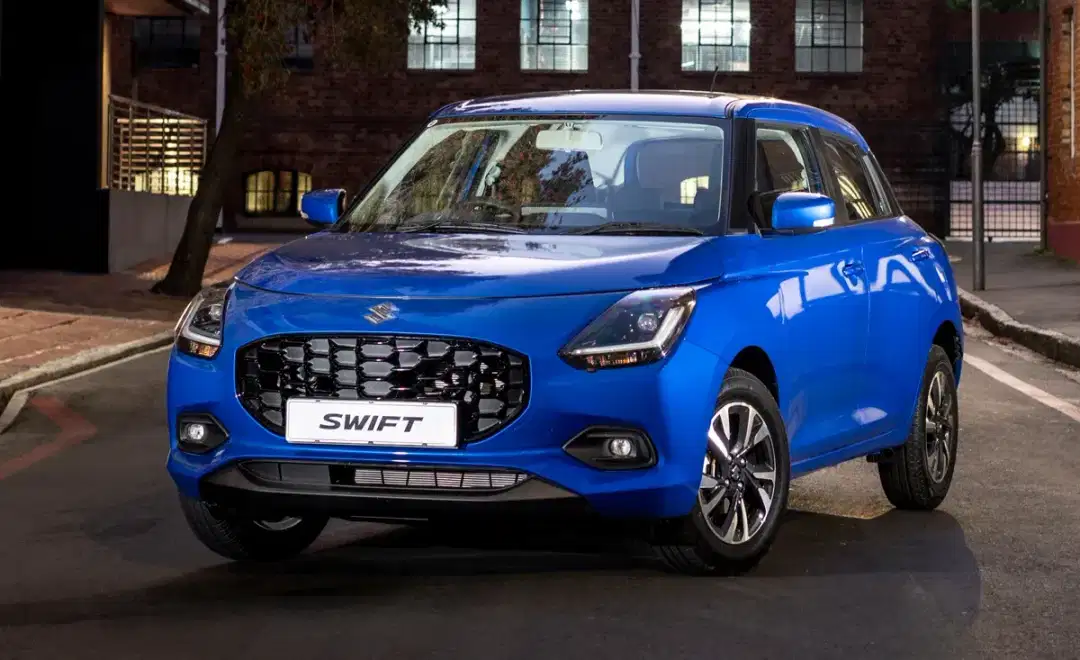
Suzuki Swift attracts new drivers who want personality as well as affordability. The latest Swift features a 1.2-litre three-cylinder petrol motor producing 60 kW and 112 Nm. Standard safety includes six airbags and stability control, and fuel consumption is 4.4 L/100 km.
Steering response is quick, the manual gearbox has short shifts, and the cabin avoids entry-level austerity. First-time owners can expect efficiency, style, and lively everyday driving character.
4. Hyundai Grand i10
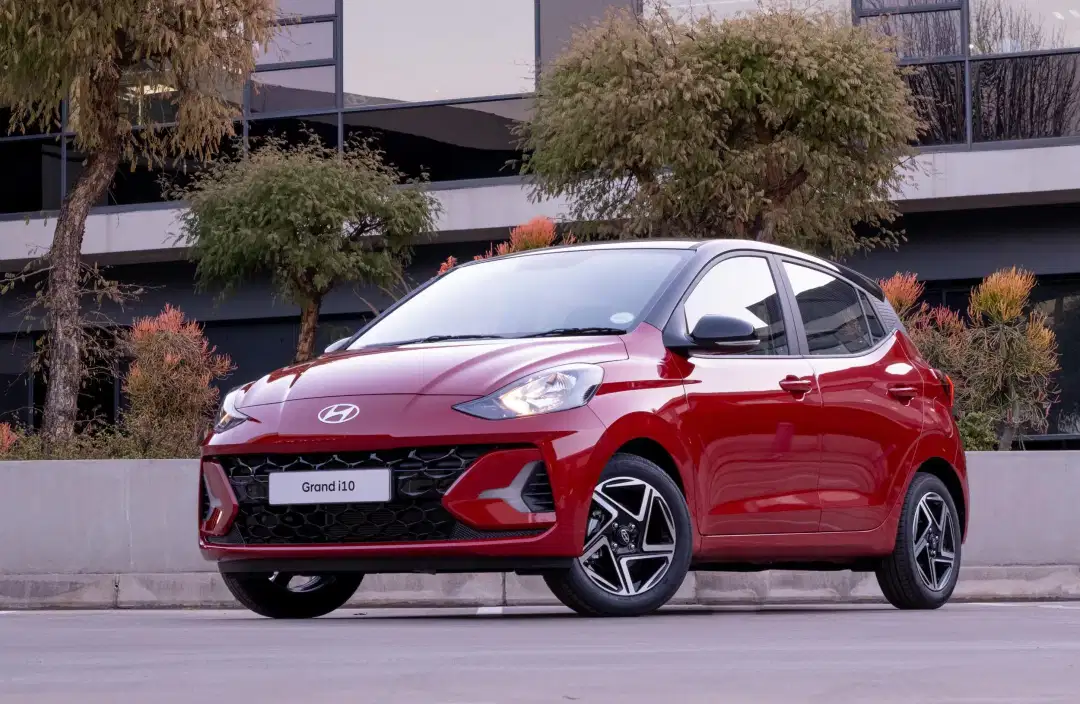
The Hyundai Grand i10 adheres to everyday urban demands practically and comfortably. Entry models feature a 1.0-litre petrol motor that produces 48.5 kW and 94 Nm. The boot capacity is 360 litres (one of the largest figures on our list), and fuel use is close to 5.5 L/100 km.
The suspension is perfect on any terrain, even uneven city streets, steering effort is light, and the cabin offers plenty of space for both passengers and luggage.
5. Kia Picanto
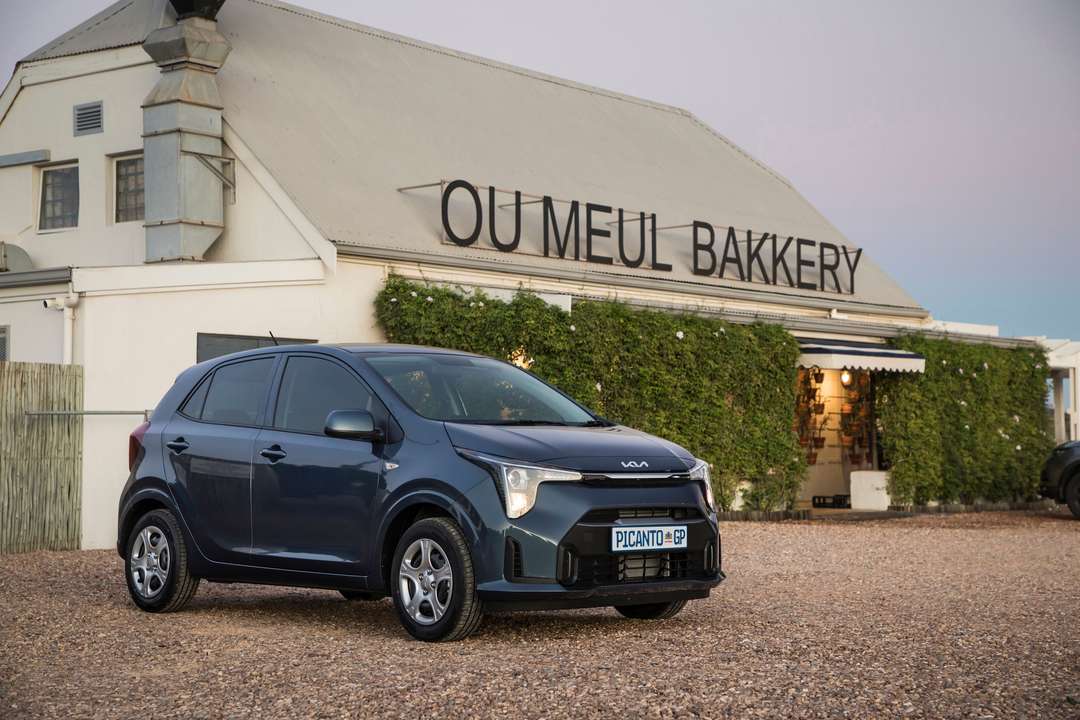
Kia Picanto thrives in tight urban environments where a smaller car is perfect. A 1.0-litre petrol motor produces 49 kW and 96 Nm, paired with manual or automatic transmission.
The exterior dimensions allow easy manoeuvres in crowded areas, while the cabin includes modern infotainment features. First-time owners get compact size, affordable ownership, and a long five-year unlimited-kilometre warranty.
6. Nissan Magnite
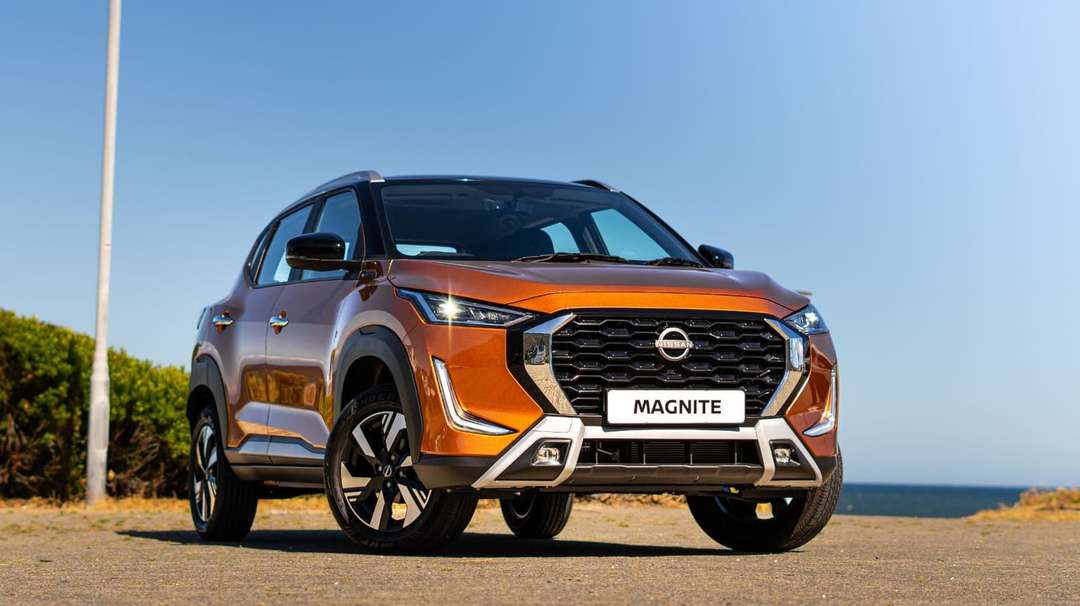
Nissan Magnite offers an SUV without demanding SUV money. Base models use a 1.0-litre naturally aspirated petrol motor delivering 53 kW, while turbo versions offer 74 kW and 152 Nm. Ground clearance measures 205 mm, and the boot holds 336 litres.
Elevated seating height improves road awareness. Young buyers can get crossover styling, practical cabin space, and technology that is rarely found in entry-level vehicles.
7. Mahindra XUV 3XO

Mahindra XUV 3XO introduces compact SUV buyers to impressive performance and safety. A 1.2-litre turbo petrol motor produces 82 kW and 200 Nm. Six airbags are standard across the range, unusual at this price level.
The cabin offers generous width and modern infotainment. On the road, acceleration is lively, and suspension handles uneven surfaces effortlessly.
8. Volkswagen Polo Vivo
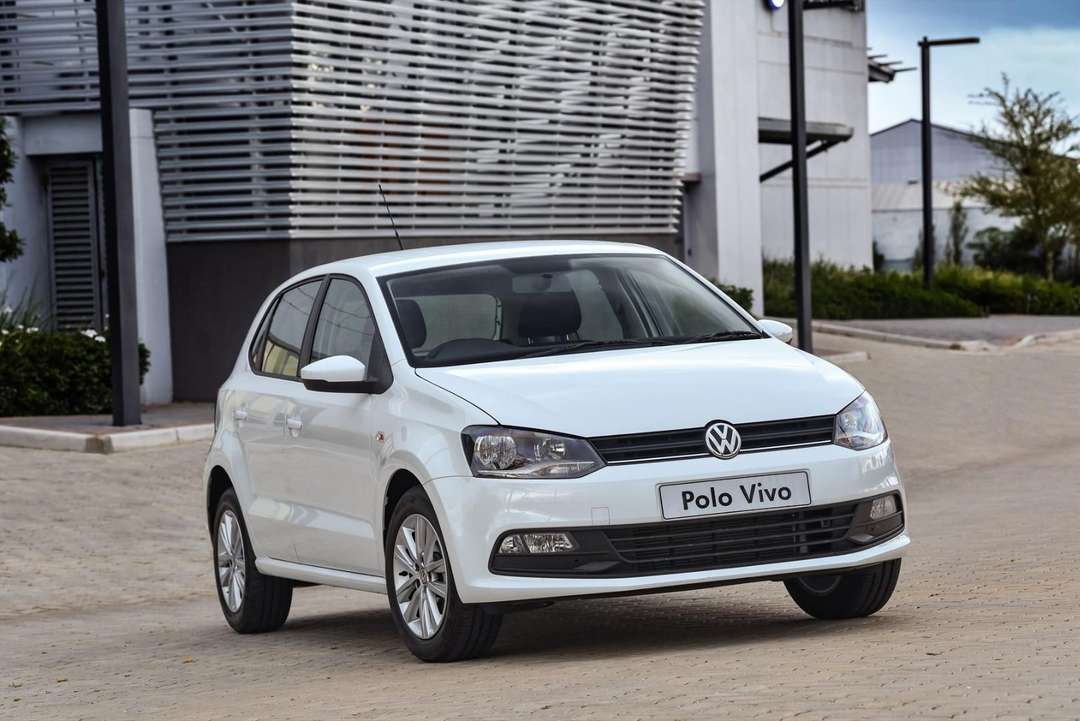
Volkswagen Polo Vivo is still one of South Africa’s most recognised first cars. Engine options range between 55 kW and 81 kW, depending on the model. Boot space measures 280 litres, while the 45-litre tank supports longer travel between fuel stops.
Steering accuracy helps on highways and urban roads alike. Buyers can expect wide service support, abundant spare parts availability, and decent resale interest nationwide.
9. Hyundai Exter
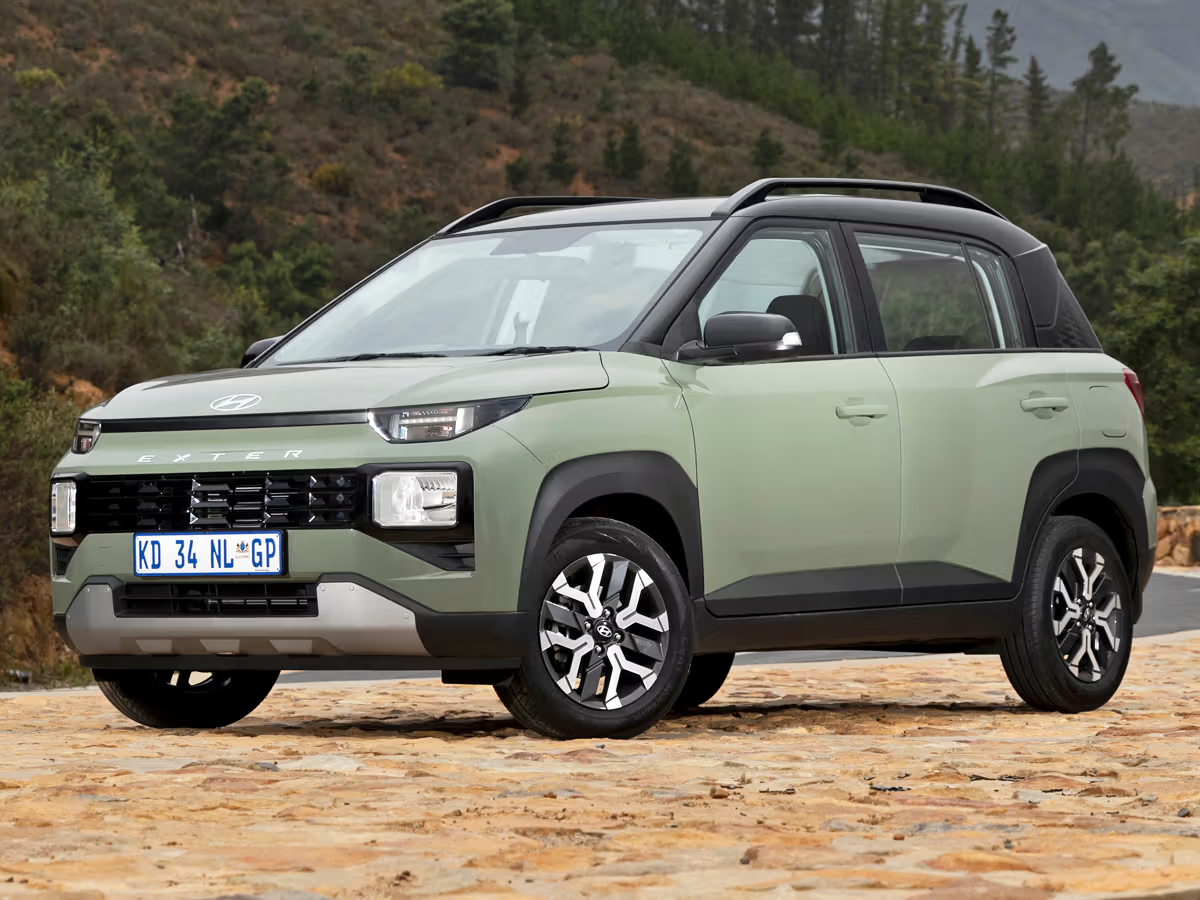
The Hyundai Exter blends compact hatchback dimensions with crossover attitude. A 1.2-litre petrol motor produces 61 kW and 114 Nm, ground clearance measures 185 mm, and boot capacity is up to 290 litres.
Raised ride height improves forward visibility in traffic, and cabin technology includes touchscreen infotainment and smartphone connectivity. First-time buyers receive SUV styling, manageable dimensions, and practical versatility for urban commuting and weekend trips.
10. Suzuki Dzire
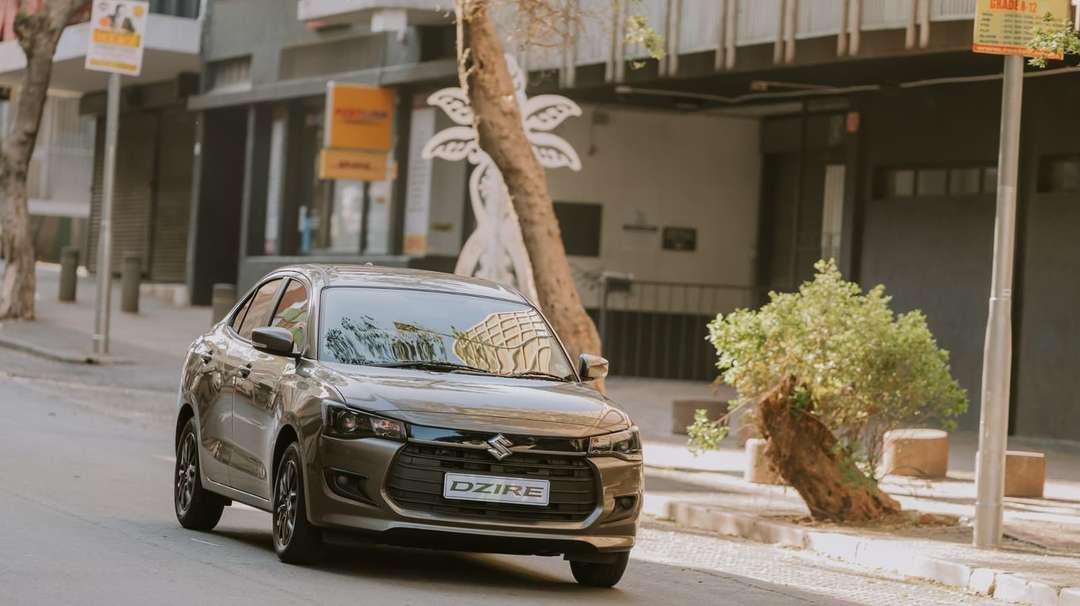
Suzuki Dzire suits those who want sedan practicality at hatchback pricing. The 1.2-litre petrol motor produces 61 kW and 113 Nm. Boot space measures a generous 378 litres, which is larger than most entry-level hatchbacks.
Fuel consumption averages about 4.9 L/100 km, and the cabin offers rear air vents, touchscreen infotainment, and comfortable seating. The Suzuki Dzire gives first-time buyers efficiency, spacious luggage capacity, and sensible everyday usability.
Comparing the 10 Best First Cars in South Africa Side-by-Side
| Model | Starting price | Engine/output | Fuel Consumption | Boot space | Warranty/plan |
|---|---|---|---|---|---|
| Toyota Vitz | R178,800 | 1.0 petrol, 49 kW, 89 Nm | 4.4 L/100 km | 295 L | 3 yr/100,000 km warranty; 4 services/60,000 km service plan |
| Suzuki Celerio | R188,900 | 1.0 petrol, 49 kW | 4.2 L/100 km | 295 L | 5 yr/200,000 km warranty; 4 yr/60,000 km service plan |
| Suzuki Swift | R227,900 | 1.2 petrol, 60 kW, 112 Nm | 4.4 L/100 km | 265 L | 5 yr/200,000 km warranty; 4 yr/60,000 km service plan |
| Hyundai Grand i10 | R224,900 | 1.0 petrol, 48.5 kW, 94 Nm | 5.5 L/100 km | 360 L | 5 yr/150,000 km warranty; 1 yr/15,000 km service plan |
| Kia Picanto | R224,995 | 1.0 petrol, 49 kW, 95 Nm | 5.0 L/100 km | 255 L | 5 yr/unlimited km warranty; 2 yr/30,000 km service plan |
| Nissan Magnite | R252,200 | 1.0 petrol, 53 kW, 96 Nm | 5.9 L/100 km | 336 L | 6 yr/150,000 km warranty; 3 yr/30,000 km service plan |
| Mahindra XUV 3XO | R259,999 | 1.2 turbo petrol, 82 kW, 200 Nm | From 5.3 L/100km | 364 L | 5 yr/150,000 km warranty; 3 yr/55,000 km service plan |
| Volkswagen Polo Vivo | R271,900 | 1.4 petrol, 55 kW, 130 Nm | 5.5 L/100 km | 280 L | 3 yr/120,000 km warranty; 5 yr/150,000 km engine warranty |
| Hyundai Exter | R269,900 | 1.2 petrol, 61 kW, 114 Nm | 5.7 L/100 km | 290 L | 5 yr/150,000 km warranty; 3 yr/45,000 km service plan |
| Suzuki Dzire | R229,900 | 1.2 petrol, 60 kW, 112 Nm | 4.4 L/100 km | 378 L | 5 yr/200,000 km warranty; 4 yr/60,000 km service plan |
Overall, first-car ownership in South Africa revolves around price, petrol consumption, insurance, and daily usability. Small hatchbacks like the Vitz, Celerio, Swift, Picanto, and Grand i10 are affordable and simple for new drivers.
Compact crossovers like the Magnite, Exter, and XUV 3XO offer height, space, and SUV attitude without escalating costs. Polo Vivo and Dzire are ideal for those who want proven reliability or sedan practicality.
Each option gives beginner drivers manageable power, decent running costs, and everyday versatility across commuting, errands, campus trips, and weekend drives on South African roads.
Frequently Asked Questions
What should a first-time car buyer look for in South Africa?
Purchase price, fuel consumption, service costs, insurance premiums, and resale value, because simpler engines and smaller vehicles usually reduce ownership expenses.
Are small hatchbacks better as first cars in South Africa?
Yes, smaller hatchbacks suit beginner drivers because they use less fuel, cost less to insure, and handle urban parking easily.
Are automatic cars better for first-time drivers in South Africa?
Yes, automatic transmissions remove the need to use a clutch in heavy traffic.
Are manual cars still popular for first cars in South Africa?
Yes, manual gearboxes are still most common because purchase prices are lower and maintenance costs usually are lower as well.
How important is resale value for a first car in South Africa?
Resale value is crucial. Popular brands typically attract buyers in the used market, which helps owners recover more of the money they spent on the vehicle.
Summary
Buying your first car in South Africa is equal parts excitement and mild financial panic. Insurance quotes start flying around, petrol prices glare from the forecourt board, and suddenly every hatchback on the road looks like a potential life decision.