10 Best Fuel-Efficient Cars in South Africa

10 Best Fuel-Efficient Cars in South Africa
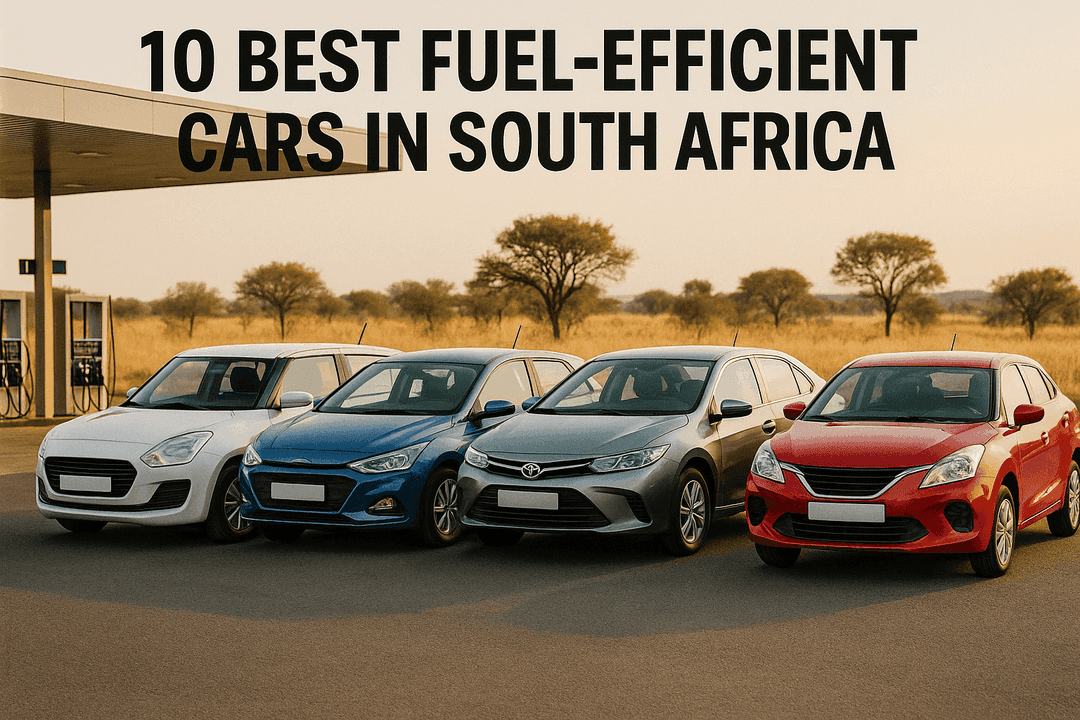
Fuel prices in South Africa can increase faster than gossip spreads during weekend braais, which makes fuel-efficient cars a smart buy. Hybrids, small hatchbacks, and clever turbo engines help a litre of petrol go further.
Modern tech helps drivers spend less time staring at the fuel gauge and more time enjoying the drive.
Some models consume petrol like a cautious student on a budget, while others blend electric power with petrol to squeeze every kilometre from the tank. Drivers who commute through Gauteng traffic or cruise the N1 to Cape Town will most likely see the savings add up quickly.
Below are ten of the most fuel-efficient cars South Africans can buy, ranked from frugal champion to impressively economical everyday runner.
10 Best Fuel-Efficient Cars in South Africa
1. Toyota Corolla Hatch Hybrid
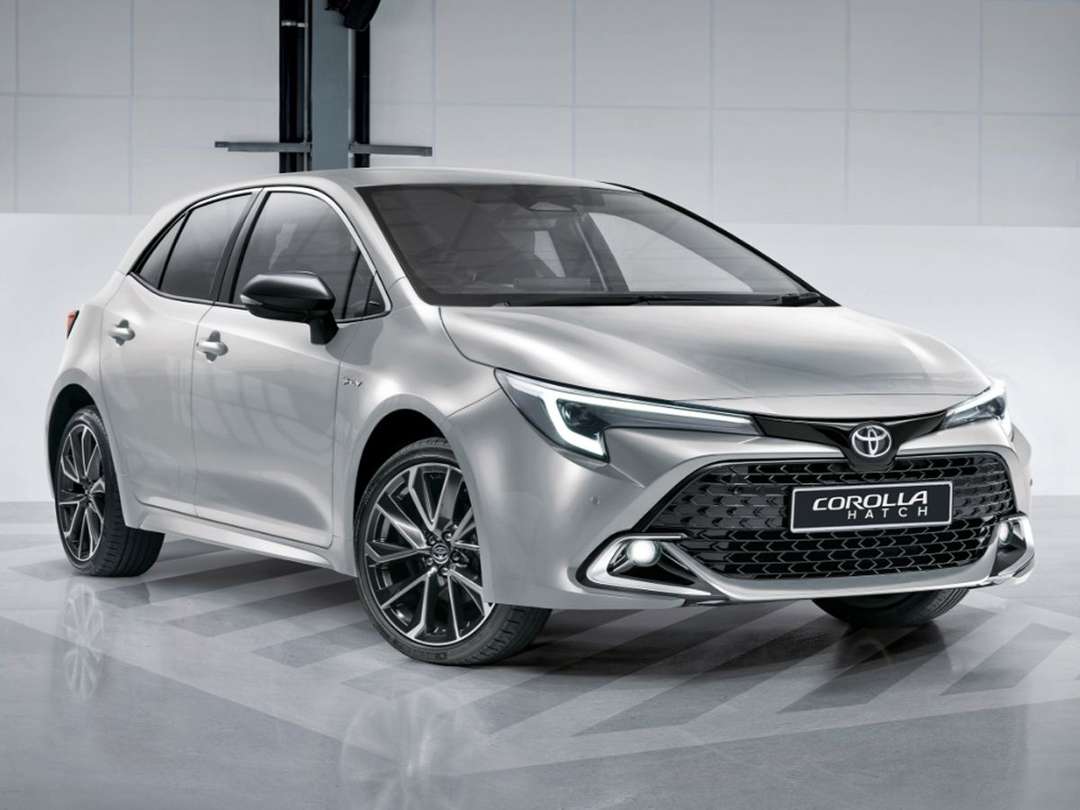
Toyota Corolla Hatch Hybrid features a 1.8-litre petrol-hybrid setup with a CVT and fuel consumption of 4.0 L/100 km. It’s best used in urban settings, and the electric assistance handles low-speed urban driving with impressive precision.
The hatchback shape makes tight mall parking far less frustrating, while the cabin offers a more premium atmosphere than many rivals. Rear legroom passes the family test, and the overall car suits those who value thrift, modern tech, and a slight sporty edge in a compact hatch.
2. Honda Fit Hybrid

Honda Fit Hybrid has an official 3.7 L/100 km figure, helped by a clever 1.5-litre e:HEV hybrid system paired with an e-CVT. Magic Seats transform the compact hatch into a remarkably flexible cargo carrier.
The Fit is ideal for urban errands, where first-throttle response delivers lively acceleration, and narrow city streets are not a challenge. Cabin materials exceed expectations for this class, while the hybrid system reduces petrol use in traffic, where small engines usually consume more.
3. Toyota Corolla Sedan Hybrid
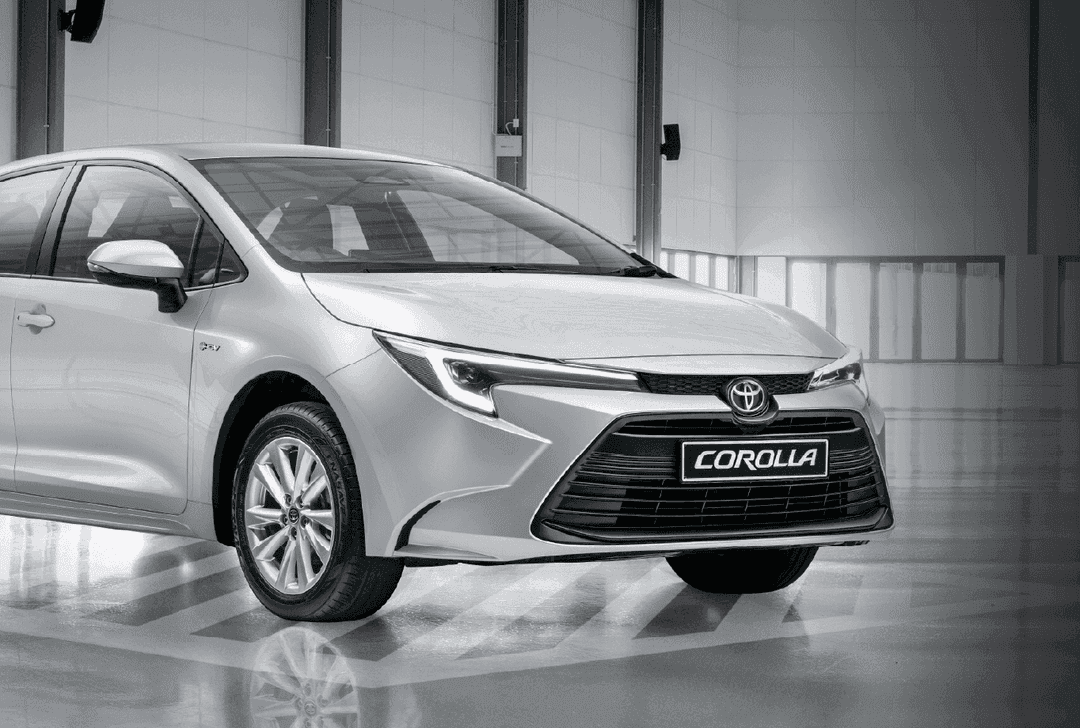
Toyota Corolla Sedan Hybrid has an official 3.9 L/100 km figure from its 1.8-litre petrol-hybrid setup and CVT, which makes it one of the smartest petrol-savers on our list.
Extra rear legroom gives it more family appeal than the hatch, while the boot suits airport duty and weekly grocery errands. Low-speed electric assist reduces fuel burn in town, and motorway use is relaxed and effortless. This car is definitely subtle, refined, and understated, but not dull.
4. Lexus UX300h
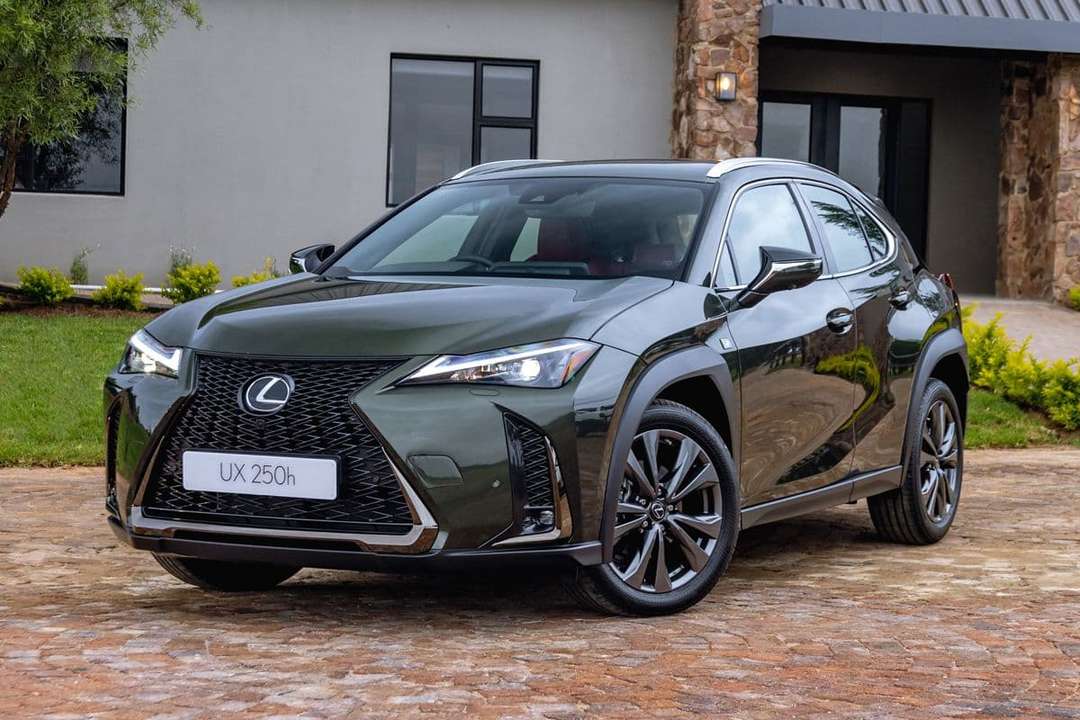
Lexus UX300h pairs hybrid efficiency with luxury detail. Official fuel consumption measures 4.2 L/100 km, an impressive figure for a compact luxury crossover with this level of cabin quality and technology.
The self-charging hybrid system alternates between petrol and electric power with smooth transitions, while the compact dimensions are ideal for urban streets. Ride quality favours comfort, and the interior transforms school runs or office commutes into a far more relaxed drive.
5. Suzuki Celerio
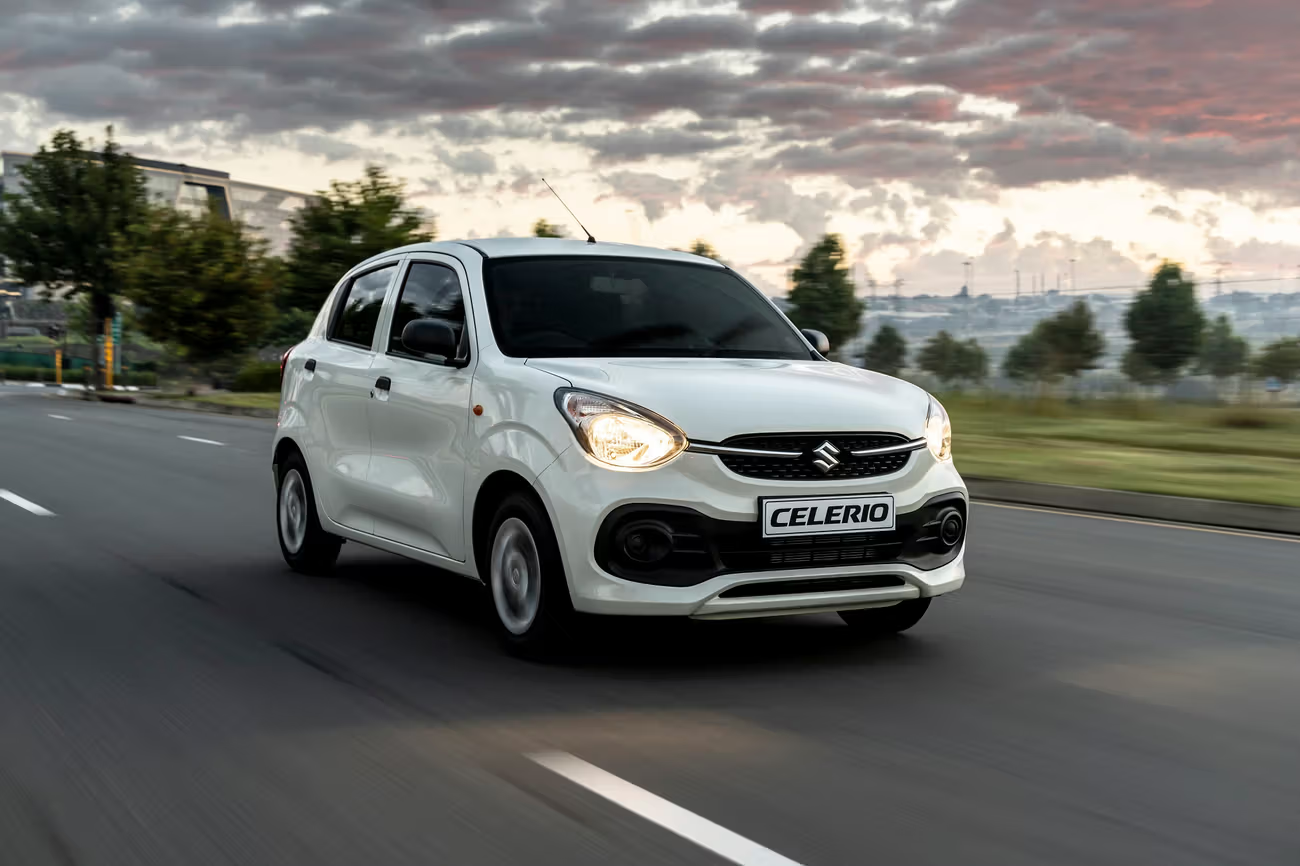
Suzuki Celerio proves that old-school lightness still beats brute force at the pumps. Official fuel use is from 4.2 L/100 km, helped by a 1.0-litre K10C Dualjet engine and auto stop-start tech.
Around town, the Suzuki darts through gaps and slips into small parking bays, while fuel use stays impressively low. The Cabin trim is basic, which suits the car’s straightforward approach to everyday transport.
6. Suzuki Swift
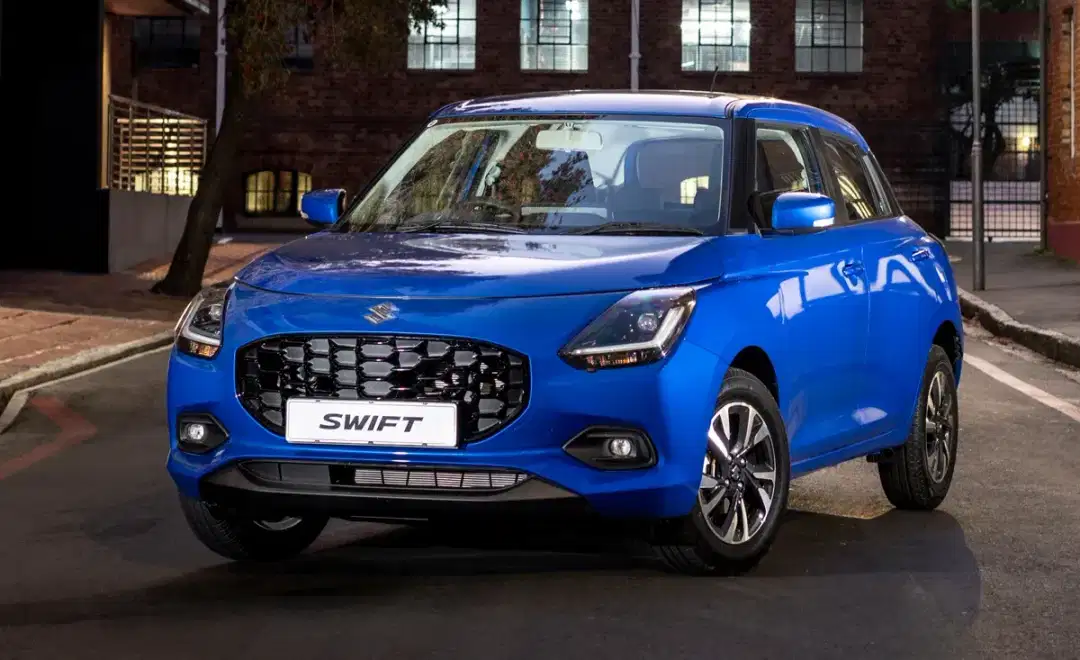
Suzuki Swift has long ruled the frugal-fun corner, and the latest car continues that habit with a 1.2-litre petrol engine and fuel consumption from 4.4 L/100 km in manual form. Low mass, short ratios, and a keen front end give it more character than most budget hatchbacks.
The cabin now looks less bargain-bin than older Swifts, while the car suits drivers who want thrift first, but still crave a smile on the route home.
7. Suzuki S-Presso
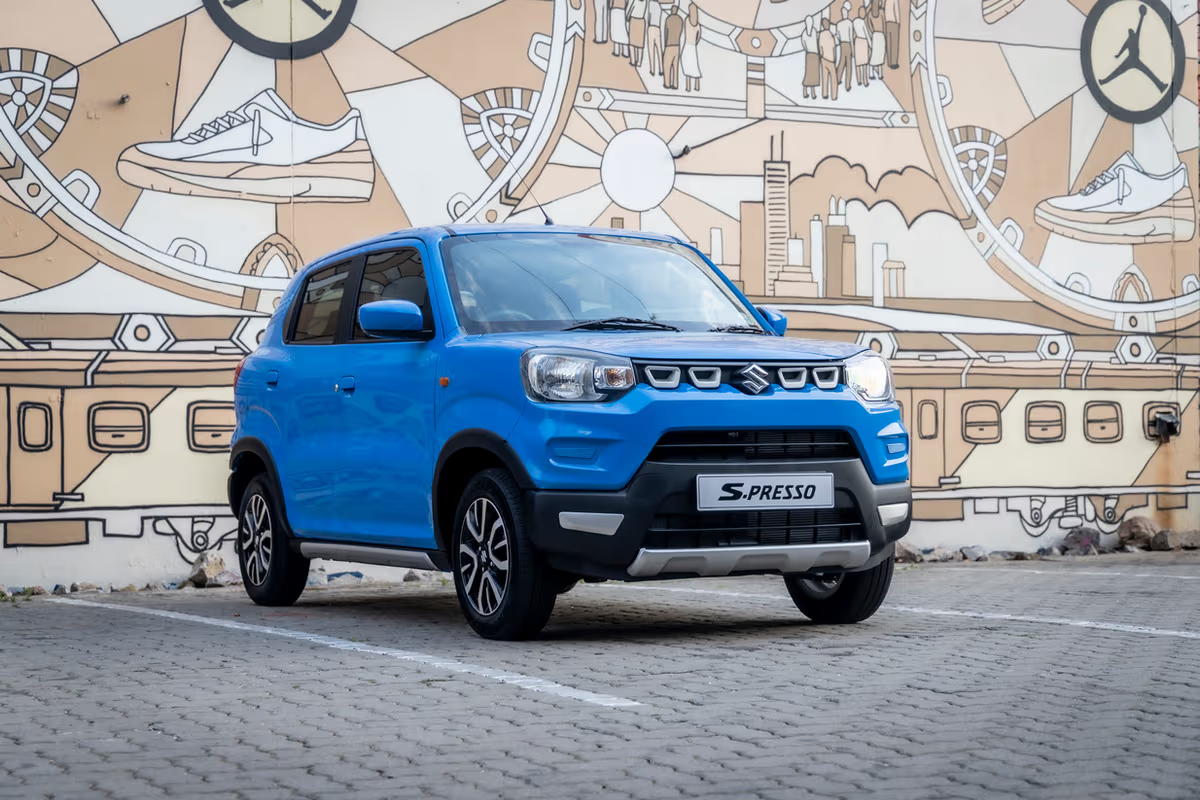
Suzuki S-Presso has an average fuel consumption of 4.4 L/100 km, which explains why it pops up on every budget shortlist in South Africa. The 1.0-litre engine requires very little, the light body even less, and the higher driving position suits busy city streets packed with taxis, curbs, and rogue potholes.
Cabin plastics signal a budget focus, which aligns with the car’s simple design, and ownership costs stay low over time. Drivers who want straightforward A-to-B efficiency drive can expect a compact car with character and excellent fuel economy.
8. Toyota Vitz
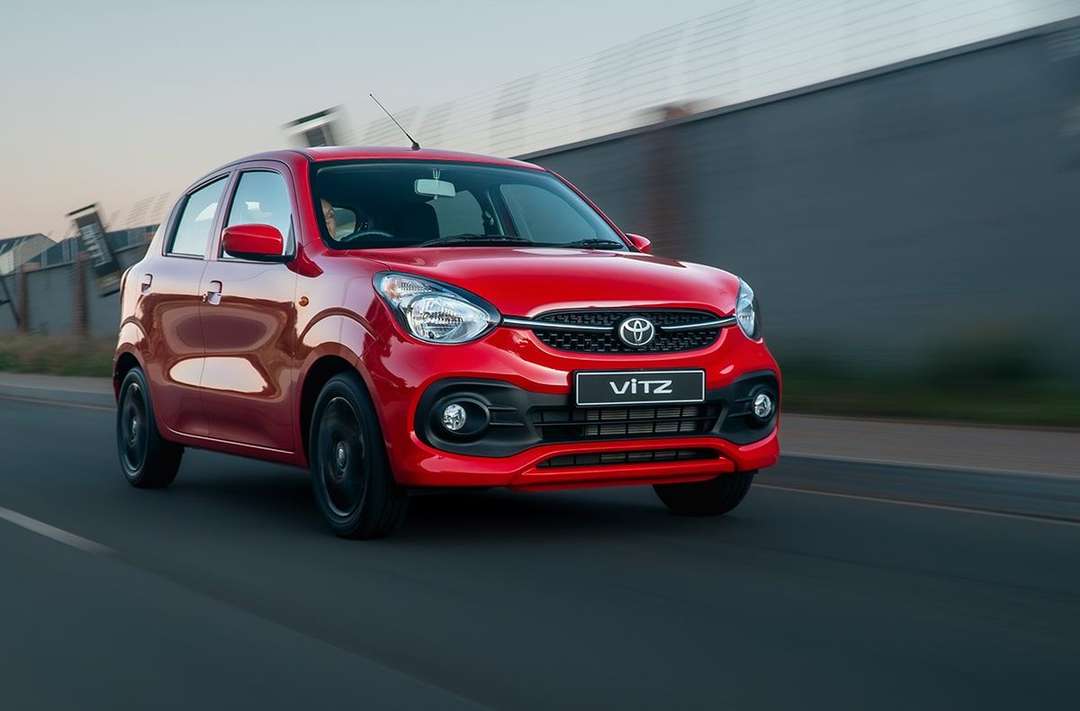
Toyota Vitz’s official fuel use goes as low as 4.2 L/100 km, while the 1.0-litre three-cylinder serves 49 kW in a body light enough to squeeze value from every drop.
It’s best used in town, where its short length makes it easy to manage tight streets, and broad parts support ensures owners do not struggle with maintenance or repairs.
9. Toyota RAV4 Hybrid
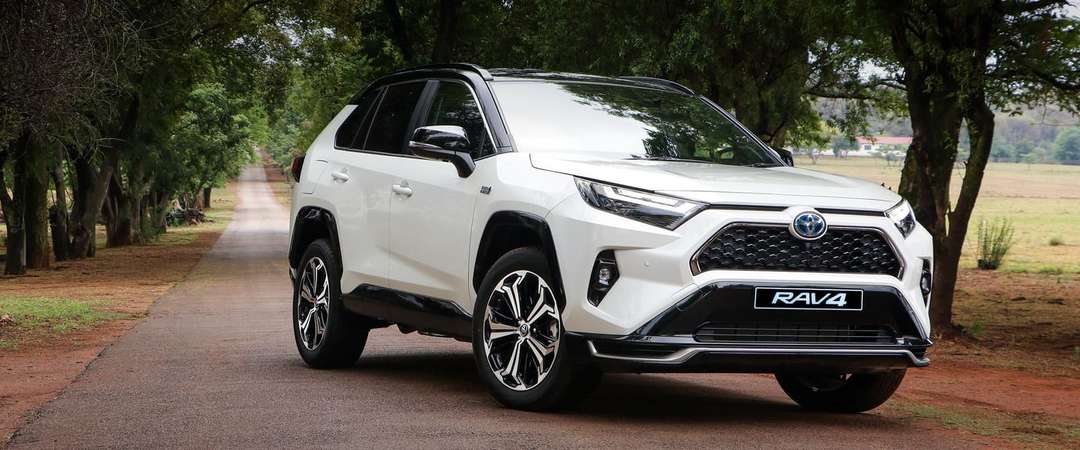
Toyota RAV4 Hybrid proves that not all SUVs inherently have heavy fuel consumption. Official fuel use stands at 4.8 L/100 km from the 2.5-litre self-charge hybrid setup and CVT, a figure that undercuts many far smaller cars.
Cabin space, rear comfort, and luggage room all beat the hatchback crowd with ease. This car is ideal for family buyers who need one car for every task.
10. Volkswagen Polo Vivo GT 1.0 TSI
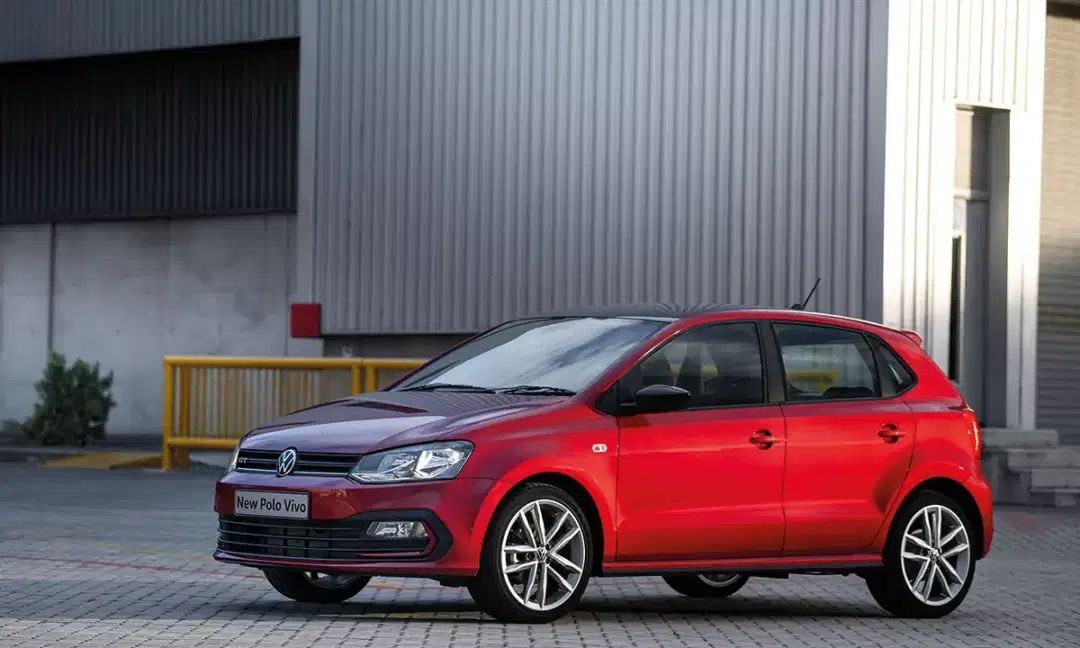
Volkswagen Polo Vivo GT sneaks into our list with a 1.0-litre TSI petrol engine, 81 kW, 200 Nm, and an official 4.8 L/100 km fuel consumption. Even then, this figure looks absurd once the turbo kicks in, because the GT delivers more power than most fuel savers.
Six manual ratios help extract the best from the engine, while sports seats and 17-inch wheels give this car a lot of character.
Side-by-Side Comparison: 10 Best Fuel-Efficient Cars in South Africa
| Model | Fuel Consumption (L/100km) | Engine | Power (kW) | Torque (Nm) | Transmission | Drive Type | Fuel Tank (L) |
|---|---|---|---|---|---|---|---|
| Toyota Corolla Hatch Hybrid | 4.0 | 1.8L petrol hybrid | 90 | 142 | e-CVT | FWD | 43 |
| Honda Fit Hybrid | 3.7 | 1.5L petrol hybrid | 72 | 127 | e-CVT | FWD | 40 |
| Toyota Corolla Sedan Hybrid | 3.9 | 1.8L petrol hybrid | 90 | 142 | e-CVT | FWD | 43 |
| Lexus UX300h | 4.2 | 2.0L petrol hybrid | 146 | 188 | e-CVT | FWD/AWD | 43 |
| Suzuki Celerio | 4.2 | 1.0L petrol | 49 | 89 | 5MT/AMT | FWD | 32 |
| Suzuki Swift | 4.4 | 1.2L petrol | 61 | 113 | 5MT/CVT | FWD | 37 |
| Suzuki S-Presso | 4.4 | 1.0L petrol | 49 | 89 | 5MT/AMT | FWD | 27 |
| Toyota Vitz | 4.2 | 1.0L petrol | 49 | 89 | 5MT/CVT | FWD | 37 |
| Toyota RAV4 Hybrid | 4.8 | 2.5L petrol hybrid | 131 | 221 | e-CVT | AWD/FWD | 55 |
| Volkswagen Polo Vivo GT 1.0 TSI | 4.8 | 1.0L turbo petrol | 81 | 200 | 6MT | FWD | 40 |
Overall, fuel efficiency defines smart car ownership in South Africa. Petrol prices affect budgets, which turns low consumption vehicles into everyday heroes for commuters, students, families, and weekend travellers.
Hybrid technology cuts fuel use in city traffic, while small petrol engines extract distance from every litre on open highways. Hatchbacks dominate the thrift race, but SUVs like the RAV4 Hybrid prove larger vehicles can use less fuel.
Those who prioritise efficiency reduce monthly fuel spend without surrendering comfort, space, or modern tech. Each model in our list proves that clever engineering, light design, and hybrid systems help South Africans drive further per tank while they also protect their bank balance.
Frequently Asked Questions
What is considered a fuel-efficient car in South Africa?
A car with fuel consumption under about 5.0 L/100 km is typically considered fuel-efficient in the local market.
Do hybrid cars reduce fuel use compared with petrol cars?
Yes, hybrid systems combine petrol engines with electric motors, which reduces fuel use during city driving.
Does engine size affect fuel consumption?
Yes, smaller engines usually burn less fuel because they require less energy to move the vehicle.
Does driving style affect fuel efficiency?
Yes, smooth acceleration and steady speeds reduce fuel use compared with aggressive driving.
Does traffic increase fuel consumption?
Yes, stop-start traffic increases fuel use because engines burn fuel during idling and repeated acceleration.
Summary
Fuel prices in South Africa can increase faster than gossip spreads during weekend braais, which makes fuel-efficient cars a smart buy. Hybrids, small hatchbacks, and clever turbo engines help a litre of petrol go further.