Audi Q7 (2025) Review: Is Buying the Last of an Old Generation Ever a Smart Move in South Africa?
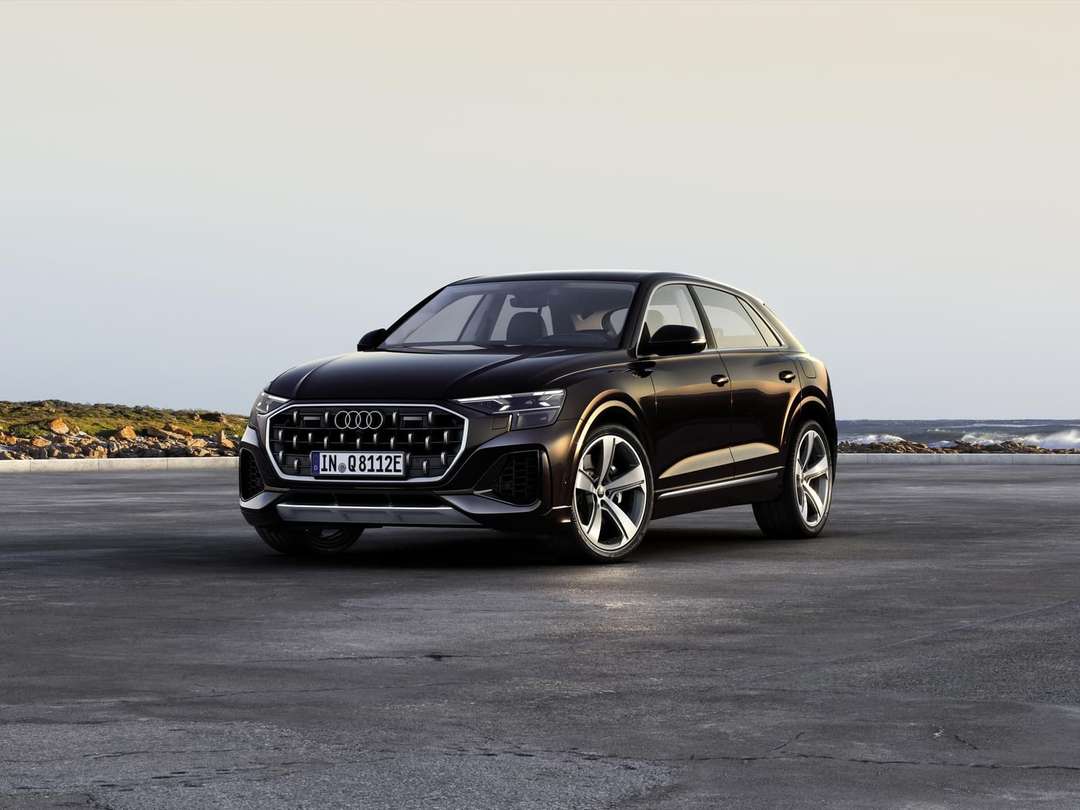
A superb long-distance SUV caught at an awkward point in its life cycle, turning the used 45 TDI into one of South Africa’s smartest large-SUV purchases.
Introduction
Here’s the blunt answer: if you’re shopping for an Audi Q7 in South Africa, I’d be looking at a two- to four-year-old 45 TDI before I signed a cheque for a brand-new one.
The facelifted Q7 is still a very good luxury SUV, but there’s an important catch. This is essentially the final chapter for a platform that dates back to 2015, with an all-new Q7 on the horizon. That makes the used market particularly interesting, because you can get most of the Q7 experience for considerably less money.
So, rather than simply telling you whether the new Q7 is good, we’ve looked at what’s actually available on the market to see where your money makes the most sense.
Key takeaway: The 2025 Q7 facelift is excellent, but run-out timing makes depreciation painful. A 2021-2022 45 TDI near R800k is the smarter buy.
Design & Exterior
Audi has kept the Q7 facelift deliberately subtle. There’s a revised grille, tweaked light signatures and fresh wheel designs, but not much else. Park a 2025 model next to a 2023 car, and you’ll need a reasonably keen eye to spot the differences.
And, strangely enough, that’s good news if you’re shopping second-hand. The Q7’s clean proportions have aged well, so you’re not missing out visually by buying an older car. At full price, though, the lack of a meaningful design change makes the facelift harder to justify.
One thing I’d think twice about in South Africa is the 22-inch wheels. They look fantastic, but our potholes don’t care how expensive your SUV is. Smaller wheels mean cheaper tyres, fewer worries and a more comfortable ride.
Cabin & Practicality
Inside, the Q7 still earns its keep. Materials feel expensive, the assembly is solid and frequently touched surfaces have worn well across this generation. Proper physical controls remain for key functions, too, rather than burying every adjustment inside a menu.
Seven seats, with an asterisk
Families shopping for a 7-seater luxury SUV in South Africa can genuinely use will appreciate that the Q7 includes seven seats as standard. BMW’s current X5 is mostly a five-seater, leaving the Audi and Volvo XC90 as the obvious shortlist if row three is compulsory. Just manage expectations. It suits children better than adults during a long haul to the coast.
- Seats: 7 as standard across the SA range
- Fuel capacity: 75 litres, allowing useful touring range between stops
- Air suspension: standard on the 2025 range, improving comfort and providing roughly 90mm of height adjustment for gravel
The screens are showing their age
Those twin infotainment screens looked slick at launch, yet now feel fussy beside newer single-pane systems. Menu logic takes concentration, fingerprints appear quickly and useful physical shortcuts are too scarce. My phone disconnected once while merging onto the M1, and restoring it took far more prodding than it should have. Software updates may improve smaller usability faults, but the hardware will still look old beside the 2027 car.
On the Road
Standard air suspension changes the daily experience. At N1 cruising speeds, the Q7 settles into a quiet, unhurried rhythm that makes a long interprovincial slog feel manageable. Around town, it rounds off expansion joints and speed humps without the floaty aftershocks common in softer SUVs.
Power comes from a 45 TDI diesel producing 231hp and a muscular 500Nm, with 0-100km/h in 7.1 seconds and a claimed 7.8 L/100km. Our mixed driving returned 9.1 L/100km, including stop-start traffic and an open-road section at altitude, which makes the official figure credible if you pack smart. Quattro all-wheel drive and height-adjustable air suspension also suit corrugated gravel or a wet Sani Pass approach, although this remains a luxury tourer rather than a rock crawler.
Petrol-powered 55 TFSI models are quicker and thirstier. For South African use, the diesel better suits long distances, heavy luggage and occasional towing, while its relaxed torque delivery reduces the need to chase revs. The V6 diesel and V8 petrol carry a braked towing rating up to around 3,500kg, covering most boats and caravans. Four-cylinder variants tow far less, so verify the exact derivative before signing.
Data & Comparison
Let’s put numbers to the dilemma. Across 20 recent listings, asking prices stretch from about R699,995 to R2,888,950, while the average sits near R1.38m. That vast spread tells the story before any salesperson does.
Price by model year (typical asking)
| Model year | Listings | Average asking price | Asking-price range |
|---|---|---|---|
| 2015 | 2 | R374,947 | R349,994 - R399,900 |
| 2021 | 7 | R809,947 | R699,995 - R979,900 |
| 2022 | 3 | R879,993 | R799,995 - R979,990 |
| 2024 | 2 | R1,444,950 | R1,349,950 - R1,539,950 |
| 2026 | 6 | R2,188,932 | R1,799,995 - R2,888,950 |
Look at that drop. A latest-plate car averages over R2.1m, whereas a 2021 example averages around R810k. More than half the value has disappeared, making the Q7 the steepest decliner in Audi’s line-up. Large three-row luxury SUVs lose money quickly. No sugar-coating it.
Cost callouts that matter
- Steepest depreciation in the Audi range: over half the value can disappear inside five years
- Three-year residual reference: around R879,993 for a well-kept example
- Indicative 5-year running cost: roughly R230,000, excluding fuel
- Diesel claim: 7.8 L/100km, meaningfully thriftier than the petrol with a full load
How the money cross-shops
| Option | Typical price | Seats | Main compromise |
|---|---|---|---|
| Used 2021-22 Q7 45 TDI | ~R800k | 7 | Older screens, with major depreciation already absorbed |
| Used BMW X5 | Similar money | 5 (mostly) | More engaging responses, but a third row is seldom fitted |
| Used Volvo XC90 | Similar money | 7 | Standard third row and calmer cabin, but slower |
Editorial Focus
Verdict
So, is the Q7 a depreciation trap or a used-car bargain? For me, it depends entirely on what you pay. Spending more than R2 million on a run-out model just before a new generation arrives is difficult to defend when three- to five-year-old examples can be found around R800 000.
At that money, the Q7 starts to make a lot more sense. You still get the excellent cabin, quattro traction, relaxed long-distance manners and seven seats, while someone else has already absorbed the worst of the depreciation.
The 45 TDI would also be my pick over the 55 TFSI for most South African buyers. It has plenty of torque, reasonable claimed consumption and suits the Q7’s character perfectly. The BMW X5 remains tempting, but if you need three rows, the Audi is the more obvious choice.
So yes, I’d buy a Q7. Just not a new one.
Verdict
The Q7 is still one of South Africa’s most likeable large luxury SUVs. It’s comfortable, beautifully built and genuinely practical, but the timing makes buying new difficult to justify. With air suspension now standard, it rides as the Q7 always should have.
Buy used: A 2021/2022 45 TDI around R700k-R880k is the sweet spot. You get the space, seven seats, diesel torque and comfort without taking the depreciation hit.
Buy new: Only if having the latest Q7 matters and you plan to keep it for years.
Shop around: A used Volvo XC90 makes a good seven-seat alternative, while a BMW X5 is worth considering if you can live without the third row.
Wait: If you want the latest technology and intend buying new, it may be worth holding out for the next-generation Q7.
Summary
A clear-eyed review of the 2025 Audi Q7 for South African buyers, comparing the run-out facelift with used examples through live asking prices, running costs, towing ability and rivals such as the BMW X5 and Volvo XC90.
Ratings
Pros
- ✓Only if the latest plate matters and you intend keeping it long-term, while accepting the range’s steepest depreciation.