Chery Tiggo Cross Review: Buy New or Get a Used Corolla Cross Hybrid?

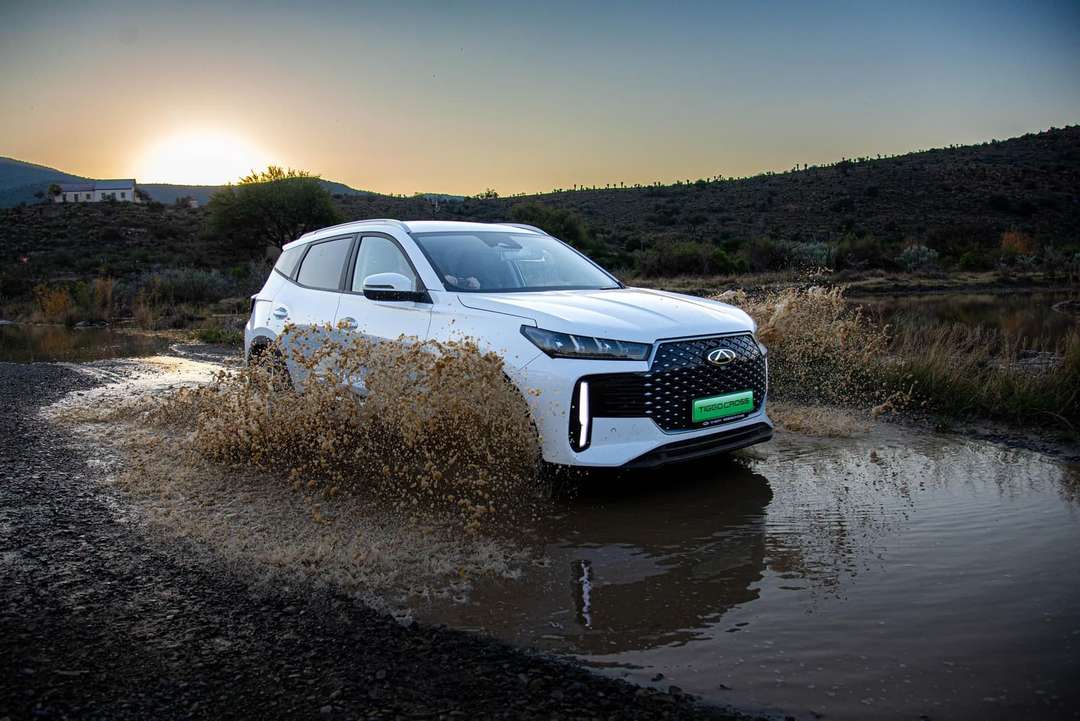
Any Chery Tiggo Cross hybrid review 2025 must acknowledge the value. It delivers much of what pricier rivals offer for less money, with only refinement niggles, software frustration and uncertain hybrid residuals holding it back.
Introduction
Look, South African hybrid buyers have a tricky choice. For around R450,000, do you buy a new Chery Tiggo Cross CSH with a 10-year battery warranty, or spend similar money on a lightly used Toyota Corolla Cross Hybrid with stronger resale credentials?
This Chery Tiggo Cross review is less about showroom sparkle and more about ownership. My short answer? Buy the Tiggo Cross CSH new if this is your first hybrid and you plan to keep it for five years or more. Over that period, the fuel savings and long battery warranty start making a strong case. And as the cheapest full-hybrid SUV you could register in Mzansi when it arrived for 2025, that’s significant.
Key takeaway: Buy the Tiggo Cross hybrid new for long-term ownership; resale-conscious shoppers should still weigh it against a used Corolla Cross Hybrid.
Design & Exterior
Chery hasn’t overworked the styling. There’s clean surfacing, a full-width light bar and sensible 17-inch wheels, rather than huge rims designed mainly for dealership spotlights. Bigger wheels might look tougher, but they’d also hurt the ride and raise replacement costs after a pothole strike on the R21. Restraint wins here.
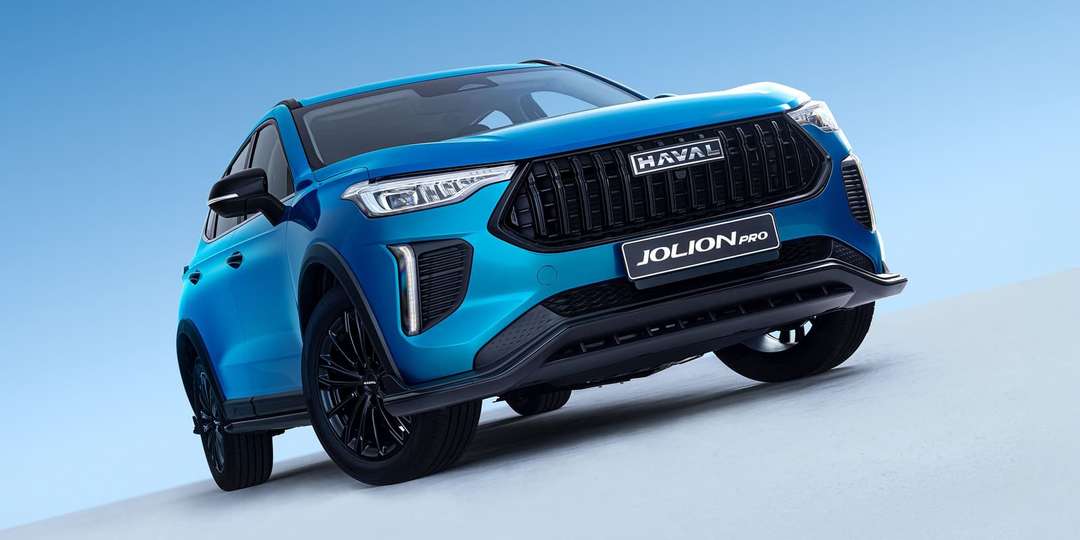
Nothing begs for attention. Its proportions are tidy, the stance is slightly taller than a T-Cross, and the excessive chrome that dated earlier Chinese SUVs has disappeared. Park it beside a Haval Jolion at a Boksburg dealer, and the Tiggo Cross looks calmer, cleaner and rather more confident. It’s what the Tiggo Cross should have been from the start.
Cabin & Practicality
Screens and physical controls
Equipment levels are generous. The Elite gets dual 10.25-inch displays, wireless Apple CarPlay and Android Auto, a power driver’s seat, heated seats and a sunroof. On paper at least, that reads like a premium equipment sheet attached to a mainstream price. Material quality is convincing where your hands and elbows land, with properly padded contact points.
Infotainment is the cabin’s irritation. There’s a noticeable pause between tapping an icon and seeing the next menu, which becomes tiresome during a long N1 journey. Too many climate settings also sit inside the display. Give me physical buttons for temperature and fan speed, please. An OTA software update could sharpen the responses, but no download can install missing switchgear.
Space and the battery hump
Rear legroom is suitable for two adults, although the hybrid battery lifts the boot floor and reduces useful depth. I loaded a standard folded pram and measured roughly 240mm of remaining floor length for soft bags. If you pack smart, a family weekend remains possible; add the weekly grocery shop and you’ll quickly find the limit.
- Dual 10.25-inch screens with wireless smartphone mirroring
- Power driver’s seat, heated front seats, panoramic sunroof (Elite)
- 360-degree camera and full ADAS suite on Elite
- Five seats, five doors, 183mm ground clearance for corrugated gravel and rough district roads
On the Road
The drivetrain everyone agrees on
Here’s where the CSH badge earns its keep. With a combined 150kW and 310Nm, the Chery Tiggo Cross CSH has some serious punch for the class, with roughly twice the output of a basic petrol crossover.
Around town, it slips between electric and petrol power quietly, while the take-off hesitation I experienced in the turbo-petrol Tiggo Cross is gone. It’s properly quick, too. With two occupants aboard, I estimated 0–100km/h in around 8.4 seconds on a warm Gauteng morning.
So no, the hybrid isn’t simply about saving fuel. It makes the Chery Tiggo Cross CSH noticeably easier and more enjoyable to drive every day.
Fuel economy, claimed versus real
Chery claims 5.4 L/100km. Repeated local testing has beaten that number in traffic, producing around 4.8 to 5.1 L/100km and dipping under 4 L/100km in bumper-to-bumper peak-hour crawling on the M1. On one commute, I watched the trip computer settle at 4.9 L/100km after 137km of mixed driving, including a long stop-start section. Heavy urban traffic is where many South Africans burn their fuel budget, and that’s where this system works best.
Be honest about your routine, though. Independent overseas testing of the same drivetrain returned high-5s to low-6s on open roads, above the laboratory claim. The advertised “1,000km per tank” therefore feels optimistic if most of your week is spent at highway speed. For Chery Tiggo Cross CSH fuel consumption, urban commuters gain the most, while regular N3 users at altitude can expect a smaller saving.
The caveats
Steering is vague around centre, a weakness repeated across independent tests. Engine drone appears under kickdown, accompanied by the occasional cabin rattle and some resonance above 120km/h. None of this is disastrous. A used premium-brand alternative will still feel slightly more polished at national-road speeds.
Data & Comparison
What it costs and what it’s worth later
Pricing is a big part of the Chery Tiggo Cross price in South Africa story. At launch, the CSH Comfort started at R439,900 and the Elite at R469,900, undercutting the Toyota Corolla Cross Hybrid and making it South Africa’s cheapest traditional hybrid SUV. (Cars.co.za)
Looking at our RDS sample of 400 Tiggo-family cars, asking prices rise steadily with each model year. That suggests demand is holding up reasonably well rather than falling off a cliff.
| Model year | Typical asking price |
|---|---|
| 2021 | R243,263 |
| 2022 | R286,012 |
| 2023 | R302,990 |
| 2024 | R352,912 |
| 2025 | R381,693 |
| 2026 | R404,237 |
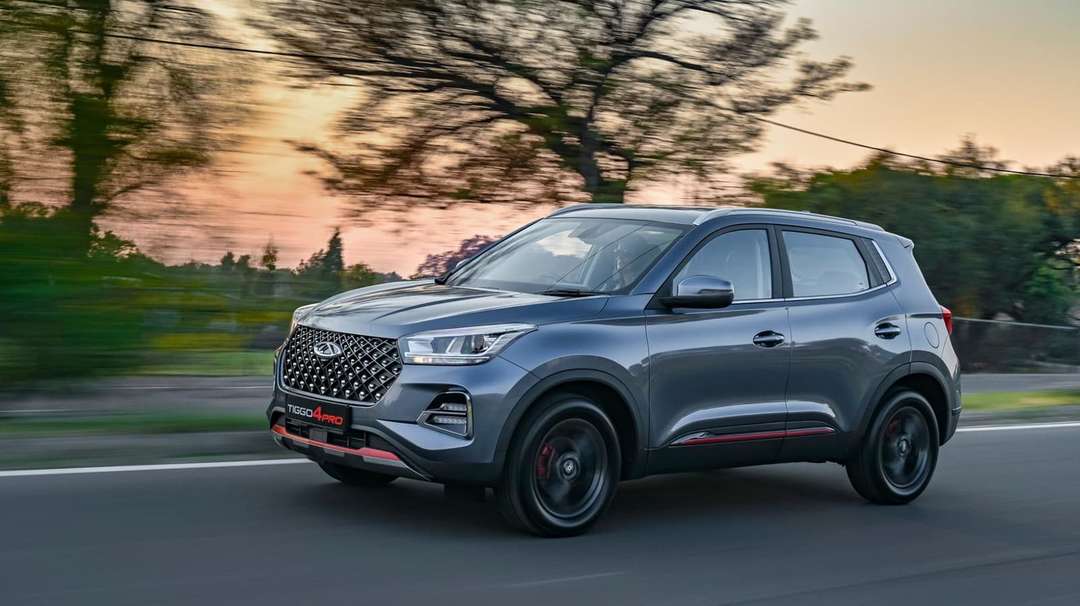
Residual values look healthier than old assumptions about Chinese cars suggest. In the Chery resale value South Africa discussion, the earlier Tiggo 4 Pro depreciated under 30% over three years, beating established crossovers including the Duster, Seltos and Creta. A three-year-old vehicle in our data averages R286,012. The financial cliff many buyers fear is no longer automatic.
Cost-per-km and rivals
- Estimated 5-year total cost of ownership: around R230,000
- Real-world consumption in traffic: roughly 4.8 to 5.1 L/100km
- Launch price undercut versus established hybrid rivals: tens of thousands of rand
| Model | Power | Claimed economy | New price band |
|---|---|---|---|
| Chery Tiggo Cross CSH | 150kW combined | 5.4 L/100km | from R439,900 |
| Toyota Corolla Cross Hybrid | lower system output | ~4.3 L/100km | higher |
| Haval Jolion HEV | comparable | ~5.1 L/100km | similar to higher |
Editorial Focus
New Chery or used Toyota? The honest answer
Most reviews stop at the sticker price. Fewer ask whether the “cheapest hybrid” label still holds up once ownership, warranty cover and resale enter the picture. Around R440,000 buys a new Tiggo Cross CSH, while the same budget on the used market reaches a 2022/23 Corolla Cross Hybrid, a used T-Cross or a Jolion HEV. The real Chery Tiggo Cross vs Corolla Cross contest is generally new against used, not one showroom car against another.
Now for the clause that could decide it: the 10-year battery warranty covers the first owner only. Buy the Chery new, and that protection is yours. Purchase it used in three years and the cover has fallen away, while a used Corolla Cross Hybrid retains Toyota’s broad dealer network and formidable second-hand demand. Hardly a footnote.
Battery and charging expectations need clarification, too. This is a conventional full hybrid, not a plug-in, so there’s no buyer-selectable battery size or DC charging speed to consider. Fill it with petrol at Engen or Shell and the car manages its small traction battery by itself. That arrangement suits local motorists without home charging, especially during load-shedding, although there’s no meaningful electric-only range to use.
Dealer reach is the remaining concern. Chery’s network has grown rapidly, and major groups such as Motus give owners useful coverage in urban areas, but support remains thinner outside the metros. A breakdown in rural Limpopo or the Eastern Cape could mean a longer tow and slower parts turnaround. Toyota workshops, by comparison, are found in almost any dorp with that familiar red sign.
My answer to the awkward buying question is simple. Keep the car for five-plus years and the new Chery makes sense, with lower fuel bills and the first-owner warranty working in your favour. Sell after two or three and the resale-armoured used Toyota is the colder, more rational purchase. Both choices can work. Your replacement cycle decides.
Safety rating
ANCAP · tested 2023
★★★★★ 5/5 adult occupant
Australian-market RHD rating — indicative for SA only where the SA derivative matches the tested safety spec (airbags/ESC/AEB). Official factsheet.
Verdict
Right, so this feels like the Tiggo Cross Chery should have offered from the beginning: punchy, economical, well equipped and priced aggressively enough to make the established brands nervous.
The slow infotainment and vague steering are genuine shortcomings, but neither is enough to undo the value proposition. Ultimately, your decision comes down to how long you plan to keep it, how good your local dealer is and how much of your driving is done around town.
- Buy it new: first-time hybrid owners planning to keep the car for five years or more, giving the fuel savings and first-owner battery warranty enough time to pay off.
- Shortlist it: equipment-focused buyers who want dual screens, ADAS and a sunroof for the money, provided slow software and limited physical controls won’t drive them mad.
- Buy the used Toyota instead: resale-conscious owners who replace cars every two to three years and place greater value on Toyota’s second-hand strength.
- Avoid: high-mileage rural drivers based far from a Chery dealer, because highway consumption reduces the saving and parts support remains thinner.
Summary
A full review of the 2025 Chery Tiggo Cross hybrid for South African buyers, including real-world fuel use, specification, cabin quality, resale prospects and the used alternatives worth considering at roughly R440,000.
Ratings
Pros
- ✓First-time hybrid owners keeping the car for five years or more, allowing the fuel savings and first-owner battery warranty to deliver their full benefit.
Cons
- ✗High-mileage rural drivers far from a Chery dealer, since highway consumption narrows the advantage and parts support remains thinner.