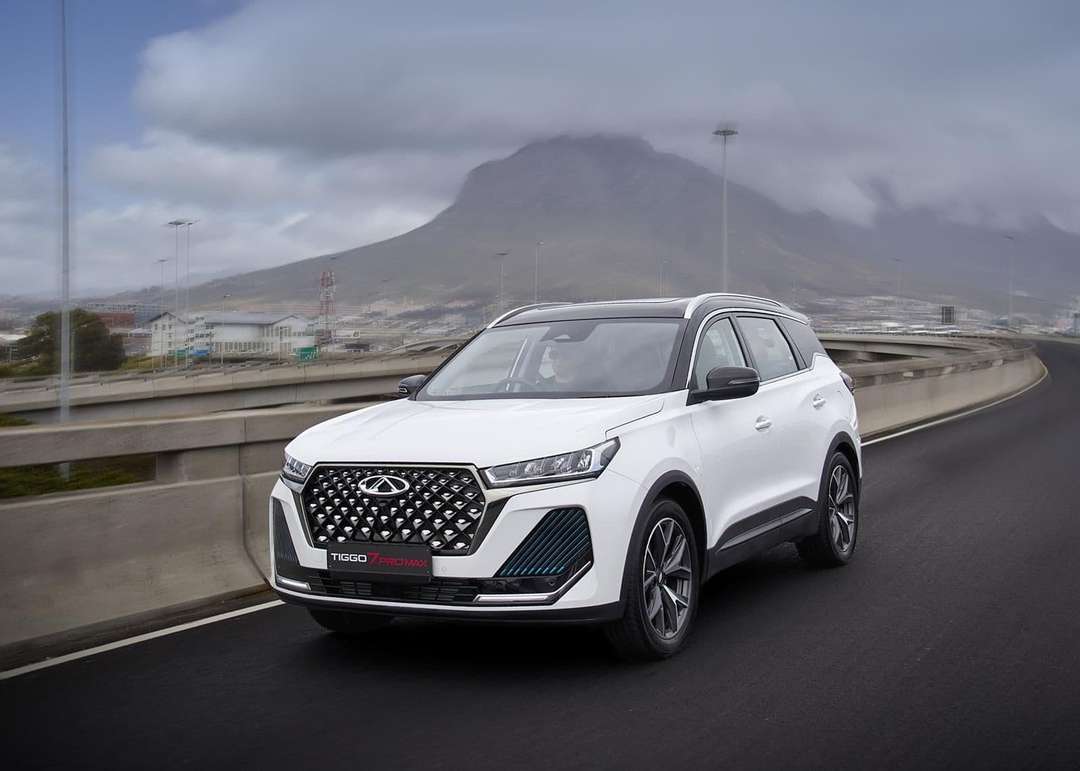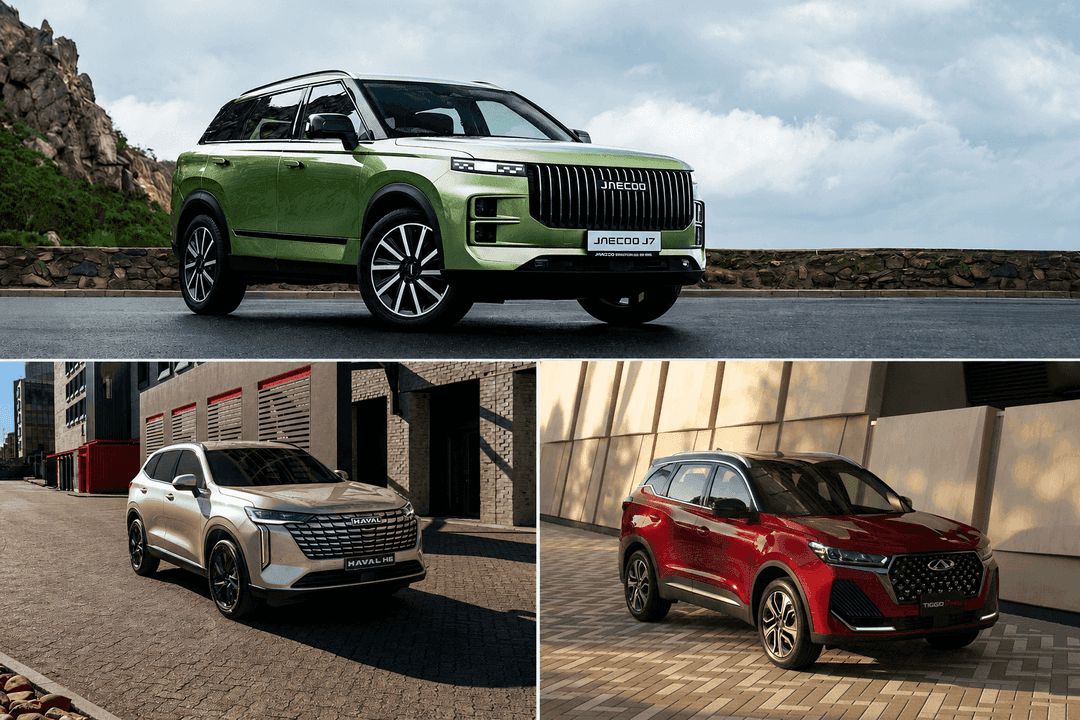
Chery Tiggo 8 Pro Max vs Haval H7 (2026): Which One Seats Seven?

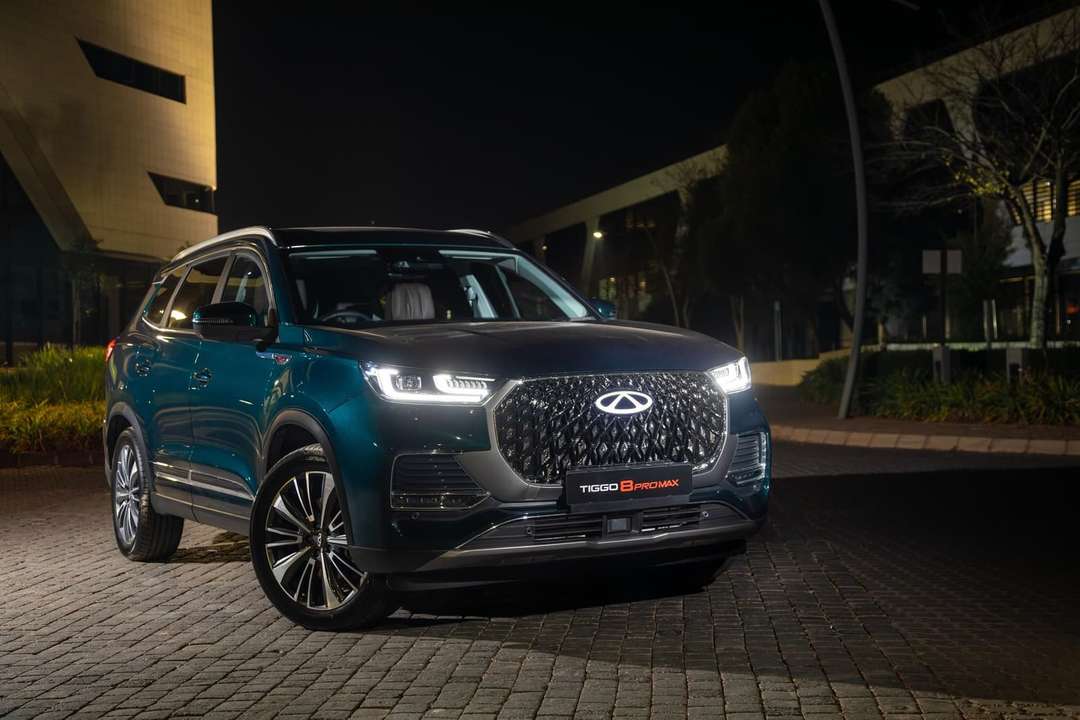
Choose the Chery Tiggo 8 Pro Max if seven seats are non-negotiable.
Chery Tiggo 8 Pro Max vs Haval H7 (2026): Stop Comparing Them - Only One Actually Seats Seven
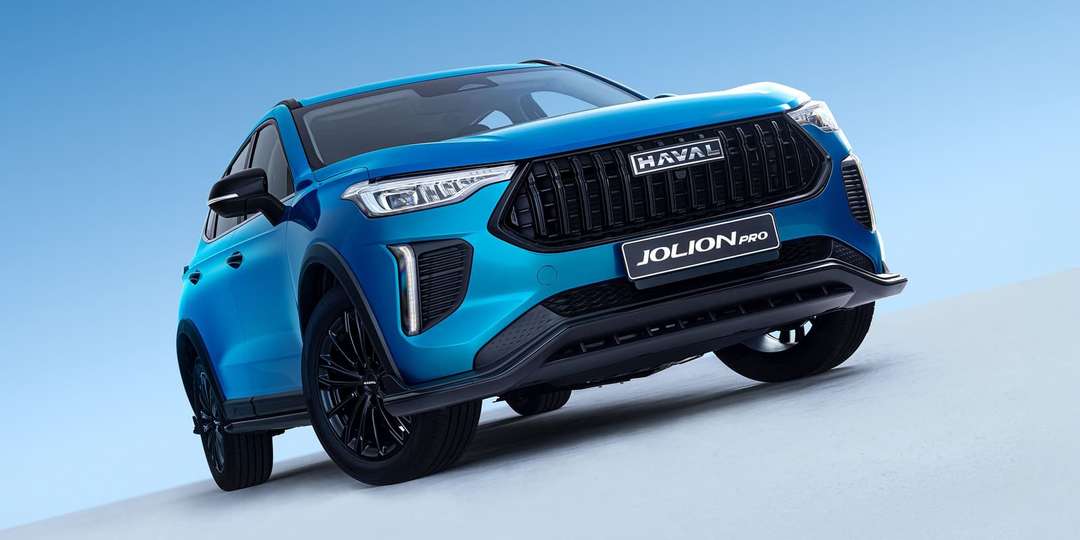
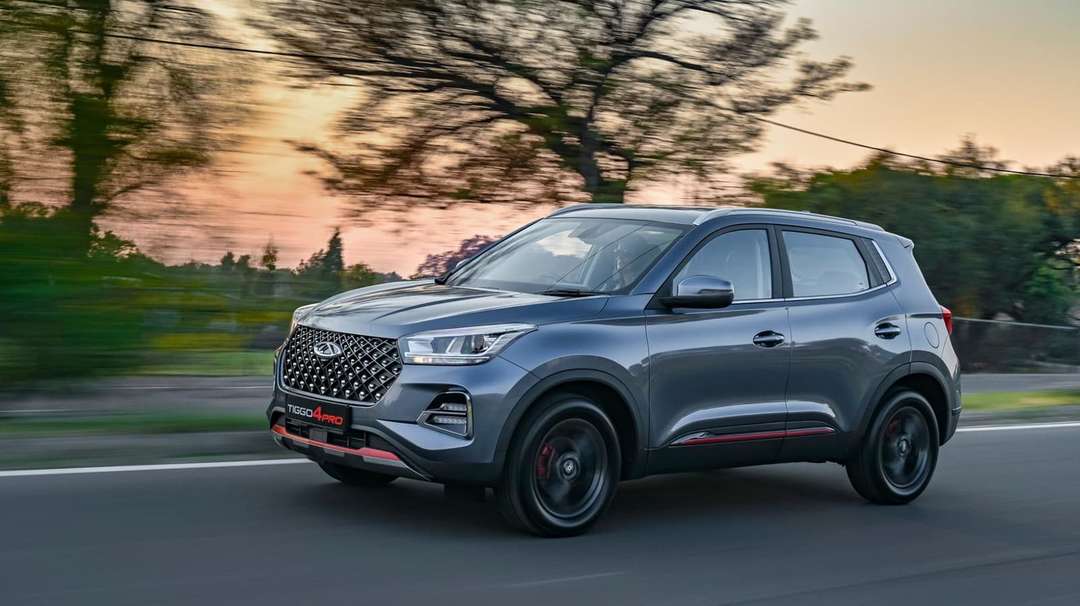
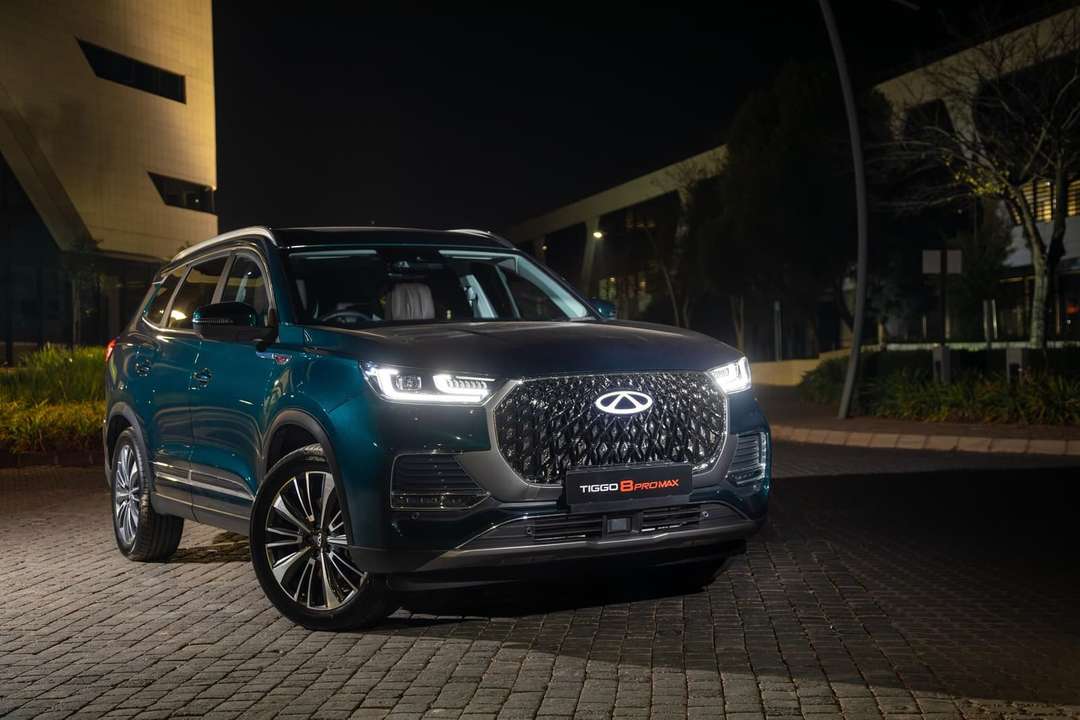
Look, this comparison starts with one important correction: the South African-spec Haval H7 is a five-seater, while the Chery Tiggo 8 Pro Max offers seven seats. Need a third row? Your decision is already made.
The Tiggo 8 Pro Max brings those extra seats and strong value, while the Haval H7 counters with hybrid economy, a quieter, calmer cabin and five genuinely usable seats for everyday family duty. Both use dual-clutch gearboxes, so don’t just compare the spec sheets — drive them in traffic and pay attention to their low-speed behaviour before signing.
The verdict: which should you buy?
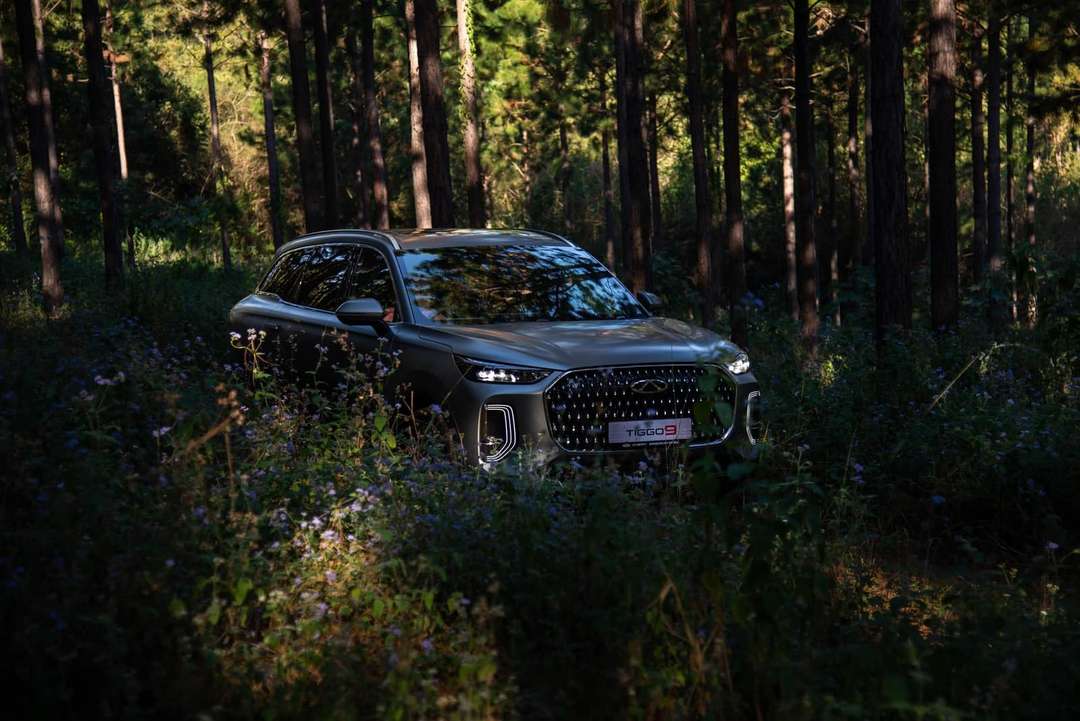
Choose the Chery Tiggo 8 Pro Max if seven seats are essential. Its third row is better suited to children, but the added flexibility is genuinely useful for larger families. The 10-year/1-million-km engine warranty is worth noting, though it applies to the engine only and to the first owner, while the 2.0T can be thirsty.
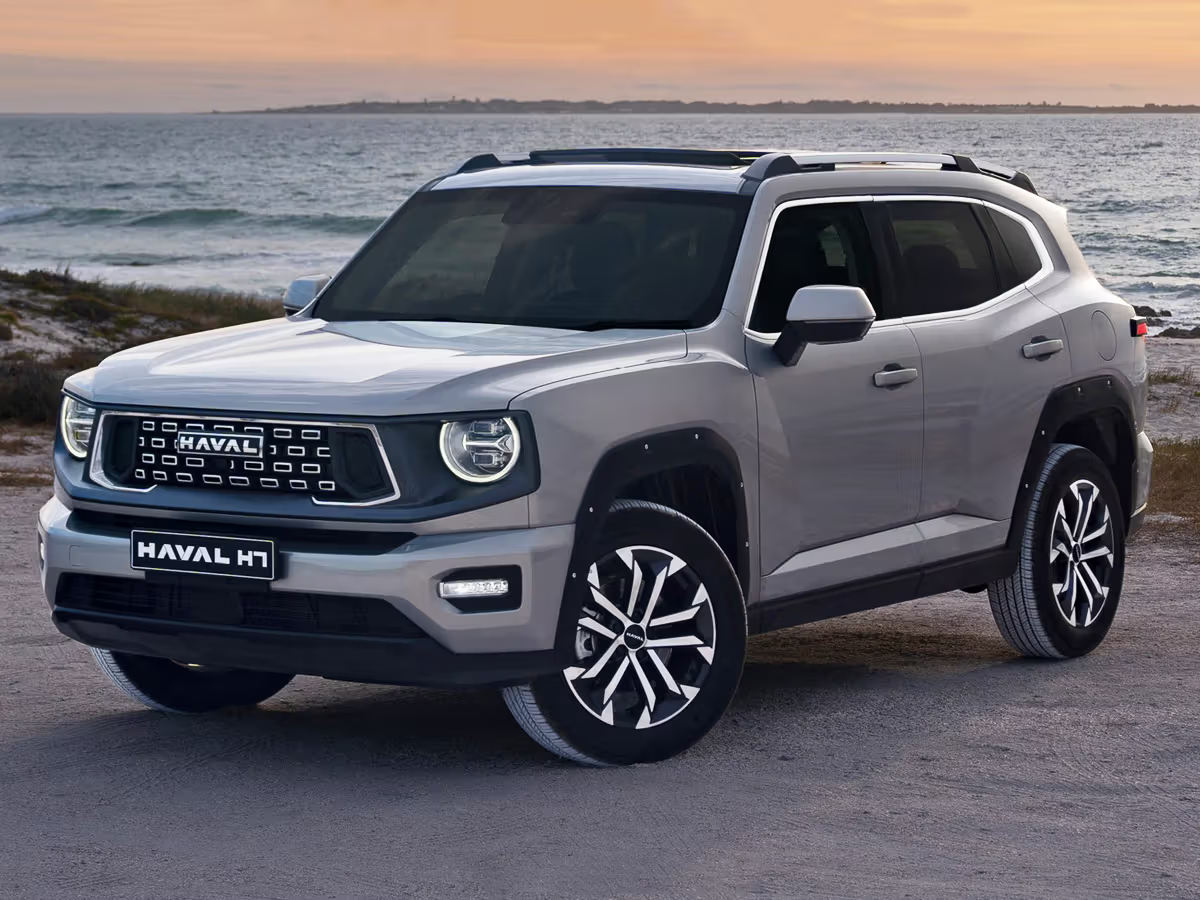
Pick the Haval H7 if five-seat comfort, hybrid economy and quieter cruising matter more. It gives up the third row but feels better suited to buyers who rarely need extra seats and would rather have a more relaxed everyday SUV.
Best for the Tiggo 8 Pro Max: large families needing occasional seven-seat capacity.
Best for the Haval H7: five-seat buyers prioritising refinement and hybrid running costs.
Quick verdict table
| Category | Winner | Why |
|---|---|---|
| Best overall | Depends on need | Seats decide it, not badge |
| Best driving experience | Haval H7 | Boxier body, slightly calmer ride tune |
| Lowest fuel costs | Haval H7 (HEV) | Hybrid option beats Tiggo's 2.0T thirst |
| Best interior quality | Haval H7 | Leather and panoramic roof lower in the range |
| Strongest reliability | Tiggo 8 Pro Max | Longer track record; H7 is unproven |
| Highest resale value | Too close to call | Both track Chinese-brand depreciation curves |
| Lowest total running costs | Haval H7 (HEV) | Fuel savings compound over five years |
| Best first car | Neither | Both are large family SUVs, not starters |
| Best value for money | Tiggo 8 Pro Max | Seven seats for less average money |
| Best seven-seater | Tiggo 8 Pro Max | The H7 does not offer a third row in SA |
| Best warranty | Tiggo 8 Pro Max | 10-year/1m-km engine cover (conditional) |
Specifications
These figures cover the 2026 Chery Tiggo 8 Pro Max 2.0T Executive and 2026 Haval H7 2.0T Luxury 9DCT.
| Specification | Tiggo 8 Pro Max | Haval H7 | Winner |
|---|---|---|---|
| Engine | 1998cc 2.0T petrol | 1998cc 2.0T petrol | Tie |
| Power | 187kW | 170kW | H7 (data available) |
| Torque (Nm) | 390 | 380 | Tiggo |
| Gearbox | Dual-clutch | 9-speed dual-clutch | H7 (more ratios) |
| Fuel economy (combined l/100 km) | 7.6 | 8.1 | Tiggo (claimed) |
| Boot space | Quote required from dealer | Quote required from dealer | Tie |
| Warranty | 10yr/1m-km engine (conditional) | GWM standard cover, confirm with dealer | Tiggo |
| Seats | 7 | 5 | Tiggo |
| Ground clearance (mm) | 203 | 210 | H7 |
Specifications vary by model year and trim. Confirm the exact vehicle with an authorised dealer.
Performance and driving experience
| Factor | Tiggo 8 Pro Max | Haval H7 | Winner |
|---|---|---|---|
| Urban driving | DCT hesitates at crawl | 9DCT calmer, HEV smoother | H7 |
| Daily commuting | Easy, thirsty | Easy, more efficient | H7 |
| Long-distance | Strong torque, big boot | Composed, quieter | H7 |
| Overtaking | 390 Nm pulls hard | Adequate | Tiggo |
| Ride comfort | Slightly brittle on coarse tar | Marginally more settled | H7 |
| Steering feel | Light, vague | Light, consistent | Tie |
| Engine refinement | Gruff under load | Smoother, HEV helps | H7 |
| Mixed driving | Capable all-rounder | Capable all-rounder | Tie |
The Chery Tiggo 8 Pro Max’s 390Nm makes light work of a full cabin and Van Reenen’s Pass, even at Highveld altitude. The Haval H7’s 9-speed dual-clutch, meanwhile, feels smoother and more polished in crawling traffic. Our informal 0-100km/h estimates were around 8.1 seconds for the Tiggo and roughly 8.5 seconds for the petrol H7. For family SUVs of this size, both are properly quick.
Unique South African buying factors
Brochure figures aren’t enough. Potholes, gravel, tolls and dealer support matter once the new-car smell disappears.
Which survives South African potholes better?
Both have useful tyre sidewalls, giving their alloys some protection. A hard strike is likelier to destroy a tyre than buckle a rim, although either repair may cost several thousand rand.
Ground clearance for everyday obstacles?
Tiggo 8 Pro Max: 203 mm. Haval H7: 210 mm. Both handle steep ramps, speed humps and graded gravel without drama. The extra 7 mm won’t settle this.
Which is a bigger hijack target?
Large SUVs remain attractive theft targets. Fit a tracker, consider a steering-wheel lock and get the insurance quote before signing. Keyless-entry relay theft is relevant to both.
Long-holiday-trip ability?
Over 500 km, the H7 is quieter and less tiring. Tiggo offers more luggage flexibility with its third row folded. Seven occupants and soft bags can work if you pack smart. Both engines remain useful on the N3 at Highveld altitude.
Battery and electrical resilience?
H7 HEV models use a small 1.8 kWh hybrid battery. There’s no plug-in or DC charging, and load-shedding won’t prevent it from charging while driven. Replacement remains a “Quote required from dealer” item.
Tyre cost and availability?
Tiger Wheel & Tyre and Supa Quick should stock suitable SUV tyres for both models, although larger wheel sizes can run into the thousands of rands per corner. Before heading onto gravel, check your specific derivative carefully: does it come with a full-size spare, a space-saver or simply a tyre repair kit? It’s a small detail that can become very important when you’re far from the nearest town.
Real-world fuel economy?
Chery Tiggo 8 Pro Max fuel consumption is the sore point. Its 7.6 l/100 km claim becomes double digits in Joburg traffic. On mixed N1 and suburban roads, I saw 10.8 l/100 km from the Tiggo and 6.7 l/100 km from the H7 HEV. At R21.51/l 95-octane (January 2026, illustrative), 1,500 km monthly at 10 l/100 km costs roughly R3,227.
Gravel-road durability?
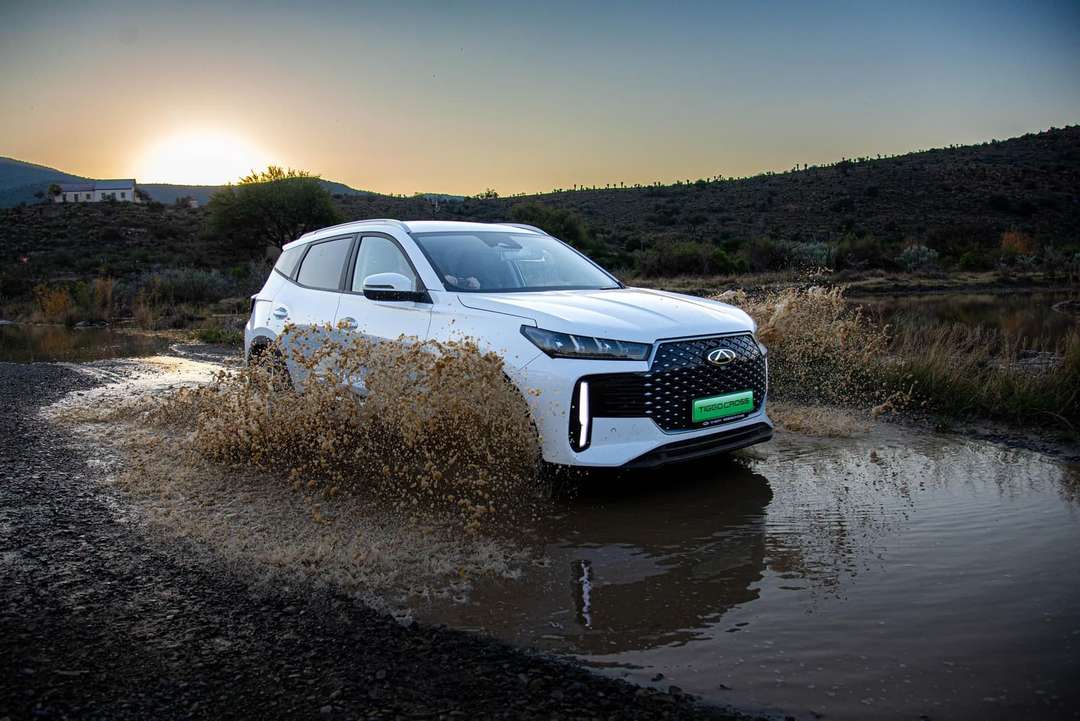
Karoo gravel shouldn’t trouble either SUV at sensible speeds. The Haval H7’s boxier styling might suggest more serious off-road ability, but that’s not really what it’s built for. Both models have basic underbody protection, so stick to maintained gravel roads rather than treating either as a proper off-roader.
Insurance and parts beyond the cities?
Dealer coverage is expanding, but support thins outside major centres and replacement panels may take time. Chery’s longer local presence gives independent workshops slightly more familiarity.
Three things settle this: seats, fuel spend and warranty fine print. Everything else is secondary.
Running costs
Fuel gives the H7 HEV a clear advantage. Servicing, tyres and parts should occupy similar territory, while insurance depends on the driver. Winner: Haval H7 (HEV), because petrol is the bill you’ll see most often.
Five-year ownership
Calculations assume 20,000 km per year and R21.51/l (January 2026, illustrative).
| Item | Tiggo 8 Pro Max | Haval H7 |
|---|---|---|
| Fuel spend | Higher (2.0T) | Lower (HEV option) |
| Maintenance | Plan-covered | Plan-covered |
| Repairs | Monitor DCT | Unproven, monitor |
| Resale | ~25–30% 3yr depreciation (market data) | ~25–30% 3yr depreciation (market data) |
| Insurance | Quote required | Quote required |
| Estimated 5yr TCO | ~R230,000 (guide) | ~R230,000 (guide) |
H7 HEV should save money at the pumps. Tiggo answers with seven-seat flexibility that usually costs more elsewhere.
Hidden ownership costs
Large glass areas, tyres, brake pads and proximity keys can become expensive. Both turbo engines require punctual servicing, while their dual-clutch gearboxes are the main mechanical watch-point. H7 HEV battery replacement is “Quote required from dealer”.
Repairability
| Factor | Tiggo 8 Pro Max | Haval H7 | Winner |
|---|---|---|---|
| Parts availability | Longer local history | Newer, thinner | Tiggo |
| Independent workshop support | Growing | Growing | Tie |
| Repair simplicity | Conventional | HEV adds complexity | Tiggo |
| Long-term maintenance | Moderate | Moderate | Tie |
| Electronic complexity | High | Higher (HEV) | Tiggo |
Reliability timeline
| Mileage band | Tiggo 8 Pro Max | Haval H7 |
|---|---|---|
| 0–20,000 km | Monitor DCT low-speed feel | Bed-in period, check for rattles |
| 20,000–50,000 km | Keep to service schedule | Too new to judge; check history |
| 50,000–100,000 km | Watch DCT and turbo | Limited field data |
| 100,000–150,000 km | Risk depends on maintenance | Unknown; monitor |
| 150,000 km plus | Service history is everything | No meaningful data yet |
More Tiggo 8 Pro Max units have covered meaningful South African mileage. H7 remains less proven, making a complete service record vital.
Real owner sentiment
Chery Tiggo 8 Pro Max
Most praised: value, torque and generous equipment. Most criticised: hesitant DCT behaviour and heavy consumption. Most Tiggo 8 Pro Max problems concern low-speed gearbox manners, not widespread failures.
Haval H7
Most praised: cabin ambience and hybrid economy. Most criticised: only five seats and limited long-term reliability data.
Owner sentiment follows the same split: Tiggo for flexibility, H7 for polish.
This summary reflects recurring public owner comments and should be treated as directional, not scientific.
Buyer regret index
| Regret theme | Tiggo 8 Pro Max | Haval H7 |
|---|---|---|
| Bought entry trim | Some | Some |
| Wanted more performance | Low | Moderate |
| Wanted more boot space | Low (folds huge) | Moderate |
| Underestimated insurance | Possible | Possible |
| Expected lower fuel use | High (2.0T) | Low (HEV) |
| Disliked gearbox feel | Moderate (DCT) | Low |
| Worried about resale | Moderate | Moderate |
| Underestimated tyre costs | Moderate | Moderate |
Boot reality test
| Item | Tiggo 8 Pro Max | Haval H7 | Practical winner |
|---|---|---|---|
| Weekly groceries | Easy | Easy | Tie |
| Two cabin bags | Easy | Easy | Tie |
| Large suitcase | Fits, rows down | Fits | Tie |
| Pram | Yes | Yes | Tie |
| Cooler box | Yes | Yes | Tie |
| Sports equipment | Yes, rows folded | Yes | Tiggo |
| Weekend luggage for four | Excellent | Good | Tiggo |
Cabin and practicality
Both offer comfortable front seats, though some lower cabin plastics feel ordinary. Tiggo’s third row cuts luggage space sharply when raised; H7 gives five occupants fewer packing compromises. I loaded a folded 1.1 m pram into the Tiggo with five seats occupied and still had 34 cm beside it.
Cabin noise
Coarse Highveld tar produces less road noise in the H7, while hard acceleration gives Tiggo’s 2.0T a gruffer voice. Wind noise stays low. Across 500 km, Haval feels more restful.
Technology
Both 2026 flagships include Apple CarPlay, Android Auto, Bluetooth, a reverse camera, digital instruments and a large touchscreen. Menus bury basic functions and physical shortcuts are scarce. OTA updates could fix early usability irritations. Neither offers battery-size choices or DC charging, because H7 is a self-charging HEV rather than a plug-in vehicle.
Safety
Both list ABS, stability control, multiple airbags and ISOFIX. Lane assistance, AEB and blind-spot monitoring depend on trim. Inspect the exact vehicle rather than assuming equipment or a crash-test rating.
Best trim to buy
| Vehicle | Recommended | Why |
|---|---|---|
| Tiggo 8 Pro Max | 2.0T Executive | Full seven-seat flagship kit |
| Haval H7 | 2.0T Luxury (or HEV) | The mid-spec trim is likely the better value choice |
Compare current Chery Tiggo 8 Pro Max and Haval H7 listings on Auto.co.za.
Buying mistakes to avoid
- Buying on instalment alone. A long balloon deal can leave you owing more than the car is worth.
- Ignoring fuel costs. Tiggo’s 2.0T uses more fuel than an H7 HEV.
- Assuming H7 has seven seats. It doesn’t.
- Skipping an independent inspection on a used DCT vehicle.
- Missing a service, which may invalidate Chery’s engine warranty.
- Underestimating replacement tyre costs on larger alloys.
Things nobody tells you
Tiggo 8 Pro Max: the 10-year/1-million-km warranty covers only the engine and first owner. The DCT falls under the shorter standard cover.
Haval H7: its square-jawed styling is theatre. This is a road-focused SUV based on the H6 platform, not a Tank 300 alternative.
Do not buy if
Tiggo 8 Pro Max: avoid it if fuel bills worry you or hesitant low-speed gearbox behaviour irritates you.
Haval H7: cross it off if you may need seven seats. There isn’t a third row.
Decision matrix
| If your priority is | Buy | Reason |
|---|---|---|
| Lowest fuel costs | Haval H7 HEV | Hybrid economy |
| Best driving experience | Haval H7 | Calmer ride and gearbox |
| Better boot space | Tiggo 8 Pro Max | Folds to a huge bay |
| Lowest ownership costs | Haval H7 HEV | Fuel savings compound |
| Premium interior | Haval H7 | Leather and glass roof |
| Proven reliability | Tiggo 8 Pro Max | More local field data |
| Long-distance comfort | Haval H7 | Quieter cruiser |
| Best overall value | Tiggo 8 Pro Max | Seven seats for less |
| Lowest insurance cost | Quote required | Both quote-based |
| Best resale confidence | Too close to call | Similar curves |
Final verdict
Here’s the thing: do you actually need seven seats? If the answer is yes, buy the Chery Tiggo 8 Pro Max. Buyers who only need five should choose the Haval H7, preferably the HEV, for its quieter cruising and lower fuel consumption.
A lightly used Tiggo 8 Pro Max AWD can overlap with the price of a new Haval H7 Luxury, so it’s worth comparing asking prices, service histories and dealer support before making the call.
Best for the Tiggo 8 Pro Max: big families needing seven seats.
Best for the Haval H7: buyers wanting a refined five-seat SUV.
Summary
Choose the Chery Tiggo 8 Pro Max if seven seats are non-negotiable. Full stop. It’s the only genuine 5+2 here, although the third row is best left to smaller children, and its average listing price undercuts the H7. Chery’s 10-year/1-million-km engine warranty also sounds reassuring, but remember that it’s engine-only and first-owner-only. The 2.0T is thirsty, while its DCT can hesitate during parking manoeuvres.