Chery Tiggo 7 Pro Max 1.6T Executive AWD (2026) Review
Genuinely good value with a mature ride and generous equipment, held back by real consumption that misses the claim and warranty conditions favouring only the careful original owner.
Introduction
If you're shopping for a mid-size SUV with a budget of around R450,000, the Chery Tiggo 7 Pro Max deserves to be on your shortlist. It's spacious, well-equipped and, like most Chery products, gives you the feeling that you're getting more than what you've paid for. That said, it's worth going in with your eyes open. Fuel consumption is unlikely to match the brochure, and the much-talked-about 10-year engine warranty comes with a few conditions you'll want to understand before signing on the dotted line.
Rather than rehashing the specification sheet, I wanted to find out what it's actually like to live with. That's why this review looks beyond the flashy features to focus on the things that matter once the novelty wears off: cabin usability, day-to-day running costs and whether that headline-grabbing warranty is as straightforward as it sounds. Since our test, Chery has also restructured the Tiggo 7 range, which changes where the Pro Max sits in the value equation.
One thing I've learnt over the years is to take official fuel consumption figures with a pinch of salt, especially when it comes to turbocharged SUVs. Spend enough time crawling through Gauteng traffic or climbing the N3 towards Van Reenen, and you'll quickly discover that the real-world numbers can be very different. And when you're buying a family SUV, that's not a small detail. It's one of the ownership costs you'll notice every single week.
Key takeaway: Strong equipment and competitive pricing, but budget for real-world thirst near 9 L/100km and read the engine-warranty conditions before signing.
Design & Exterior
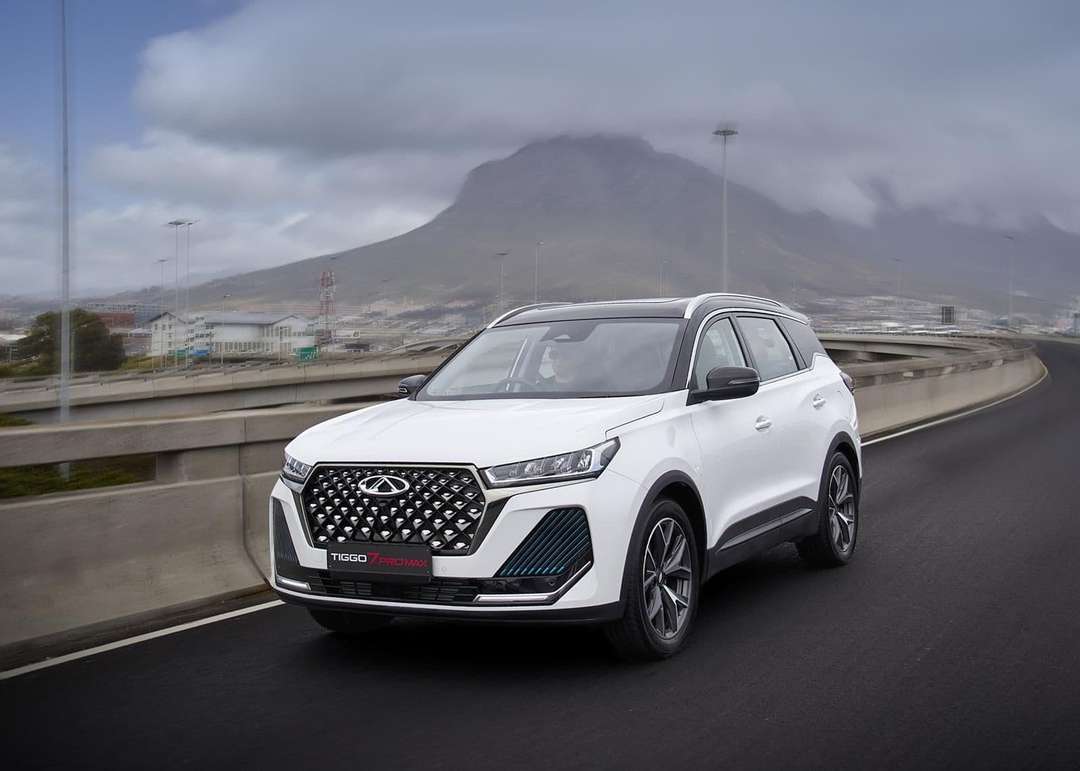
Chery has come a long way from the rather forgettable designs it was producing a decade ago. The Tiggo 7 Pro Max has real road presence. The large mesh grille, slim LED headlights and clean body lines give it a modern look without trying too hard to grab attention.
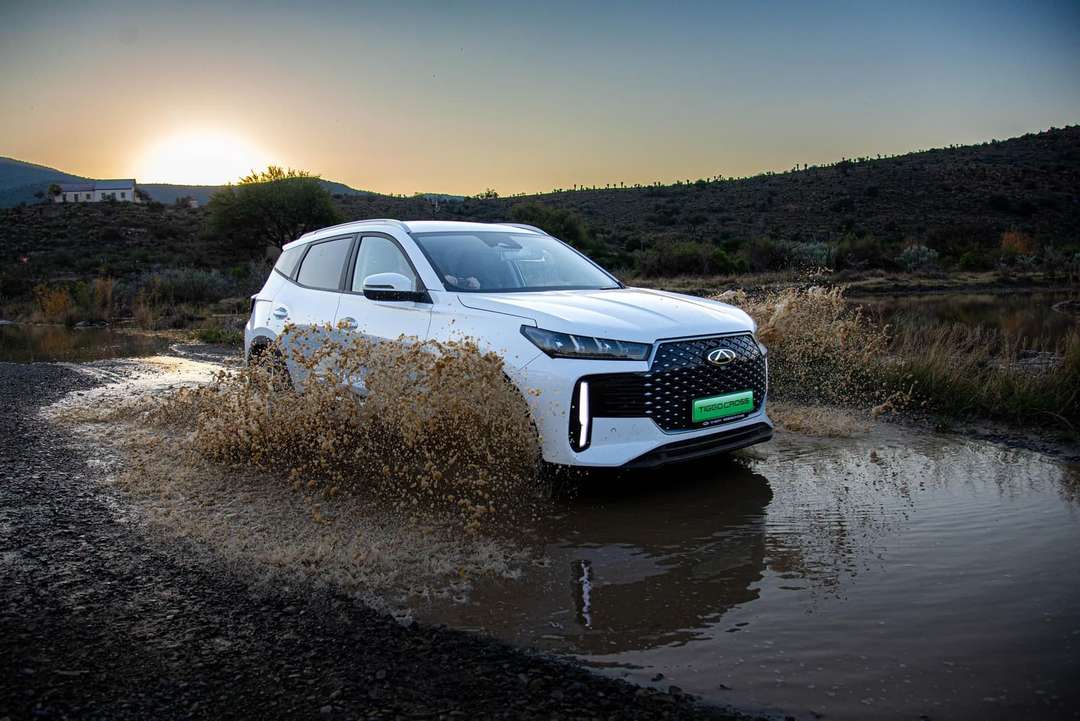
It's a handsome SUV, although I wouldn't call it adventurous. The proportions are clean and well balanced, while the flagship's 19-inch alloy wheels fill the arches nicely. More importantly for South African roads, the 193mm of ground clearance means you won't have to wince every time you turn onto a gravel road or tackle a badly maintained driveway.
Just don't mistake it for a hardcore off-roader. Yes, the all-wheel-drive system gives you extra confidence in the wet or on loose gravel, but this isn't the sort of SUV you'd happily follow a Hilux or Ranger with once the terrain gets properly rough.
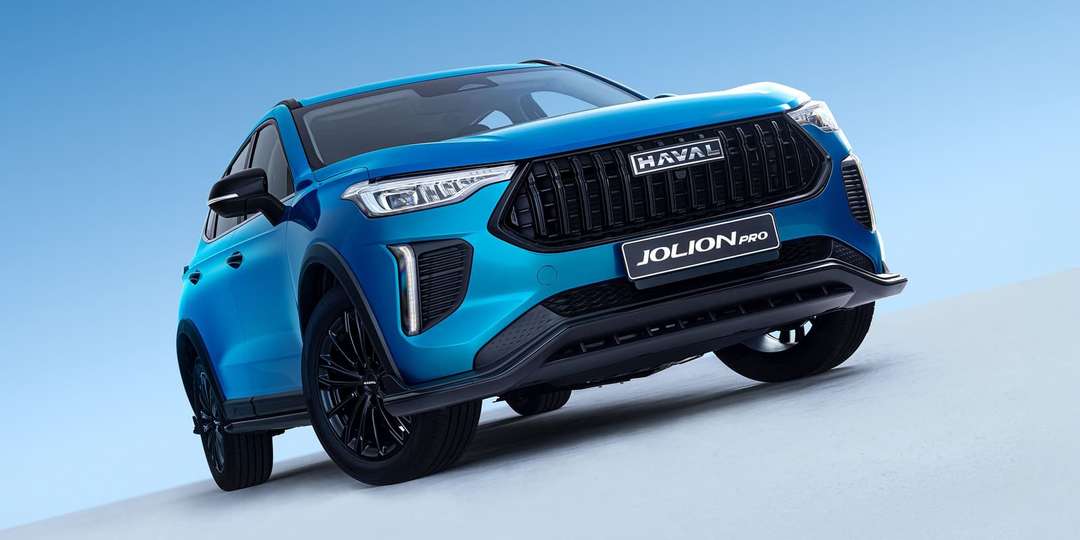
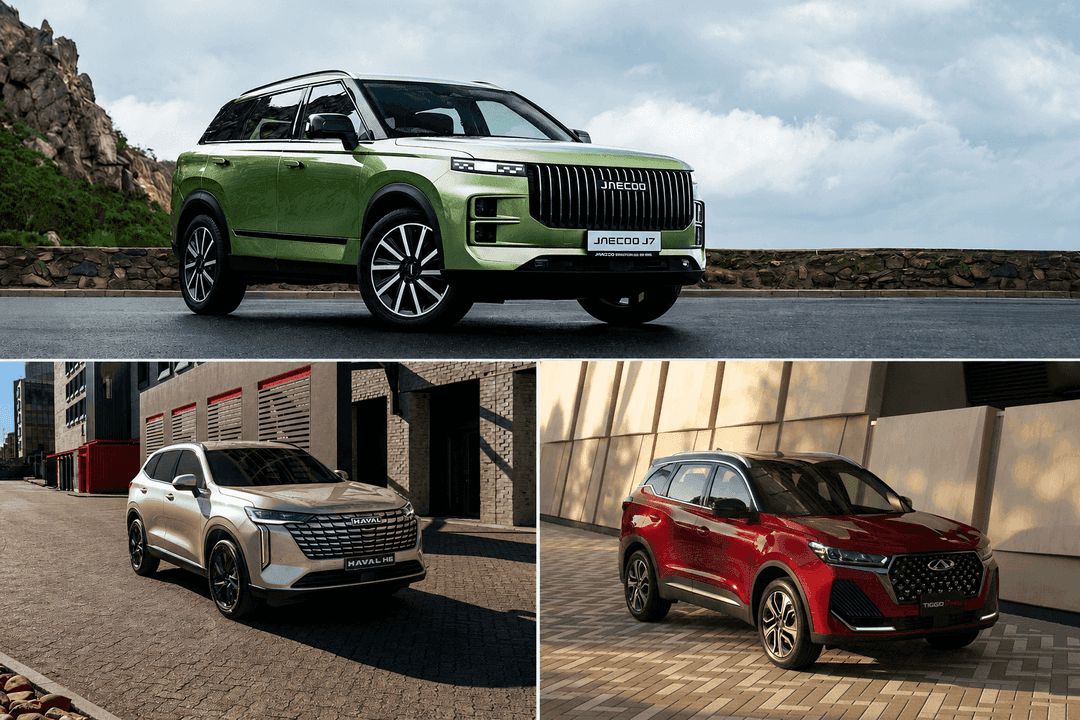
That's not what the Tiggo 7 Pro Max is trying to be anyway. It's a family SUV through and through, with the Haval H6 squarely in its sights. If you're after something with a bit more of an adventurous image, Chery already has the Jaecoo J7 waiting in the wings.
Cabin & Practicality
Step inside, and it's immediately obvious where Chery has invested the money. The cabin looks and feels far more expensive than the price tag suggests, and in a segment where buyers are counting every rand, that makes a big difference.
Materials and controls
The cabin is generally a pleasant place to spend time. Most of the surfaces you regularly touch are wrapped in soft-touch materials, the stitching is neatly finished and nothing feels flimsy or cheap. Sure, there are harder plastics lower down in the cabin, but they're largely out of sight and don't take away from the overall impression. It's a cabin that genuinely feels like it belongs in something wearing a much bigger price tag.
My biggest gripe is the reliance on the touchscreen. While driving along the N3, I found myself taking my eyes off the road for longer than I'd have liked just to adjust the climate control. It's a reminder that not everything needs to live inside a screen. Simple things like temperature, fan speed and volume are quicker—and safer—to operate with physical buttons.
The good news is that this isn't a problem Chery can't fix. With over-the-air software updates, cleaner menus and permanent climate control shortcuts, the system could become far more intuitive. The hardware is already there; it just needs software that makes better use of it.
Space and boot
Five adults fit, although three broad passengers across the rear bench will prefer shorter journeys. Knee room is generous, and ISOFIX anchors handle child-seat duty.
- Seats: 5, with a flat rear bench for three across on shorter trips.
- Ground clearance: 193mm, handy for high pavements and gravel.
- Fuel tank: 51 litres.
Boot space is useful rather than class-leading. With one full-size pram aboard, we measured roughly 610mm of usable floor length behind it, leaving space for compact weekly groceries.
Pack smart and four people can manage a weekend away without roof racks or luggage stacked above the parcel shelf.
On the Road
Right, so this isn’t about lap times. It’s about patched tar, gravel, toll-road climbs, and the stop-start grind owners face daily.
Engine and gearbox
Under the bonnet sits a 1.6-litre turbocharged four-cylinder engine producing 147kW and 290Nm, paired with a seven-speed dual-clutch transmission. Out on the open road, there's more than enough performance on tap for confident overtaking, and our estimated 0-100km/h time of 9.4 seconds feels perfectly respectable for a family SUV.
Around town, though, it's a slightly different story. In stop-start traffic, the dual-clutch transmission can be a little hesitant, occasionally shuffling between the lower gears when you're moving from the brake back onto the accelerator. It's not a deal-breaker, but it's noticeable enough to remind you that refinement still has room to improve.
Thankfully, things smooth out once you're up to speed. The gearbox settles down, the shifts become clean and unobtrusive, and the drivetrain feels much happier. To me, it feels less like a mechanical issue and more like a software calibration quirk—something Chery could realistically improve with a future over-the-air update.
Ride and refinement
If there's one area where the Tiggo 7 Pro Max really impressed me, it's the ride quality. It deals with broken tar, expansion joints and the kind of patchwork roads we encounter every day with a level of composure you wouldn't necessarily expect, even riding on those large alloy wheels.
It's equally comfortable on the open road. Wind and tyre noise are well suppressed, making long-distance trips feel pleasantly relaxed, while the engine has enough torque to hold 120km/h without constantly hunting between gears on Gauteng's long climbs. Add supportive seats and a stable, confidence-inspiring ride, and the Tiggo quickly proves itself to be the sort of SUV you'd happily drive from Johannesburg to Durban without thinking twice.
Data & Comparison
Numbers matter here. The listed price is R437 806, within a used and run-out market spanning roughly R369 900 to R559 900.
Ownership costs
Stat: Projected three-year residual value of R325 147 and an estimated five-year total cost of ownership around R230 000.
Residual performance looks respectable for a Chinese SUV, although service history and warranty transferability can change what the next owner will pay.
Used-market movement is encouraging. 2024 listings averaged R412 374, 2025 climbed to R463 076, and 2026 examples average R450 928. That’s better than Chery’s old cliff-edge depreciation reputation suggests.
Buyers should compare dealer offers carefully. A run-out car at CMH Chery may look tempting, but registration date and ownership status can shorten the useful warranty period.
How it stacks up
| Model | Power | Torque | Claimed economy | Approx. price |
|---|---|---|---|---|
| Chery Tiggo 7 Pro Max 1.6T | 109kW | 290Nm | 7.0 L/100km | R437 806 |
| Haval H6 | Higher outputs on GDIT | Comparable | Similar class claim | Broadly aligned |
| Jaecoo J7 | Shared Chery mechanicals | 290Nm | Similar | Positioned above |
Among these three, the H6 has stronger local recognition, while the J7 shares much of the Chery’s hardware beneath a more upmarket body.
Chery’s advantage is equipment for the money. Jaecoo supplies more theatre, while Haval brings the longer local track record.
Editorial Focus
Now for the honest bit, because any useful Chinese SUV review should cover more than touchscreens, panoramic roofs and showroom sparkle.
Tested fuel consumption
Chery claims 7.0 L/100km. Independent testing recorded closer to 9.1-9.2 L/100km in normal mixed driving, with two separate cars landing in the same band.
That’s roughly a 30% miss. My own week of Johannesburg commuting sat nearer 9 than 7, while one highway run into a headwind spiked past 12 before settling.
Budget for high-8s to low-9s, not sevens. The engine also prefers 95-octane, adding a small but persistent expense.
With a 51-litre fill, expect about 550km before sensible drivers seek a forecourt, depending on traffic, altitude and load. Workable, yes. Credible against the claim? Not quite.
The warranty fine print
Chery’s headline 10-year engine warranty sounds unbeatable. Read it properly.
- The blanket cover is 5 years/150 000km factory warranty.
- The extra 5 years is engine-only, auto-added, and heavily conditional.
- It requires the original owner, no missed or late services, Chery-approved parts and full traceable history.
Gearbox, infotainment and general components fall under the five-year cover, not the ten. Second owners typically lose the extended engine cover, weakening the used-buy value argument.
Flagship Tiggo 7 Pro Max derivatives also carried longer factory terms than the base Pro, so confirm cover against the VIN and original sales paperwork. Ignore the windscreen sticker.
Service discipline is non-negotiable. Missing an interval during load-shedding chaos, or skipping an approved Chery dealer, could make a later claim painfully expensive.
Four-tier verdict vs H6 and J7
- Value: Tiggo wins on price-to-kit.
- Refinement: J7 edges ahead, H6 close.
- Warranty reality: All three trade on big numbers with small print.
- Resale: H6's brand recognition still helps it most.
Safety rating
ANCAP · tested 2023
★★★★★ 5/5 adult occupant
Australian-market RHD rating — indicative for SA only where the SA derivative matches the tested safety spec (airbags/ESC/AEB). Official factsheet.
Verdict
The Tiggo 7 Pro Max gets the fundamentals right. It's spacious, comfortable, well-equipped and offers the kind of value that's become synonymous with Chery. If you're planning to buy one new, keep it for the long haul and stick to the servicing schedule, it's easy to see why it's become such a popular choice in South Africa.
That doesn't mean it's without its flaws. The dual-clutch transmission can be hesitant at low speeds, while the touchscreen still asks too much of the driver for everyday functions. They're not deal-breakers, but they're the sort of things you'll notice every day, so make sure you spend time in slow-moving traffic during your test drive rather than just taking a quick lap around the dealership.
With the range now restructured and plug-in hybrid models joining the line-up, the Tiggo 7 Pro Max finds itself in an even more competitive position than before. And if Chery can iron out the low-speed gearbox calibration and simplify the infotainment through future software updates, it'll only strengthen what is already one of the best value-for-money family SUVs on the market.
Summary
A candid review of the 2026 Chery Tiggo 7 Pro Max 1.6T Executive AWD for South African buyers, covering cabin tech, real-world fuel use, running costs and the 10-year engine warranty fine print. We also compare it with the Haval H6 and Jaecoo J7.