Honda Amaze 1.2 Comfort CVT (2026) Review
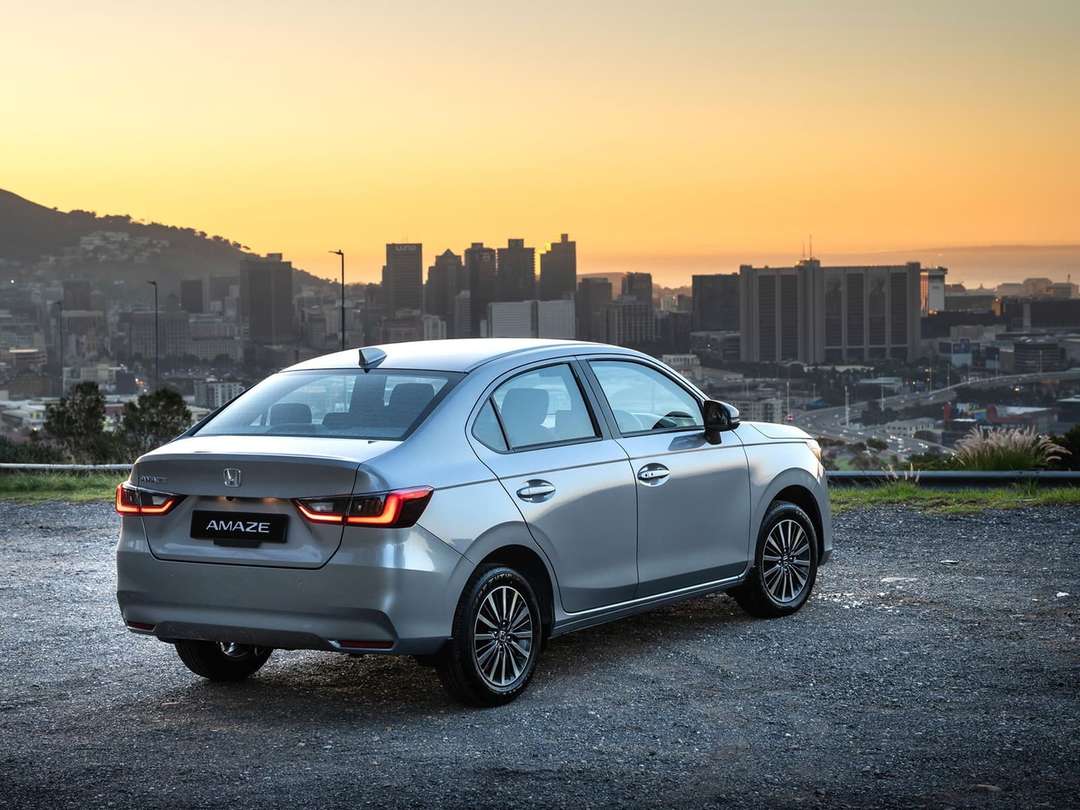
A much-improved small sedan that finally feels worthy of the Honda badge. Only real drawback is a powertrain that shows its limits when you add altitude or extra passengers... and sometimes, that matters.
Summary
Right, here’s what you actually need to know about the Honda Amaze 1.2 Comfort CVT if you’re shopping in South Africa: this is a proper Honda Amaze review, not just another spec sheet. We talk real Honda Amaze boot space, how it feels on our roads, what you can actually fit inside, and whether it’s worth your money compared to the Suzuki Dzire, Kia Pegas, and Hyundai Grand i10 Sedan. This Honda Amaze 1.2 Comfort CVT review South Africa is for the buyers who care about long-term cost, reliability, and daily usability – not just headline numbers. And yes, we’ll talk price too: the Honda Amaze 1.2 Comfort CVT price South Africa is a crucial part of the story.
Introduction
If you’re after a small sedan that’s focused on reliability and low running costs rather than showboating, you’ll want to consider the Honda Amaze 1.2 Comfort CVT. It’s built for daily commutes, e-hailing operators, or as a starter car – especially if you want a car that just gets up and goes every morning. Don’t expect big mileage munching across the N1 or dramatic looks at the car wash. In 2025, this Comfort CVT model has to justify its price in a tough market, with the Dzire, Pegas, Grand i10 Sedan, and even the Proton Saga breathing down its neck. So where does the Amaze actually deliver, and where does it leave you wanting?
Key takeaway: Honest, low-maintenance, and finally kitted with the tech the last Amaze missed. But you’ll need patience – both for the modest engine and the CVT’s pace.
Design & Exterior
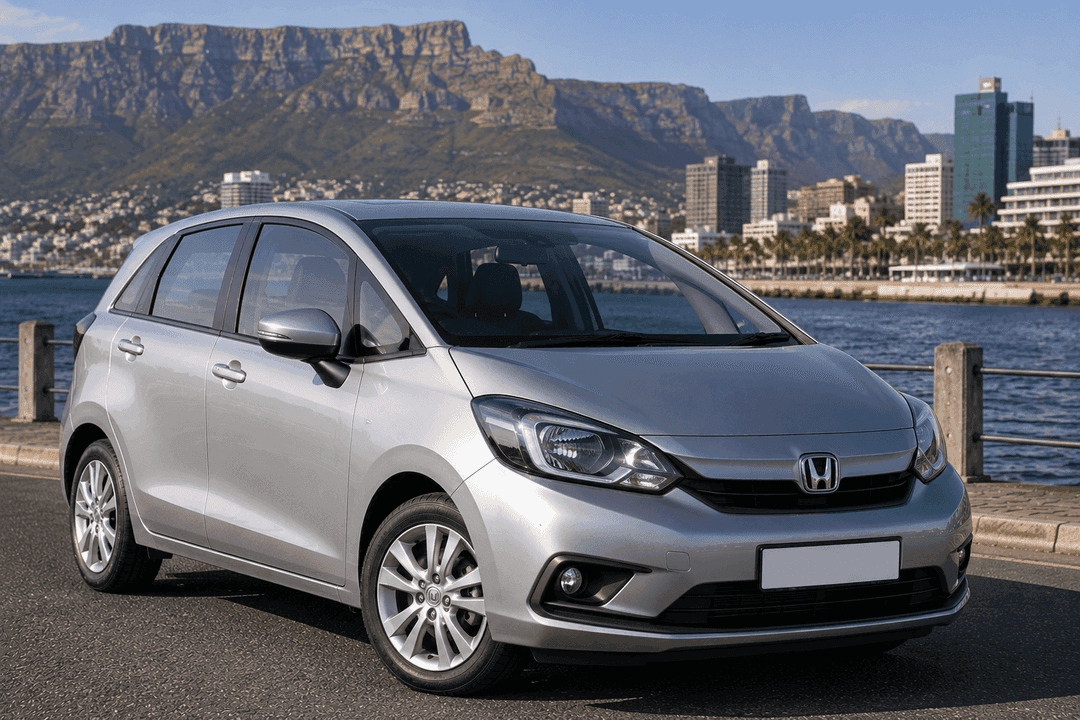
This third-gen Amaze finally feels like Honda’s bothered to give it an identity. The wider grille and sharper LED daytime running lights give the front some intent. Proper shutlines on the bonnet – you might even snap a photo. Still, it’s a short, stubby sedan: 3 995 mm long, 1 695 mm wide, 1 498 mm tall, with a 2 470 mm wheelbase.
That’s smaller than the City and Polo Sedan, and intentionally so. Parked front-first at a Woolies Food in Rosebank, you’ll notice the boot never juts into the aisle. The 15-inch alloys look the part, but frankly, I’d swap those for chunkier tyres if you’re heading onto gravel outside Dullstroom – those thinner profiles let you feel every corrugation.
Where it sits in the segment
Up against the Dzire, it feels more mature. Next to the Pegas, it’s fresher. You won’t mistake it for a hatch with an afterthought boot like the Grand i10 Sedan.
Cabin & Practicality
The old Amaze lost buyers inside. Now you get an 8-inch touchscreen, wireless Apple CarPlay and Android Auto, a wireless charging pad, a 7-inch TFT cluster, and actual physical climate dials you can use by touch. That last bit makes a bigger difference in stop-start traffic than any brochure will ever say.
Material quality? Improved, but you’ll still spot the shortcuts. Hard door plastics, a flimsy headliner, and a glossy gear surround that’ll show every fingerprint by Friday. It’s par for the segment, to be fair.
Space and the boot
Rear legroom is surprisingly generous for a sub-four-metre sedan, thanks to Honda’s skinny front seats. Three up at the back? Only for the brave, and only on short trips. The boot is the headline act for practicality:
- Big opening, swallows a full suitcase flat
- Deep floor, almost no loading lip
- Rear backrest doesn’t fold – long cargo just won’t fit
- No exterior boot handle, only opens via key or driver’s release
That fixed backrest is a frustration. Flat-pack furniture or a surfboard? Forget it. But if you pack smart, you’ll fit two weeks’ groceries, a full golf bag standing upright, or easily handle airport runs for two with full-size cases. On my test, I loaded a pram and a hefty shopping haul with space left over – no need for boot Tetris. That matters.
ISOFIX and family duty
ISOFIX mounts are on the outer rear seats. Got a tall front passenger? A rear-facing seat squeezes in, but that’s just how it is in this class.
On the Road
Under the bonnet you get Honda’s 1.2 i-VTEC: 67 kW and 110 Nm, sent to the front wheels via a CVT. On paper at least, it matches the rivals for a 945 kg sedan. In practice, it gets the job done, but don’t expect it to excite. Your driving style really shapes your impression here.
City and suburban
The Amaze is happiest in the city. The CVT’s gentle creep makes crawling along Main Road in Newlands easy, steering is light enough for fingertip parking, and the low dash gives you a clear view. My week with the car was full of school runs and CBD commutes – never once did I wish for more go below 60 km/h.
Highway and Highveld altitude
Once you’re merging onto the N1 at altitude, the 1.2 shows its limits. You have to commit early when picking a gap – full throttle triggers the CVT’s elastic response, and the engine gets thrashy above 4 500 rpm. Overtaking on single-lane stretches? Plan ahead. Settled at 120 km/h, it cruises quietly, but crosswinds between Bloem and Colesberg will definitely remind you this thing weighs under a ton. I watched a truck blast past and felt the Amaze shudder – not scary, but you’re very aware of its lightness.
Ride and ground clearance
Honda claims 170 mm of ground clearance, and you feel that freedom over Gauteng’s random speed bumps. The suspension is on the soft side, which is a blessing for our patchy roads. Push on through corners and the body leans more than a Polo Sedan, but honestly, buyers aren’t here for the handling.
Data & Comparison
The Comfort CVT brings six airbags, VSA, Hill Start Assist, reverse camera, parking sensors, shift paddles, and remote start. Four-year/60 000 km service plan included – finally, Honda brings the support buyers expect in this league.
Key vehicle specs
- Engine: 1.2 i-VTEC four-cylinder petrol
- Power: 66 kW
- Torque: 110 Nm
- Transmission: CVT, front-wheel drive
- Kerb weight: 945 kg
- Length / width / height: 3 995 / 1 695 / 1 498 mm
- Wheelbase: 2 470 mm
- Seats: 5
Where it sits in the class
Median power in this class is about 129 kW, but that’s skewed by bigger engines and turbos you’ll never see at this price. The Amaze’s numbers are right in line with its true rivals below R300K.
| Model | Power | Torque | Kerb weight | Service plan |
|---|---|---|---|---|
| Honda Amaze 1.2 Comfort CVT | 66 kW | 110 Nm | 945 kg | 4 yr / 60 000 km |
| Suzuki Dzire 1.2 GL+ CVT | 60 kW | 112 Nm | ~915 kg | 2 yr / 30 000 km |
| Kia Pegas 1.4 EX auto | 70 kW | 132 Nm | ~1 088 kg | 4 yr / 60 000 km |
| Hyundai Grand i10 Sedan 1.2 auto | 61 kW | 114 Nm | ~990 kg | 2 yr / 30 000 km |
Honda Amaze price in South Africa and ownership
Price at launch was R294 900 for the Comfort CVT, putting it within R20 000 of the Dzire CVT and just above the Grand i10 Sedan auto. Five-year running costs? Expect R230 000 for fuel, services, tyres, and insurance for a typical Joburg commuter. High-mileage e-hailing operators will rack up dealer visits faster, because Honda sticks to a 12 000 km service interval. You’ll be seeing your local CMH or Motus Honda more often than Dzire owners if you do big kilometres.
Trend context
Sedan demand in South Africa held steady through 2025, with scores between 65 and 71 on our index from June to November. That’s stronger than hatches, which partly explains why Honda still invests in the Amaze here.
Honda Amaze reliability
Here’s where the Amaze shines. The 1.2 i-VTEC is a known quantity, used in everything from the Fit to the City. The CVT has proven itself, too, with most previous-gen complaints focused on tired tech, not breakdowns. Mechanical issues? Rare, and that’s why buyers pick the Amaze over a cheaper rival. It’s what the Amaze should have been from the start.
People Also Ask
What is the Honda Amaze price in South Africa in 2025?
Launch price for the Honda Amaze 1.2 Comfort CVT sits at R294 900, with the Trend manual coming in lower. Standard kit: 4-year/60 000 km service plan, six airbags, and the touchscreen with wireless Apple CarPlay and Android Auto. It’s cheaper than most automatic B-segment hatches and lines up squarely against its sedan rivals.
How much boot space does the Honda Amaze have?
Measured boot space is around 416 litres. That’s big for a sub-four-metre sedan – easily matching the Dzire and Pegas. Wide loading, deep floor, but long stuff still needs to ride in the back seat thanks to the fixed rear backrest. Honda Amaze's boot space is a real selling point for families and luggage hauliers.
What is the Honda Amaze's ground clearance?
The official figure is 170 mm. For a sedan, that’s a proper advantage in South Africa. You’ll clear speed humps, get through rutted township roads, and take on gravel without scraping. More than a Polo Sedan, and about tied with the Pegas.
Are there any common Honda Amaze problems to worry about?
Real issues are rare. Previous-gen grumbles were about old cabin tech, not mechanicals. The 1.2 i-VTEC is one of the more durable small petrols here. For e-hailers and high-mileage drivers, that’s a huge peace of mind.
How does the Honda Amaze vs Suzuki Dzire comparison play out?
It’s refinement versus pure running costs. Amaze brings a smoother four-pot, a better service plan, and a more mature cabin. Dzire is lighter, uses less fuel on paper, and is cheaper to buy. For private buyers, the Amaze makes sense. For big-mileage operators, the Dzire edges it on cost.
Is the Honda Amaze good for e-hailing work?
Yes, with some caveats. The CVT is great for traffic, the seats are fine for long shifts, and Honda’s reputation helps with client trust. The downside? You’ll be at the dealer more often than in a Dzire thanks to the 12 000 km intervals, and it’s not exactly lively when loaded, especially on hills. But factor in the reliability, and it’s a solid choice for e-hailing.
Verdict
This is what the Amaze should have been from the start. The cabin finally gets the tech, comfort is sorted for South African roads, and the service plan helps with long-term value. The engine’s modest, and the CVT rewards a gentle approach rather than urgency, but for buyers wanting a hassle-free, reliable daily, those aren’t dealbreakers.
Buy it if you want a sedan that just gets on with the job, offers a proper service plan, and is trusted to last. Or if you’re a first-time buyer who cares more about cost and trust than 0-100 times.
Skip it if you spend your life overtaking at altitude or constantly moving long, awkward luggage. The fixed rear seat will get in your way.
Wait if you’re hoping for a hybrid Amaze in the next 18 months. The market’s moving that way, and the current car is strictly old-school petrol.
Rating: 7.5/10
A much-improved small sedan that finally justifies the Honda badge. The only real catch is a powertrain that runs out of puff when you add altitude or passengers... and sometimes, that matters.
Summary
Here’s the truth about the Honda Amaze 1.2 Comfort CVT if you’re buying in South Africa: it’s a full-length review covering how this sedan feels in the real world, how much stuff you can get in the cabin, what it’ll cost to run, and why it might (or might not) edge out the Suzuki Dzire, Kia Pegas, a
Ratings
Pros
- ✓You want a sedan that just works, day in and day out, with a decent service plan and bulletproof reliability.
- ✓Or if you’re a first-timer who cares more about cost and trust than about 0-100 figures.
Cons
- ✗Your life is all about overtaking at altitude or you’re always moving long, awkward cargo.
- ✗The fixed rear seatback will drive you up the wall.