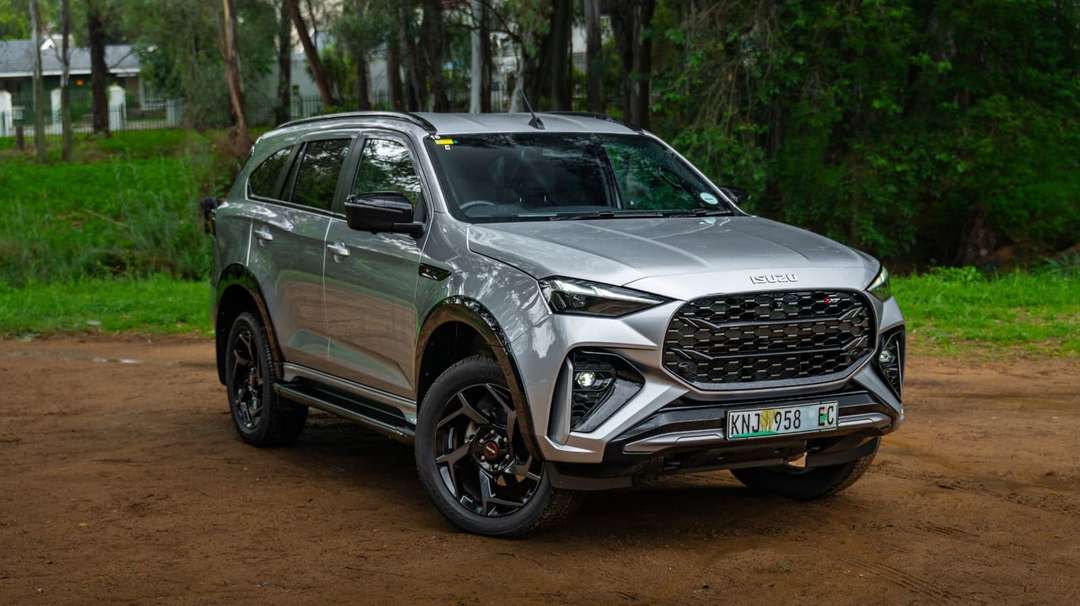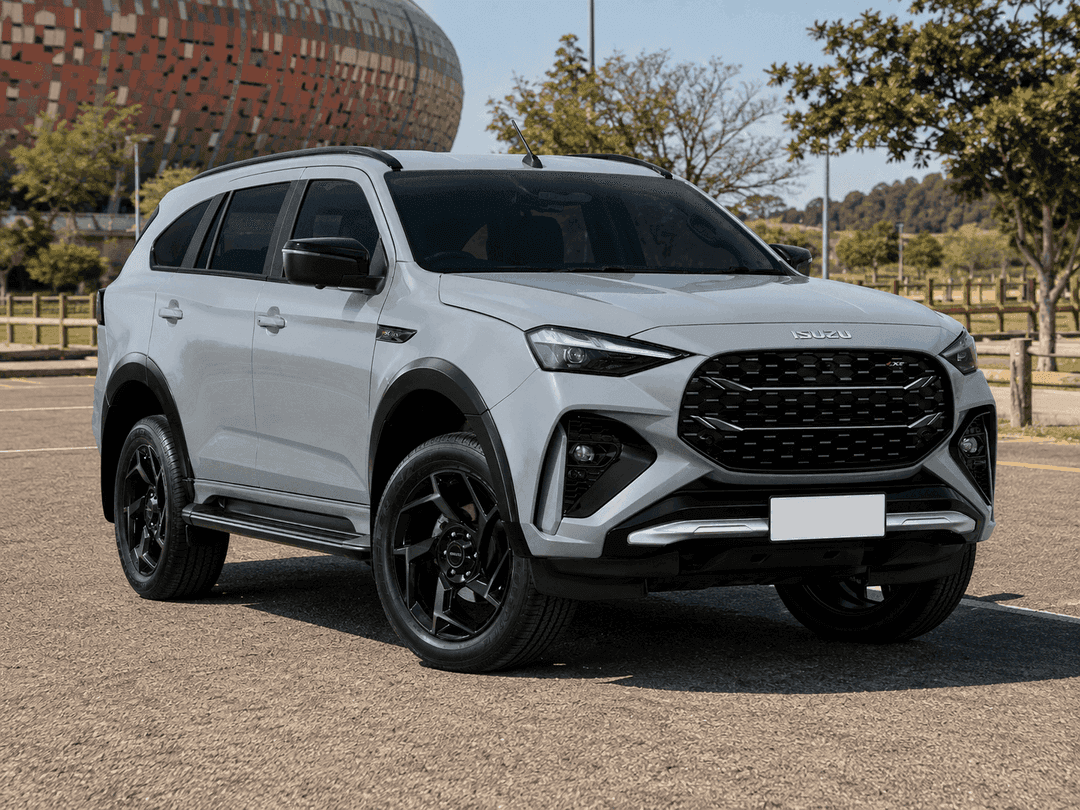
Isuzu D-Max (2025) vs Mazda BT-50 (2024)

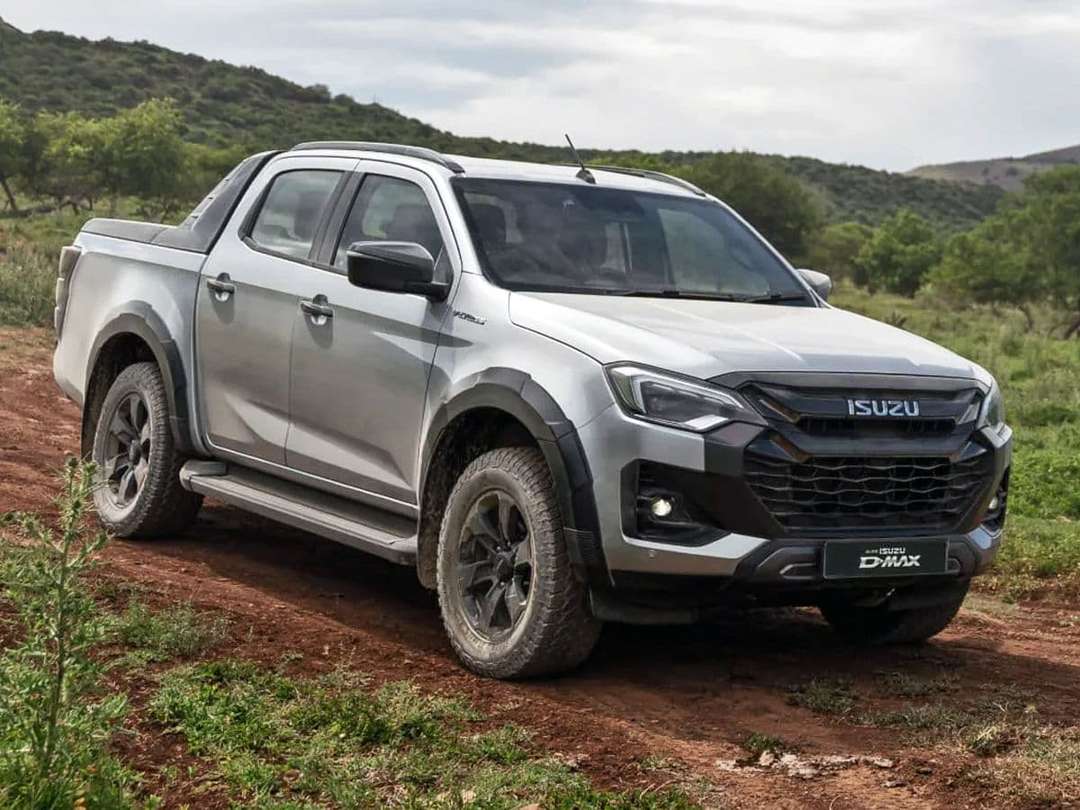
After a week with both, I’d take the Mazda BT-50 Individual for the looks and running cost. Still, I’d never argue with a friend in Mthatha who picks the Isuzu D-Max LS.
Introduction
Let’s get straight to it: the Isuzu D-Max 3.0 LS is aimed at buyers who want peace of mind from a Gqeberha VIN, a service centre in every dorpie from Polokwane to Plett, and resale values that don’t nosedive after three years. The Mazda BT-50 Individual? It’s the same bakkie at heart, just dressed for a slightly different buyer - softer on the eyes, a bit lighter on your monthly repayments, and less likely to be mistaken for a fleet special. Mechanically, they’re twins. The real divide comes down to brand flavour, dealer network, and how much you care about the badge on the steering wheel.
Key takeaway: Under the skin, it’s one bakkie. Isuzu’s got the local support and resale. Mazda’s all about style, comfort, and a smaller debit order each month.
Design & Exterior
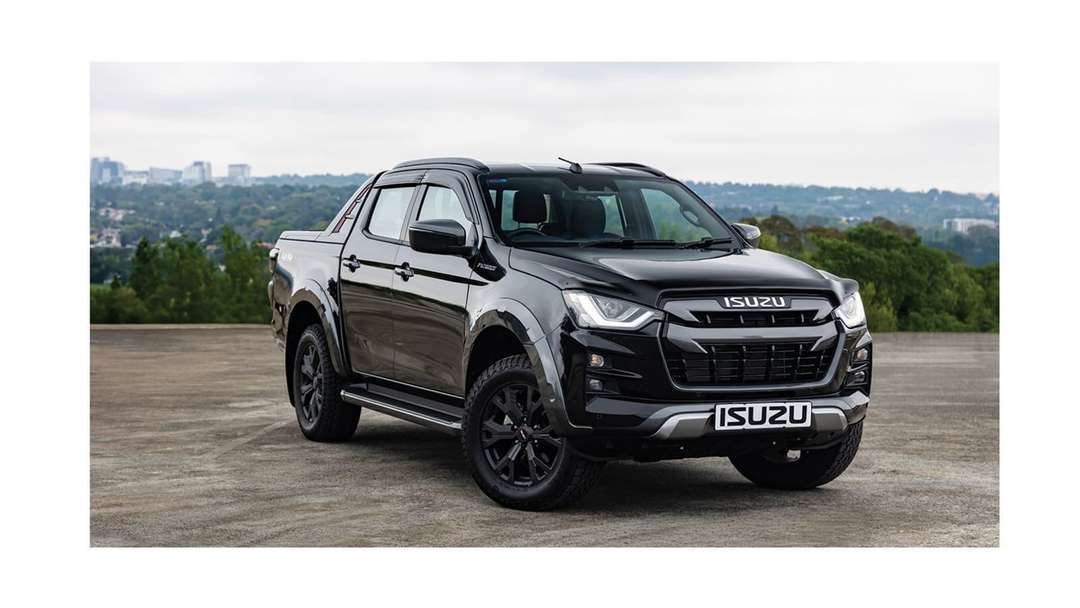
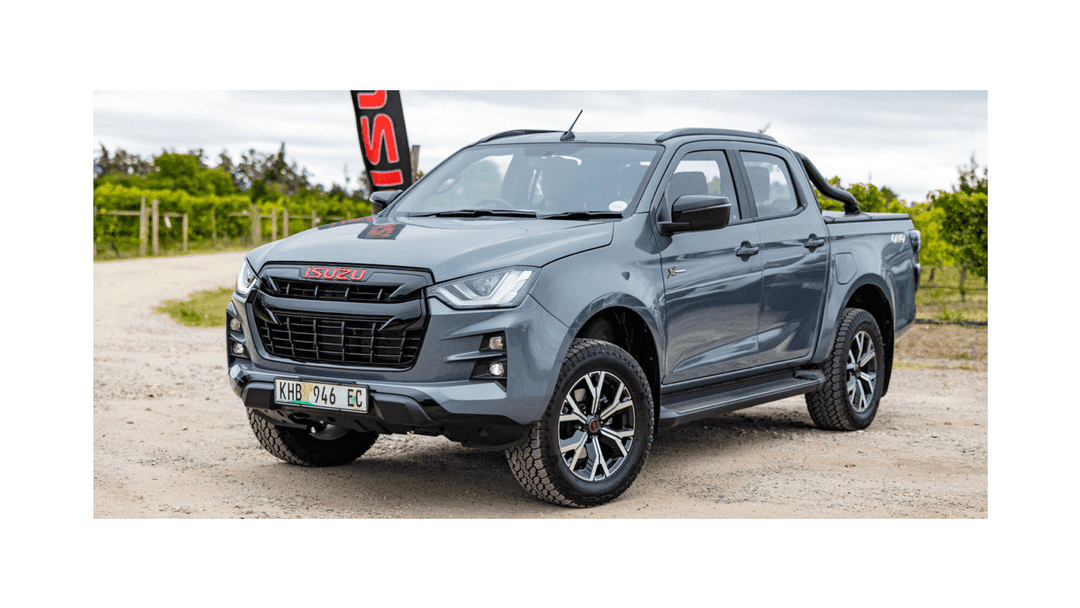
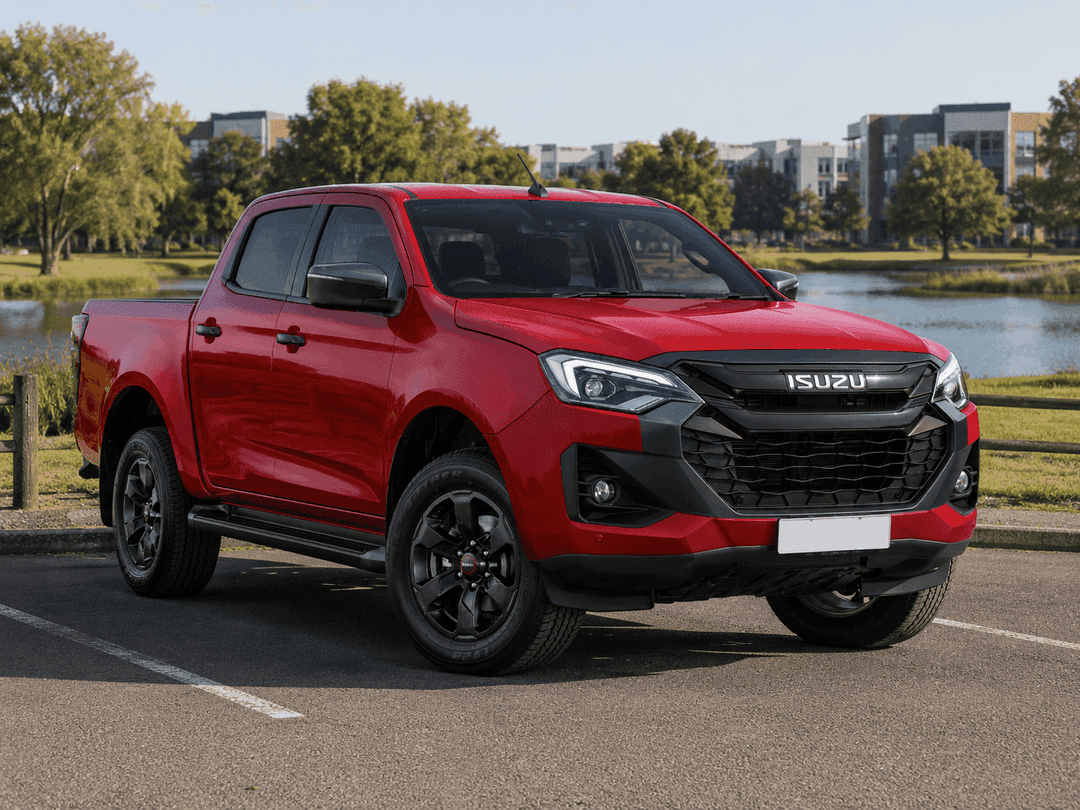
For 2025, the D-Max flexes a bigger grille and tougher LED lighting - it’s gone for that American pick-up swagger. Mazda’s BT-50 borrows the same bones but goes full Kodo: swoopy grille, clean lines, and a face that doesn’t scream “site manager”. That counts in places like Sandton or Umhlanga, where not everyone wants to look like they’ve just clocked off from a week in Kriel.
Dimensions and stance
- Isuzu D-Max length: 5265 mm. Mazda BT-50 length: 5280 mm.
- Isuzu D-Max width: 1870 mm. Mazda BT-50 width: 2160 mm (with mirrors).
- Isuzu D-Max height: 1785 mm. Mazda BT-50 height: 1790 mm.
On paper at least, it’s a dead heat. Length and height? Practically identical. The BT-50’s width includes mirrors, so don’t stress about squeezing into a standard garage. Ground clearance and approach angles? Both will handle endless gravel detours without breaking a sweat.
SA-specific observation
Here’s something you only learn after a few years in the trade: the D-Max’s Gqeberha build means a fender bender in Joburg is less of a headache. Parts and panels arrive days quicker than for the Thai-built Mazda. I once watched a BT-50 owner wait weeks for a tailgate while his mate’s Isuzu was sorted before the next braai.
Cabin & Practicality
Inside, you’re mostly looking at different badges and a handful of trim tweaks. The Isuzu D-Max LS is straight-talking: proper physical climate controls, a rotary volume knob (because touchscreens aren’t always clever with gloves), and an 8-inch or 9-inch infotainment screen (wireless Apple CarPlay is now standard for 2025). Mazda’s BT-50 Individual gets the big 9-inch unit, Mazda’s own interface, and a centre console that flirts with SUV territory more than bakkie bare-bones.
Materials and ergonomics
High-gloss black plastics? Both are fingerprint magnets. Mazda goes a touch upmarket with softer dash trim and chunkier seat stitching. Isuzu keeps it businesslike. If your day swings between a muddy site and a Wimpy, you’ll appreciate Isuzu’s wipe-down approach. If the biggest hazard is a sippy cup spill, Mazda’s softer touch will appeal.
Practicality numbers
- Seats: 5 in each.
- Doors: 4 in each.
- Load bed: about 1570 mm long, identical tailgate design.
- Braked towing: 3500 kg for both (official spec).
- ISOFIX: two rear points, both models.
After the latest update, infotainment is a tie. Mazda nudges ahead on interior polish, but Isuzu has more straightforward storage and those all-important physical controls. If you pack smart, either will haul two adults, a baby seat, and a pram.
On the Road
Both use the same 3.0-litre turbodiesel, six-speed Aisin auto, and 450 Nm of torque. Yes, they feel related - but the differences are there once you leave the dealership forecourt. Tyre choices, damper settings, and steering feel all add up.
Driving the Isuzu D-Max
Did a Centurion to Bela-Bela run in the D-Max LS, empty at first. Ride was firm - classic D-Max, bouncing over those concrete joints near the Zambezi offramp. Load up 200 kg, and it calms down, just as you’d expect. That 450 Nm comes in strong from 1600 r/min, and while the engine’s a bit vocal at idle, it settles into a groove at speed. The 12.5 m turning circle is a lifesaver in Woodstock alleys. On one trip, a builder in a Hilux gave me the nod at a robot - some things never change.
Driving the Mazda BT-50
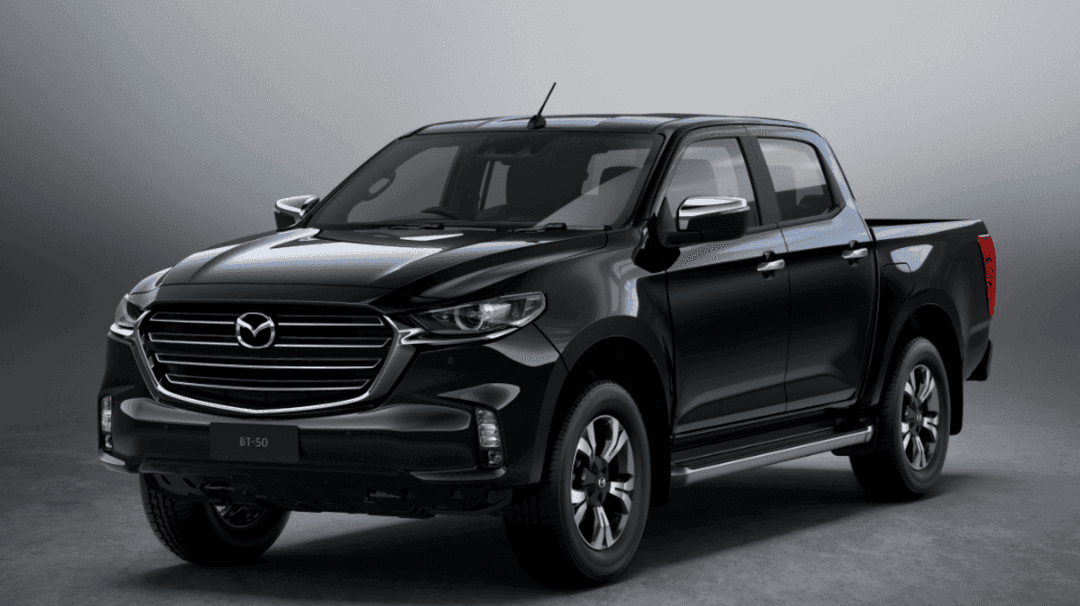
Same route, same weather, BT-50 Individual. Ride’s a notch softer over the bumps, so it soaks up bad tar near Hammanskraal better. Steering is lighter just off-centre, making parking a breeze, but there’s a touch less weight at speed. Gearbox? Same Aisin, no drama. On the N1 to Polokwane, I got an indicated 8.7 l/100 km. The Isuzu returned 8.9 l/100 km on the same loop. Both are thirstier than the 8.0 L/100km claim, but that’s bakkie life in Gauteng traffic.
Off-road and gravel
Selectable 4x4, low range, and the new Rough Terrain mode are now standard from the 2025 Isuzu update. Took both onto gravel outside Hartbeespoort - neither missed a beat, and unless you’re timing them with a stopwatch, you won’t find a meaningful difference.
Specs & Ownership
This is where the real-world split happens. Mechanicals are the same, so it’s about the ownership experience, trade-in values, and what your wallet feels each month.
| Spec | Isuzu D-Max 3.0 LS 4x4 | Mazda BT-50 3.0TD Individual 4x4 |
|---|---|---|
| Engine | 3.0d (140 kW 4WD Automatic | 3.0L Diesel |
| Power | Not listed in canonical spec | 140 kW |
| Torque | 450 Nm | 450 Nm |
| Gearbox | 6-speed automatic | 6-speed automatic |
| Drive | All Wheel Drive (4x4) | AWD |
| Fuel consumption (combined) | 8.0 L/100km | 8.0 L/100km |
| Urban fuel use | 9.8 L/100km | Not listed |
| Extra-urban fuel use | 6.9 L/100km | Not listed |
| Length / Width / Height | 5265 / 1870 / 1785 mm | 5280 / 2160 / 1790 mm |
| Kerb weight | 1910 kg | Not listed |
| Seats | 5 | 5 |
| 5-year TCO (estimate) | R426 000 | R414 000 |
Total cost of ownership
The numbers don’t lie: five-year TCO puts the BT-50 R12 000 cheaper than the D-Max (R414 000 vs R426 000). That’s about R200 a month - not life-changing, but not pocket change either. Isuzu grabs back some ground with resale. Local heritage and Gqeberha assembly mean D-Max values hold firmer, usually three to five per cent better after three years. Both offer 15 000 km service intervals, 5-year/90 000 km service plans, and 5-year/120 000 km warranties.
Fuel economy? Claimed at 8.0 L/100km, but in reality, expect between 8.9 and 9.2 L/100km. Do 25 000 km a year at R23 per litre, and the difference between claimed and actual will cost you around R5 200 extra each year. That’s cash you’ll feel when you hit the forecourt.
Verdict
As twin tests go, this is about as close as it gets. Mechanically, it’s a handshake. The rest? Down to brand loyalty, dealership map pins, and whether you want your double cab to blend in or stand out.
Value shoppers will see BT-50 win on price and running costs. Resale hunters will stick with Isuzu. Comfort seekers get a little more from the BT-50’s unladen ride.
If you can wait, Isuzu’s next D-Max is rumoured for 2026/2027, bringing mild-hybrid tech. For now, the 2025MY is the peak platform, but if you’re looking at a six-year finance term, keep your ear to the ground. And that’s the point.
After real time behind both wheels, I’d pick the Mazda BT-50 Individual for the looks and lower running costs. But I’d never tell a friend in Mthatha to skip the D-Max LS - out there, the closest dealer matters more than the closest cappuccino. Sometimes, that badge on the tailgate really does carry weight...
Summary
Here’s a proper double-cab showdown for South Africans: the 2025 Isuzu D-Max 3.0 LS 4x4 Double Cab takes on the 2024 Mazda BT-50 3.0TD Individual 4x4. On the table? Design, cabin layout, real-world practicality, on-road manners, ownership cost, and what those numbers look like when it’s time to sell