Mahindra XUV300 W8 Petrol (2022) Review

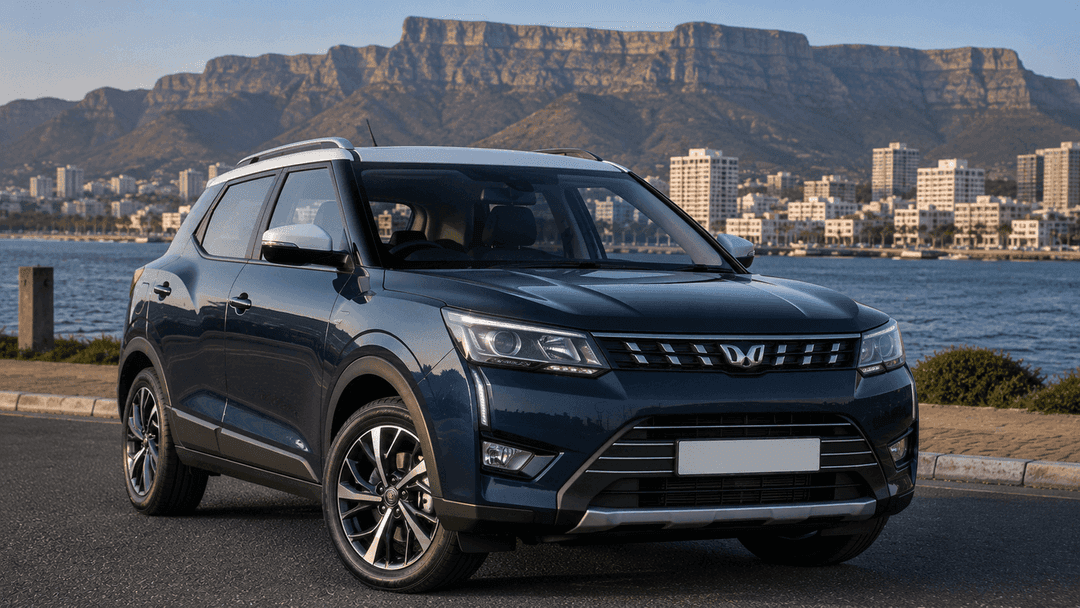
Generous safety, kit, and ride for the money, but a tiny boot, no auto petrol, and shaky flagship residuals dull the shine.
Introduction
Look, the Mahindra XUV300 W8 Petrol is a compelling buy if you want lots of features, top safety, and aren’t allergic to a manual gearbox or a tiny boot. Badge snobbery? Park that. Now in 2026, the XUV300 has made way for the XUV 3XO elsewhere, but there’s still plenty of metal on local floors and in classifieds. This review spells out exactly where the 110 hp 1.2 turbo delivers, and where it goes off-script. The reality is, the XUV300’s brochure promises a lot – and reality bites back in some areas.
Key takeaway: It’s a safety-first, spec-heavy little SUV that drives decently, but that micro boot, manual-only petrol, and iffy resale values keep the XUV300 from being the obvious pick.
Design & Exterior
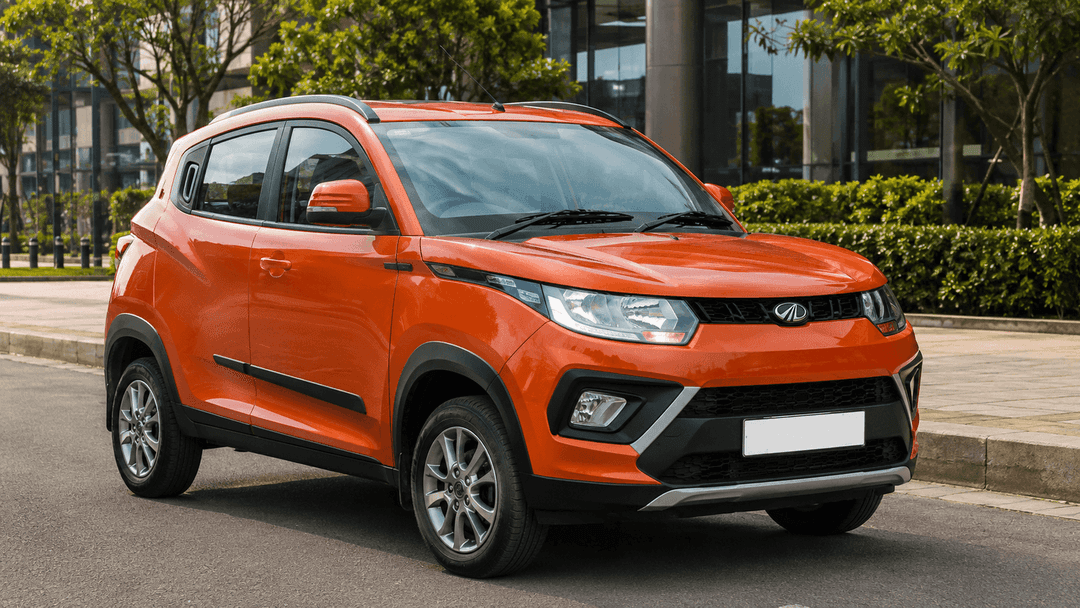
You can’t call Mahindra’s designers timid. At 3 995 mm long, the XUV300 slides in under India’s four-metre tax rule, but its 1 821 mm width stands out at this price point. I parked next to a Suzuki Brezza and a Hyundai Venue at Canal Walk once – the Mahindra looked like it was on protein shakes. That broad stance and a 2 600 mm wheelbase (long for the class) are its visual aces.
The W8 visual signatures
W8 spec piles on 17-inch alloys, projector lights, roof rails, and LED DRLs. There’s plenty of chrome on the nose, but the rear is stubby – you see the short length from behind. Ground clearance is decent for patched-up Jozi tar, and the height gives you a good view over traffic on the R21.
Where it sits in the segment
Park the Mahindra next to a Chery Tiggo 4 Pro or Haval Jolion, and it shows its age. The Indian brands have freshened up, and the XUV300 still wears its 2019 shape with minor tweaks. Not ugly. Just a clear case of facelift over full redesign.
Cabin & Practicality
Once you’re inside, that width pays off instantly. Three adults across the back? Genuinely possible. Try that trick in a Brezza or Venue. W8 spec means white leather, dual-zone climate, sunroof, leather wheel, cruise, TPMS, and a 9-inch touchscreen with proper smartphone mirroring. On paper, at least, it embarrasses what Toyota or VW will sell you at this price.
Where the cabin earns its money
- Front seats with real side bolstering and decent under-thigh support
- 9-inch touchscreen (wired CarPlay/Android Auto)
- Dual-zone climate (rare at this level)
- Selectable steering: Normal, Comfort, Sport
- Seven airbags (all rows)
- Sunroof, leather wheel, cruise, TPMS
Where it disappoints
The dashboard looks and feels old. Hard plastics on the doors and lower dash. I noticed the persistent new-car smell – it lingered for weeks. Infotainment is a mixed bag: big screen, but you’ll fight with it over Bluetooth and endure a beep with every button press. No way to silence it.
Mahindra XUV300's boot space is, frankly, a letdown. 257 to 259 litres is all you get, and there’s a high lip – loading groceries or a pram is a mission. For context, a Ford EcoSport or Tata Nexon gives you about 350 litres. Fold the 60:40 rear seats, and there’s more space, but the floor isn’t flat – so forget sliding in a big box easily.
If you pack smart, a family of four can squeeze in for a weekend away. If not, someone’s lap is the backup boot.
On the Road
The 1.2 TCMPFI three-cylinder turbo puts out 82 kW and 200 Nm. There's no automatic with the petrol engine in South Africa – it’s manual or nothing. That matters because the Haval Jolion and Chery Tiggo 4 Pro offer automatics for similar money.
The powertrain personality
Under 2 000 rpm, the engine is lazy. Once you’re past 2 000, the turbo gives a real shove. That two-stage delivery is fine, where you can let the torque carry you in fifth. But in stop-start traffic, you’ll find yourself slipping the clutch just to keep it alive. That’s the thing about a manual-only turbo in 2025 – it asks more of you than most buyers want to give.
Spent a week with the XUV300 and counted: stalled three times at traffic lights from underfeeding it. The clutch travel is long, the bite point is narrow, and the gear shift could be crisper.
Ride, steering and chassis
The ride is the star here. The Mahindra XUV300's ground clearance is ample for the class, and the soft suspension swallows potholes, speed bumps, and gravel stretches. On a gravel stretch outside Calvinia, it felt stable, thanks in part to that wide track.
The steering selector isn’t a gimmick. Comfort works for parking, Normal for city, Sport for a bit more weight (but not more feel). Through fast corners, it’s composed, not sharp.
Real-world fuel consumption
Test data on the diesel returned about 6.9 L/100km (claimed: 4.8), and the petrol’s real-world thirst is similar to its book figure. Expect high-sevens in town, low-sevens on the highway if you drive with a feather foot. At Joburg altitude, the turbo keeps it from feeling gutless, something naturally aspirated rivals can’t claim.
Data & Comparison
The numbers that matter
- Engine: 1.2-litre turbo petrol, 82 kW / 200 Nm
- Gearbox: 6-speed manual (no auto petrol in SA)
- Length: 3 995 mm
- Width: 1 821 mm (widest in segment)
- Wheelbase: 2 600 mm
- Height: 1 627 mm
- Seats: 5
- Production years: 2019 to 2024
How does it compare to rivals
| Model | Power (kW) | Avg listing (R) | Gearbox availability |
|---|---|---|---|
| Mahindra XUV300 1.2T W8 | 81 | ≈ 217 000 | Manual only (petrol) |
| Hyundai Venue 1.0 Turbo GDi | 88 | 217 682 | Manual / DCT |
| Hyundai Tucson 2.0 GDI (used) | 121 | 217 932 | Automatic |
| Hyundai Tucson 1.6 T-GDI 4WD (used) | 130 | 218 500 | Automatic |
The segment median power at this price is 164 hp. The XUV300’s 110 hp is a big gap – around 50% down, and that’s the price you pay for all the safety kit and warranty. The Mahindra XUV300 Mahindra XUV300 W8 Petrol price in South Africa debate boils down to this: you’re buying airbags, sunroof, and dual-zone climate, not outright pace.
Ownership: warranty, service, residuals
Factory warranty is 5 years/150 000 km, with a 5-year/90 000 km service plan. Not bad. The estimated five-year running cost is about R230 000, which is fair for the segment. Residual values are the weak link. Used market data shows the W8 flagship loses value fastest – flagship Indian-brand SUVs are still a tough sell when you want to trade in South Africa.
Accessories and dealer footprint
If you’re googling the Mahindra XUV300 accessories in South Africa, expect roof bars, boot liners, mudflaps, side steps, and dashcams via your local Mahindra dealer – prices usually range from R800 to R6 500. Dealer coverage is strong around Gauteng, Durban, and Cape Town, but you’ll struggle in outlying towns compared to Toyota or VW. If your nearest workshop is two provinces away, that matters.
Trend context
SUV demand in South Africa remains strong into 2025, with the body shape scoring in the 70% range for buyer interest. That keeps used XUV300 prices firmer than they probably deserve.
Verdict
The XUV300 W8 Petrol is tricky to score. It does safety, spec, and ride comfort exceptionally well. The width inside is a class highlight. But the manual-only petrol, tiny boot, and uncertain resale on the flagship trim are real hurdles.
Wait, if you can hold out for a demo or a used Mahindra XUV 3XO – the newer model fixes some of these pain points.
Summary
Here’s a no-nonsense review of the Mahindra XUV300 1.2 TCMPFI W8 Petrol for South African buyers. How does it actually drive? Is the cabin as practical as the spec sheet claims, and does the pricing stack up against local rivals? With the XUV300 now discontinued globally, this review digs into what’
Ratings
Pros
- ✓You want max equipment and crash safety per rand, don’t mind a manual, and plan to keep it through the warranty.
Cons
- ✗You need an auto petrol, trade often, or need boot space for more than two bags.