Mazda CX-5 2.0 Individual A/T (2024) Review
The CX-5 is still the most authentically premium-feeling SUV under R600k in Active and Dynamic trim, and a strong contender as an Individual. But the engine now holds it back in a market where turboch
Introduction
Right, so if you want a petrol SUV that still feels like it belongs in a higher tax bracket, the Mazda CX-5 2.0 SKYACTIV-G Individual auto has been the go-to for South Africans who don’t want to blow more than R600k. But “go-to” doesn’t cut it anymore - not with Haval, VW, and even Mercedes crowding the same money. The CX-5 II facelift keeps Mazda ticking over while the CX-60 edges closer from above. So, does this familiar recipe still make sense, or have the newcomers finally caught up? My week living with it didn’t deliver a simple answer.
Key takeaway: The CX-5 still lands its punches where it matters - cabin quality, steering, and overall calm - but the 2.0 engine and infotainment are definitely showing some wrinkles next to shinier, newer rivals.
Design & Exterior
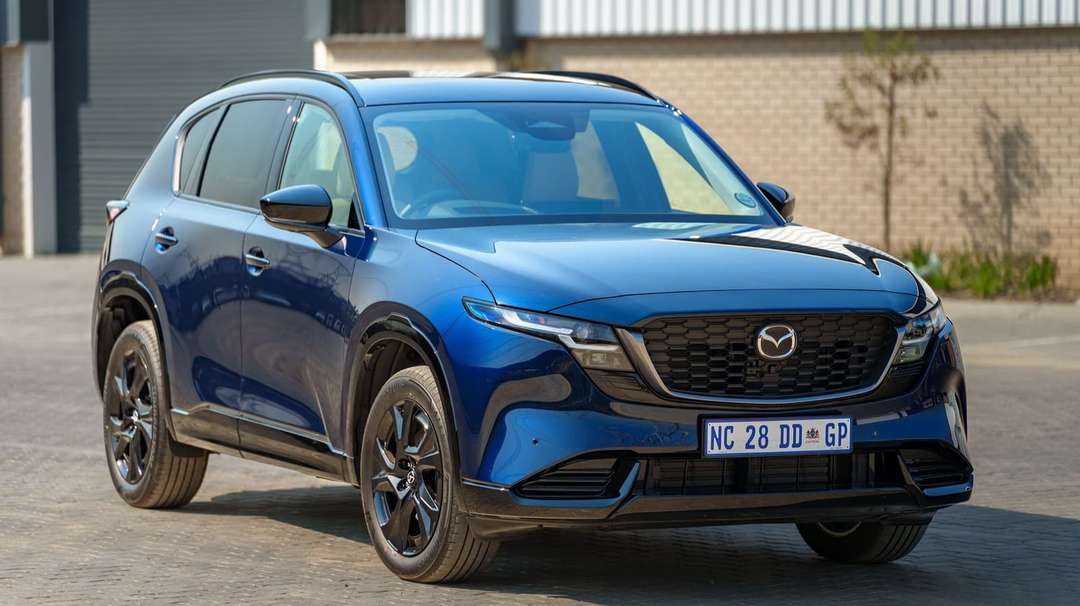
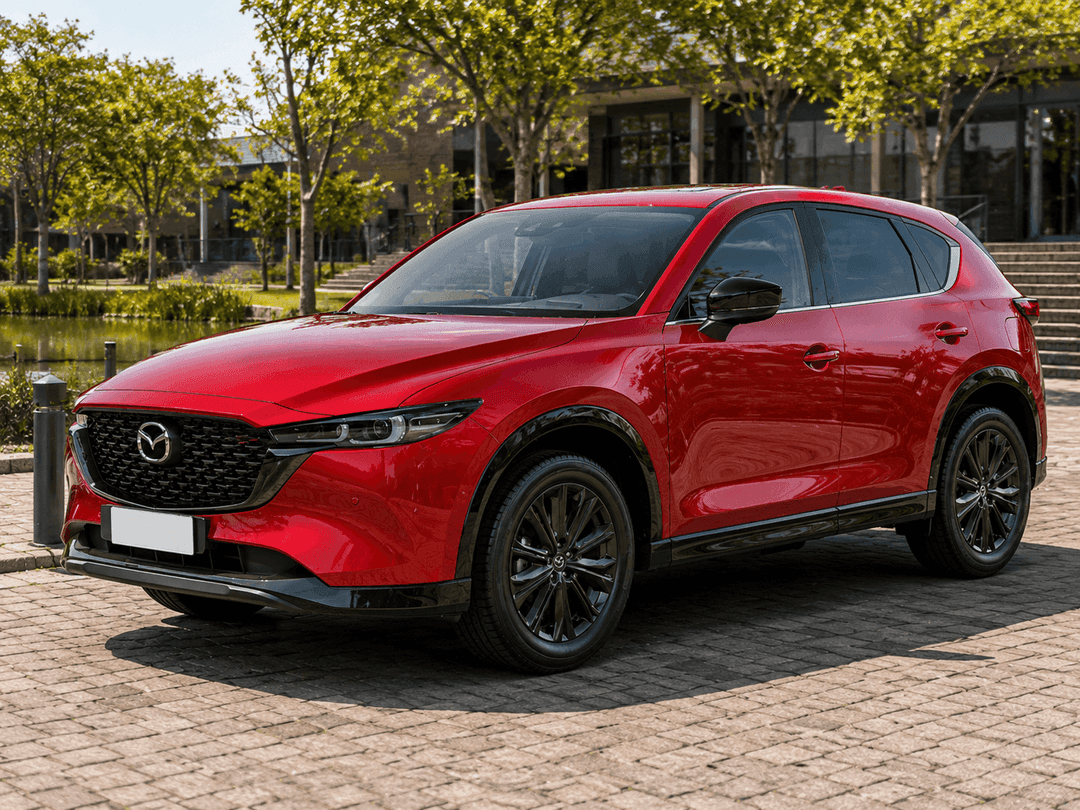
Kodo styling? Think of that favourite old leather couch: timeless, understated, and doesn’t chase trends. The CX-5 II facelift (from 2022) ignores the oversized grilles and sharp creases of the Haval H6 and the latest Tucson. That’s the whole idea - it looks a cut above without shouting.
Stance and surfacing
I parked next to a Chery Tiggo 7 Pro, and the Mazda just looked better finished. Tighter bonnet shut lines, Soul Red Crystal paint turning gold in the late sun, and body-coloured arch trim on Individual spec - it really does lift the CX-5 above the segment’s budget fighters.
Practical proportions
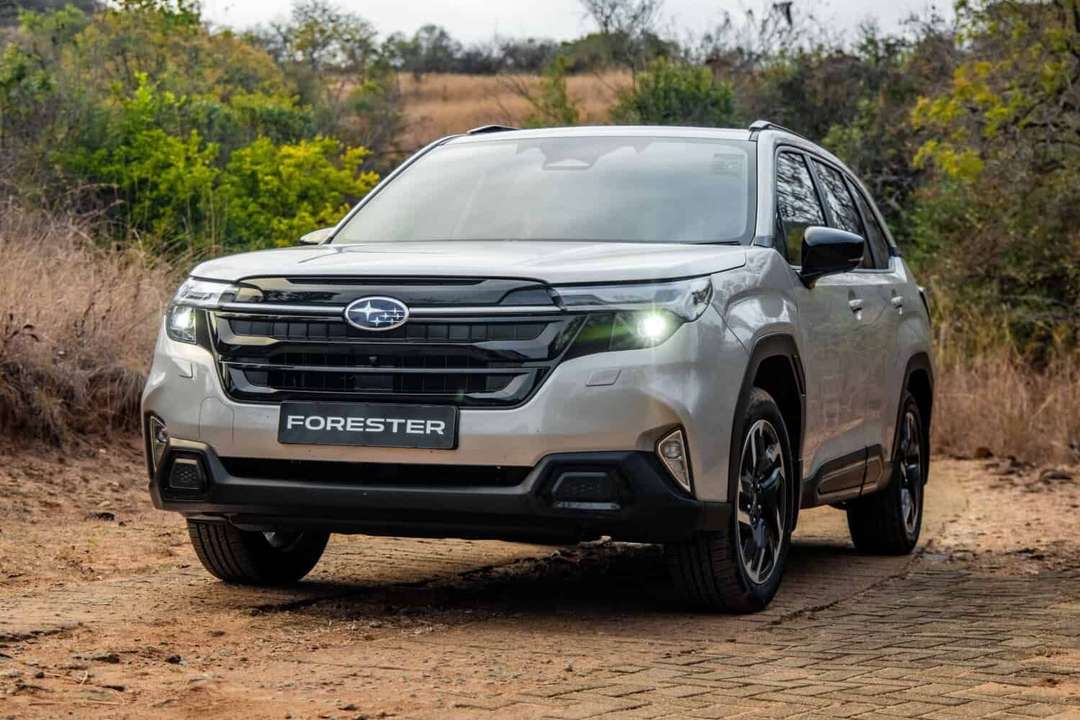
The CX-5 is just under 4.6 metres long, so it slips into tight parking bays without stress. Ground clearance sits at 193mm - fair for gravel, and I took it on a shortcut with a loaded boot. No scraping, no drama underneath, just a light rattle from the rear window blind. Sani Pass? Forget it - this isn’t a Forester, and you’ll regret trying.
Cabin & Practicality
This is where Mazda still earns its premium badge. Individual spec brings quilted Nappa leather, a stitched dash, and - thankfully - physical climate controls. After a week toggling between this and a touchscreen-only Chinese rival, I’d pay extra for the old-school rotary dials alone.
Material quality and ergonomics
The rotary commander remains. Mazda’s finally allowed the 10.25-inch screen some touch input, but only for Apple CarPlay and Android Auto. That half-and-half approach actually works better than you’d guess once you’re moving. The dash layout, soft-touch panels (even at knee level), and metallic bits all feel a step up from what Haval offers for similar money.
Space, boot and family use
Rear legroom? Not the CX-5’s best trait. At 1.85m, I sat behind my own seat, and my knees were jammed. Rear seats are sculpted, so three across is tight for shoulders. Boot’s a claimed 442 litres - about class average, but you’ll use every bit on a proper holiday run if you pack smart.
- 442 litres of boot space (seats up)
- 2 ISOFIX points at the back
- Wireless CarPlay and Android Auto included
- Physical knobs for climate and sound
- 10-speaker Bose system on Individual trim
On the Road
Let’s talk reality. The 2.0 SKYACTIV-G delivers 121 kW to the front wheels via a six-speed auto. On paper at least, that’s well behind the Haval H6 2.0T’s 170 kW. But the spec sheet doesn’t tell the whole story - Mazda’s chassis is still a thing of beauty.
Powertrain reality
On the N1, at altitude, the naturally aspirated 2.0 makes you work for overtakes. All the torque’s up at 4,000 rpm, so the auto box holds on to gears longer, keeping the engine on boil. Drop to coastal roads, and it feels much livelier. That’s the altitude tax for Gauteng drivers.
Ride, steering and refinement
Steering is the standout here. Properly weighted, real feedback lets the CX-5 shrink around you on twisty bits. The ride is firmer than a CR-V, but never harsh. Hit Karoo tar full of patchwork, and it settles in one movement, not three. Feels sorted.
Real-world fuel consumption
My average? 7.4 L/100km with a mix of N1 cruising, suburbia, and a gravel detour. Mazda’s official 6.9 L/100km is reachable if you drive like a saint, but I’ve seen 8.8 L/100km in Gauteng traffic. Both numbers are honest - your right foot sets the tone.
Data & Comparison
Let’s get into the numbers. R550k to R600k is the real battleground. The Mazda CX-5 2.0 Individual A/T sits at the top of the FWD line-up, with Active and Dynamic trims sneaking in just under R600k, and Carbon Edition nudging above.
| Model | Power (kW) | Avg Price (R) | Fuel |
|---|---|---|---|
| Mazda CX-5 2.0 Individual A/T | 121 | ~552,779 | Petrol |
| Volkswagen T-Cross 1.0 TSI DSG | 85 | 552,142 | Petrol |
| Haval H6 2.0T 4WD DCT | 170 | 551,767 | Petrol |
| Mercedes-Benz GLA 200 DCT | 130 | 549,900 | Petrol |
Spec callout vs segment
- Power vs segment median: 121 kW against a 163 kW median - a 4.3% deficit
- Five-year TCO estimate: R230,000 for service, tyres, and consumables
- SUV demand: consistently above 75 index points (June–November 2025), still South Africa’s favourite body style
Service and ownership
Five years or 100,000 km - that's the Mazda CX-5 service plan South African buyers get, matching Haval and beating Mercedes’ basic offer. Mazda CX-5 reliability? The second-gen (since 2017) cleaned up most early headaches: no more infotainment bugs, dust leaks, or injector blues from the first-gen diesel. The 2.0 petrol is about as low-fuss as it gets. In a market full of surprise costs, that matters.
Editorial Focus
Is it still the best premium SUV under R600k? After replaying every typical Mazda CX-5 review in South Africa test in my head, here’s where I land.
Where the CX-5 still wins
Material quality, driving feel, resale values, and a national dealer network (even in smaller towns). I watched a 2024 Active auto with 15,000 km fetch R410k at a used lot in Randburg - far less depreciation than any Haval or Chery. Inside, the cabin still gets close to “German premium” in a way the Chinese rivals can’t. That steering - it’s what the CX-5 should have been from the start, now even sharper.
Where the claim gets shaky
The engine. Haval’s H6 2.0T gives you 82 extra horses, AWD, and a bigger cabin screen for this money. The Mercedes GLA 200? Still sells on the badge alone. There’s no hybrid CX-5, while Toyota and Hyundai move the segment on. It’s bigger than just fuel use - it’s about future-proofing, and Mazda’s lagging here.
Bottom line: Active and Dynamic trims - both under R600k - are still the value kings for quality-per-rand. The Individual A/T, as tested? It’s pricier, facing tougher rivals. Feels premium, yes. Performs like it? Not quite. That’s the detail that matters.
Verdict
Buy the CX-5 if you care about how a car feels, not just what’s on the spec sheet. Buy it if you want to keep it for five years and be rewarded at trade-in. Buy it if you’re done with fiddly touchscreens and want a cabin that just works.
But skip it if you drive at altitude and need to tow, want hybrid tech, or want every last gadget for your money. The Haval H6 simply out-specs it at this price.
Data & Comparison
- 2012 Mazda CX-5 common problems: Early diesel models had injector issues and infotainment glitches.
- 2013 Mazda CX-5 common problems: Some dust ingress on gravel, infotainment bugs, and clutch shudder on manuals.
- Mazda CX-5 price South Africa: R552,779 (2.0 Individual A/T as tested), with Active and Dynamic trims below R600k.
- Mazda CX-5 reliability: Second-gen models (since 2017) have proved extremely dependable, especially the 2.0 petrol.
- Mazda CX-5 service plan South Africa: 5 years or 100,000 km included as standard across the range.
Summary
Buy the CX-5 if you care about how a car feels, not just what’s on the brochure. Buy it if you want to keep it for five years and get rewarded for your patience at trade-in. Buy it if you’re done with fussy touchscreens and just want a cabin that gets on with the job. But skip it if you’re at altitude and need to tow, if you want hybrid tech, or you want every possible gadget for your money. The Haval H6 will simply out-spec it at the same price.