Suzuki Across (2026) Review: Should You Pay Up to R465k New — or Beat It With a Used Rival? We Ran the Numbers
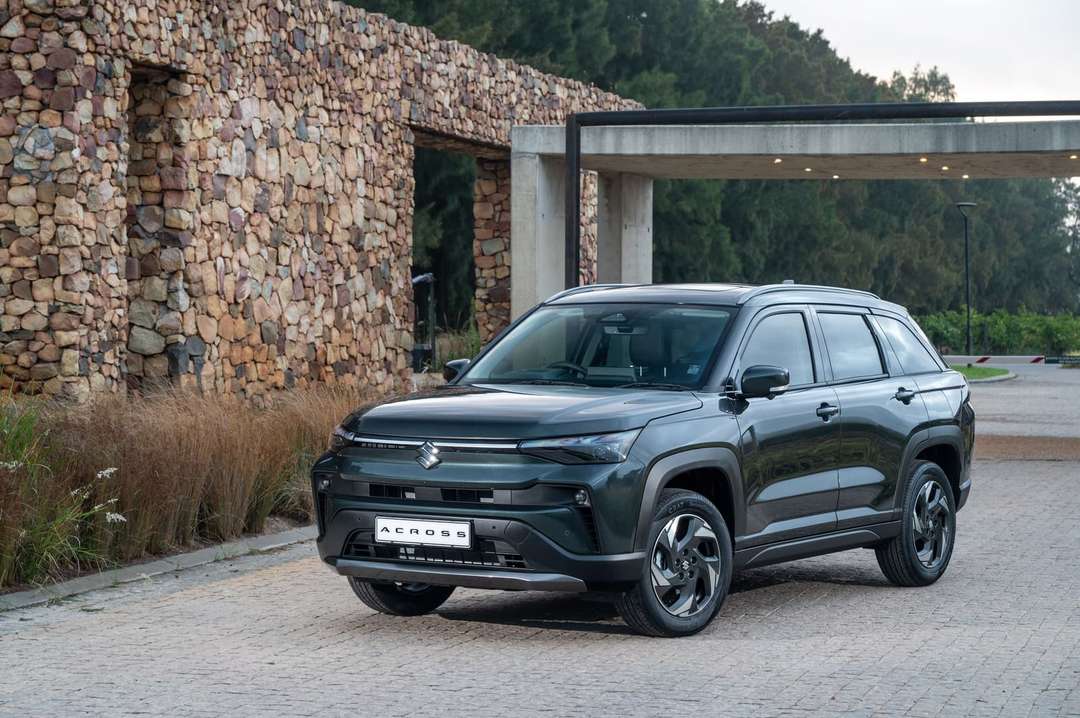
A frugal, sensibly priced and superbly warrantied SUV, marked down because the strong hybrid and AllGrip SA buyers wanted stayed in India.
Introduction
Here’s the important bit about the Suzuki Across in South Africa: it’s a spacious, well-equipped petrol SUV that costs less than R465 000, but don’t buy it expecting a proper self-charging hybrid.
That’s because our Across isn’t the same RAV4-based model you’ll find when searching online. The South African car is based on India’s Victoris and uses a 12V mild-hybrid system, which is a very different proposition from the full hybrid systems offered in other markets.
That distinction matters, especially when the used market is packed with genuine hybrids at similar money. So before we get into running costs, practicality and value, let’s clear up exactly what you’re getting for your money.
Key takeaway: A frugal, well-warrantied new SUV, but its 12V mild-hybrid system and R465k ceiling put it against used strong-hybrids with lower urban running costs.
Design & Exterior
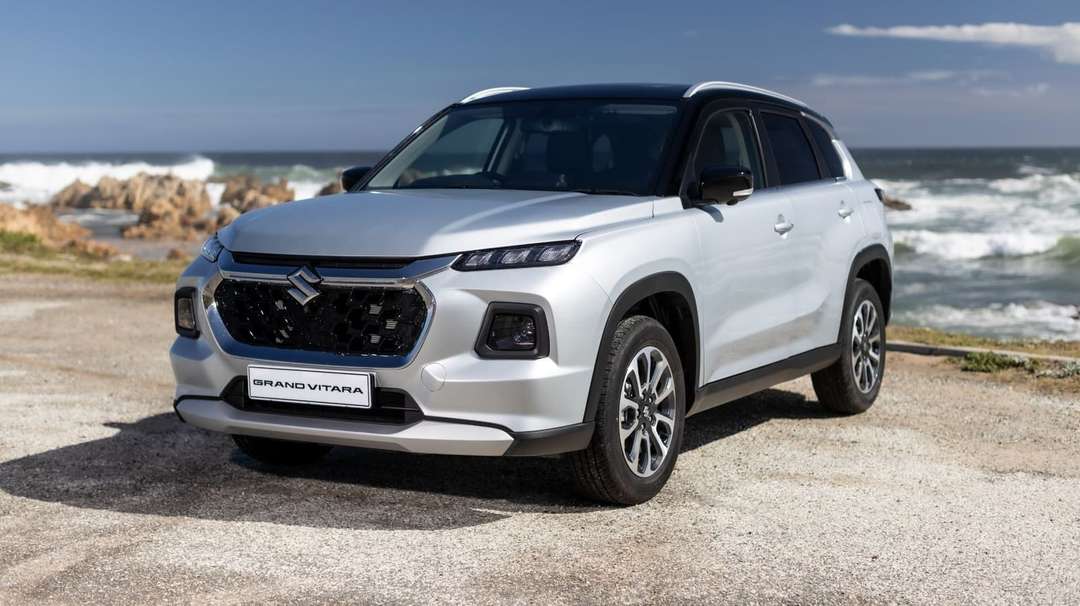
Think of the Across as a Grand Vitara that went to the gym and came back wearing a sharper suit. It’s longer and taller than its platform sibling, and that extra size gives it a more substantial presence rather than making it feel like another badge exercise.
That matters because Suzuki is positioning the Across as its flagship SUV. You need to be able to see where the extra money went, and from the outside, you can.
The stance and the wheel problem
Up front, there’s a clean and upright face. Around the back, the GLX’s full-width LED light bar does much of the work in creating a premium impression. My gripe surfaced during the launch drive through the Cape winelands: those 17-inch wheels look a size too small inside the flared, clad arches. Once I noticed the gap, I kept seeing it.
Where it sits
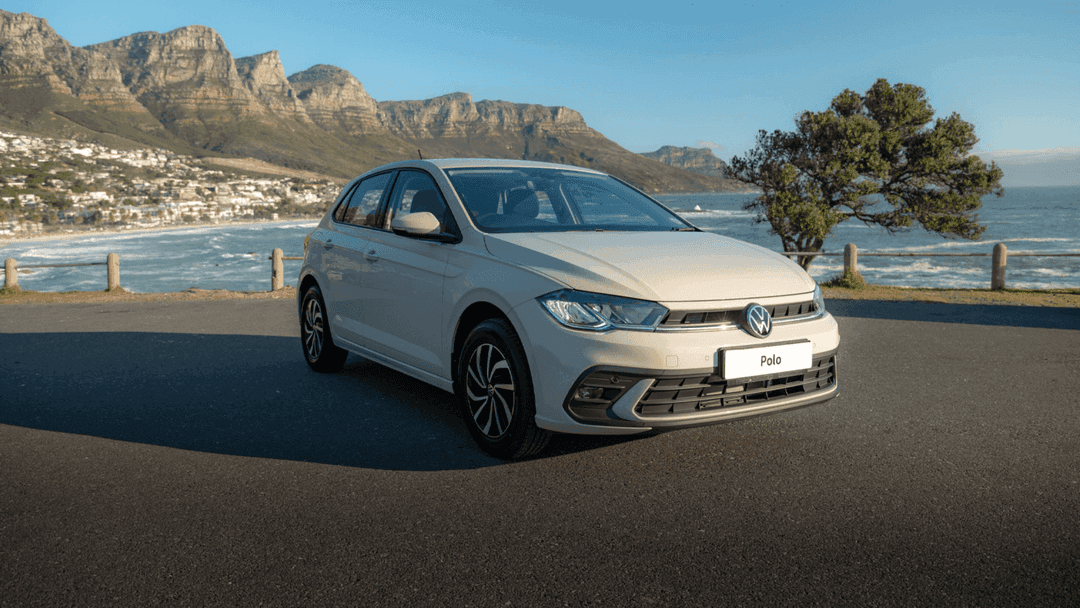
Beside a VW T-Cross, it’s clearly the larger vehicle. Park it near a Haval Jolion, and the Suzuki appears calmer, with fewer fussy details competing for attention. You’re getting a C-segment body at B-segment money. That’s the real value story.
Cabin & Practicality
Cabin presentation is the strongest part of the sales pitch. It feels pricier than the sticker suggests, while Suzuki has spent its budget on the surfaces and controls owners touch daily.
Materials and controls
Soft-touch trim appears where elbows and hands naturally rest. Better still, physical climate controls remain, and I’ll take proper buttons over hunting through three touchscreen menus for fan speed. During a hot Highveld afternoon with load-shedding knocking out traffic lights, quick adjustments matter. GLX specification also brings a panoramic roof, which lifts an otherwise dark cabin.
Space and the family case
Rear legroom benefits from the stretched wheelbase, while the boot handled two medium suitcases, a folded pram and three grocery bags during our packing check. If you pack smart, a Durban-to-Joburg run with two children and their clutter is entirely realistic.
- Full-width LED rear bar fitted to GLX
- Physical climate controls retained throughout the range
- Panoramic roof reserved for GLX
- Longer, taller body than the platform-sharing Grand Vitara
On the Road
Under the bonnet sits the K15C 1.5-litre producing around 76 kW, paired with 12V SHVS mild-hybrid assistance. On paper at least, those outputs look modest. The driving experience doesn’t pretend otherwise.
The powertrain reality
Around town, the mild-hybrid system helps smooth out stop-start driving, while the naturally aspirated engine feels perfectly adequate. Load it with four adults and luggage, though, and the limitations become obvious.
Point it up the N3 towards Van Reenen and overtaking a Ranger or Hilux requires a bit of planning and plenty of road. Our 0-100 km/h estimate of 12.4 seconds tells you everything you need to know. It’s leisurely, but the Across is tuned for comfort rather than urgency.
Ride, steering and efficiency
Steering is light enough for easy parking, although it asks for small corrections through longer bends. Ride quality is settled and forgiving over broken suburban tar, and we recorded 69 dB at 120 km/h on the N1. Efficiency is where the Across claws back ground.
- 5.0 L/100 km returned on the launch route, beating the claim
- Roughly 900 km of single-tank range on that figure
- 5-star Global NCAP crash rating
That Suzuki Across fuel consumption result is the number Suzuki wants remembered. Fair enough, too. A gentle open-road run plays directly to the car’s strengths, although heavy stop-start traffic will favour a strong hybrid capable of moving under electric power.
Data & Comparison
The Suzuki Across 2026 price ladder stretches from R349,900 to R464,900, with a median asking around R429,900 across current listings. Suzuki includes a five-year/200,000 km warranty and four-year/60,000 km service plan, while estimated five-year total cost of ownership sits near R230,000. Local Suzuki dealers and retailers such as Motus also give it useful national coverage.
Price bands as tested
| Model year | Typical asking price | Listings sampled |
|---|---|---|
| 2026 (min) | R349,900 | 12 |
| 2026 (median) | R429,900 | |
| 2026 (max) | R464,900 |
| Vehicle | Approx price band | Hybrid type | Drivetrain |
|---|---|---|---|
| Suzuki Across GLX (new) | R465k | 12V mild | FWD only |
| Used Toyota Corolla Cross Hybrid | ~R400k | Strong self-charging | FWD |
| Used Haval Jolion HEV | ~R350k | Strong self-charging | FWD |
| Used Suzuki Grand Vitara GLX | ~R350k | 12V mild | FWD/AllGrip |
Cost-per-km and depreciation
With July 2026 fuel still R5 to R6.50 a litre above the calm start of the year, running costs deserve proper scrutiny. At 5.0 L/100 km on 95 petrol, the Across is cheap to feed. A used Corolla Cross Hybrid or Jolion HEV should use less in traffic, where a strong hybrid can run briefly on electric power. Depreciation is the bigger concern. Grand Vitara siblings already carry steep used discounts after two to three years, and the two Suzukis risk competing for the same customer. Expect both to lose value briskly. Apply a similar three-year drop to the Across and the new-versus-used calculation becomes uncomfortable.
Editorial Focus
Let’s settle the Suzuki Victoris South Africa confusion, because it catches buyers doing their homework online. Search “Suzuki Across” and Europe’s rebadged Toyota RAV4 plug-in hybrid may appear. That isn’t our car. South Africa’s Across is India’s Victoris, while India retains the interesting option: a Toyota-sourced three-cylinder full hybrid with a battery, a roughly 59 kW e-motor and a CVT. SA receives the 12V SHVS mild-hybrid instead. There are no battery-size choices, DC charging speeds or charging cables to consider, because this system cannot be plugged in. The “cheapest hybrid SUV South Africa” claim therefore needs a large asterisk. It may be the cheapest new SUV wearing a hybrid badge, but used Corolla Cross Hybrids and Jolion HEVs cost less while providing genuine electric-only movement.
On the Suzuki Across vs Grand Vitara question, the flagship’s answer feels rather flat: same powertrain family, a dressier body and more marketing distance than engineering separation. AllGrip AWD was also withheld locally, leaving buyers without a proper hybrid 4x4 Suzuki for gravel roads or wet farm tracks. Its saving grace is Suzuki SA’s broad parts network and reputation for sensible servicing costs. That argument carries weight when the used market starts looking tempting.
Verdict
Look, the Across is a likeable, honest and well-warrantied SUV, hurt mainly by what South Africa didn’t receive. Judge it as the cheapest new hybrid-badged SUV and used strong-hybrids expose its limitations. View it as a frugal, spacious petrol crossover with an excellent service package and the argument becomes far stronger. Here’s who should buy what.
- Buy the GL new (family first-buyer): If warranty peace of mind, predictable finance and low fuel bills matter, the GL automatic is the sensible choice. It’s what the Across should have been sold as from the start, and that’s the point.
- Stretch to GLX (comfort-focused buyer): Do it only if the panoramic roof, LED bar and driver aids genuinely improve your daily use. You’re paying extra for equipment rather than performance, so be clear about the trade.
- Buy used instead (downsizing, hybrid-curious): Want a proper self-charging hybrid for less? A used Corolla Cross Hybrid or Jolion HEV at R350k to R400k beats the Across for electric-only running. Choose this route if resale and urban fuel costs lead the decision.
- Wait (fleet and e-hailing operators): Grand Vitara residuals suggest early Across depreciation could be steep. Hold off for six to twelve months, if possible, and softer used prices may offer a much better entry point.
Summary
A full review of the 2026 Suzuki Across for South African buyers, including the Victoris naming muddle, its 12V mild-hybrid powertrain, used-market rivals at similar money and likely depreciation. It’s aimed at first-time family buyers, downsizing motorists curious about hybrids, and fleet or e-hail
Ratings
Pros
- ✓If warranty peace of mind, predictable finance and low fuel bills matter, the GL automatic is the sensible choice.
- ✓It’s what the Across should have been sold as from the start, and that’s the point.