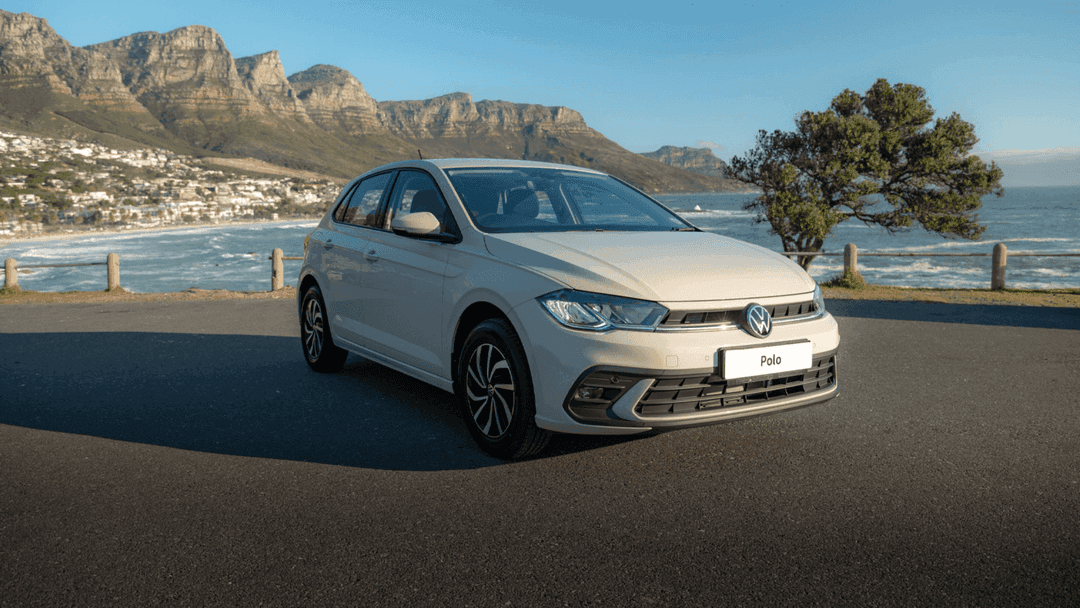
Suzuki Grand Vitara vs Toyota Urban Cruiser: badge twins, which to buy?
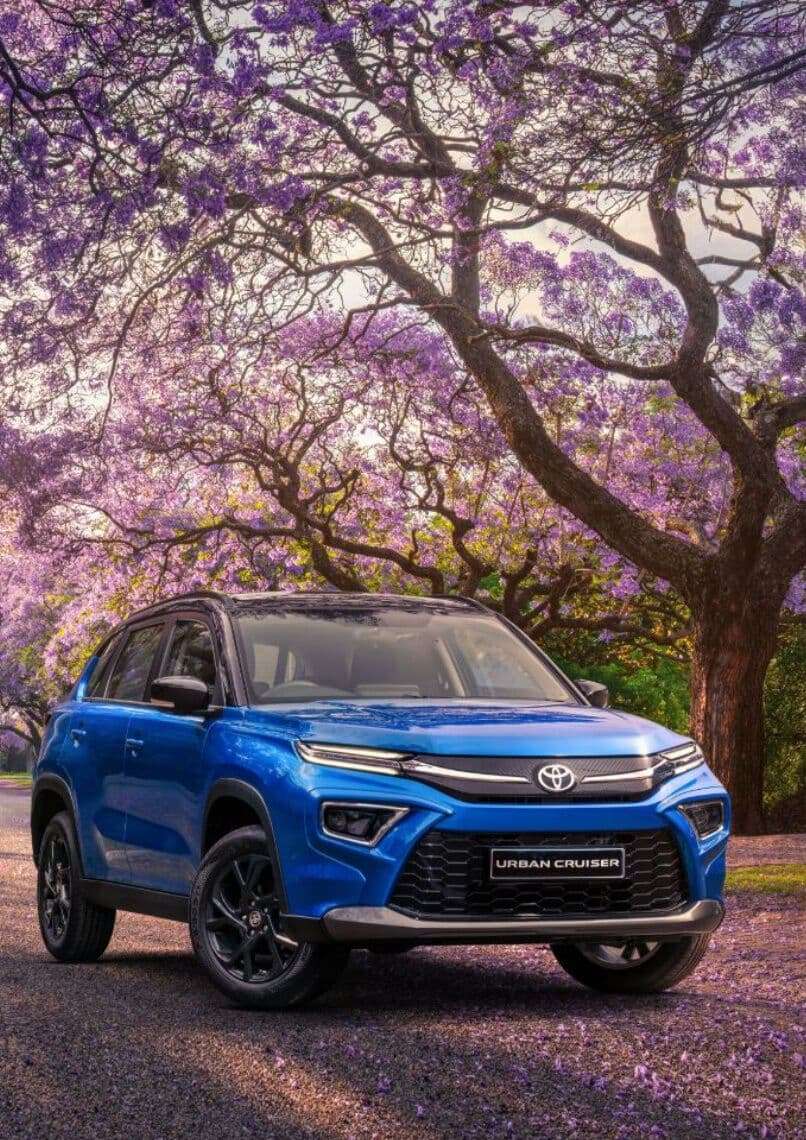
For most South Africans, the Toyota Urban Cruiser is simply the easier choice.
Suzuki Grand Vitara vs Toyota Urban Cruiser: badge twins, which to buy?
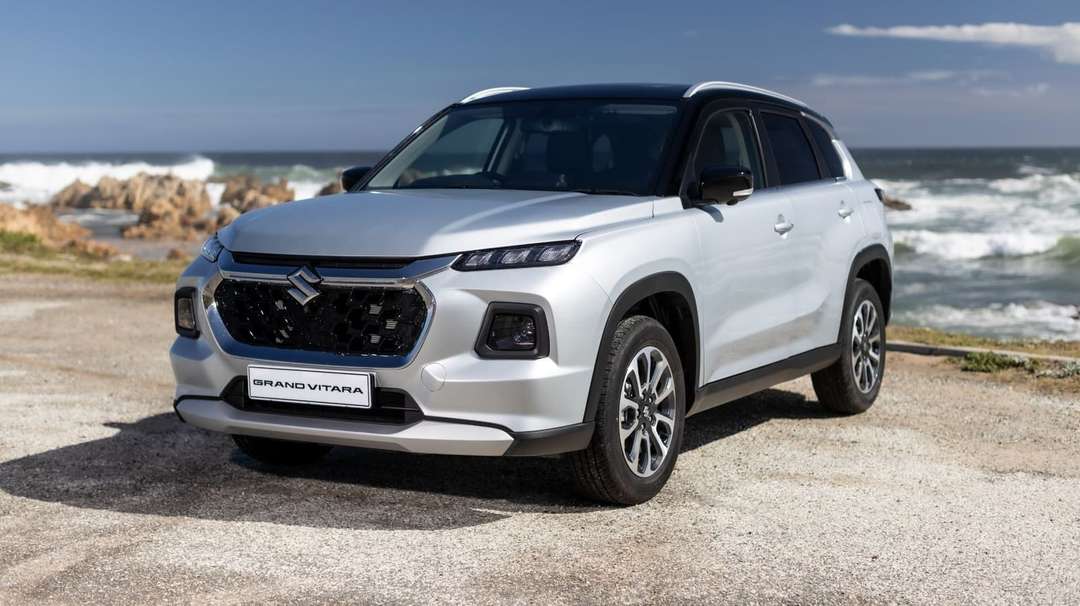
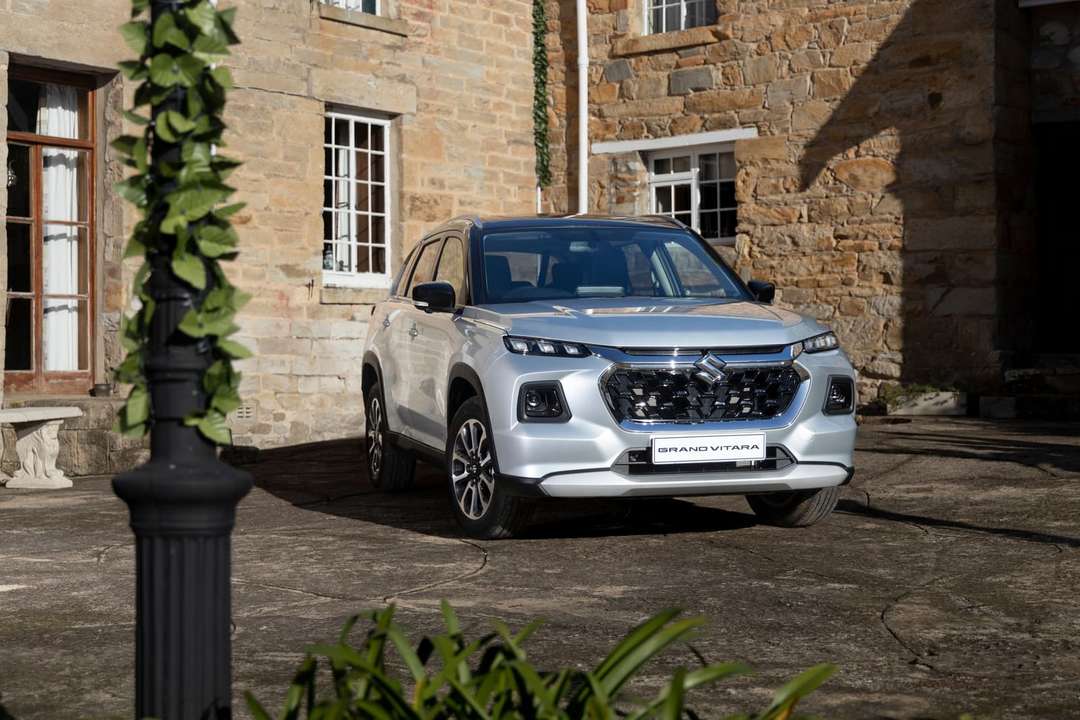
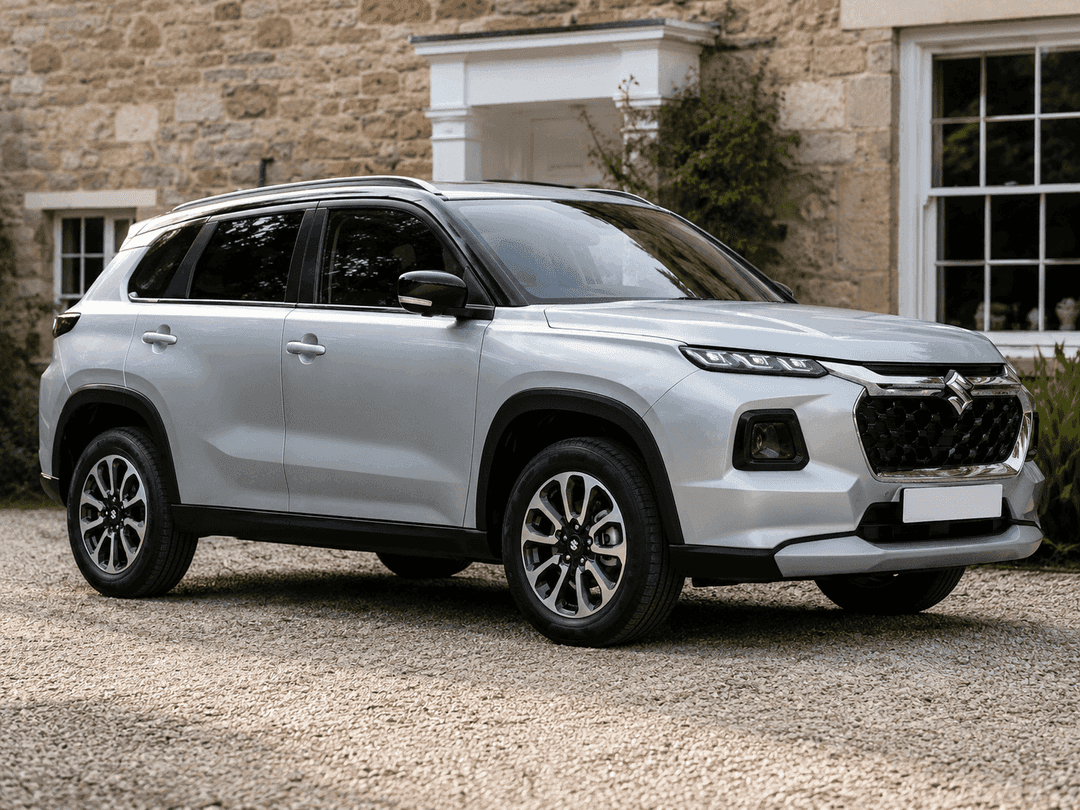
Let's get straight to it. The Suzuki Grand Vitara and Toyota Urban Cruiser are, for all intents and purposes, the same SUV. They're built in the same factory in India, share the same 1.5-litre engine, platform and most of the interior. Strip away the different grilles and badges, and there's very little separating them mechanically.
The real decision comes down to ownership. If the longer warranty appeals to you and you're happy with Suzuki's dealer footprint, the Grand Vitara is the smarter buy. But if easy access to dealers, stronger resale and Toyota's reputation matter more, the Urban Cruiser is the one I'd recommend. This isn't a battle of engineering - it's a choice between two ownership experiences.
The verdict: which should you buy?
For most South Africans, I'd lean towards the Toyota Urban Cruiser. It starts from around R342,700 new, with used examples from about R189,500, and Toyota's dealer network is simply unmatched. Whether you're in Johannesburg or a small dorp, help is usually close by, and that badge still carries plenty of weight when it's time to trade in.
The Suzuki Grand Vitara's biggest advantage is its 5-year/200,000km warranty (always double-check the latest terms), especially if you're planning to keep the SUV for the long haul. Beyond that, there's very little to separate the two. Both use the same 1.5-litre K15B engine producing 138Nm, and fuel consumption is virtually identical. With Suzuki's AllGrip hybrid no longer on offer, they're even more alike than before.
My advice? Buy the Urban Cruiser if resale value and dealer support matter most. Go for the Grand Vitara if the longer warranty gives you more peace of mind and you're planning on keeping it for years.
Quick verdict table
| Category | Winner | Why |
|---|---|---|
| Best overall | Toyota Urban Cruiser | Cheaper entry, bigger dealer footprint |
| Best driving experience | Tie | Same engine, same platform |
| Lowest fuel costs | Toyota Urban Cruiser | 5.3 l/100 km claimed vs 6.0 |
| Best interior quality | Tie | Identical cabin architecture |
| Strongest reliability | Tie | Same engine, same factory (Bidadi, India) |
| Highest resale value | Suzuki Grand Vitara | R304,817 three-year residual vs R297,350 |
| Lowest total running costs | Tie | Both projected at R230,000 over five years |
| Best first car | Toyota Urban Cruiser | Lower entry price, easier to service anywhere |
| Best value for money | Toyota Urban Cruiser | Lower listing floor, stronger badge equity |
| Best warranty cover | Suzuki Grand Vitara | Longer standard cover (confirm current terms) |
Specifications (2026 model year)
Specs change by year and trim – confirm the details at your dealer before you commit.
| Specification | Suzuki Grand Vitara 1.5 GLX | Toyota Urban Cruiser 1.5 XR | Winner |
|---|---|---|---|
| Engine | 1,462 cc petrol | 1,462 cc petrol | Tie |
| Power (kW) | 77 kW | 77 kW | Toyota (marginal) |
| Torque (Nm) | 138 | 138 | Tie |
| Gearbox | Automatic | Automatic | Toyota |
| Fuel economy (claimed, combined) | 6.0 l/100 km | 5.3 l/100 km | Toyota |
| Fuel tank | 45 l | 48 l | Toyota |
| Ground clearance | 210 mm | 198 mm | Suzuki |
| Seats | 5 | 5 | Tie |
| Warranty | Longer standard cover (confirm) | Standard Toyota warranty (confirm) | Suzuki |
Performance and driving experience
Both get the K15B four-pot with 138 Nm. Loaded with four adults on the N1 out of Cape Town, you’ll need patience for overtaking. In Sandton at 60 km/h, both feel just right: light steering, forgiving ride, good visibility. These twins are easy to get along with.
| Scenario | Grand Vitara | Urban Cruiser | Winner |
|---|---|---|---|
| Urban driving | Composed | Composed | Tie |
| Long-distance | Adequate | Adequate | Tie |
| Overtaking | Requires planning | Requires planning | Tie |
| Ride comfort | Slightly softer | Slightly firmer feel | Suzuki (narrow) |
| Steering feel | Light | Light | Tie |
Unique South African buying factors
Which handles South African potholes better?
On paper, the Suzuki Grand Vitara has the edge with 210mm of ground clearance, compared with the Toyota Urban Cruiser's 198mm. That 12mm might not sound like much, but it can make a difference when you're tackling rough gravel roads, badly maintained streets or the odd steep parking ramp.
The good news is that both SUVs run sensible tyre profiles on their popular trims, so you're less likely to wince every time you hit a pothole. Before signing on the dotted line, though, it's worth checking replacement tyre prices. It's one of those ownership costs that often gets overlooked until it's time to pay the bill.
Which is a bigger hijack target?
Neither the Suzuki Grand Vitara nor the Toyota Urban Cruiser features prominently on the latest vehicle theft lists for B-segment crossovers. That said, the Urban Cruiser's larger sales volumes naturally make it a more common sight on South African roads, which can attract more attention than the comparatively rarer Grand Vitara.
Rather than relying on national trends, get insurance quotes for both before you buy. Premiums often vary by suburb, driving history and where the vehicle is parked overnight, so they'll give you a far better idea of the real ownership costs.
Which is more comfortable on a 500 km trip?
Spend a few hours behind the wheel from Johannesburg to Ballito and you'll quickly discover the Grand Vitara's biggest weakness isn't the seats - it's the engine. The naturally aspirated 1.5-litre loses noticeable punch at Highveld altitude, so overtaking requires a bit more planning than you'd like. The Toyota Urban Cruiser is no different because it uses the same powertrain.
If your driving regularly involves crossing the escarpment or long-distance trips with a full load, it's something you'll definitely notice. I found myself thinking twice before pulling out to overtake, not because the SUVs couldn't do it, but because they needed a bit more time to get the job done.
Battery, electrical and load-shedding reality
Physical keys and manual handbrakes are still here on main trims. Stage 6? No sweat. No hybrid in either now (Suzuki’s AllGrip hybrid is gone), so you don’t need to think about charging.
Tyre cost and gravel-road durability
215/60 R17 rubber is common – Tiger Wheel & Tyre or Supa Quick will sort you, but check your trim. On the R71 gravel to Magoebaskloof, both handle corrugations reasonably. Forget about underbody protection – neither offers much.
Real-world fuel economy
Most owners see 7 to 8 l/100 km in town. At November 2025’s inland 95 price, expect R1,700 to R2,000 a month for 1,500 km. Toyota claims 5.3 l/100 km, but that’s brochure fluff – reality is thirstier.
Parts availability beyond the metros
Toyota runs this game. Upington or Ulundi? Toyota parts always arrive faster than Suzuki’s. For some buyers, that’s the decider.
| Factor | Grand Vitara | Urban Cruiser | Winner | Basis |
|---|---|---|---|---|
| Pothole survival | 210 mm clearance | 198 mm clearance | Suzuki | Manufacturer spec |
| Hijack profile | Lower volume | Higher brand volume | Suzuki | Segment trend framing |
| Long-trip comfort | Softer damping | Slightly firmer | Suzuki (narrow) | Journalist assessment |
| Load-shed resilience | Petrol, physical key | Petrol, physical key | Tie | Spec |
| Rural parts reach | Smaller dealer footprint | Widest network in SA | Toyota | Public dealer listings |
| Real-world fuel use | ~7.5 l/100 km owner-reported | ~7.0 l/100 km owner-reported | Toyota | Owner sentiment |
So, Toyota wins on dealer reach and price; Suzuki wins on warranty. On paper at least, Toyota edges it two to one.
Running costs
Fuel and servicing – dead heat. Insurance? Quote required. Tyres and spares: Toyota usually has the edge on price and speed, given its network. Urban Cruiser sneaks ahead, but only just.
Five-year ownership
Assume 20,000 km per year and November 2025 pump prices – always get current figures.
| Item | Grand Vitara | Urban Cruiser |
|---|---|---|
| Fuel spend | Relative parity | Slightly lower on claimed figures |
| Maintenance | Longer plan on paper | Shorter but denser network |
| Repairs | Longer warranty umbrella | Faster parts |
| Resale (3-year residual) | R304,817 | R297,350 |
| Overall 5-year TCO | R230,000 (trade estimate) | R230,000 (trade estimate) |
Hidden ownership costs
Windscreens, batteries, brake pads: always get quotes. No turbo, hybrid pack, or ADAS sensors, so no big repair shocks. Key replacement? Dealer will set the price.
Repairability
| Item | Grand Vitara | Urban Cruiser |
|---|---|---|
| Parts availability | Adequate | Excellent |
| Independent workshop support | Growing | Universal |
| Electronic complexity | Low | Low |
Reliability timeline
| Mileage band | Guidance |
|---|---|
| 0–20,000 km | Monitor infotainment glitches |
| 20,000–50,000 km | Check service history |
| 50,000–100,000 km | Standard wear items only |
| 100,000–150,000 km | Suspension bushings likely |
| 150,000 km+ | Depends on maintenance discipline |
Real owner sentiment
Spend a bit of time in South African owner groups and a clear pattern starts to emerge. Grand Vitara owners regularly praise the long warranty, comfortable ride and low running costs, but many admit the 1.5-litre engine can feel strained when the SUV is fully loaded or tackling long hills.
Urban Cruiser owners tell a similar story. They appreciate Toyota's extensive dealer network, strong resale value and hassle-free ownership, but the same complaints about outright performance surface time and again. It's not a scientific study, but it's a consistent theme among people who live with these SUVs every day.
Take this as a guide – it reflects what most owners report online.
Buyer regret index
| Regret theme | Grand Vitara | Urban Cruiser |
|---|---|---|
| Wanted more performance | High | High |
| Underestimated insurance | Moderate | Moderate |
| Worried about resale | Low | Very low |
| Boot space | Moderate | Lower |
Boot reality test
| Item | Grand Vitara | Urban Cruiser | Practical winner |
|---|---|---|---|
| Weekly groceries | Easy | Easy | Tie |
| Two cabin bags | Yes | Yes | Tie |
| Large suitcase | Tight | Comfortable | Toyota |
| Pram | Yes | Yes | Tie |
| Weekend for four | If you pack smart | Easier | Toyota |
Cabin and practicality
It’s copy-paste stuff. Physical climate knobs survive. You want those – trust me, you really do.
Cabin noise
Road and wind noise match up. Above 4,500 rpm, both engines get buzzy and intrusive.
Technology
Apple CarPlay and Android Auto show up on higher trims. Reverse camera is standard on XR and GLX. Wireless charging? It’s trim-dependent – check before you sign.
Safety
ABS, stability control, two airbags, ISOFIX: box ticked for both. No Global NCAP for these SA versions, so we’re going on spec sheets only.
Best trim to buy
| Vehicle | Recommended | Why |
|---|---|---|
| Grand Vitara | 1.5 GLX Auto | Full kit, best resale position |
| Urban Cruiser | 1.5 XR Auto | Right balance of kit and price |
Scan Grand Vitara vs Urban Cruiser listings on Auto.co.za for actual deals.
Buying mistakes to avoid
- Don’t obsess over monthly instalments. Total cost matters most.
- Always get a pre-purchase inspection if buying used.
- Budget for tyres over the next five years.
- Check three-year residuals before you sign.
Things nobody tells you
Grand Vitara: the semi-auto box lagged badly on my Ballito run – manual mode is essential for hills. Urban Cruiser: you pay extra for the badge at trade-in, and that matters.
Do not buy if
Grand Vitara: skip it if your nearest Suzuki dealer is 200 km away. Urban Cruiser: skip it if you expect hot hatch thrills for your spend.
FAQ
Which handles South African potholes better?
Grand Vitara: 210 mm clearance versus Toyota’s 198 mm. It’s noticeable on rutted roads like the R81 north of Polokwane or battered R617 sections in the Midlands. Tyre and rim risk is equal, but Suzuki lets you hit rough stuff with a bit less caution. Neither offers real underbody protection.
Which is a bigger hijack target?
The Urban Cruiser’s Toyota badge means it’s noticed more, just based on sales numbers. Suzuki’s smaller numbers mean less risk. Neither is a top target for this class as of late 2025. Always get quotes, and fit a tracker.
Which is cheaper to run per month in South Africa?
They’re tied on fuel – same engine. Toyota’s claimed 5.3 l/100 km is too optimistic; in reality, the gap disappears. Both cost the same to service, but Toyota’s network means cheaper, faster parts. Suzuki’s warranty saves you money if you keep your car past three years.
Which loses less power at Highveld altitude?
No difference. Identical 1.5-litre engines, so both suffer the same power loss above 1,500 m. Jozi or Bloemfontein locals – expect to adjust your overtaking.
Which is more reliable?
No real difference. Both were built at Toyota Kirloskar Motor in Bidadi, India, and both use the same K15B. Service on schedule and you’ll have few issues. Skip services, and both can bite back.
Which holds resale value better?
Grand Vitara edges ahead right now: R304,817 three-year residual vs Urban Cruiser’s R297,350 (current trade numbers). Toyota’s badge always carries weight, but Suzuki’s warranty helps used value in years three and four. Check local prices before you buy.
Decision matrix
| Priority | Buy | Reason |
|---|---|---|
| Lowest entry price | Toyota Urban Cruiser | Lower listing floor |
| Best warranty | Suzuki Grand Vitara | Longer standard cover |
| Best resale | Suzuki Grand Vitara | Higher residual on data |
| Small-town ownership | Toyota Urban Cruiser | Dealer everywhere |
| Best overall value | Toyota Urban Cruiser | Cheaper in, easier to service |
Final verdict
If I had to recommend one to most South Africans, it would be the Toyota Urban Cruiser. The lower entry price, unmatched dealer network and strong resale value make it the easier SUV to own, especially if you're buying your first crossover or live outside the major cities.
The Suzuki Grand Vitara still deserves a look, though. If you've got a Suzuki dealer nearby and plan on keeping your SUV for years, the longer warranty is a genuine advantage that could save you money down the line.
In the end, it's a simple decision. Choose the Urban Cruiser for dealer convenience and resale confidence, or the Grand Vitara for warranty cover and long-term ownership. Whichever you prefer, compare a few examples on Auto.co.za, chat to different dealers and buy the one that makes the most sense for your budget.
Summary
For most South Africans, the Toyota Urban Cruiser is simply the easier choice. It starts cheaper – used from R189,500, new range from about R342,700 – and Toyota’s dealer network is everywhere from Musina to Mossel Bay. Plus, the badge still works magic at trade-in time. Suzuki counters with that longer 5-year/200,000 km factory warranty (double-check this for your exact 2026 variant at the dealer), which is a real draw if you’re holding onto your car for years.