Opel Grandland (2025): The Family SUV Everyone Overlooks — and Why You Shouldn’t
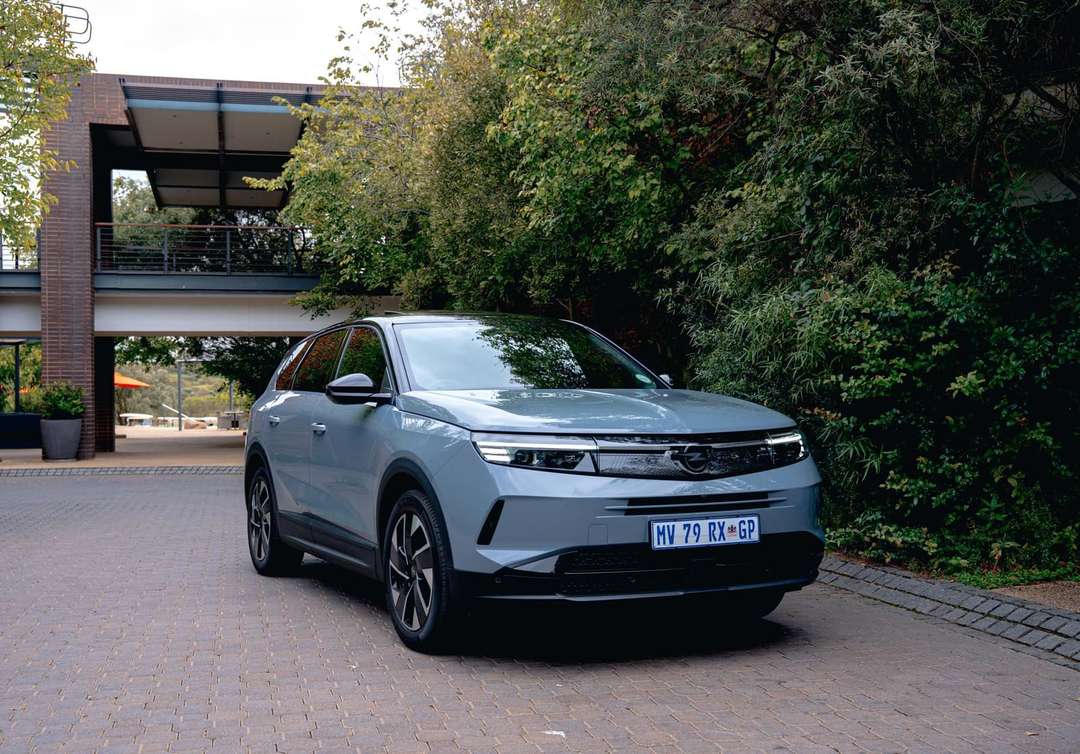
A genuinely good SUV marked down for resale exposure and limited dealer coverage, rather than any serious failing on the road.
Introduction
Look, the Opel Grandland makes a surprisingly strong case as a family SUV. It’s comfortable, practical and easy to live with, but there’s one thing that would make me hesitate: resale value.
That matters in South Africa, where the badge on the bonnet can have almost as much influence on a used car’s value as the car itself. Opel still doesn’t carry the same weight with second-hand buyers as some of its rivals, and that can make depreciation a real concern.
So, if you’re buying a Grandland, I’d plan to keep it for a while. It’s a good family SUV wearing a badge that many South African buyers still overlook. And that makes the numbers particularly interesting.
Key takeaway: The 2025 Grandland is comfortable, well equipped and easy to live with, but resale remains its biggest risk. Buy it to keep, not to flip.
Design & Exterior
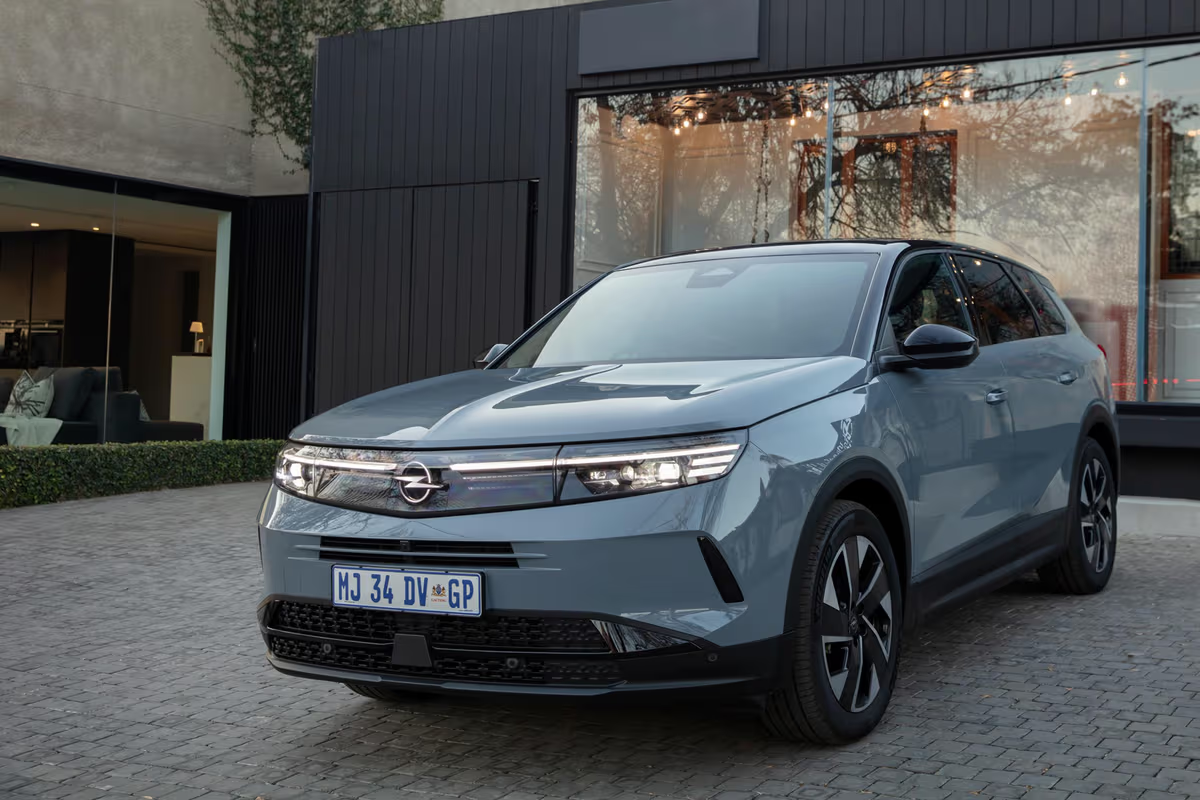
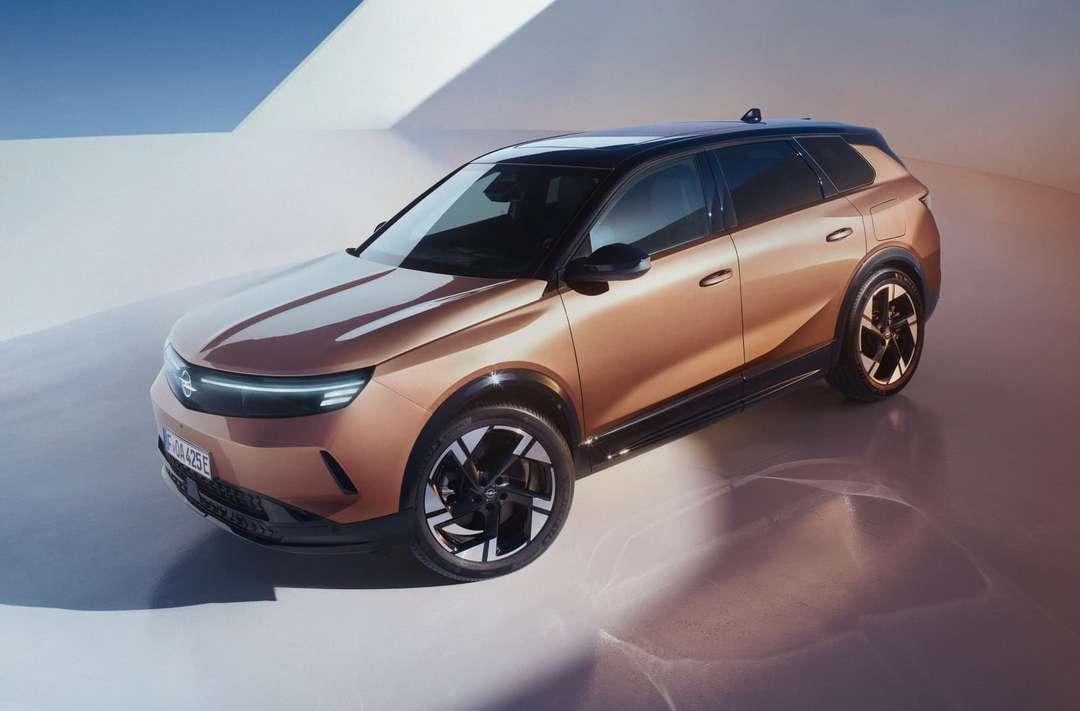
Opel has finally given the Grandland some edge. Its Vizor grille panel, vertical light signature and matrix headlights look properly premium, not merely tidier than the old “Blandland”. On 19-inch alloys, it has genuine C-segment presence and a broader stance, courtesy of the STLA Medium platform shared with the Peugeot 3008 and 5008.
Parked outside a Sandton dealership, the Grandland carries itself well. Gravel doesn’t ruin the impression, although the 155.5mm ground clearance is better suited to district roads and farm driveways than an unsupported climb up Sani Pass. You also get a space-saver spare rather than a full-size wheel. That’s disappointing on Karoo two-laners, where one damaged tyre can turn a family journey into a very long afternoon.
Cabin & Practicality
Cabin comfort is where the Grandland begins earning its price. Its ergonomically designed seats stayed supportive after three hours on the N3, and the main touchpoints feel suitably substantial. One irritation remains. A reflective dashboard strip catches the hard Highveld sun and throws glare towards the driver.
Space and boot
Five seats, five doors and a 550-litre boot, expanding to 1,645 litres with the rear seats folded. We fitted 2 compact prams beneath the load cover and still had space for soft bags. Useful, if you pack smart.
- Boot capacity: 550 litres with the seats raised, 1,645 litres when folded
- Panoramic roof fitted as standard on GS Line
- Wireless charging pad, unfortunately left exposed to passing eyes
Controls
Physical controls survive in greater numbers here than in many of its rivals, and I’m glad they do. Everyday functions are easier to adjust without taking your eyes off the road, which matters more than having a cabin that looks futuristic in a brochure.
The exposed wireless charger is less convincing. Leaving your phone sitting in plain sight in South Africa feels like an unnecessary invitation to trouble. A smash-and-grab can turn a useful feature into a broken window, an insurance claim and a very bad day.
On the Road
Power comes from a 1.6T petrol producing 134kW and 300Nm, driving the front wheels through a six-speed automatic. Independent testing recorded 0-100km/h in 8.8 seconds. Properly adequate. It merges onto the N1 cleanly, even with passengers aboard and Gauteng altitude taking some edge off the engine’s response.
Ride and refinement
Here’s where I disagree with the brochure. Selective damping sounds comfort-focused, yet the Grandland feels firm and occasionally fidgety over patched Joburg tarmac and sharp expansion joints. Overseas testers found the Vauxhall-badged twin similarly busy, suggesting a built-in trait rather than a faulty test unit. Smooth roads suit it far better. I heard the cabin settle to little more than tyre hum when the surface improved on the R21.
Real-world economy
Opel claims 6.3 L/100km combined. Our mixed Gauteng route returned 7.6 L/100km, with freeway driving lowering the number and stop-start traffic nudging it upwards again. The 53-litre tank delivered an observed 660km before the low-fuel warning, so a Bloemfontein run should be straightforward. South Africa gets petrol only. There are no local battery-size choices, DC charging speeds or electric claimed-range figures to test, meaning overseas hybrid and EV results are irrelevant to your fuel bill.
Data & Comparison
Right, so here’s the section many launch drives skip. The Opel Grandland 2025 price is around R739,900 for the Edition and R789,900 for the Opel Grandland 1.6T GS Line. That puts it beside established C-segment rivals, without the price advantage offered by several Chinese alternatives.
The used-price evidence
Current listing data tells an uncomfortable story.
| Model year | Typical asking (ZAR) | Listings |
|---|---|---|
| 2021 (Grandland X) | R280,700 avg (R258,500–R302,900) | 2 |
| 2025 (new Grandland) | R464,850 avg (R339,800–R589,900) | 2 |
A 2021 Grandland X that arrived at close to R500k new now lists around R280,700. That’s a bruising decline across roughly four years. It also follows a broader pattern: Stellantis SA products including the Opel Crossland, Peugeot 2008 and Jeep Renegade have lost over 40% in three years, while a VW Tiguan stays under 20%.
Depreciation vs rivals
Stat callout: Stellantis SA models lose 40%+ in three years; a Tiguan loses under 20%. Applied to a R790k Grandland, that gap becomes serious money.
Resale sits at the centre of the Opel Grandland resale value debate. Framed as an Opel Grandland vs Hyundai Tucson decision, the Hyundai and Kia Sportage sit near the high-20% mark over three years. Both have a considerably safer historical record than the Stellantis comparison.
| Model | ~3yr depreciation | Dealer network | Resale confidence |
|---|---|---|---|
| Opel Grandland | ~40%+ (Stellantis read-across) | ~34 outlets | Weak |
| Hyundai Tucson | ~high 20s% | Extensive | Strong |
| Kia Sportage | ~high 20s% | Extensive | Strong |
| Chery Tiggo 7 | ~25% | Growing | Improving |
Running costs
For Opel Grandland running costs, our five-year TCO estimate comes to around R230,000, including fuel and servicing. Consumption is competitive and the service plan takes some of the guesswork out of ownership.
The bigger concern is depreciation. Keep it beyond five years and that sting matters less; sell sooner and resale value could quickly become the Grandland’s biggest ownership cost.
Editorial Focus
Few reviews tackle the ownership maths properly, so let’s do it. Calling the Grandland forgettable isn’t lazy badge snobbery. Overseas assessments have described its driving experience as “capable, amenable and a tiny bit forgettable”, and emotional indifference can weaken used demand. Car buyers don’t actively seek what rarely commands strong residuals. You pay the difference in real rand, whether it appears on a monthly statement or not.
Local ownership brings another reality. Stellantis SA operates roughly 34 dealerships nationally and plans to expand towards around 48 over two years. Progress, yes, but coverage remains thin beside Toyota, VW, Hyundai and Kia. Buyers in Polokwane, Mthatha or Upington may encounter longer parts waits and fewer servicing options. Sparse coverage also hurts residuals, because the next owner inherits the same concern.
Insurance deserves attention too. Premium specification can raise grouping, while the visible charging pad may encourage opportunistic theft. A space-saver spare also feels stingy on long journeys through areas where roadside assistance could take hours. None of this makes the Grandland a poor car. It simply demands an informed owner. The product is strong; the badge economics aren’t, and that’s the point.
Verdict
It’s what the Grandland should have been from the start: handsome, generous and settled on an open road. South African badge economics remain its undoing. The recommendation changes sharply according to buyer type.
- Buy it: Long-term owners planning to keep it beyond five years. The equipment, comfort and R230k five-year TCO make more sense when depreciation is spread across a decade instead of crystallised through an early sale.
- Shortlist it: Metro buyers living near a Stellantis outlet, drawn to the design and cabin, and prepared to negotiate hard enough to offset the resale gap against a Tucson or Sportage.
- Consider a used alternative: Value seekers should inspect 2021 Grandland X listings around R280,700. You get much of the premium feel for a fraction of the new-car cost, after somebody else has absorbed the steepest depreciation.
- Avoid: Buyers who replace their cars every three years, along with anyone living far from a Stellantis dealer. A similarly aged used Tucson or Sportage should beat it rand-for-rand for network coverage and resale.
Summary
A numbers-first review of the 2025 Opel Grandland 1.6T for South African families, covering the drive, five-year costs, depreciation, dealer reach and rivals such as the Hyundai Tucson and Kia Sportage.
Ratings
Pros
- ✓Long-term owners planning to keep it beyond five years.
- ✓The equipment, comfort and R230k five-year TCO work better when depreciation is spread across a decade instead of crystallised at an early sale.
Cons
- ✗Buyers who replace their cars every three years, plus anyone living far from a Stellantis dealer.
- ✗A similarly aged used Tucson or Sportage should beat it rand-for-rand for network coverage and resale.