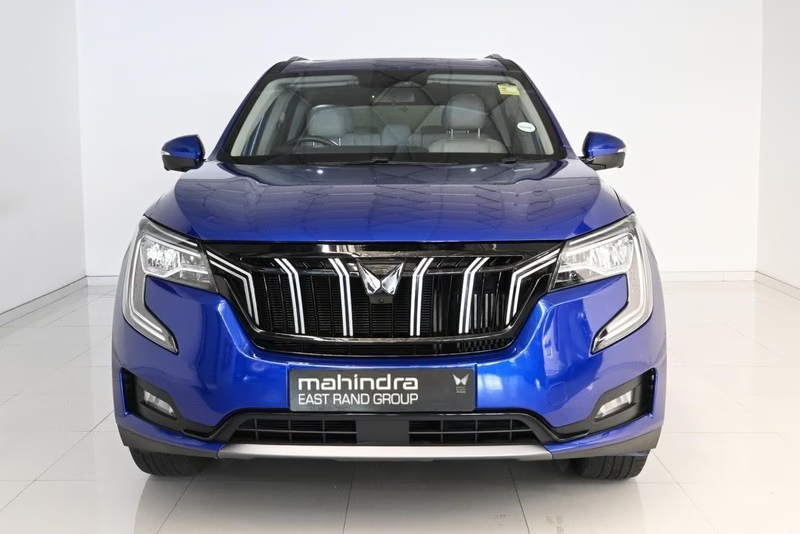
Mahindra XUV700 2.0T AX7 (2026) Review

A capable, keenly priced seven-seater whose refinement flaws and lack of AWD prevent it from scoring higher.
Introduction
The Mahindra XUV700 makes a very strong case for itself if you need seven seats but only have the budget usually associated with a well-specced five-seat SUV.
That is really the heart of this Mahindra XUV700 review.
For years, Mahindra was seen as a brand that built tough, affordable vehicles without placing too much emphasis on polish. The XUV700 changes that perception quite dramatically.
You get seven seats, a long list of standard equipment and enough power to make everyday driving easy, while several similarly priced rivals stop at two rows.
Mahindra has quietly moved well beyond its old reputation, and the XUV700 is probably one of the clearest examples of that progress.
Key takeaway: The XUV700 is a punchy, well-equipped seven-seat SUV that makes a convincing family argument through space, value and ownership cover, although AWD and serious towing ability are not part of the package.
Design & Exterior
Mahindra products were once easy to describe as functional first and attractive second.
The XUV700 changed that.
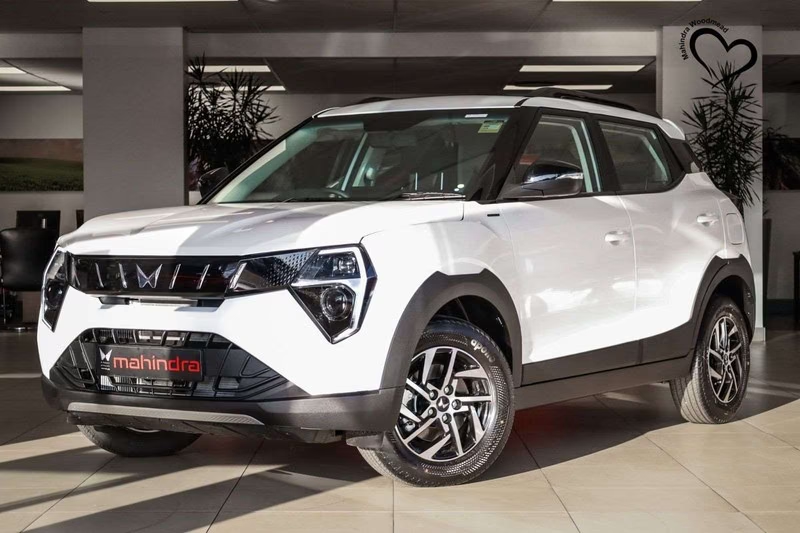
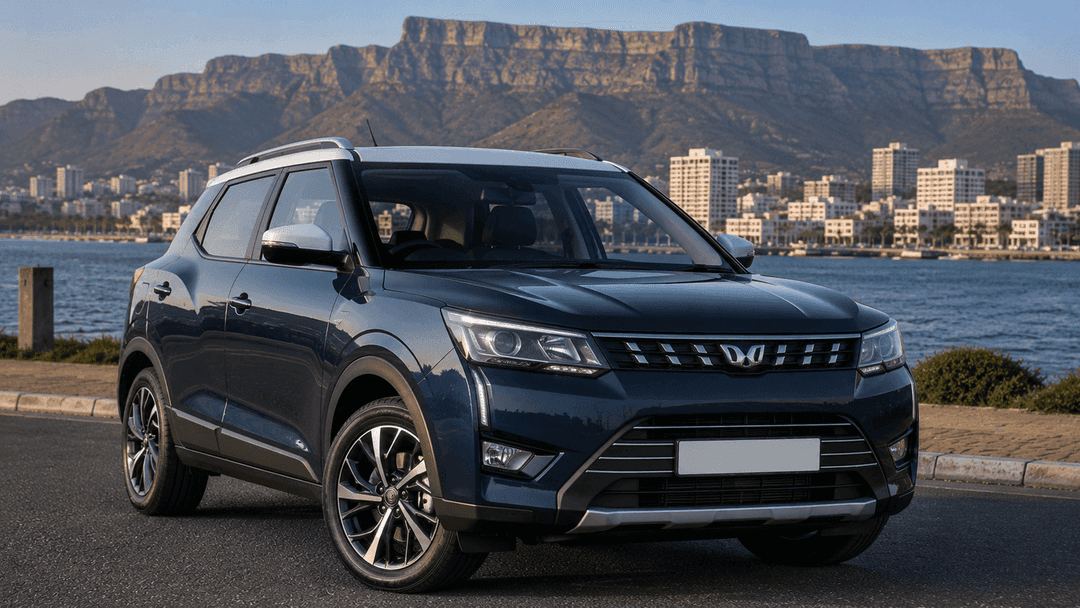
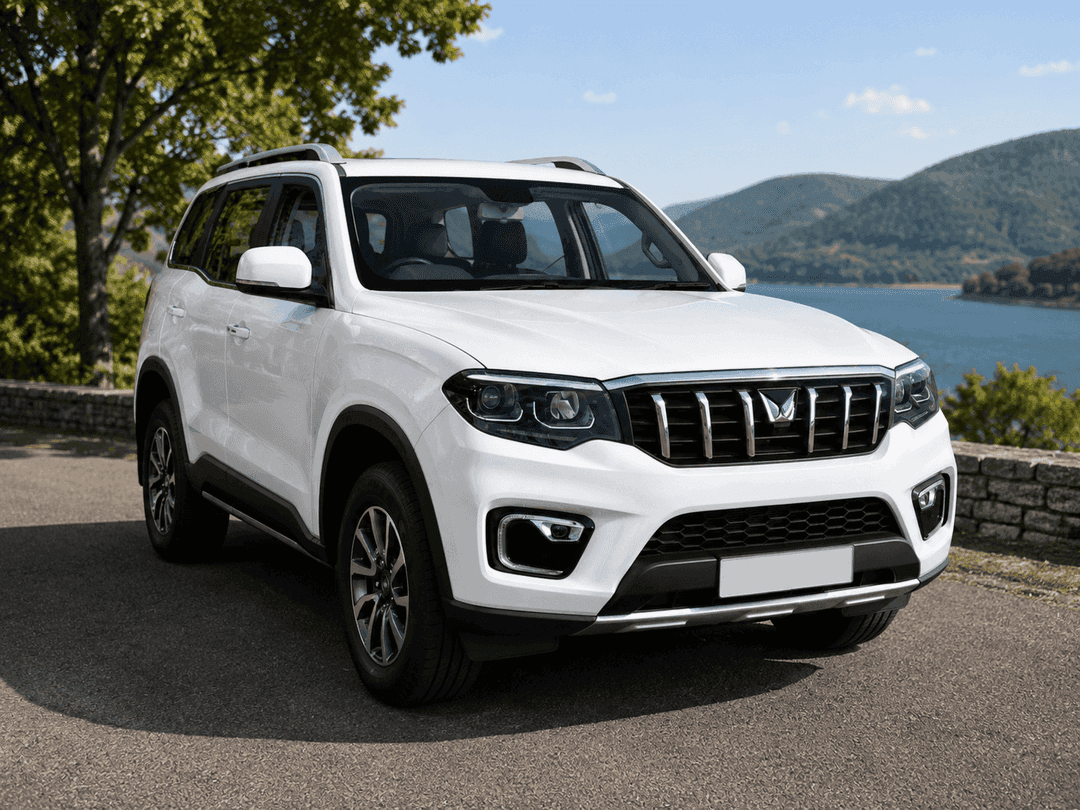
At roughly 4.7 metres long and just under 1.9 metres wide, it has enough size to look substantial without becoming unnecessarily bulky.
The proportions are also well judged, and Mahindra has avoided covering every surface in chrome or sharp creases simply to make the vehicle look more expensive than it is.
Presence without the shouting
Where some Haval and Chery products use aggressive grilles and dramatic lighting signatures, the XUV700 takes a more restrained approach.
The flush door handles extend as you approach, while the C-shaped LED lighting gives it enough identity after dark without becoming overly theatrical.
That restraint works.
For buyers who find some newer Chinese SUVs a little too eager to attract attention, the Mahindra may actually be the more appealing design.
Where it sits in the segment
Dimensionally, the XUV700 sits somewhere between a traditional midsize SUV and the larger seven-seat offerings.
Its footprint puts it close to something like a Chery Tiggo 8 Pro, yet it competes at pricing normally associated with smaller vehicles.
That is where the value proposition starts becoming difficult to ignore.
Park it alongside something like a Volvo XC40 and the Mahindra may not carry the same premium badge appeal, but it immediately looks like the more useful family vehicle.
Cabin & Practicality
The cabin is where old assumptions about Mahindra begin falling apart.
Top-specification derivatives bring features such as a panoramic roof, dual digital displays, a 360-degree camera and a 12-speaker audio system.
There are more expensive SUVs that offer less.
Materials and the honest caveats
First impressions are convincing.
Soft-touch materials cover the areas you interact with most often, the switchgear feels properly put together and the raised seating position provides excellent visibility.
Move lower down around the doors and centre console and harder plastics begin appearing.
That is not unusual at this price point, though, and I would rather see the budget spent where you actually notice it.
The infotainment system can also feel busy at first.
Spend some time learning the menus before tackling rush-hour traffic on the R21, because there is enough going on inside the system to distract you if you are trying to figure it out while driving.
The seven-seat reality
The third row is genuinely useful, but it needs to be understood for what it is.
Children will be perfectly happy back there, while shorter adults can manage shorter journeys without too much complaint.
Space becomes considerably tighter once taller passengers are involved.
The more important thing is how flexible the cabin becomes when those seats are not needed.
- With all seven seats upright, luggage capacity becomes suitable for groceries and smaller bags rather than a full family holiday load.
- Fold the third row and the luggage area becomes far more useful, taking two compact prams and three soft overnight bags during my test, with around 18 cm of floor length remaining.
- Use the XUV700 as an occasional seven-seater and a spacious five-seater most of the time, and the packaging makes considerably more sense.
ISOFIX mounting points take care of child-seat duties, while access to the middle row is straightforward enough for everyday family use.
This is a cabin designed to be lived with rather than simply admired in a showroom.
On the Road
Power comes from a 2.0-litre turbocharged petrol engine producing approximately 149 kW, driving the front wheels through a six-speed automatic transmission.
That is a healthy amount of performance for this class.
The powertrain
Low-speed response is strong, and the automatic transmission drops gears cleanly when an overtaking gap appears.
With passengers and luggage aboard, the XUV700 never felt particularly strained during my highway driving.
An estimated 0-100 km/h run of around 9.2 seconds also feels entirely believable from behind the wheel.
The weak point is the stop-start system.
Restarting can feel slow and slightly clumsy, particularly in heavy traffic, and I found myself switching it off.
The rest of the drivetrain feels considerably more polished.
Ride and refinement over SA roads
Comfort is clearly the priority.
Across broken East Rand tar, potholes and patched surfaces, the XUV700 does a good job of isolating passengers from the worst of the road.
Push it harder through quicker bends and the body begins leaning, but this is not trying to be a performance SUV.
On a long N3 run at altitude, I noticed some wind noise around the mirrors, enough to increase the audio volume slightly, but the overall cabin experience remained relaxed.
My observed consumption settled at around 9.8 L/100 km after a mixture of highway running, toll roads and urban driving.
That is acceptable for the size and performance on offer, although certainly not exceptional.
The FWD limitation
The XUV700 is offered locally with front-wheel drive, and that is worth considering before buying.
For everyday family use, school runs, highway travel and maintained gravel roads, front-wheel drive is more than sufficient.
Even in wet Highveld conditions, traction should be adequate as long as the tyres are in good condition.
The limits become more obvious when the vehicle is expected to tackle regular farm roads, loose surfaces or more demanding off-road routes.
This is not the vehicle for somebody who genuinely needs the sort of drivetrain capability offered by a proper 4x4.
Data & Comparison
The numbers are where the XUV700 becomes particularly interesting.
The seven-seat derivative in the supplied data averages around R377 711, which places it against several smaller five-seat SUVs rather than direct seven-seat rivals.
Statistics that matter
- Approximately 149 kW from the 2.0-litre TGDi turbo-petrol engine.
- Estimated five-year total cost of ownership of around R230 000.
- The seven-seat model sits about R2 189 below the base-configuration average in the supplied sample.
- Mahindra's 5-year/150 000 km warranty and service plan provide useful protection for higher-mileage owners.
How it stacks against rivals
| Model | Power | Avg price (ZAR) | Seats |
|---|---|---|---|
| Mahindra XUV700 2.0 TGDi 7-Seat | ~149 kW | R377 711 | 7 |
| Volvo XC40 1.5 T3 | ~122 kW | R379 950 | 5 |
| Mini Countryman Cooper 1.5 | ~101 kW | R377 449 | 5 |
Look at those numbers together and the value argument becomes obvious.
For very similar money, you can buy a premium-badged five-seat crossover or a larger, more powerful seven-seat SUV.
That does not automatically make the Mahindra better, but it certainly makes the comparison uncomfortable for some of its rivals.
The residual question
Resale remains one of the areas where the XUV700 still has something to prove.
Local residual data is not yet as deep as it is for more established nameplates, and buyers using balloon payments or shorter replacement cycles should keep that in mind.
The situation is improving as Mahindra grows locally, but the market still needs more time to establish long-term used values.
The high-mileage service-plan coverage does, however, help owners who cover significant distances between provinces and want more predictable running costs.
Seven-seat flagship at five-seat money vs the Chinese wave
This is where the XUV700 makes its strongest argument.
Walk into most dealerships with roughly R380 000 and the Chinese midsize-SUV market offers several polished and well-equipped five-seat options.
Vehicles such as the Haval H6 and Chery Tiggo 7 deserve to be considered.
The problem is that neither gives you a third row at this price point.
Move to something like a Tiggo 8 Pro and seven seats enter the picture, but so does a higher purchase price.
That leaves the XUV700 in a particularly useful position.
It offers seven seats, strong equipment levels and family-friendly packaging without demanding the sort of financial jump usually associated with moving into a larger SUV.
Running costs across these rivals should remain relatively close over five years, although Mahindra gains some ground through the 150 000 km ownership cover.
For somebody regularly travelling between provinces or covering high annual mileage, that becomes important.
The Chinese rivals answer with increasingly polished cabins, cleaner infotainment systems and a growing number of electrified drivetrains that should return better fuel economy in urban traffic.
So the decision comes down to priorities.
If you genuinely need seven seats from time to time, the XUV700 is difficult to ignore.
If you know five seats will always be enough, there are more competitors worth considering.
Mahindra has not beaten every rival in every area.
What it has done is identify a packaging gap and fill it particularly well.
Verdict
The XUV700 did not disappoint during my time with it.
Its value proposition is easy to understand: seven usable seats, plenty of equipment and strong performance at a price normally associated with smaller five-seat SUVs.
There are compromises.
Wind noise is noticeable at highway speed, the stop-start system lacks polish and the front-wheel-drive-only drivetrain limits how adventurous you can become once the tar disappears.
For family use, though, those shortcomings are relatively easy to understand.
The cabin is spacious, the ride is comfortable and the ownership package adds useful reassurance.
- Buy it: If you occasionally need seven seats but want a spacious five-seat SUV for everyday use, particularly if you expect to make full use of the 150 000 km ownership cover.
- Shortlist it: If you are comparing it with Chinese midsize SUVs and want more space and seating capacity for similar money.
- Wait: If you can delay the purchase and want to see whether newer updated local stock brings revised interior technology or additional specification.
- Walk away: If all-wheel drive, diesel power or serious towing capability are essential. The front-wheel-drive petrol drivetrain was never designed for that sort of work.
Summary
Here’s the short version for South African buyers: the Mahindra XUV700 2.0 TGDi Automatic pairs seven seats with strong turbo-petrol performance, sensible ownership cover and pricing that troubles five-seat rivals such as the Haval H6 and Chery Tiggo 8 Pro.
Ratings
Pros
- ✓If your family sometimes needs seven seats but wants a roomy five-seater daily, especially if you’ll exploit that 150,000km service plan.