Opel Mokka 1.2T Edition Auto (2026) Review

A distinctive, polished small SUV undermined by tight rear accommodation and ambitious full pricing, yet genuinely clever once a strong run-out deal enters the picture.
Introduction
The Mokka remains one of those crossovers that tends to sit outside the obvious South African shopping list while attention increasingly shifts towards Chinese alternatives offering more equipment for less money.
That does not make the Opel irrelevant.
Its design still stands out, the standard specification is strong and the driving experience is more polished than many buyers may expect.
The problem is that the compromises become harder to justify when the price is too close to newer and more spacious rivals.
Find one with a proper run-out discount, however, and the equation changes considerably.
Key takeaway: The Mokka is stylish, well equipped and enjoyable to drive, but its value proposition depends heavily on securing a meaningful discount.
Design & Exterior
Opel's South African comeback has taken longer to gain momentum than many expected.
The brand spent several years operating quietly near the edge of buyers' consideration lists, but the introduction of the gloss-black Vizor design gave its newer products a much clearer identity.
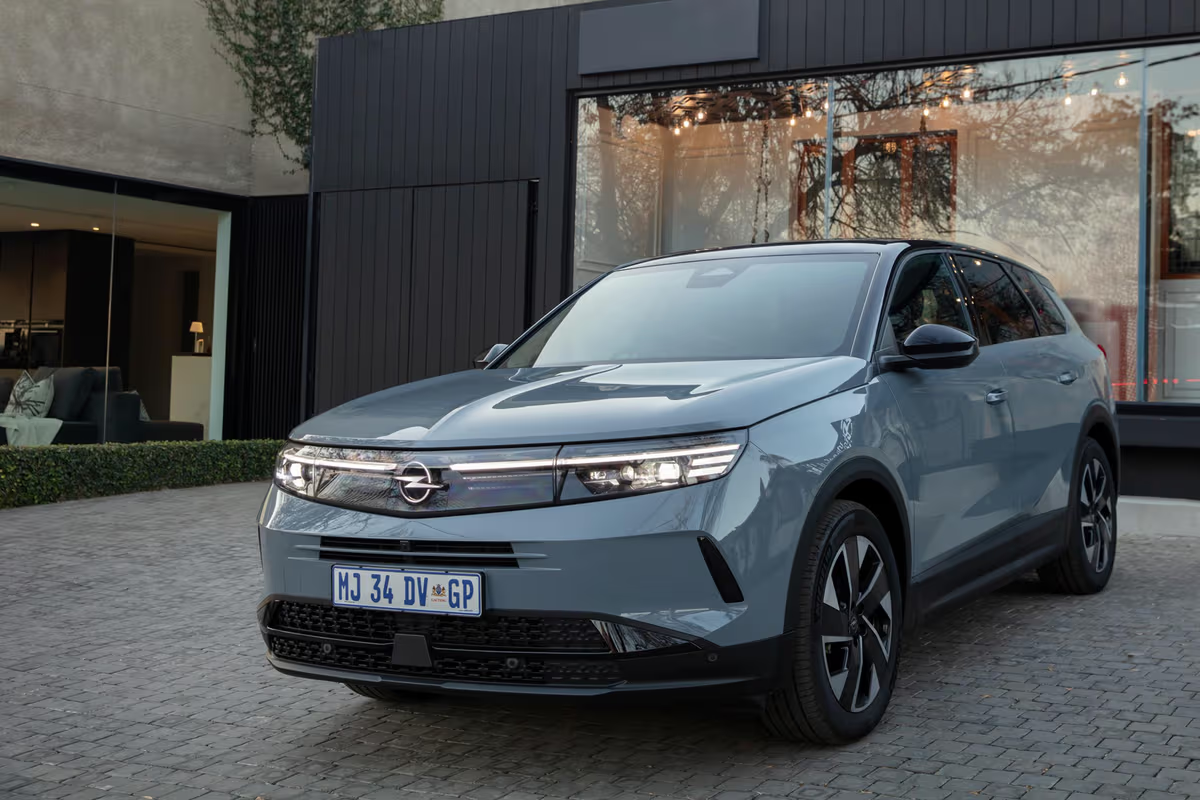
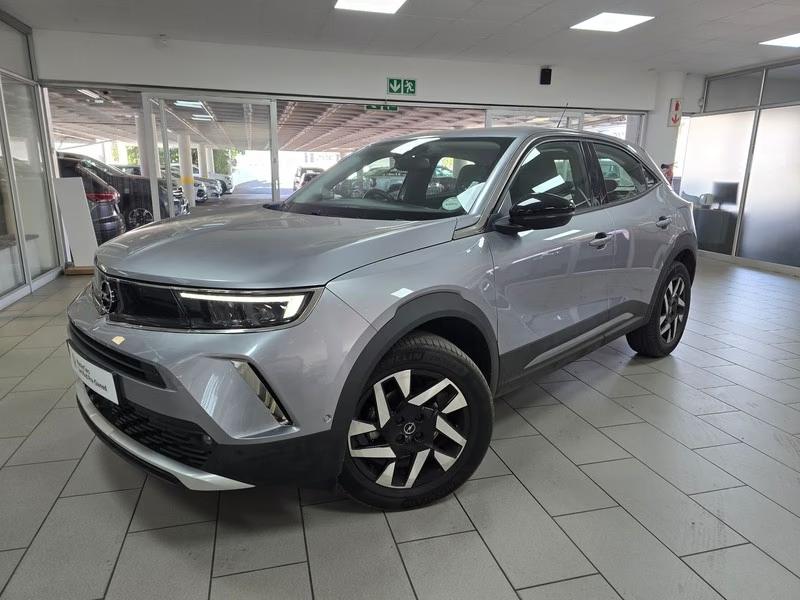
On the Mokka, the headlights and grille are visually linked by one dark panel, giving the front end a look that is immediately recognisable.
The Vizor face and stance
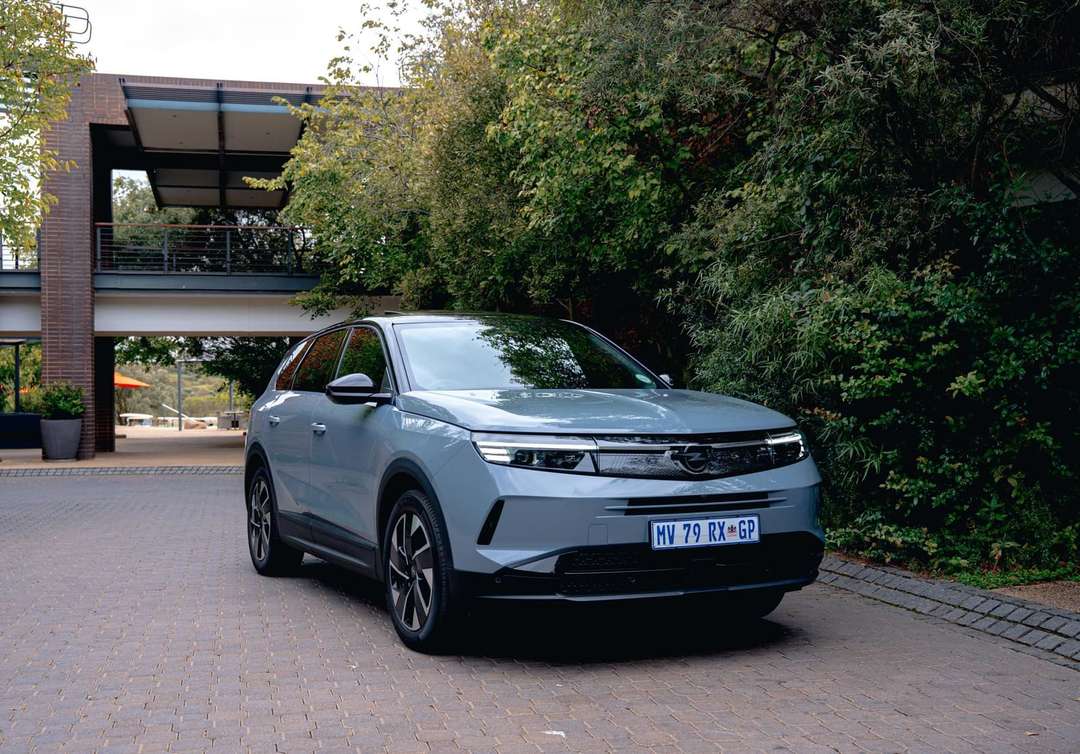
The design remains one of the Mokka's strongest attributes.
Parked outside a Woolworths in Rosebank, my test car attracted more attention than I expected, including one passer-by who doubled back for another look.
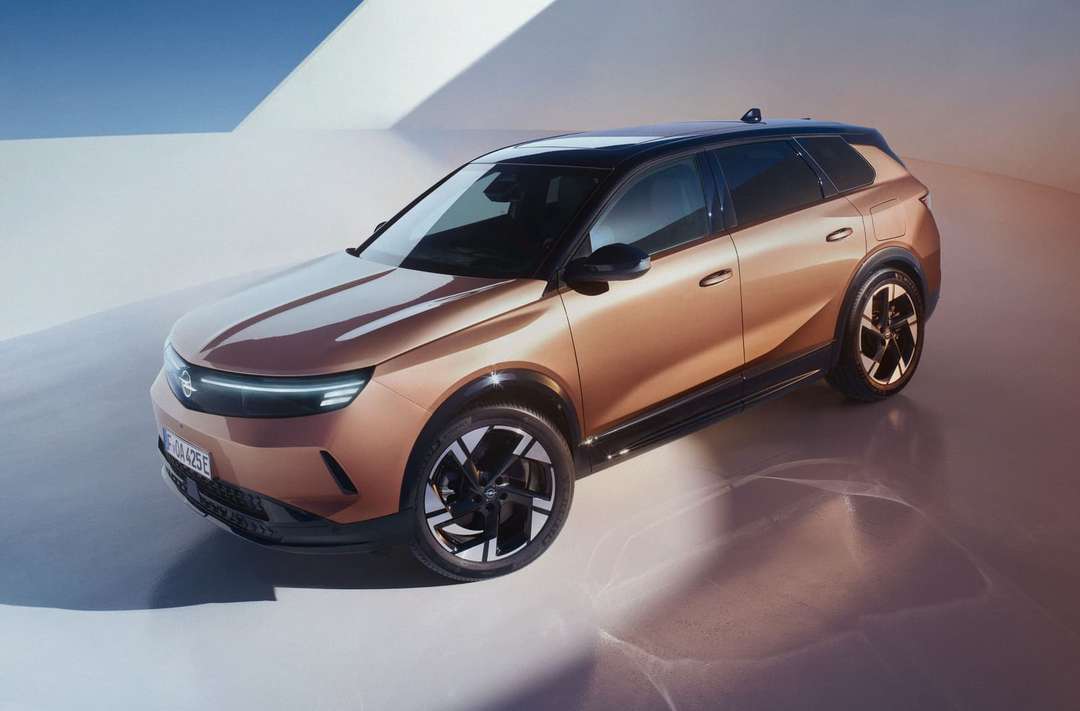
The proportions are tidy, the shoulder line is clean and the optional two-tone roof adds enough contrast without becoming excessive.
In a segment filled with increasingly similar shapes, that matters.
The Mokka manages to look more expensive than it is without relying on oversized grilles or unnecessary styling tricks.
Where it sits in the segment
This generation of Mokka places more emphasis on design than outright practicality.
The rising window line gives it a sharp profile from outside, but that styling choice also contributes to some of the packaging compromises inside.
Park it alongside something like a Haval Jolion or Chery Tiggo and the difference in philosophy becomes obvious.
The Chinese rivals focus heavily on space and equipment.
The Opel is more style-led.
Neither approach is automatically right or wrong, but buyers need to understand where the Mokka's priorities sit.
Cabin & Practicality
Inside, the Pure Panel layout spreads two digital displays across the dashboard and gives the cabin a much more contemporary feel.
The materials are good rather than genuinely luxurious, but Opel has used softer finishes where your hands and elbows regularly interact with the cabin.
The result feels well considered.
Front cabin and equipment
The front of the cabin is where the Mokka works best.
There is enough room for two adults to sit comfortably, storage is sensibly arranged and the standard specification is stronger than many buyers may expect.
Even the Edition derivative includes useful equipment such as:
- Heated steering wheel
- Wireless smartphone mirroring
- Blind-spot monitoring
- Dual 10-inch Pure Panel displays
- LED lighting front and rear
For everyday use, Edition specification already covers most of what you realistically need.
GS Line adds more visual appeal, but the increase in specification is less dramatic than the styling might suggest.
Rear seat and boot reality
The rear is where the compromises become more obvious.
That rising roofline eats into headroom, while the relatively short wheelbase leaves legroom adequate rather than generous.
Two adults can sit behind two adults without too much discomfort, but a third passenger in the middle will probably complain before the first N3 toll plaza.
Boot capacity is around 350 litres, which leaves the Mokka somewhere around the middle of the segment rather than near the top.
- Boot capacity: Around 350 litres, smaller than some key rivals.
- Rear accommodation: Acceptable for two adults, but tighter than the class average.
ISOFIX mounting points are fitted, although the relatively narrow rear openings can make fitting a bulky child seat more awkward than it should be.
During my test, one folded pram and two soft weekend bags fitted beneath the parcel shelf with roughly 70 mm of height remaining.
For couples, singles or downsizers, the packaging should be perfectly workable.
For a growing family, it may start feeling restrictive fairly quickly.
On the Road
Power comes from a 1.2-litre turbocharged three-cylinder petrol engine producing approximately 96 kW, paired with an eight-speed torque-converter automatic transmission and front-wheel drive.
On paper, those figures are fairly ordinary.
On the road, the Mokka feels livelier.
Powertrain and gearbox
Low-down response is strong enough for daily driving, while the eight-speed automatic remains one of the more polished parts of the package.
It shifts smoothly and avoids the low-speed hesitation that can still affect some dual-clutch transmissions.
Johannesburg traffic rarely catches it out.
Joining the N1 at altitude requires a firmer throttle input, but there is still enough performance available for confident overtaking.
My indicated 0-100 km/h run took around 9.5 seconds with one occupant aboard.
That feels entirely appropriate for the vehicle.
Ride, refinement and the long run
The Mokka is also better to drive than its crossover shape might suggest.
During a longer Free State run, it settled comfortably into highway speeds and dealt well with patched tar and the usual imperfections found on provincial roads.
A short gravel diversion showed decent body control, although sharper ridges can make themselves known through the lower-profile tyres.
Wind and road noise remain well controlled.
At an indicated 120 km/h on smoother N1 tar, I measured around 69 dB inside the cabin.
The steering is another pleasant surprise.
There is enough weight and response to make faster Magaliesberg bends enjoyable without making the ride unnecessarily firm.
That balance suits the Mokka well.
- My mixed test returned approximately 6.0 L/100 km.
- Braked towing capacity of around 1 200 kg should be sufficient for a small trailer or light camper.
Data & Comparison
The most important part of the Mokka argument is not really performance.
It is price.
At full retail, the Opel begins looking expensive beside newer Chinese rivals that offer more space and longer equipment lists.
With a meaningful discount, however, the value calculation changes.
Pricing and total cost of ownership
The full-retail Opel Mokka price places it above several value-focused crossovers.
That is difficult to justify in a market where buyers are scrutinising every rand.
The supplied five-year total cost of ownership estimate sits at around R230 000, covering servicing, consumables and expected running expenses.
Anyone searching Opel Mokka price South Africa should therefore ask the dealer for an actual written run-out offer rather than relying purely on the brochure figure.
Warranty and service-plan coverage should also be confirmed against the specific vehicle's registration date, particularly if the car has spent an extended period standing as dealer stock.
How it stacks up
| Model | Engine | Gearbox | Boot (approx.) | Style focus |
|---|---|---|---|---|
| Opel Mokka 1.2T | 1.2 Turbo, ~96 kW | 8-speed auto | ~350 L | High |
| Haval Jolion | 1.5 Turbo | 7-speed DCT | ~430 L | Medium |
| Chery Tiggo 4 Pro | 1.5 Turbo | CVT | ~340 L | Medium |
Both Chinese rivals offer stronger value on paper in one way or another.
The Haval gives you more luggage space, while Chery tends to load its vehicles with equipment.
The Opel counters with distinctive styling, a refined automatic gearbox and a more polished overall driving experience.
That makes this a question of priorities rather than an obvious winner.
Ownership risk to note
One mechanical issue deserves proper attention.
The PureTech three-cylinder uses a wet timing belt, which means the correct oil specification and punctual servicing are particularly important.
Neglected maintenance can allow belt material to deteriorate and potentially contaminate the oil system.
That makes a complete service history essential when buying used or older dealer stock.
I would also inspect the exterior carefully, particularly the roof finish, because cosmetic issues become much harder to accept on a vehicle that has spent months sitting at a dealership.
Digital service records should be available and should be checked before taking delivery.
Segment trend
SUV and crossover demand remains strong, which means the Mokka still competes in one of the most active parts of the market.
The challenge is not finding buyers interested in this type of vehicle.
The challenge is persuading them to choose the Opel over a growing number of newer rivals.
That is why price becomes so important.
The overlooked style crossover - does run-out stock make sense?
This is where the Mokka becomes much easier to recommend.
The latest facelift did not completely reinvent the vehicle.
The changes were relatively modest, focusing on styling revisions and updated cabin technology rather than a fundamental mechanical overhaul.
That makes outgoing stock particularly interesting.
A discounted pre-facelift Mokka still gives you modern styling, useful equipment and a mature driving experience without paying the full price of the newer version.
At full retail, the argument becomes much harder.
Something like a Haval or Chery gives you more equipment and, in some cases, considerably more space for similar or less money.
Bring the Mokka closer to those rivals through a proper run-out discount and the calculation changes.
You then gain a stylish European crossover with an excellent automatic gearbox and road manners that feel more polished than the specification sheet suggests.
The Mokka's relative anonymity may actually help buyers here.
It is not the hottest product in the segment, and dealers holding older stock eventually need those vehicles moved.
That gives the buyer leverage.
Use the rear-seat space, small boot and incoming facelift as negotiating points.
At full retail, I would hesitate.
At the right price, the Mokka becomes much easier to justify.
Safety rating
ANCAP · tested 2021
★★★★☆ 4/5 adult occupant
The Australian-market right-hand-drive result should be treated as indicative for South Africa only where the local derivative matches the tested safety specification, including airbags, ESC and autonomous emergency braking.
Verdict
The Opel Mokka is a stylish and surprisingly enjoyable small crossover, but it suits a very specific buyer.
The front cabin is comfortable, the standard equipment is strong and the driving experience has more polish than many of its value-focused rivals.
The compromises are equally clear.
Rear-seat accommodation is limited, the boot is relatively small and full-retail pricing makes the Mokka difficult to defend against newer competitors.
That is why the deal matters almost as much as the car.
- Buy it - the style-first urban buyer: If distinctive styling, strong equipment and polished city and highway manners matter more than maximum space, a discounted Mokka makes a convincing case.
- Shortlist it - the couple or downsizer: If two occupants make up most of the vehicle's workload and you value refinement over outright luggage capacity, it deserves a test drive.
- Wait - the deal-hunter: If the dealer insists on full retail, walk away from the finance desk and wait for proper run-out support.
- Walk away - the growing family: If three rear passengers, large child seats or bulky luggage form part of everyday life, a larger crossover will suit you better.
Summary
A candid look at the Opel Mokka B 1.2 Turbo (130 Hp) automatic for South African buyers, including its striking design, everyday road manners, ownership risks and surprisingly persuasive run-out value.
Ratings
Pros
- ✓If distinctive design, generous equipment and easy city or highway manners matter most, a discounted Mokka is a smart choice with genuine character.