Opel Grandland 1.6T GS Line (2026) Review
A properly good SUV denied a higher score by ambitious pricing and an uncertain dealer and resale story.
Introduction
If you're considering the 2026 Opel Grandland in South Africa, here's the short version. Buy it if comfort, a well-equipped cabin and one of the longest warranties in the segment matter more than a premium badge. But at this price, it isn't the default choice.
The previous Grandland struggled to leave much of an impression, earning the nickname "Blandland" in some circles. Thankfully, that's no longer the case. The new-generation Grandland looks sharper, feels more upmarket and is far better to drive than its predecessor. After spending time behind the wheel, it's clear Opel has built a genuinely competitive family SUV. Whether that's enough to stand out in South Africa's fiercely contested midsize SUV segment is the real question.
Key takeaway: A far better Opel with a mature ride and generous warranty, held back by ambitious pricing and a thin local dealer presence.
Design & Exterior
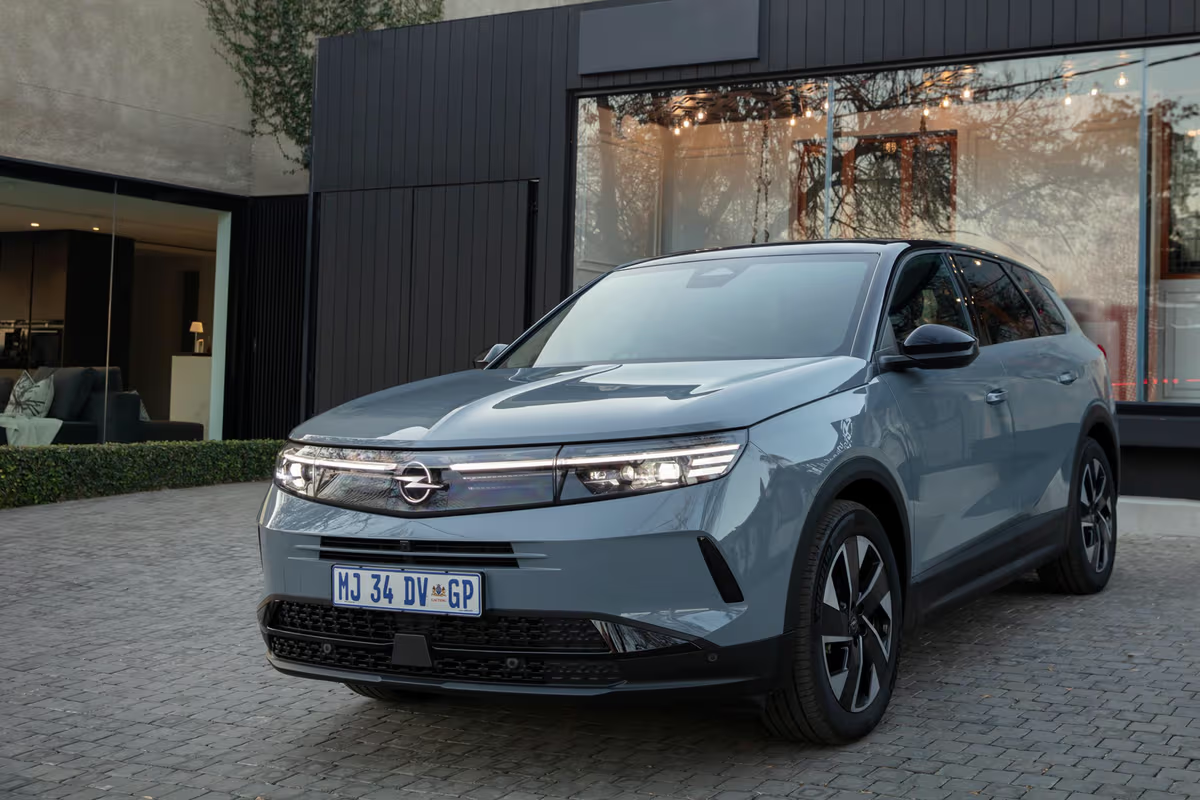
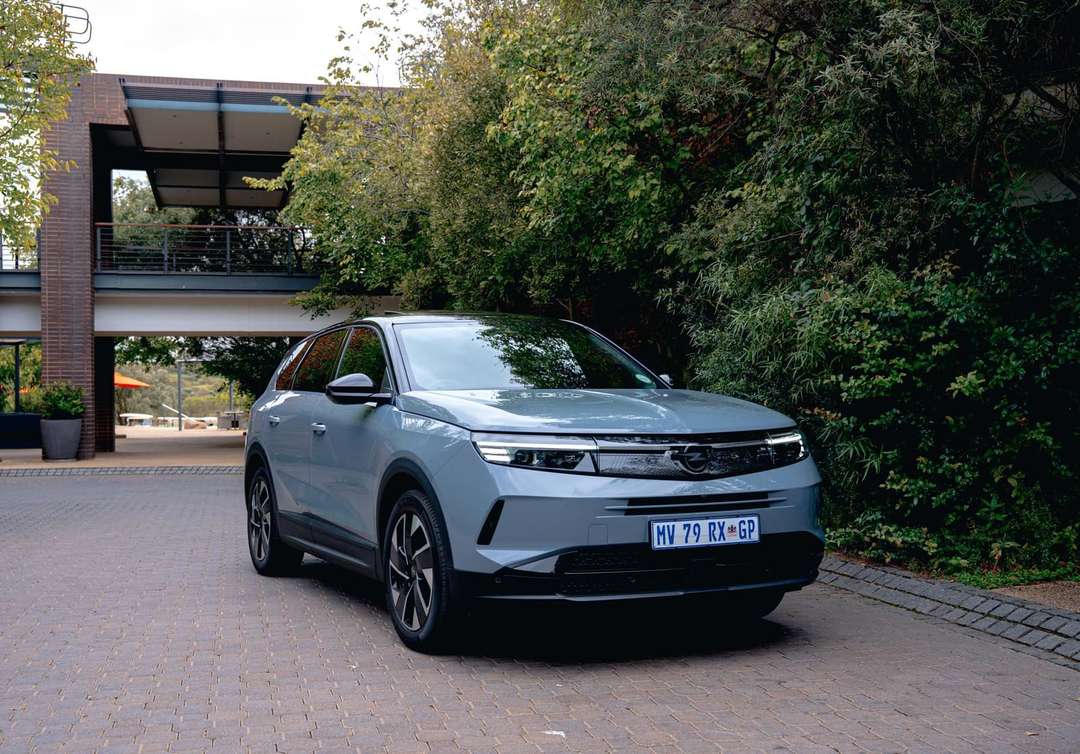
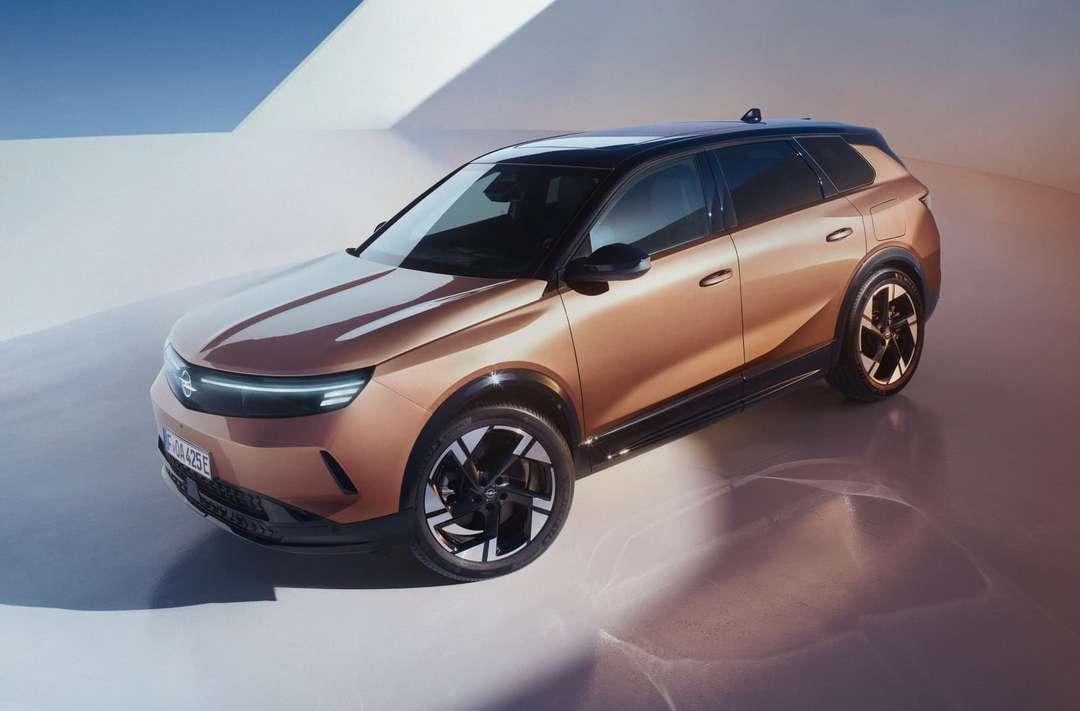
Very few people will miss the old Grandland. It blended into traffic a little too well. The new one is a completely different story. Opel's signature Vizor front end, pixel LED headlights and illuminated front and rear badges give it far more presence than before. The welcome-light animation might be a little theatrical, but there's no denying it makes the Grandland feel more modern and upmarket.
Bigger in every direction
Size has increased substantially over the predecessor. It rides on 19-inch alloys with 225/55 R19 rubber, while ground clearance measures 188mm. That’s sufficient for corrugated district roads and moderate Sani Pass gravel, although the front-wheel-drive Grandland remains a family SUV rather than a proper off-roader.
- Roughly 4 650mm long, noticeably longer than the outgoing model
- 188mm ground clearance for rough district roads
- Five seats, five doors, front-wheel drive only in SA
Some buyers may still want more visual drama from a brand rebuilding its identity. Fair enough. Yet the Grandland is handsome, well proportioned and distinctive enough to avoid disappearing beside another row of anonymous crossovers.
Cabin & Practicality
Climb aboard, and the progress continues. A wide central display shares dashboard space with a digital instrument cluster, but Opel has sensibly retained proper buttons for frequently used functions.
Materials and controls
Cabin plastics feel richer than before, while the AGR-certified seats remained supportive after several hours behind the wheel. Physical climate and drive-mode controls also mean you’re not prodding a touchscreen at 120km/h on the N1. Good. Too many rivals turn simple temperature adjustments into a menu exercise.
Standard equipment is generous, including a head-up display, heated and massaging front seats, a heated steering wheel, a 360-degree camera and a comprehensive driver-assistance suite. Adaptive cruise with stop-go traffic functionality earns its keep during Gauteng’s weekday crawl.
Space and boot
Rear passengers benefit from the longer wheelbase, and three adults can fit across the bench for shorter trips. The boot swallows 550 litres, which is 36 litres more than before.
- 550-litre boot, up 36 litres on the predecessor
- Space-saver spare wheel fitted, valuable on pothole-damaged South African roads
- Real climate controls retained instead of touch-only menus
During my test, the load bay accepted 2 full-size suitcases and a folded pram without dropping the rear seatbacks. If you pack smart, there’s enough usable space for a family weekend away.
One irritation remains. Driver-assistance chimes are intrusive and unnecessarily difficult to silence, although an over-the-air software update could correct that. OTA support can rescue awkward first-generation software, provided Opel keeps issuing useful updates rather than abandoning the system after launch.
On the Road
Power comes from a 1.6-litre turbo-petrol four-cylinder, displacing 1 598cc and driving the front wheels through a six-speed automatic. Outputs are 134kW and 300Nm.
Performance and gearbox
On paper, the numbers don't exactly jump off the page for a family SUV. Out on the road, though, the Grandland feels more willing than the spec sheet suggests. Expect a 0–100 km/h time of around 8.8 seconds, while the six-speed automatic prioritises smoothness over outright urgency. It's not the quickest SUV in the segment, but it has enough in-gear punch to make overtaking slower traffic on the N3 feel effortless.
Ride and refinement
Ride quality is the Grandland’s strongest card. Its STLA Medium platform, shared with the Peugeot 3008 and Jeep Compass, uses frequency-selective damping to take the sting out of broken tar and sharp expansion joints. Across a patched section of the R21, the body stayed composed where cheaper SUVs tend to kick and thump. Properly settled.
Claimed fuel economy is 5.7 L/100km, but that figure looks optimistic for everyday South African driving. My 142km mixed route returned 8.6 L/100km, while broader mixed and urban testing has landed nearer 9 L/100km. Budget accordingly. The 53-litre tank still provides decent touring range, especially at a steady freeway pace.
Data & Comparison
Now for the awkward bit: money. Pricing will decide whether South Africans see the Grandland as a clever alternative or simply walk towards a more familiar badge.
Pricing and running costs
The Grandland price South Africa discussion starts with a launch figure that landed uncomfortably close to established rivals. Aggregated listings show a broad spread from R199 900 to R589 900, covering older Grandland X stock alongside the new model, with an indicative entry point around R321 556 in current listings.
- Estimated 5-year total cost of ownership: around R230 000
- Warranty: 5-year/100 000km with roadside assistance
- Service plan: 5-year/90 000km, intervals every 12 months or 15 000km
- Anti-corrosion cover: 12 years
Warranty and servicing support are generous for the segment. Coastal buyers in Durban or Gqeberha may also appreciate the 12-year anti-corrosion cover, particularly if they intend keeping the vehicle beyond the finance period.
How it compares
| Model | Power | Boot | Warranty |
|---|---|---|---|
| Opel Grandland 1.6T | 134kW | 550L | 5yr/100 000km |
| Volkswagen Tiguan | Segment benchmark | Class-competitive | 3yr/120 000km typical |
| Chery Tiggo 7/8 Pro | Value-led turbo | Generous | Long-term value warranty |
Against the Tiguan, the Opel’s longer service plan is a meaningful advantage. Resale is less convincing. Opel SUV residuals in SA are still finding their level, and buyers may recover less at trade-in than they would from better-established rivals.
Editorial Focus
Right, so has Blandland really become a contender? On product merit, yes.
Cabin versus a Tiguan. Close. Touchpoints feel suitably upmarket, and the Grandland beats the Volkswagen for standard equipment at this level. A head-up display, massaging seats and a 360 camera aren’t guaranteed elsewhere. Switchgear feels solid, materials are mostly convincing and physical controls improve everyday usability. Contender status earned.
Stellantis warranty terms deserve scrutiny. The 5-year/100 000km warranty and 5-year/90 000km plan read well, but confidence depends on the network supporting them. Stellantis is expanding its multi-brand Brand House dealerships across SA, with parts moving through a shared network and Eurorepar supporting out-of-warranty vehicles. That footprint remains thinner than Toyota or VW coverage. Buyers in smaller centres such as Polokwane or Nelspruit should confirm where servicing and warranty work will happen before signing.
Dealer-network honesty. Here lies the soft underbelly. A strong vehicle backed by patchy support remains a risk, and long-time Opel owners know that frustration. The situation is improving. It isn’t solved.
Electrification needs context. SA receives the petrol model only, despite hybrid and EV derivatives existing in the global range. There is consequently no local battery-size choice, DC charging speed or electric driving-range claim to assess. With load-shedding concerns easing and public charging coverage growing along the N1 and N3, Opel may eventually need that EV if it wants the Grandland to remain relevant.
Verdict on the claim: the Grandland is unquestionably competitive on merit. Turning that into meaningful sales is now a pricing, dealer-support and marketing challenge rather than a product problem. It’s what the Grandland should have been from the start, and that’s the point.
Verdict
If you're shopping for an Opel Grandland in South Africa, it's well worth a look. The 2026 Grandland is comfortable, well equipped and refreshingly easy to live with, while physical controls, a refined ride and a long warranty make it an appealing family SUV.
If strong resale value or a wide dealer network tops your priority list, there are safer bets. And if you're holding out for a hybrid or electric Grandland, you'll have to wait, as South Africa currently gets the petrol model only.
The biggest surprise is just how much Opel has improved the Grandland. It's a far more polished and convincing SUV than its predecessor, with a comfortable ride, quality cabin and generous standard equipment. The biggest hurdles aren't the vehicle itself, but its pricing, resale prospects and Stellantis' smaller dealer footprint.
Summary
A full review of the 2026 Opel Grandland 1.6T GS Line for South African buyers, covering design, cabin quality, road manners, ownership costs, warranty terms and its standing against the Volkswagen Tiguan.