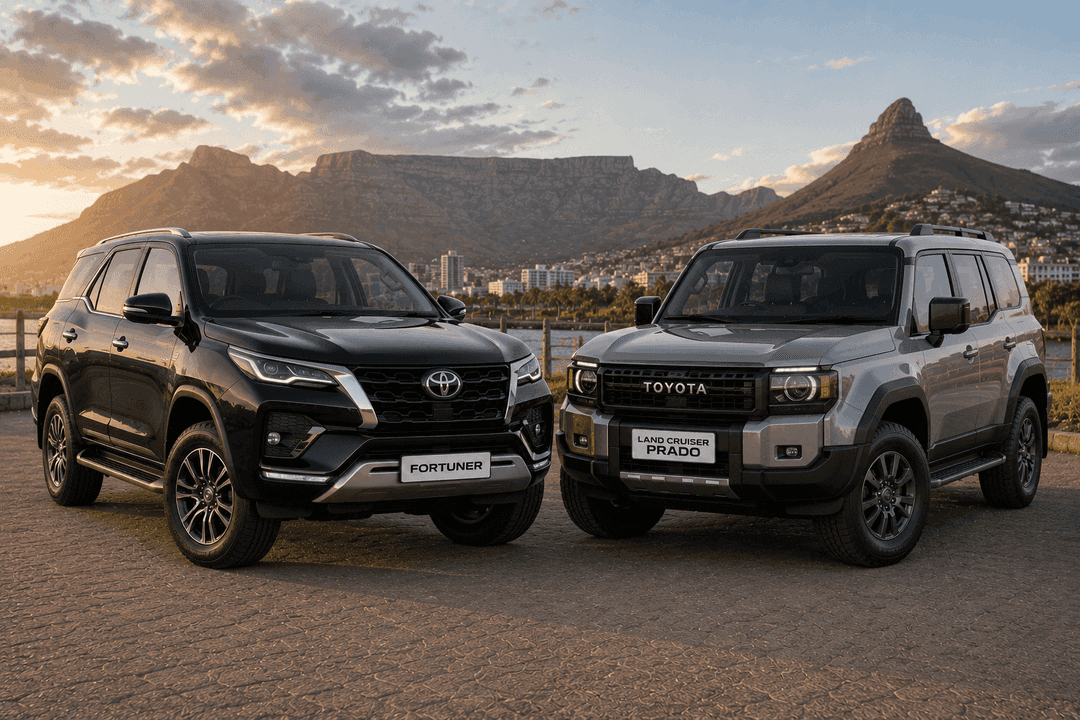
Toyota Fortuner 2.4 GD-6 auto vs Toyota Fortuner 2.8 GD-6 4x4 (2025)

After a week swapping between the two across Gauteng and the Free State, I’d park the 2.4 in my own driveway and put the savings towards a rooftop tent and a few extra weekends away.
Introduction
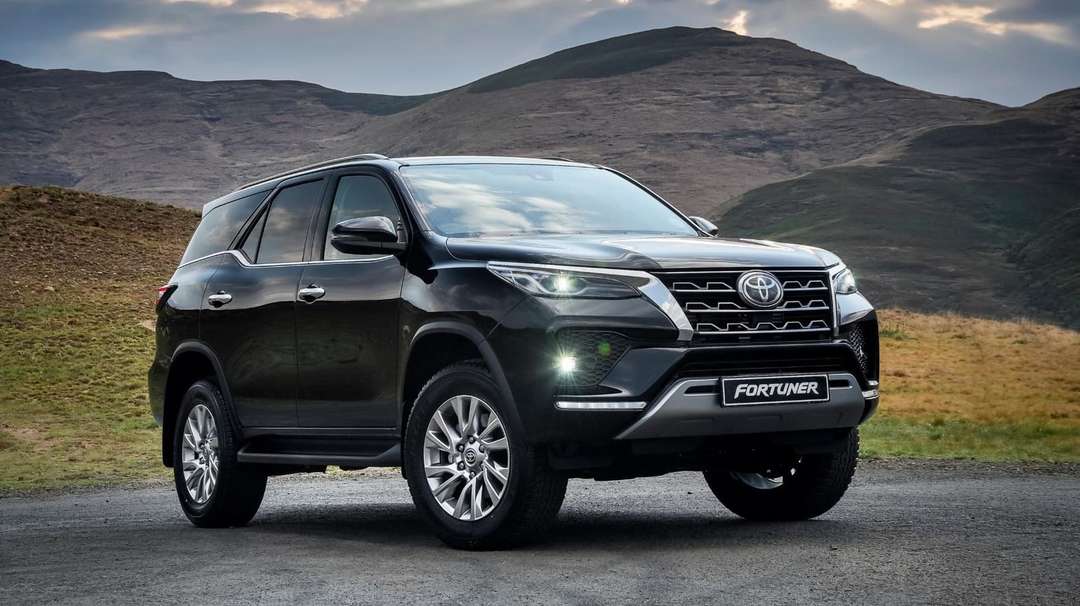
Right, so the 2025 Fortuner 2.4 GD-6 auto is the buy for suburban families and the pavement-to-platteland crowd who never actually see a dongas-only road. The 2.8 GD-6 4x4? Built for people who tow, farm, or really use that diff lock. That sums up the Fortuner 2.4 vs 2.8 South Africa debate that lights up WhatsApp every festive season. Both run the same ladder-frame chassis, both seat seven, both rock the 2025 catamaran nose. But the split lives under the bonnet and below the boot floor.
Key takeaway: 2.4 RWD wins on price and daily sense. 2.8 4x4? As soon as the tar ends or you hitch a trailer, it’s money well spent.
Design & Exterior
What separates them visually
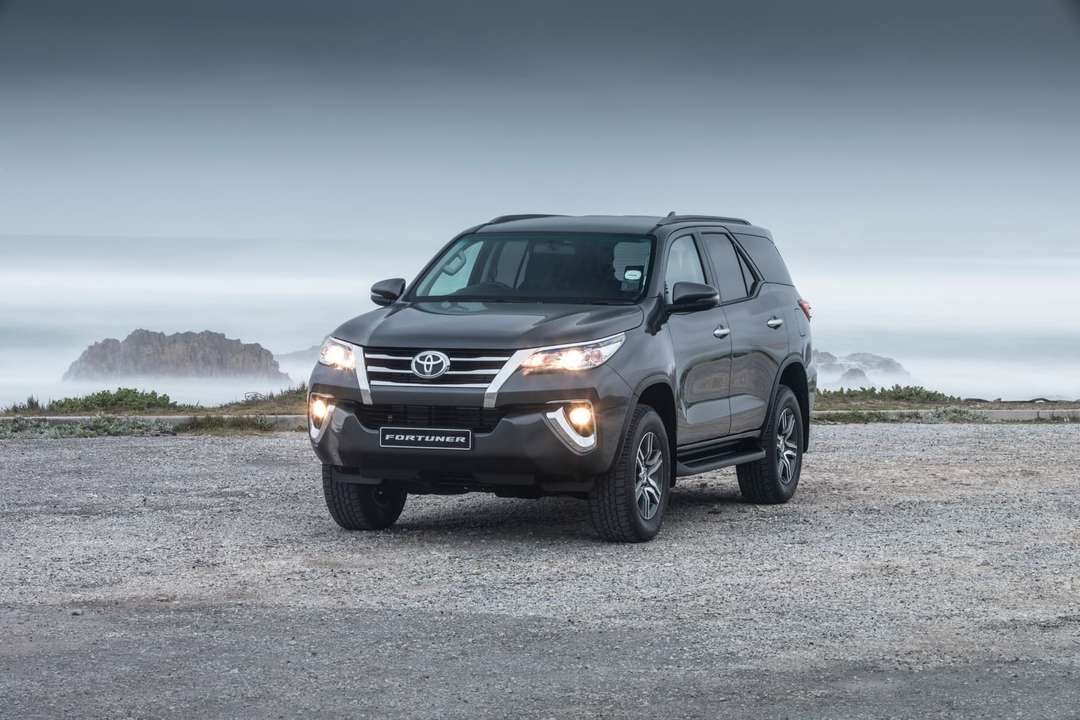
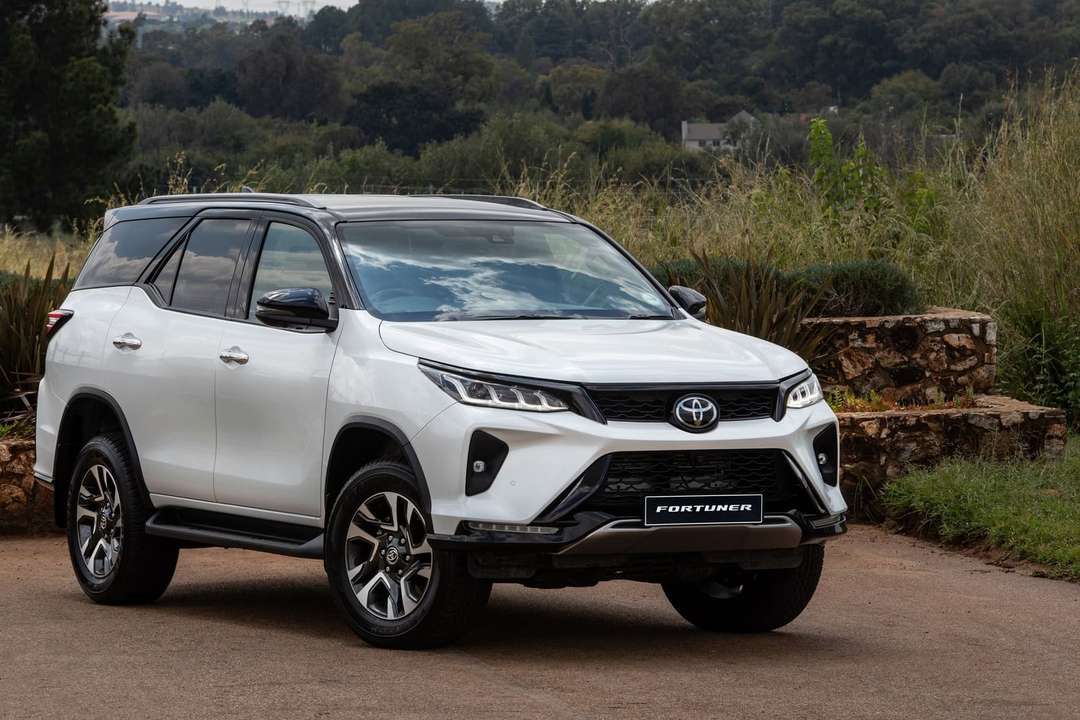
Honestly, almost nothing. You could park a 2.4 next to a 2.8 4x4 in the Cresta Mall basement, and nobody would notice unless they checked the tailgate badge. Both stretch 4795 mm nose to tail, 1855 mm wide, 1835 mm tall. Both wear those new 18-inch alloys and feature the facelift’s LED headlamps and wide grille. Toyota’s gone all-in on the family look.
Stance and SA-road relevance
Walk up close, and you’ll notice the 2.8 4x4 sits a whisker higher, mainly thanks to the rear diff lock and exposed front recovery hooks on the off-road trims. Out on the N3, hauling up from Durban, either one fits in just fine. But hit the gravel stretches between Sutherland and Fraserburg and the 2.8 4x4’s extra kit starts earning its keep. Both get the same colours, but the 2.8 flagship trims sometimes land the two-tone roof options first at dealers like McCarthy or Halfway.
If you’re after street cred more than real off-road ability, the 2.4 does 95% of what the Fortuner does for a lot less cash. And that matters.
Cabin & Practicality
Materials and infotainment
Inside, it’s the same dashboard: mid-spec models get the 8-inch touchscreen, flagships go bigger, and high trims add wireless phone mirroring. Physical climate dials are still here (thank goodness). The 2.8 4x4 usually comes loaded with leather, ambient lighting, and a larger driver screen. The 2.4 RWD shows up mostly in mid-trim, so expect part-leather or cloth and a simpler cluster. Who wins on premium feel? The 2.8, but only because you’re paying more for it.
Seven seats and boot space
Both have seven seats; both use the side-folding third row that eats into boot width when not in use. ISOFIX? Two points in the middle row. Rear legroom in row two is identical - the wheelbase is the same. That third row? Kids-only for long trips, but if you pack smart, under-12s will survive.
- Boot with row three up: about 200 litres (figures differ slightly, but call it that)
- Boot with row three stowed: around 716 litres
- ISOFIX: 2
- Seats: 7
- Fuel tank: 80 litres - both will comfortably cruise past 800 km between fill-ups
On practical grounds, there’s no difference. Inside, they’re twins.
On the Road
The 2.4 4x2: honest, unhurried, fit for purpose
So, you’re looking at 111 kW and 400 Nm from the 2.4-litre turbodiesel, channelled through a 6-speed auto to the rear wheels. On paper, at least, not a powerhouse. But in city traffic and on school runs, it’s more than enough. Torque comes in low; the gearbox is calm, not lazy. Sitting at 120 km/h on the N1 between Joburg and Bloem, it just ticks over quietly.
But here’s the rub: overtaking on single-lane stretches like the R62 needs a plan. Once, I tried to pass a flatbed near Ladismith in a 2.4 GD-6 auto, and the gearbox took a full breath before anything happened. You learn to wait for your gap. The body-on-frame means you’ll feel a shudder through the cabin on rough tar, and there’s plenty of roll if you push it through a bend.
The 2.8 4x4: torque-rich, properly capable
The 2.8-litre ups things to 150 kW and 500 Nm, still on the 6-speed auto, now driving all four wheels with low-range on tap. That extra 100 Nm makes a bigger difference than you’d expect. Suddenly, overtaking is a non-event. Towing? No sweat. I once hauled a game trailer from Mokopane up Magoebaskloof in a 2.8 4x4, and the engine barely raised its voice. Steering is still light and vague, but the chassis feels way more settled with a load. On those loose gravel roads toward the Cederberg, the 4x4 and rear diff lock just make life easy.
Gearbox and refinement
Both use Toyota’s tried-and-tested 6-speed auto. The 2.8 hides any hesitation better - more torque to smooth things over. The 2.4 lays it bare. Both engines get coarse if you push them hard, but with the 2.8 you rarely need to.
Specs & Ownership
Side-by-side comparison table
| Spec | Toyota Fortuner 2.4 RWD AT | Toyota Fortuner 2.8 4x4 AT |
|---|---|---|
| Engine | 2.4d (111 kW) Automatic | 2.8d (150 kW) 4WD Automatic |
| Torque | 400 Nm | 500 Nm |
| Drive | Rear Wheel Drive | All Wheel Drive (4x4) |
| Gearbox | 6-speed automatic | 6-speed automatic |
| Seats | 7 | 7 |
| Length / Width / Height | 4795 / 1855 / 1835 mm | 4795 / 1855 / 1835 mm |
| 5-year TCO estimate | R230 000 | R230 000 |
| Service plan | 9 services / 90 000 km | 9 services / 90 000 km |
| Warranty | 3 years / 100 000 km | 3 years / 100 000 km |
Total cost of ownership
Five-year TCO? Both land at R230 000, thanks to Toyota’s ironclad residuals and the 9-service / 90 000 km plan. Where it changes is up front. The 2.4 RWD is the cheapest auto Fortuner you’ll find, while the 2.8 4x4 is at least R100 000 more expensive, sometimes more, depending on spec. Expect real-world fuel numbers around 8.5-10 L/100 km for the 2.4 and 9-11 L/100 km for the 2.8 4x4. Both get an 80-litre tank, so touring range is still comfortably over 800 km.
Residuals are the hidden champion here. Toyota dominates about half the bakkie-based SUV scene, and that props up trade-in values for years. The 2.4 RWD gets an extra boost because its lower sticker price holds up better as a percentage when you trade it back at, say, a Bidvest McCarthy or CFAO branch.
Verdict
But if you tow boats, livestock, or caravans, run a farm, or plan to tackle the Richtersveld or Botswana, the 2.8 4x4 AT is the one to get. That 500 Nm at altitude and the proper 4x4 hardware make a real difference where it counts. In fact, it's what the Fortuner should have been from the start.
If you’re buying new late in 2025, maybe hang on for the 2026 model. New platform, possible hybrid, and updated safety kit - all that matters for a car you’ll likely keep for a decade.
After a week swapping between the two across Gauteng and the Free State, I’d park the 2.4 in my own driveway and put the savings towards a rooftop tent and a few extra weekends away. Most South African Fortuner buyers never use low-range - and that’s the point.
Summary
Direct, unvarnished comparison: 2025 Toyota Fortuner 2.4 GD-6 rear-wheel-drive auto against the 2025 Toyota Fortuner 2.8 GD-6 4x4 auto. South African context front and centre: how they drive, what you get inside, what they'll cost to own, and where each one earns its keep. The big difference? What’s