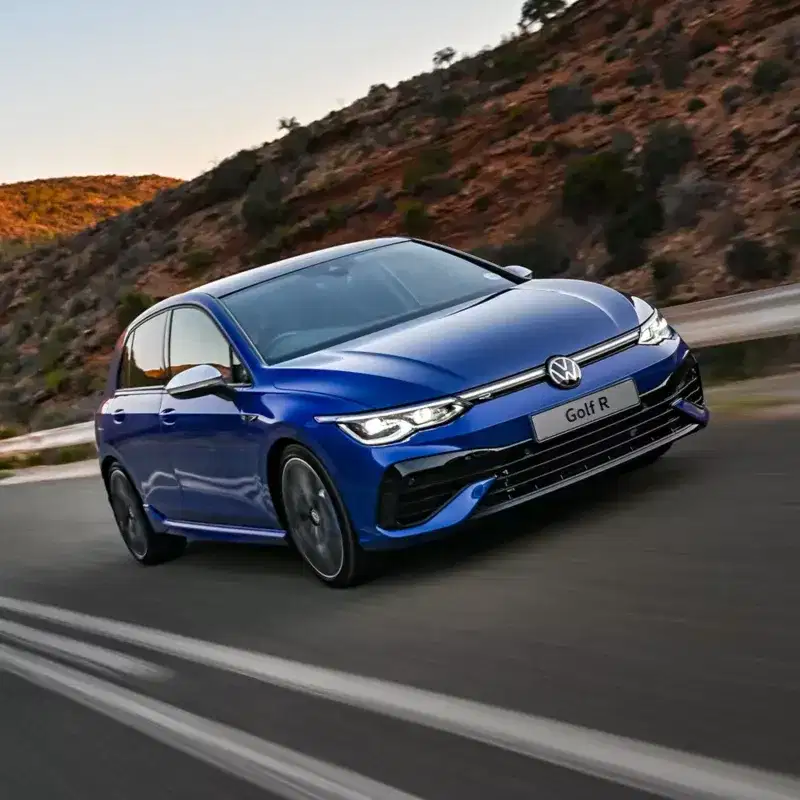
Volkswagen Polo Vivo 1.4 55kW Vivo (2026) Review


Points off for no included service plan, a one-piece rear seat, crank rear windows, and a powertrain that's just adequate. Points back for cabin quality that shames pricier VWs, unmatched resale, real
Introduction
If your priority is a locally built hatch with a badge that still carries weight in 2026, the Volkswagen Polo Vivo 1.4 55kW is your last solid bet. But there’s a catch: you’ll need to accept a spec sheet stripped to bare essentials. For 2025, Volkswagen South Africa has facelifted the entry-level Vivo (formerly the Trendline), and the question for buyers hasn’t changed - is the cheapest Vivo still the right answer, or has the market left it behind?
Key takeaway: The 55kW Vivo remains the smart play if build and resale matter more to you than tech - but if you’re counting every rand at the pumps, the Suzuki Swift edges it out.
Design & Exterior
What’s actually new for 2026
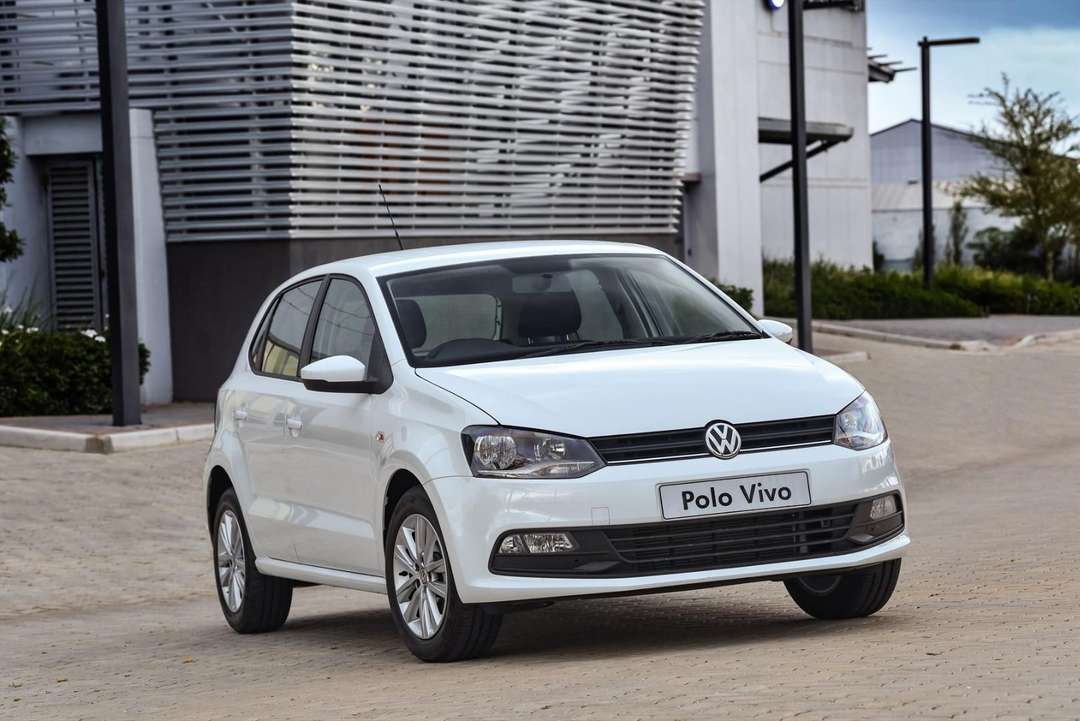
VW tweaked the nose, bumper, and headlights with the update before the end of 2024. But for the base model, you’re still looking at a fleet special: 14-inch steel wheels with hubcaps, black mirror caps, and no LED flash. Parked in a mall lot, you’d struggle to tell which Vivo you’re looking at unless you’re right up close - and let's be honest, your bank balance won’t care either way.
Where it sits in the segment
Polo Vivo is, at its core, the previous-gen Polo, stretched since 2018. That counts for something. Rivals like the Suzuki Swift and Toyota Starlet feel lighter, newer, more playful. This one’s all about that sensible VW stance. In traffic, it just blends in. But on the highway, you'll spot dozens, all quietly getting on with the job. That’s the Vivo’s sweet spot.
- Only available as a 5-door hatch in 55kW form
- 14-inch steel wheels with wheel covers, no alloys
- The new 9-inch Mirgor infotainment screen now stands out
- Central tailgate badge tidies up the rear
Cabin & Practicality
Materials that still embarrass newer VWs
This car’s age is its trump card. The dashboard layout comes from a time before VW’s latest round of penny-pinching, so the upper dash in this 1.4 actually feels plusher than what you get in a newer T-Cross. I got out of a 2024 T-Cross, and genuinely, the cheaper car felt more solid. Real climate dials, chunky stalks, a handbrake that inspires confidence - handy when you’re learning to drive in stop-start madness. No wrestling with touchscreens here.
The new 9-inch screen
This facelift’s real news is the 9-inch Mirgor screen, standard even in the base Vivo. Wireless Apple CarPlay and Android Auto are now baked in. It isn’t the slickest unit you’ll use, but it’s a massive leap from the old 6.5-inch setup, and honestly, it’s the best reason to buy a 2025 model over a used 2023 at the same price.
Volkswagen Polo Vivo boot space and rear-seat reality
The boot handles a week’s groceries and a gym bag with no drama, but there’s a snag: the rear bench only folds as one piece. No 60/40 split like the Swift or Starlet. If you need to carry a mate and a surfboard or some flat-pack shelves, you’re out of luck. Legroom in the back, behind a tall driver? Short-trip only, really.
Volkswagen Polo Vivo ground clearance sits at about 134 mm. That’ll clear Yeoville’s worst speed bumps or a bit of gravel, but make no mistake - this is a hatch for tar, not a gravel-bashing adventure.
- Single-piece folding rear bench - not ideal if you pack smart for odd-shaped loads
- Manual rear windows - yes, really, in 2026
- Manual mirror adjustment
- ISOFIX child-seat mounts on the rear outer seats
- Soft-touch upper dash from the pre-facelift era
On the Road
The 1.4 55kW reality check
Let’s not kid ourselves: 55 kW and 130 Nm from a naturally aspirated 1.4 means you’re not winning any robot-to-robot sprints. Cruising on the highway with three adults on board, you’ll be working the five-speed hard - fourth gear gets a proper workout. On paper at least, the figures are ordinary, and on the road, they feel it. And that’s the point. It’s what the Volkswagen Polo Vivo should have been from the start: no turbo to blow at 180 000 km, no dual-clutch headaches. Just a 1.4 that any workshop can keep alive.
Ride, steering and the long-drive case
This is where the Vivo nudges ahead. Over battered tar, the chassis shrugs off rough patches in a way neither the Swift nor the Starlet can match. Steering is light but predictable, and the manual shift, while a bit long, is accurate. Noise at 120 km/h? Surprisingly muted - definitely quieter than a Swift at the same speed. If you’re doing long highway hauls, Vivo is the better buy. Stick to city roads, and its advantage shrinks.
Real-world fuel economy
VW claims 5.9 L/100 km. In and around town, I averaged about 6.0 L/100 km - and that’s rare honesty from a carmaker. Most small-turbo rivals are way off their claimed numbers. At one point, stuck behind a taxi on, I watched the trip computer edge up, but it always settled back under 6.5 in mixed use. Not bad at all.
Data & Comparison
The spec sheet, no fluff
| Spec | Volkswagen Polo Vivo 1.4 55kW |
|---|---|
| Engine | 1.4L Petrol, naturally aspirated |
| Power | 55 kW |
| Gearbox | 5-speed manual |
| Drive | Front-wheel drive |
| Doors | 5 |
| Generation | Polo Vivo II (2018–present) |
| Claimed fuel use | 5.9 L/100 km |
| Real-world fuel use | ~6.0 L/100 km |
Volkswagen Polo Vivo vs the segment
| Model | Engine | Claimed fuel | Folding rear seat | Service plan included |
|---|---|---|---|---|
| VW Polo Vivo 1.4 55kW | 1.4 NA petrol | 5.9 L/100 km | One-piece | Optional (extra cost) |
| Suzuki Swift 1.2 GL | 1.2 NA petrol | 4.4 L/100 km | 60/40 split | Yes, included |
| Toyota Starlet Xi | 1.5 NA petrol | ~5.7 L/100 km | 60/40 split | Yes, included |
Ownership maths
New polo vivo price in South Africa lands the base 55 kW Vivo as the entry ticket to the hatchback club, but here’s the fine print: the 4-year/60 000 km service plan is a R13 086 add-on. That’s about 5% extra before you even leave Barons or McCarthy.
- Estimated 5-year total cost of ownership: R230 000 (fuel, insurance, routine maintenance, finance)
- Observed real-world fuel use: ~6.0 L/100 km - pretty much bang on VW’s claim
- Used-market residual: Three-year-old previous-gen Vivo Trendlines averaged R191 700 in 2025. That’s the best resale here.
- Insurance penalty: Polo Vivos are high on the theft list, so expect a premium over a Swift
Common issues with the VW Polo and Volkswagen Polo Vivo problems
No sugar-coating it. SA owners report water pump and thermostat leaks past 100 000 km, some window regulator gremlins, and a high theft risk. The 1.4 engine, though, is basically bulletproof. It’s the long-distance choice, especially next to the TSI in the GT, and any indie mechanic will have seen these issues a hundred times over.
Safety rating
Global NCAP #SaferCarsForAfrica · tested 2024
★★★★☆ 4/5 adult occupant
SA-market test (Test valid for: South Africa). Official factsheet.
Verdict
Who should not
If you drive under 15 000 km a year and running costs are king, go Swift. If you want split rear seats or powered everything, try the Starlet or Hyundai Grand i10. If you want fun, the GT 1.0 TSI is your pick.
Summary
First-time buyers, parents sending students off to Stellenbosch, fleet managers, and anyone who sees a car as a tool, not a toy. If you want that VW badge, local-parts backup (up to 75% from Kariega), and the best resale in the B-segment, this is it.
Ratings
Pros
- ✓First-time buyers, parents sending students off to Stellenbosch, fleet managers, and anyone who sees a car as a tool, not a toy.
- ✓If you want that VW badge, local-parts backup (up to 75% from Kariega), and the best resale in the B-segment, this is it.