Volkswagen Tiguan vs Toyota RAV4 (2025)

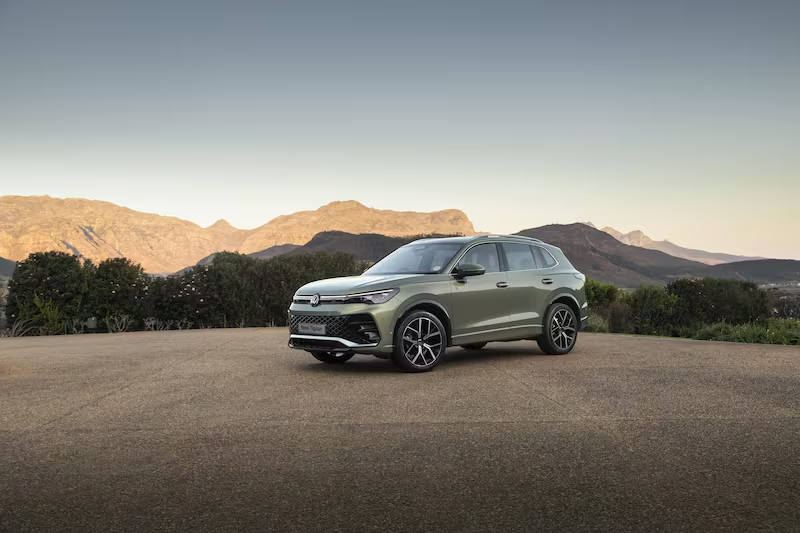
Both of these SUVs make sense—but for very different reasons, and that’s the point. Buy the Volkswagen Tiguan if you’re all about steering feel, cabin quietness, and material finish, and most of your driving is on decent roads in the city.
Introduction
Look - if you want that vault-solid German feel for the daily trek over Joburg’s cratered backroads, the Tiguan is the default. But if you’re racking up serious kilometres on the N1 or just want to keep fuel bills from eating your salary, the RAV4 Hybrid is the obvious pick. Both are five-seater SUVs; both circle the R700k mark, but the personalities couldn’t be more different: Euro polish versus Japanese get-it-done. This isn’t a spec-sheet numbers game. It’s about real use and what you’ll actually live with in SA.
Key takeaway: If you want plush materials and that Germanic drive, the Tiguan delivers. If you want real-world savings, all-wheel traction, and Toyota’s dealer footprint that covers even dusty dorps, the RAV4 Hybrid just works better here.
Design & Exterior
Stance and proportions
On paper at least, the Tiguan’s bigger: 4670 mm long, 1866 mm wide, 1665 mm tall, with a 2791 mm wheelbase. The RAV4 measures 4600 mm by 1855 mm and stands a hair taller at 1685 mm. Tiguan hunkers down, looking almost like a posh sedan on stilts. RAV4’s all boxy lines and proper SUV attitude. Park them side by side, and you’ll spot it instantly - Tiguan’s for the city, RAV4’s itching for a gravel shortcut.
Detailing and SA road relevance
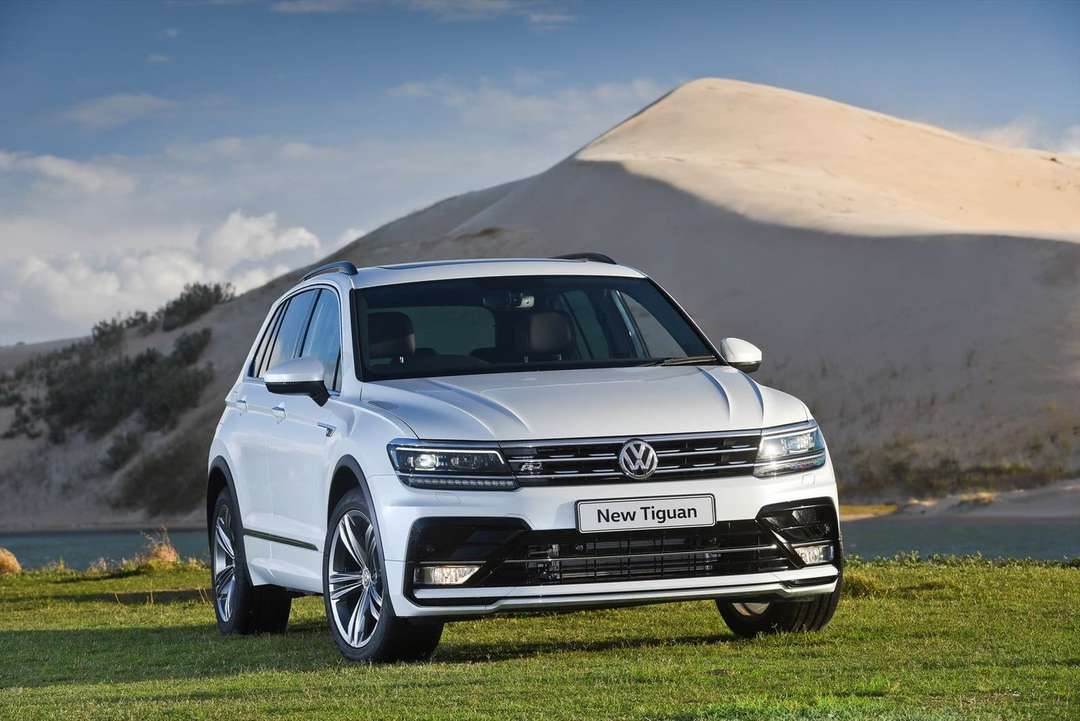
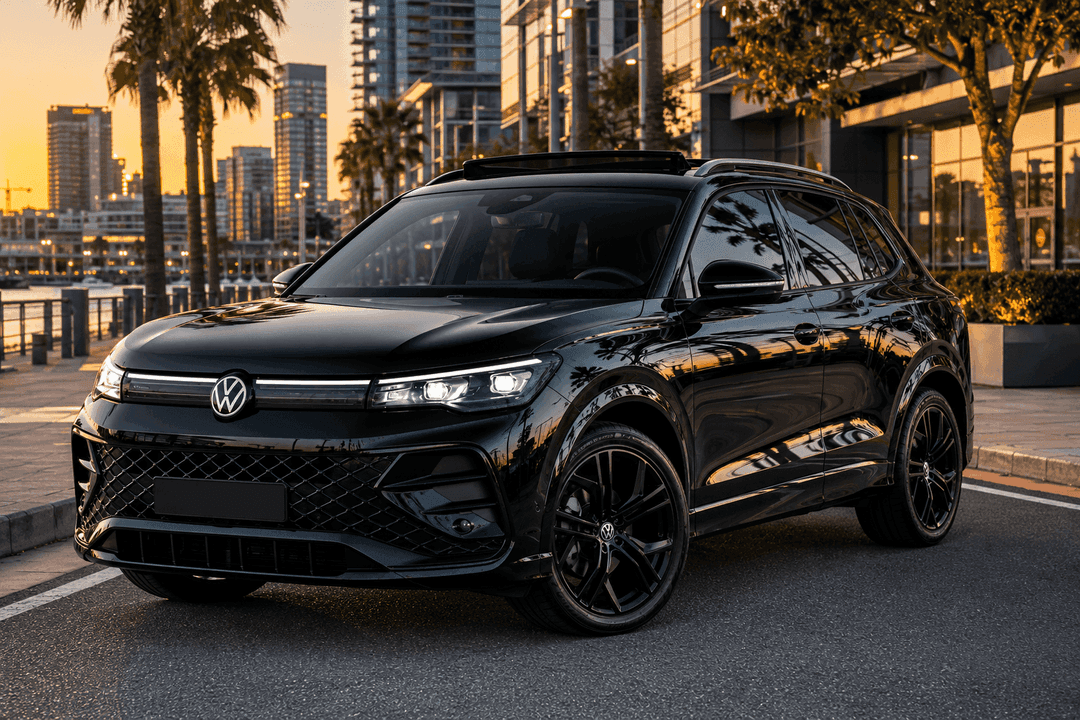
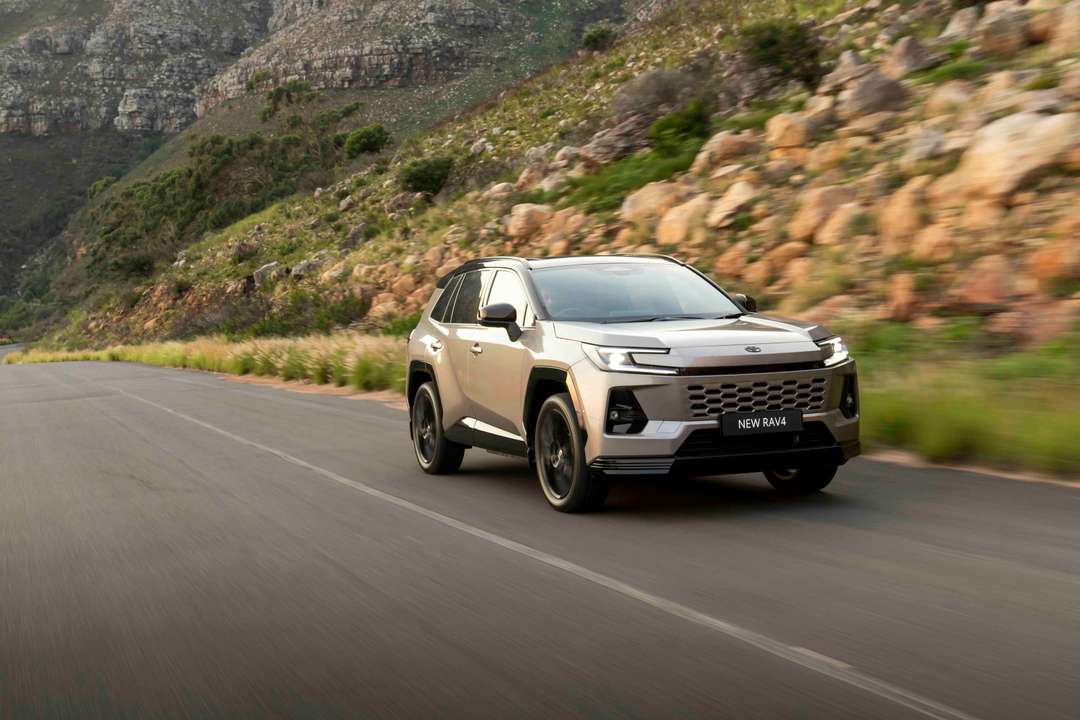
Tiguan’s third-gen shape is clean; that LED light bar across the nose on the Life model adds some presence. It’s quietly upmarket. The RAV4, though, goes heavy on cladding and squared-off arches - deliberate, because it’ll take gravel to a farm without you needing to wince. Toyota’s got the edge on ground clearance and approach, which you’ll appreciate if you leave Gauteng tar behind. Both brands keep the local palette boring - white, silver, grey - because that’s what dealers like Barons and McCarthy say moves metal.
Cabin & Practicality
Materials and dashboard ergonomics
Step in and it’s obvious: Tiguan just feels plusher. Layered dash, tactile trims, that sharp 12.9-inch infotainment screen. Not all good news, though. Those touch sliders and haptic wheel buttons are properly frustrating, especially when bouncing along the N3 past Heidelberg. Prepare to mess with your climate settings more than you’d like. RAV4? Simpler, chunky buttons, smaller basic screen, you can prod without looking away. Not flashy, just gets the job done.
Space, boot and family duties
- Seats: Both give you five seats with ISOFIX on the outer rears.
- Wheelbase: Tiguan’s 2791 mm gives more rear legroom. Adults noticed it.
- Boot access: RAV4’s upright tailgate swallows a giant Makro pram, but the Tiguan’s lower lip won’t kill your back.
- Cabin storage: The VW’s deep door bins and sliding centre console are properly useful for stashing water bottles and all the clutter.
So, if you want nice materials and a digital dash, Tiguan’s ahead. But if your kids, dogs, or salty sea air are going to attack the cabin, RAV4’s tougher plastics and cloth survive better. Fake leather in this heat? Not a win - cloth is the smart call, and that matters.
On the Road
Tiguan: composed, quiet, Euro-flavoured
VW’s 1.4 TSI gives you 112 kW and 250 Nm, all through a seven-speed DSG to the front wheels. Quick enough, light on its feet, and the gearbox is a relief in Joburg stop-start traffic compared to older, jerkier VWs. Took it on a run up to Hartbeespoort. It just settles at 120 km/h, barely any wind noise - 0.28 drag coefficient isn’t just marketing. Life model’s 17-inch wheels ride better than the R-Line’s 19s. I aimed for the worst patched tar by Linksfield, expecting a crashy ride, but it soaked it up - firm, not harsh.
RAV4: torquey hybrid, lazy in the best way
Toyota’s 2.5-litre hybrid marries 222 hp total, 221 Nm from the petrol, e-CVT, and electric rear axle for AWD. Pulls away smartly in town, that instant electric torque up to 40 km/h makes it feel lighter than its 1645 kg. Stuck at a robot in Rondebosch, the silence is eerie - no engine, just a whirr. CVT drone is the weak spot. Under hard throttle, especially up Du Toitskloof Pass, you’ll notice it. The RAV4 also leans a bit more in corners, but the AWD confidence on loose or wet KZN roads is something the Tiguan just can’t give you.
Which one would I live with
If my daily was the R21, I’d pick the Tiguan for the quiet cabin and heavier steering. But if you’re bouncing between tar, gravel, and the odd long-haul out of Gauteng, the RAV4 Hybrid is just easier to live with, full stop.
Specs & Ownership
Side-by-side spec table
| Spec | Volkswagen Tiguan 1.4 TSI DSG | Toyota RAV4 2.5 Hybrid E-Four |
|---|---|---|
| Engine | 1.4 TSI petrol | 2.5 full hybrid |
| Power | 112 kW | 165 kW (system) |
| Torque | 250 Nm | 221 Nm |
| Gearbox | 7-speed DSG | e-CVT |
| Drive | Front-wheel drive | All-wheel drive (E-Four) |
| Combined fuel use | 6.5 L/100km | 4.5 L/100km |
| Urban fuel use | 7.4 L/100km | 4.4 L/100km |
| Kerb weight | 1545 kg | 1645 kg |
| Length | 4670 mm | 4600 mm |
| 5-year TCO (est.) | R389,250 | R340,250 |
Real-world running costs
Toyota’s 4.5 L/100km isn’t smoke and mirrors; the 4.4 L/100km urban figure means real savings if you’re stuck in Gauteng traffic. Hybrids suit SA conditions perfectly. Tiguan’s 6.5 L/100km is strong for a turbo-petrol, but it just can’t match the RAV4 in town. At R23 per litre and 20,000 km a year, the VW will cost you an extra R9,200 in fuel annually. Over five years, that’s R49,000 in Toyota’s favour - mostly due to its hybrid setup.
Dealer network and parts
The Toyota dealer network is legendary. Whether you’re on the way to Polokwane or in Mthatha, you’ll spot a Toyota sign before you see a KFC. VW’s coverage is solid in metros but gets patchy out in the platteland. Both offer service plans, but ask your sales rep - plan lengths have been shifting lately, and you don’t want surprises at your first service interval.
Verdict
Both of these SUVs make a case for themselves - but for very different reasons, and that’s the point.
- Volkswagen Tiguan suits you if you want steering feel, cabin quietness, and a premium finish, and your driving is mostly urban or on smooth highways.
- Toyota RAV4 Hybrid is your pick if you want hassle-free ownership, low fuel bills, AWD confidence, and a dealer nearby, even in small towns.
- If you crunch the numbers, R49,000 lower running costs and better resale mean the RAV4 Hybrid makes more sense for most. The VW only wins if you’re truly drawn to it.
- Hold off if you’re waiting for the VW Tayron seven-seater or the next-gen RAV4, both coming soon to South Africa.
After a week in each, here’s my honest take: my own rands would back the Toyota RAV4 Hybrid. The running cost gap and peace of mind from AWD just matter more for how most of us use these cars. Still, if your heart wants the VW and your commute is short and smooth, you aren’t making a mistake…
Summary
Here's a straight-up look at the 2025 Volkswagen Tiguan 1.4 TSI Life and the Toyota RAV4 2.5 Hybrid E-Four for South African families. We’re talking design, daily practicality, how they drive on our roads, what they’ll cost to own, and which one actually delivers value here—beyond just the badge.