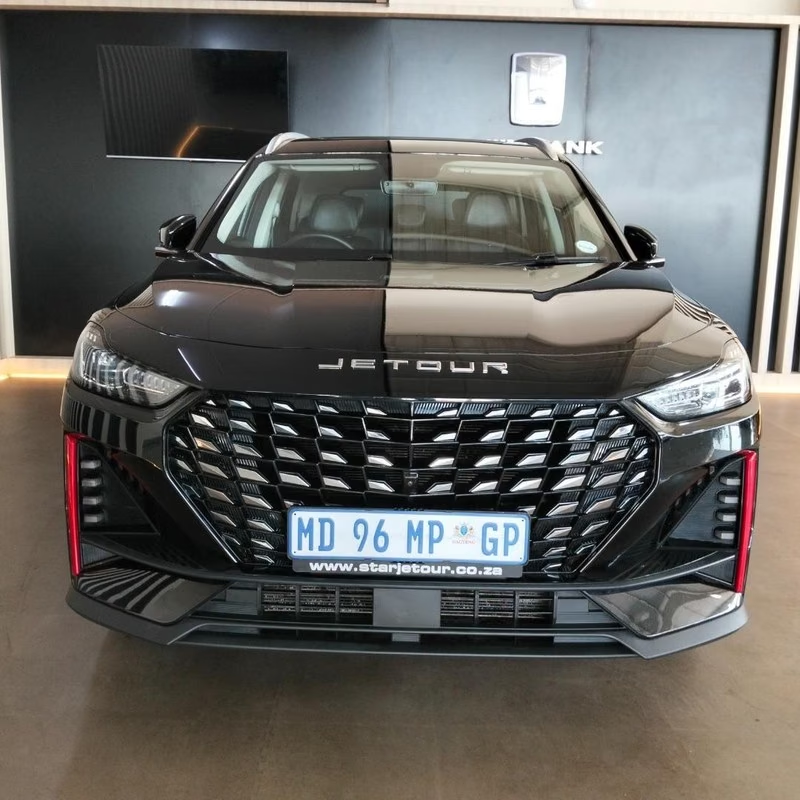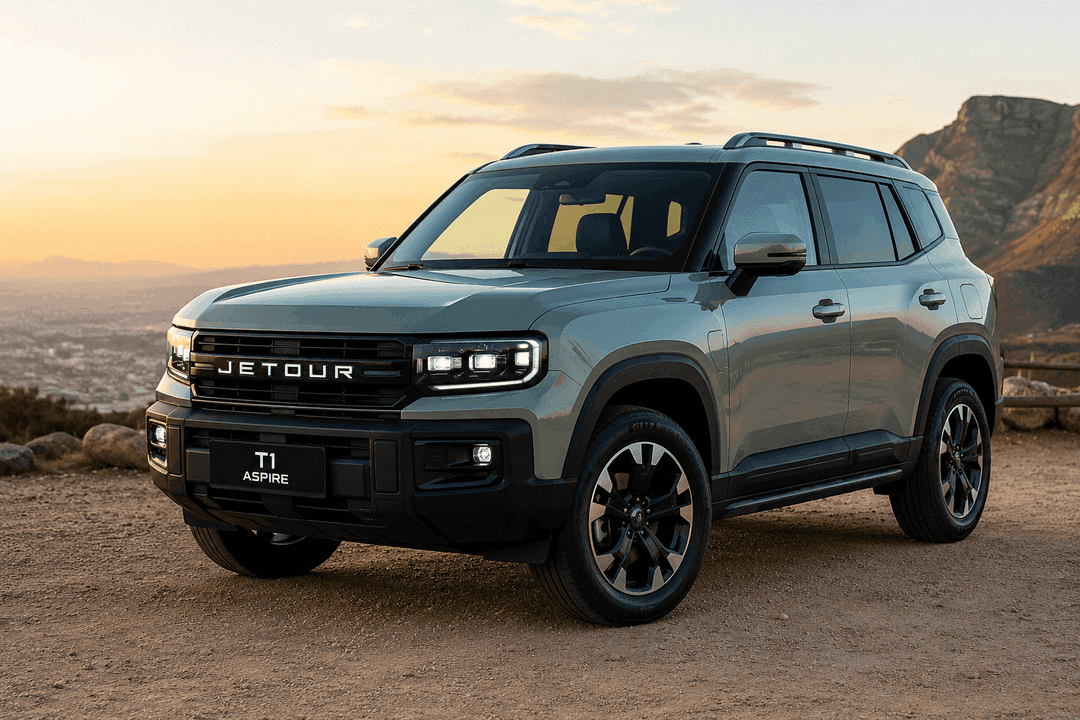
Jetour T2 vs GWM Tank 300: Which Will Be Worth More Used?

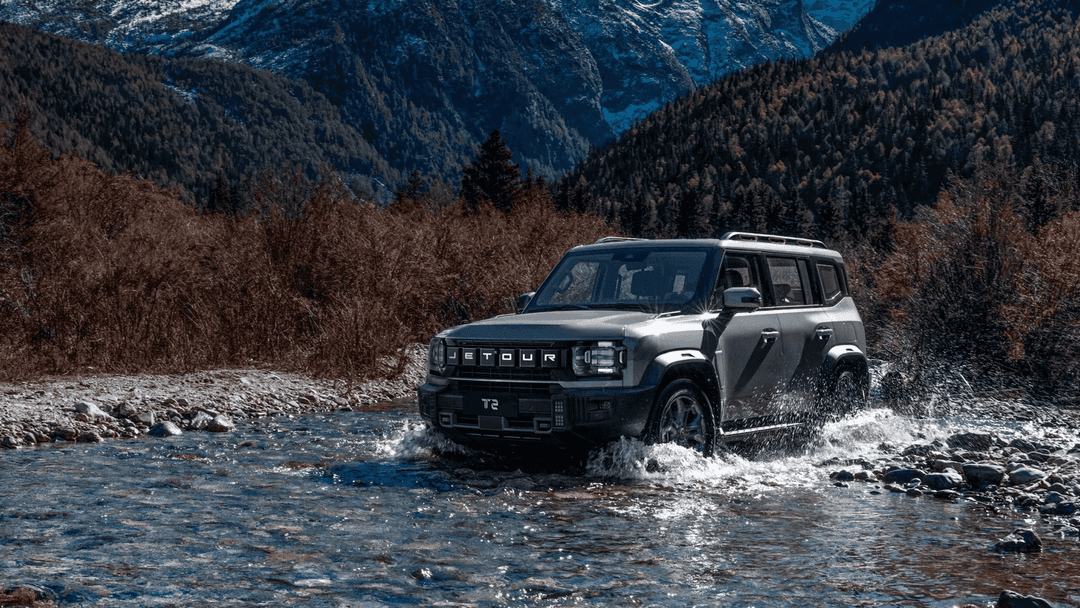
Choose the Jetour T2 for urban, suburban and light-gravel driving, especially if showroom appeal matters.
Jetour T2 vs GWM Tank 300: Which Will Be Worth More Used?
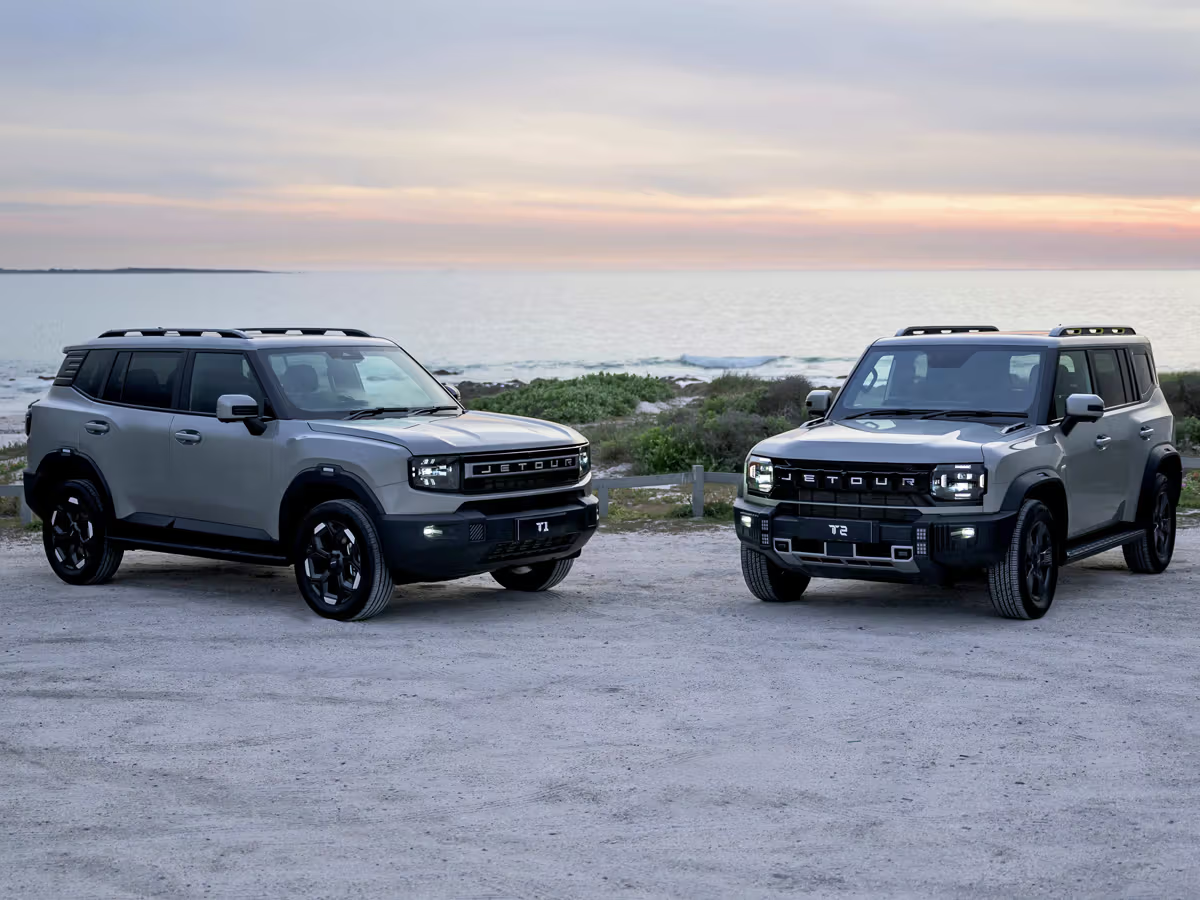
Direct verdict: If you tow, tour or spend proper time on gravel, the GWM Tank 300 is the safer bet for protecting your money, thanks to its proven diesel workhorse credentials and longer resale record. For school runs and weekend adventures, the Jetour T2, freshly crowned South Africa’s Car of the Year, makes a stronger case with its keener pricing and newer feel.
So, this is the R570,000-to-R930,000 boxy Chinese SUV battle, based on live listings rather than showroom hype. The Jetour T2 vs Tank 300 argument isn’t only about torque and off-road ability, either. It’s also about depreciation. Anyone searching “Jetour T2 price South Africa” has probably spotted the tension: one is the new hero, while the other already has three years of used-market history behind it.
The verdict: which should you buy?
Choose the Jetour T2 if most of your driving is urban, suburban or light gravel, particularly if you like the idea of arriving in something fresh and eye-catching. It won Jetour T2 Car of the Year 2026, becoming the first Chinese vehicle to take the title, and that recognition should help its appeal. Its thirstier petrol engine and limited payload, however, remain compromises.
Choose the GWM Tank 300 if you tow up to 3,000kg, cover long distances where diesel makes sense or genuinely need a body-on-frame 4x4 for places like the Karoo and Sani Pass.
Ultimately, three things matter: fuel and running costs, the depth of the used market and whether you actually need the Tank’s extra capability or simply like the look of it.
Best for T2: urban families wanting something fresh and good value.
Best for Tank 300: owners who tow, tour and plan to keep their SUV for the long haul.
Quick verdict table
| Category | Winner | Why |
|---|---|---|
| Best overall | GWM Tank 300 | Proven diesel capability and settled resale |
| Best driving experience | Jetour T2 | Lighter monocoque, easier around town |
| Lowest fuel costs | GWM Tank 300 | Diesel 7.7 l/100km beats petrol 9.3 |
| Best interior quality | Jetour T2 | Newer materials and cabin design |
| Strongest reliability | GWM Tank 300 | Longer local track record |
| Highest resale value | GWM Tank 300 | Deeper used demand, ladder-frame appeal |
| Lowest total running costs | GWM Tank 300 | Diesel economy over distance |
| Best first car | Jetour T2 | Easier to place, cheaper entry |
| Best value for money | Jetour T2 | Lower entry price, COTY halo |
| Best for towing | GWM Tank 300 | 3,000 kg versus 1,600 kg |
Specifications
These columns cover the 2026 Jetour T2 (2.0T petrol AWD as tested) and the 2026 GWM Tank 300 2.4TD 4WD. Equipment varies by model year and trim, so confirm the exact vehicle with an authorised dealer.
| Specification | Jetour T2 (2026) | GWM Tank 300 (2026) | Winner |
|---|---|---|---|
| Engine | 1,998 cc turbo petrol | 2,370 cc turbo diesel | Tank (diesel torque) |
| Power | 180kW | 135kW | T2 (data known) |
| Torque (Nm) | 375Nm | 480 | Tank 300 |
| Gearbox | 7-speed dual-clutch | 9-speed automatic | Tank 300 |
| Fuel economy (combined l/100 km) | 9.3 (claimed) | 7.7 (claimed) | Tank 300 |
| Boot space (litres) | Quote required from dealer | Quote required from dealer | Tie (unconfirmed) |
| Warranty | Quote required from dealer | Quote required from dealer | Tie (confirm locally) |
| Seats | 5 | 5 | Tie |
Jetour’s line-up needs careful reading. Listings include a 1.5TD entry model, 2.0T petrol and i-DM PHEV flagship, and the badge on the tailgate will make a considerable difference to running costs.
Performance and driving experience
| Factor | Jetour T2 | GWM Tank 300 | Winner |
|---|---|---|---|
| Urban driving | Light, easy steering | Heavier, truck-like | T2 |
| Daily commuting | Comfortable ride | Firm but settled | T2 |
| Long-distance | Petrol thirst hurts | Diesel range king | Tank 300 |
| Overtaking | 180kW, 9.3s to 100 | Torque-rich, unrushed | T2 |
| Ride comfort | Monocoque compliance | Ladder-frame ruggedness | Draw |
| Steering feel | Numb but easy | Slow, deliberate | T2 |
| Engine refinement | Quieter petrol | Diesel clatter | T2 |
| Mixed driving | Best on tar | Best off it | Draw |
With 100 km/h arriving in 8.7 seconds, the T2 feels brisk joining the M1 at Highveld altitude. Its dual-clutch gearbox can pause at crawling speed, though, where the Tank’s 9-speed torque converter is calmer on steep driveways. I once watched the T2’s trip computer settle at 10.8 l/100km after 312 km of mixed running. Out on the R62 through the Little Karoo, the diesel Tank simply loafs.
Unique South African buying factors
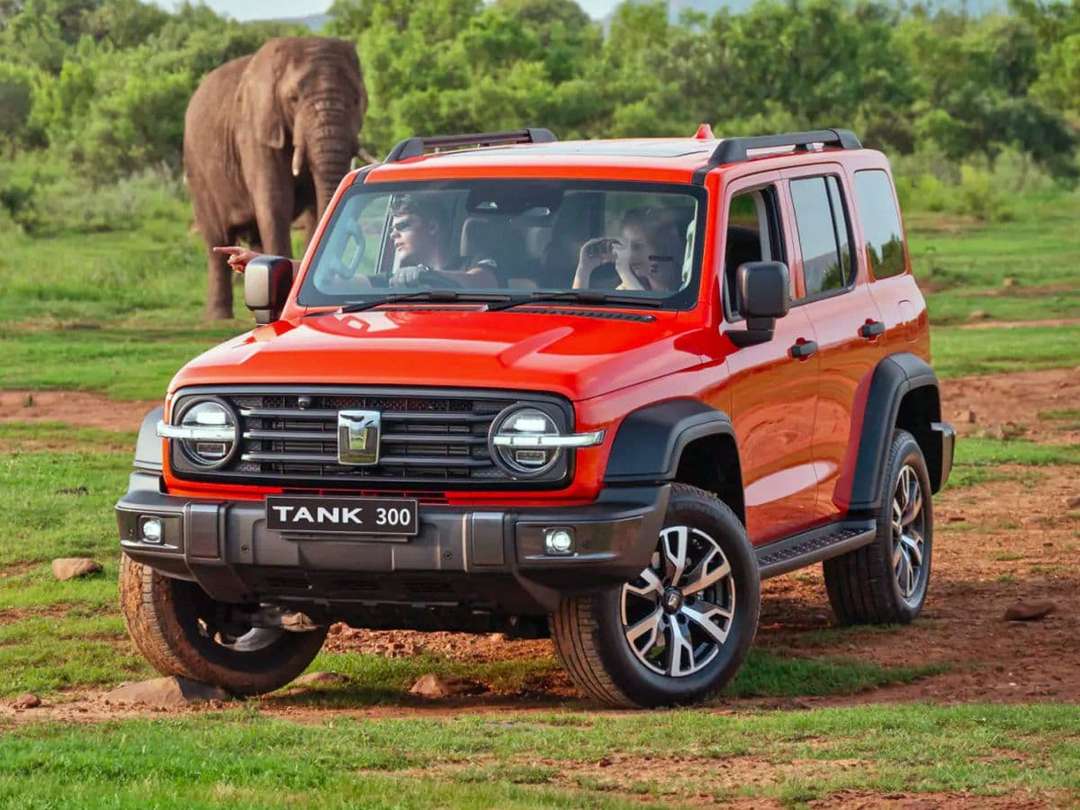
Here’s where this boxy-SUV contest is settled. Live prices, road conditions and actual ownership demands reveal far more than either brochure does.
Which survives potholes better?
Larger alloys and lower-profile tyres leave the T2 more exposed to rim damage on a broken section of the M1. With its ladder frame and taller sidewalls, the Tank absorbs ugly impacts with less drama. A damaged rim or tyre can cost thousands, subject to a fitment-centre quote. Winner: Tank 300.
Enough ground clearance?
Ground clearance measures 220 mm in the T2 and a slightly taller 224 mm in the Tank 300. Both handle speed humps, mall ramps and moderate gravel without dragging their bellies, while flooded roads should still be treated with caution. Winner: Tank 300 by a whisker.
Which is a bigger hijack target?
Long holiday trip ability?
After 500 km to Ballito, the diesel Tank’s range and easy torque should leave its driver less concerned about the next filling station. The T2’s turbocharged petrol engine copes well with altitude, but payload is the snag. Independent SA reporting indicates roughly 300 kg of usable T2 payload, meaning four occupants and roof gear can reach GVM surprisingly quickly. That creates potential warranty and insurance trouble.
Winner: Tank 300.
Battery and electrical resilience?
Both vehicles use conventional 12V starting systems and provide physical key backup. Jetour’s i-DM PHEV introduces a 26.7 kWh battery and claimed 139 km electric range, although load-shedding can make home charging awkward without backup power. The Tank’s mild-hybrid 1.8 kWh pack is far less demanding. PHEV replacement-battery pricing requires a dealer quote. Winner: Tank 300 for simplicity.
Tyre cost and availability?
Replacing the T2’s larger 19-inch alloys will generally cost more than fitting rubber to the Tank’s smaller wheels. Availability in smaller towns also tends to favour common sizes, something worth remembering before a long N3 holiday run. Confirm whether your chosen trim carries a full-size spare. Winner: Tank 300.
Real-world fuel economy?
Independent SA road-trip testing found the petrol T2 running well beyond its 9.3 l/100km claim in mixed conditions, with traffic pushing it into double figures. The diesel Tank’s 7.7 claim is more believable on an open national road. At a diesel pump price around R21 per litre (assumed, October 2025), that economy advantage adds up every month. Winner: Tank 300.
Gravel-road durability?
Corrugated Karoo district roads play to the Tank’s body-on-frame construction and underbody protection. Jetour’s T2 is a monocoque crossover tuned more for comfort than sustained rough-road loading. It’ll handle ordinary gravel, but repeated punishment is a different job. Winner: Tank 300.
Insurance and theft reality?
Premiums, excesses and repair costs depend on the owner and insurer. Jetour’s younger parts network could also extend repair times after a claim, particularly outside major centres. Get comparative quotes before signing anything. Winner: quote-dependent.
Parts availability beyond the cities?
GWM has an older, broader dealer footprint, including representation in towns such as Upington and Mthatha. Jetour’s expanding network remains younger, which brings some risk if a breakdown occurs far from Johannesburg, Durban or Cape Town. Winner: Tank 300.
The three deciding factors: diesel running costs over distance, resale depth from an established used market, and genuine working ability. All three favour the Tank for demanding ownership, while the T2 answers with price, freshness and showroom appeal.
Running costs
Diesel economy gives the Tank 300 a clear fuel victory, while its smaller wheels should also reduce replacement-tyre costs. Servicing and insurance require individual quotes from dealers and brokers. Both have a modelled five-year total ownership cost near R230,000 in the supplied data, but that figure cannot fully account for the T2’s payload restrictions or uncertain resale. Winner: GWM Tank 300 for predictable fuel and tyre savings.
Five-year ownership
Assumptions are 20,000 km per year, diesel around R21/litre and petrol around R23/litre (October 2025, unconfirmed live).
| Item | Jetour T2 | GWM Tank 300 |
|---|---|---|
| Fuel spend | Higher (petrol thirst) | Lower (diesel) |
| Maintenance | Quote required | Quote required |
| Repairs | Young network risk | Established support |
| Resale | Unproven, thin used stock | Settled used demand |
| Insurance | Quote required | Quote required |
| Overall cost | ~R230,000 (modelled) | ~R230,000 (modelled) |
Over five years, the Tank should cost less to fuel and shod, even before its more established resale position enters the calculation.
Hidden ownership costs
Windscreens, batteries, brake pads and tyres affect both vehicles, with prices requiring quotes. T2 concerns include long-term dual-clutch wear, eventual PHEV battery replacement on the i-DM and the cost of larger tyres. Tank owners need to watch diesel injector and turbo maintenance, especially where servicing has slipped. Replacement keys and ADAS recalibration after windscreen work also require quotes where applicable.
Repairability
| Factor | Jetour T2 | GWM Tank 300 |
|---|---|---|
| Parts availability | Young pipeline | Wider network |
| Independent workshop support | Limited | Growing |
| Repair simplicity | Complex DCT/PHEV | Conventional diesel |
| Long-term maintenance | Unproven | Better understood |
| Electronic complexity | High | Moderate |
Reliability timeline
| Mileage band | Jetour T2 | GWM Tank 300 |
|---|---|---|
| 0–20,000 km | Settle-in, minor niggles | Generally trouble-free |
| 20,000–50,000 km | Monitor DCT behaviour | Check service history |
| 50,000–100,000 km | Limited SA data, monitor | Diesel needs disciplined servicing |
| 100,000–150,000 km | Unknown, too new | Turbo/injector attention |
| 150,000 km plus | No SA track record yet | Depends on maintenance |
Long-term T2 evidence remains thin because the model is new. Treat confident high-mileage forecasts with the suspicion they deserve.
Real owner sentiment
Jetour T2: owners and shoppers praise its kerbside presence, fresh cabin and COTY credibility, but question payload and petrol consumption. GWM Tank 300: diesel torque and off-road equipment earn approval, while the firm ride and diesel clatter attract criticism. The pattern supports this verdict: the Tank is for owners who use the hardware, while the T2 better suits lifestyle buyers. Themes were drawn from public owner discussions, SA reviews and automotive communities. They show direction, not scientific proof.
Buyer regret index
| Regret theme | Jetour T2 | GWM Tank 300 |
|---|---|---|
| Bought entry-level trim | Common | Occasional |
| Wanted more performance | Rare | Occasional |
| Wanted more boot space | Payload frustration | Rare |
| Underestimated insurance | Possible | Possible |
| Expected lower fuel use | Common | Rare |
| Disliked gearbox feel | DCT low-speed lag | Rare |
| Worried about resale | Common (new brand) | Lower |
| Underestimated tyre costs | 19-inch penalty | Lower |
Boot reality test
| Item | Jetour T2 | GWM Tank 300 | Practical winner |
|---|---|---|---|
| Weekly groceries | Easy | Easy | Tie |
| Two cabin bags | Fine | Fine | Tie |
| Large suitcase | Fits | Fits | Tie |
| Pram | Fits | Fits | Tie |
| Cooler box | Payload limits load | Better with load | Tank 300 |
| Sports equipment | Adequate | Adequate | Tie |
| Weekend luggage for four | Watch GVM | Comfortable | Tank 300 |
Cabin and practicality
Jetour’s cabin looks newer, and its lower step makes daily school-run duty easier. Material quality is convincing at eye level, although harder plastics remain lower down. The Tank places its driver higher and more upright, helping visibility in tight basement parking. Rear space is competitive, but the T2 is friendlier for children and ISOFIX access. Better still, both retain useful physical controls instead of burying every basic function in the touchscreen.
Cabin noise
At idle, the petrol T2 is quieter than the diesel Tank. Wind noise builds around the T2’s squared mirrors at highway speed, while the Tank develops a stronger diesel drone under load. No independent decibel figures are supplied, so these remain directional impressions rather than laboratory findings. On long journeys, the Tank’s more settled gait partly compensates for its louder engine.
Technology
Both offer large touchscreens, Apple CarPlay, Android Auto, Bluetooth and reversing cameras on higher trims. Equipment depends heavily on grade, so check the exact T2 Xplora or Tank Super Luxury under consideration. Upper versions also bring digital clusters and wireless charging. Menus can feel overcomplicated in both, making the surviving physical controls particularly valuable. Test phone pairing, camera quality and connection stability before paying. OTA updates could correct smaller interface irritations later, but buyers shouldn’t purchase on promises.
Safety
Mainstream trims list ABS, stability control, multiple airbags and ISOFIX. Lane assistance, AEB and blind-spot monitoring vary by derivative, so inspect the specification sheet for the actual vehicle. No Global NCAP “Safer Cars for Africa” result is supplied for either 2026 variant, and inventing a star rating helps nobody. Confirm every listed system at the dealer and test whether its alerts can be adjusted without distracting menu-hunting.
Best trim to buy
| Vehicle | Recommended | Why |
|---|---|---|
| Jetour T2 | Mid-spec 2.0T is likely the better value choice | Balances price and kit; avoid over-paying for i-DM unless you can charge |
| GWM Tank 300 | 2.4TD Luxury or Super Luxury | Diesel is the running-cost heart of the range |
Compare current Jetour T2 and Tank 300 listings on Auto.co.za, then verify stock and specifications with the selling dealer.
Buying mistakes to avoid
- Choosing by monthly repayment alone and ignoring fuel, insurance and balloon-payment costs.
- Overlooking the T2’s payload limit, which could create trouble if the vehicle is overloaded.
- Paying extra for a PHEV when load-shedding or your parking arrangement prevents regular charging.
- Buying a used GWM Tank 300 for sale without an inspection, potentially missing neglected injectors or turbocharger maintenance.
- Underestimating the replacement cost of the T2’s 19-inch tyres.
- Failing to check service history, one of the biggest influences on diesel longevity.
- Ignoring resale evidence, where the Tank currently presents the firmer record.
Things nobody tells you
Jetour T2: the COTY victory has real showroom value, but thin used stock means its early resale performance remains uncertain. GWM Tank 300: used examples already cover roughly R499k to R900k, giving buyers genuine reference points and more room to negotiate than a mostly new-only model allows.
Do not buy if
Jetour T2: avoid it if you tow heavy loads, travel fully packed or insist on proven long-term reliability data right now. GWM Tank 300: skip it if quiet urban refinement and the lowest entry price matter more than towing and rough-road ability.
Decision matrix
| If your priority is | Buy | Reason |
|---|---|---|
| Lowest fuel costs | Tank 300 | Diesel 7.7 l/100km |
| Best driving experience | Jetour T2 | Lighter, easier urban feel |
| Better boot/load use | Tank 300 | Higher payload |
| Lowest ownership costs | Tank 300 | Fuel and tyre savings |
| Premium interior | Jetour T2 | Newer cabin design |
| Proven reliability | Tank 300 | Longer local record |
| Long-distance comfort | Tank 300 | Diesel range and torque |
| Best overall value | Jetour T2 | Lower entry, COTY halo |
| Lowest insurance cost | Quote-dependent | Compare brokers |
| Best resale confidence | Tank 300 | Settled used market |
Final verdict
For anyone asking Jetour T2 vs GWM Tank 300 which is better as a money-protection question, my answer is the GWM Tank 300. Its diesel economy, ladder-frame construction and established Tank 300 resale value South Africa give it the stronger three-year track record. The T2’s real-world Jetour T2 fuel consumption and limited payload only widen that gap for owners who tow or regularly travel fully loaded.
That doesn’t take anything away from the Jetour, though. It deserved its Car of the Year recognition and makes more sense for urban and suburban families wanting a fresher cabin, easier road manners and a lower entry price. Just be realistic about its payload and make sure the i-DM version fits your charging routine.
Best for T2: school runs and weekend lifestyle driving.
Best for Tank 300: trail and towing owners planning to keep their vehicles long-term.
Compare both on Auto.co.za, browse nationwide dealer listings and contact sellers directly at no cost.
Summary
Choose the Jetour T2 for urban, suburban and light-gravel driving, especially if showroom appeal matters. It won jetour t2 car of the year 2026, becoming the first Chinese vehicle ever to do so, and that recognition should help early demand. Petrol thirst and limited payload remain its weak points. Choose the GWM Tank 300 if you tow up to 3,000 kg, cover long diesel-friendly distances or need a body-on-frame chassis for Karoo gravel and Sani Pass.