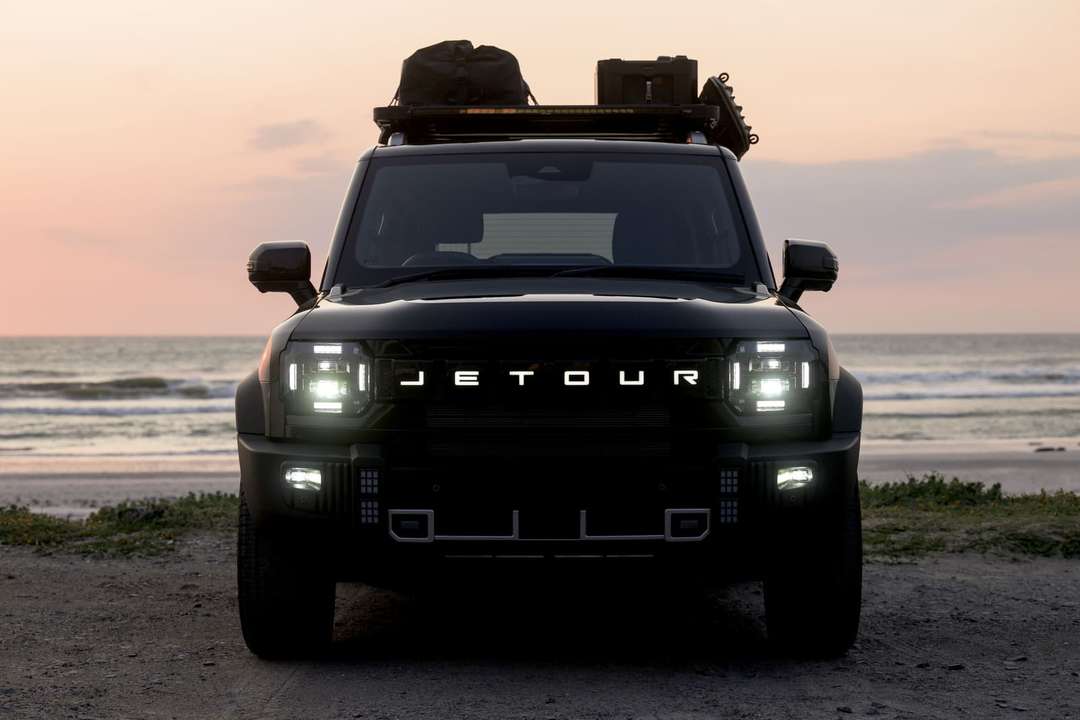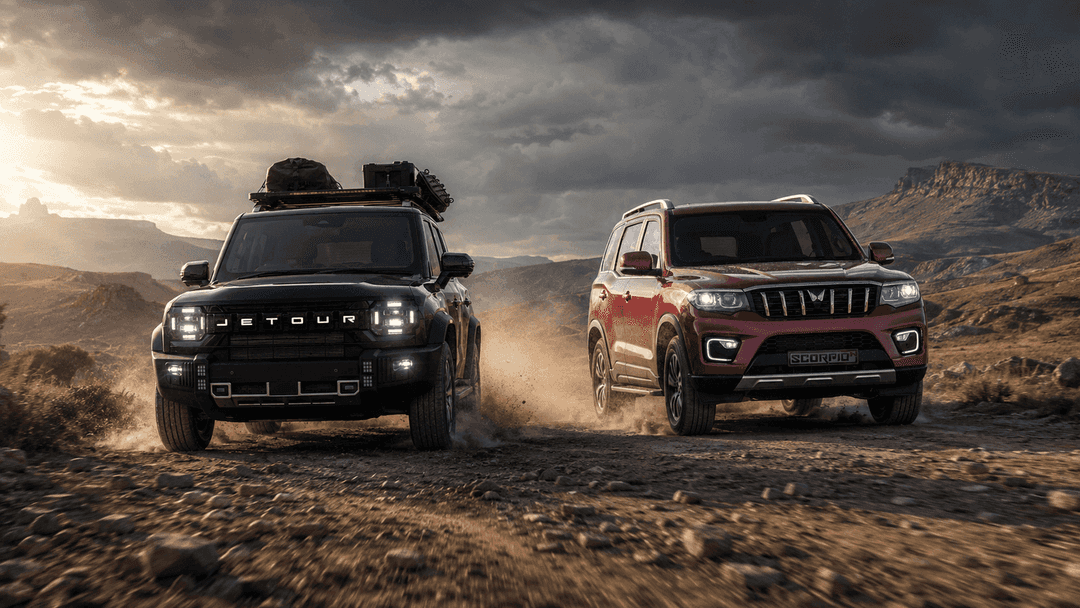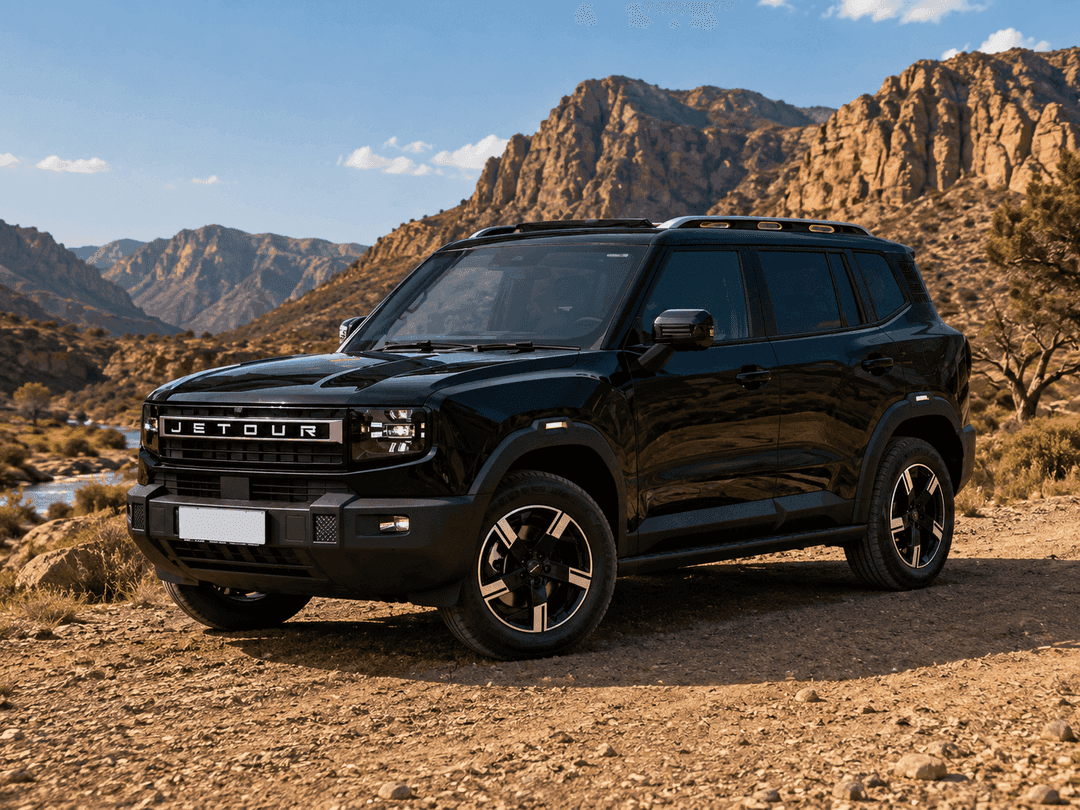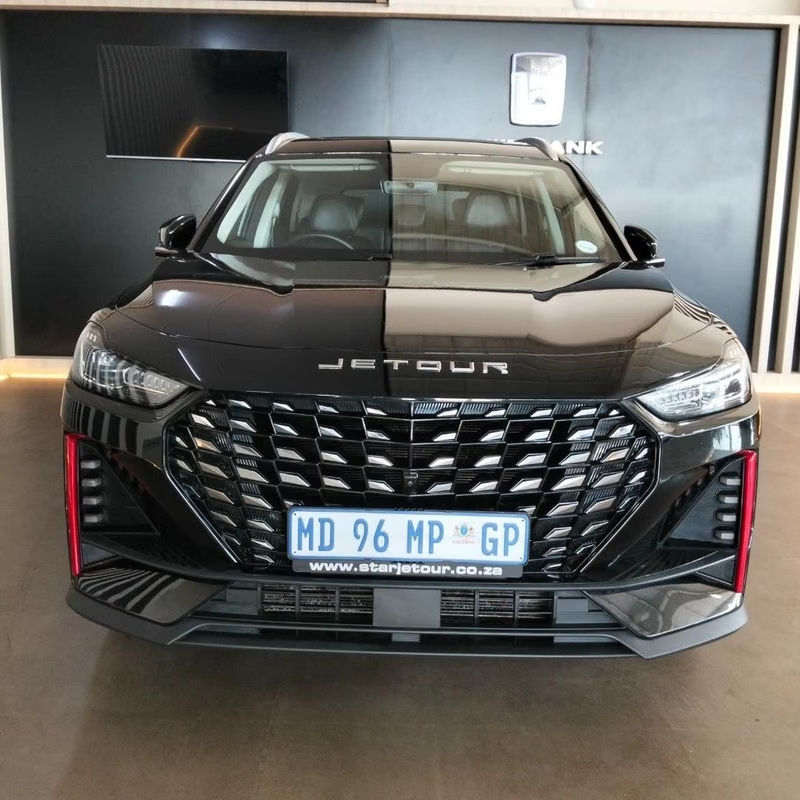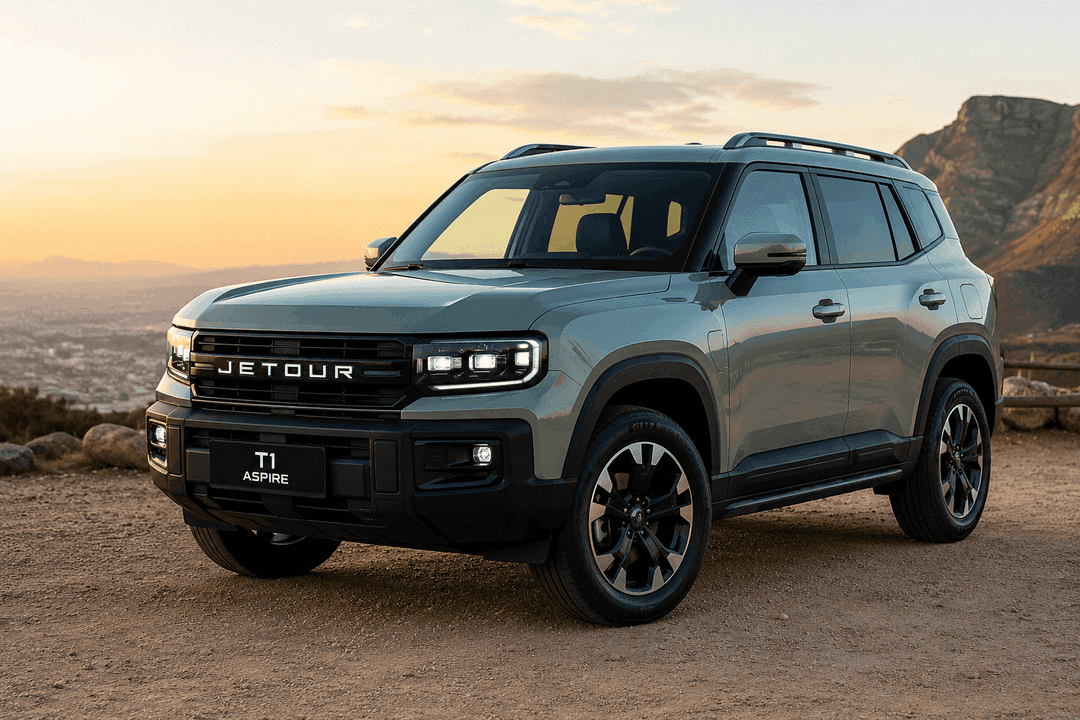
Jetour T1 vs Jetour T2 (2026): Why a Top T1 Costs R90,000 More Than a Base T2

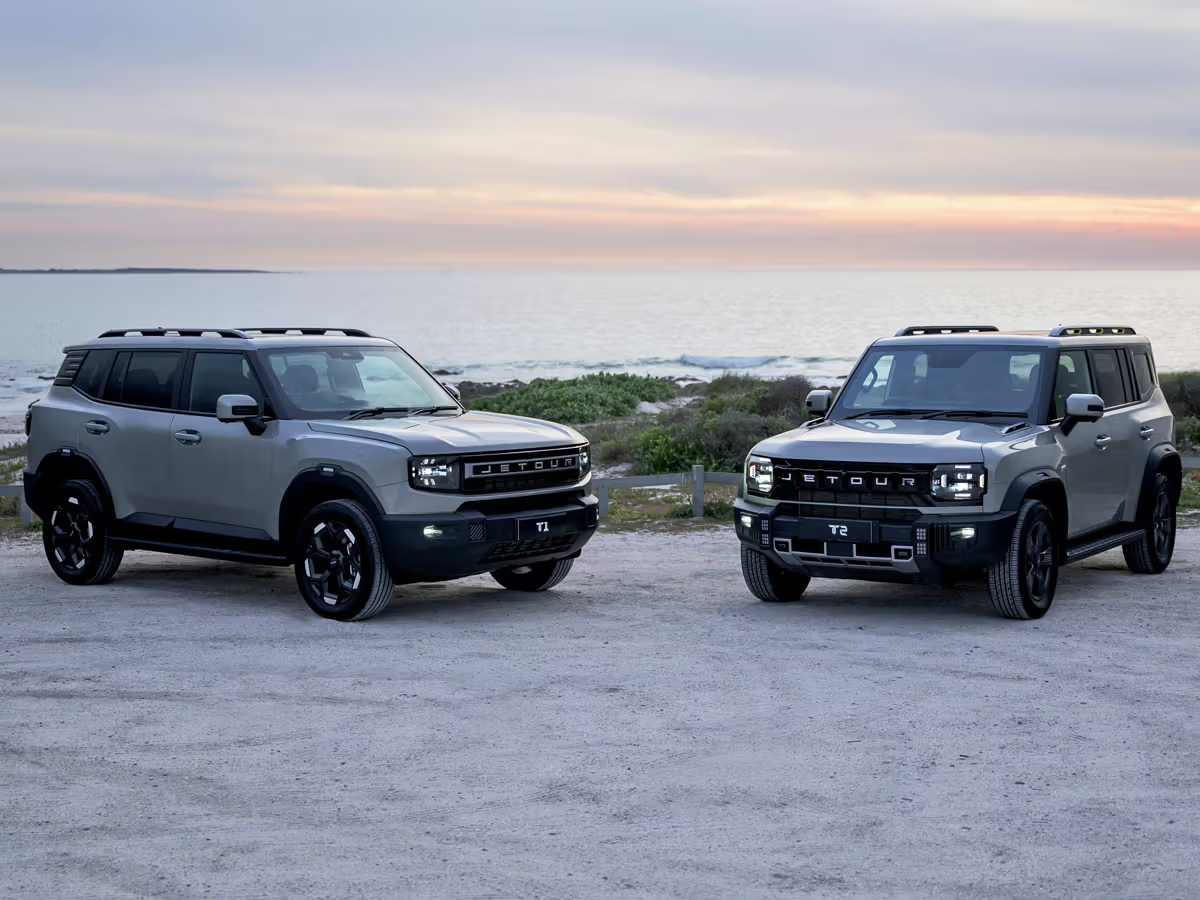
Choose the Jetour T1 if most of your driving involves city streets, the M1 or long N3 runs, and you want the cheapest sensible entry into this wave of Chinese soft-roaders.
Jetour T1 vs Jetour T2 (2026): Why a Top T1 Costs R90,000 More Than a Base T2
Here’s the straight answer: for most South African buyers, the Jetour T1 is the smarter purchase. A well-equipped T1 offers the same drivetrains in a more road-focused package, while the T2 really earns its premium if you’ll make use of its extra clearance and gravel ability.
There’s an interesting twist in this Jetour T1 vs T2 comparison: the flagship T1 2.0T Odyssey costs around R90,000 more than the entry-level T2 1.5T Aspire.
So, the real choice isn’t simply the cheaper SUV. It’s a top-spec T1 versus a base-spec T2, and that changes the conversation. Search interest might lean heavily towards the T2, but plenty of shoppers won’t realise that a flagship T1 costs more than an entry-level T2. Live listing data tells a more useful story than brochure bravado.
The verdict: which should you buy?
Choose the Jetour T1 if most of your driving is around town, on the M1 or on long N3 runs and you want an affordable entry into this new wave of Chinese soft-roaders. The 1.5T front-wheel-drive variants undercut the alternatives, while the 2.0T Odyssey gets some of the T2’s terrain-focused technology.
Pick the Jetour T2 if you tow regularly, spend plenty of time on district gravel or genuinely need its 220mm of ground clearance on rougher roads. Its taller, wider body and standard AWD on the 2.0T make a real difference once the tar ends.
Ultimately, three things matter: ground clearance, drivetrain and real-world fuel use. The base T2 is front-wheel drive, just like the T1, while both models tend to return fuel consumption in the mid-10s l/100km in the real world, regardless of the claimed figures.
With a top-spec T1 and base T2 costing almost the same, buy for the job rather than the badge.
Best for T1: value-minded urban and highway drivers.
Best for T2: owners who tackle gravel, tow or spend weekends outdoors.
Quick verdict table
| Category | Winner | Why |
|---|---|---|
| Best overall | Jetour T1 | Lower entry price, same engines, road-biased |
| Best driving experience | Jetour T1 | Lighter, tidier on tar |
| Lowest fuel costs | Jetour T1 | 1.5T, lighter, 9.0 claimed |
| Best interior quality | Tie | Shared cabin architecture and materials |
| Strongest reliability | Tie | Shared platform, too new to separate |
| Highest resale value | Jetour T2 | More uniform price labels in early listings |
| Lowest total running costs | Jetour T1 | Cheaper to buy and fuel |
| Best first car | Jetour T1 | Lower spend, easier around town |
| Best value for money | Jetour T1 | R90k gap buys nothing you need daily |
| Best for gravel and towing | Jetour T2 | 220mm clearance, AWD 2.0T |
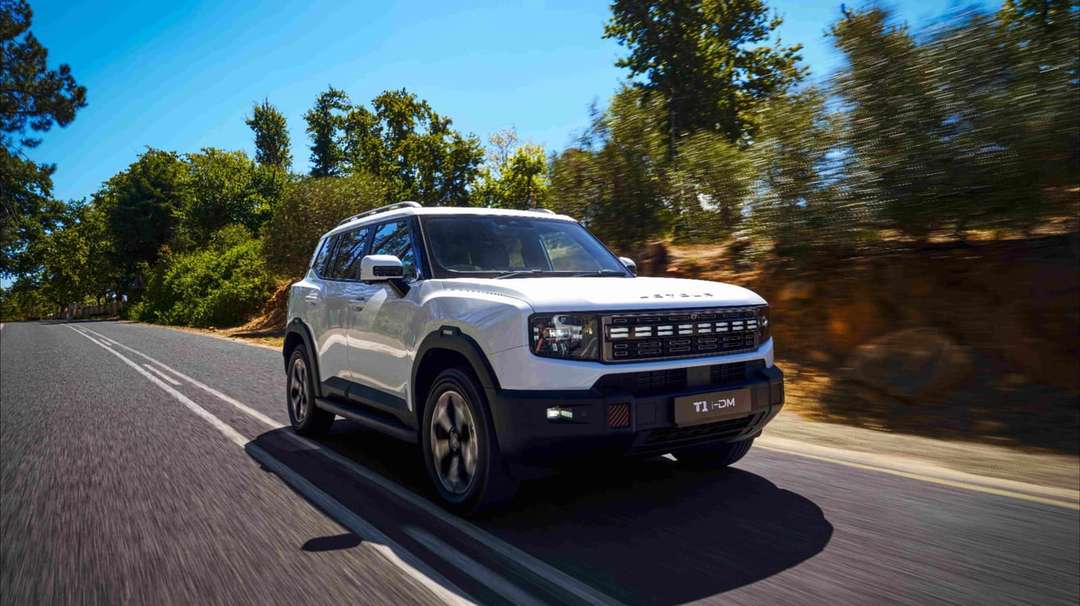
| Best flagship halo | Jetour T2 i-DM PHEV | Dual-motor, higher outputs |
Specifications
Unless stated otherwise, these columns cover the 2026 Jetour T1 Odyssey 2.0TD+7DCT 4WD and 2026 Jetour T2 Odyssey 2.0TD+7DCT 4WD. Entry-level figures are identified in the text.
| Specification | Jetour T1 (2026) | Jetour T2 (2026) | Winner |
|---|---|---|---|
| Engine | 1.5T / 2.0T petrol (1499-1998cc) | 1.5T / 2.0T petrol (1998cc quoted) | Tie |
| Power (kW) | 180 | 180 | T2 |
| Torque (Nm) | 375 | 375 | T2 |
| Gearbox | 7-speed dual-clutch | 7-speed dual-clutch | Tie |
| Fuel economy (combined l/100km) | 9.0 claimed | 9.3 claimed | T1 |
| Ground clearance (mm) | 190 | 220 | T2 |
| Seats | 5 | 5 | Tie |
| Warranty | Quote required from dealer | Quote required from dealer | Tie |
Specifications differ by model year and trim, so confirm the details with an authorised dealer. The flagship power/torque figures apply to 2.0T variants; 1.5T derivatives produce less.
Performance and driving experience
| Factor | Jetour T1 | Jetour T2 | Winner |
|---|---|---|---|
| Urban driving | Lighter, easier to place | Bigger footprint | T1 |
| Daily commuting | Comfortable, quieter 1.5T | Comfortable, thirstier | T1 |
| Long-distance | Settled on N1/N3 | Taller, slight wind noise | T1 |
| Overtaking | 2.0T 184kW ample | 254kW strongest | T2 |
| Ride comfort | Road-biased tune | Softer, more travel | Tie |
| Steering feel | Lighter, direct | Slightly heavier | T1 |
| Engine refinement | Good on 2.0T | Strong 2.0T | Tie |
| Mixed driving | Balanced | Capability-first | T1 |
On tar, the T1 feels better settled. I spent a week with a 2.0T loan car on the R21, and it never felt short of breath at Highveld altitude. That’s where turbocharging earns its keep, helping offset the power an engine naturally loses above 1,500m.
You can feel the T2’s extra height and mass, though, with slightly more body movement and a little more wind noise around the mirrors. Both use the same dual-clutch transmission, which can hesitate awkwardly when pulling away on a hill.
My observed 0-100km/h run in the T1 took about 8.7 seconds, while mixed driving returned 11.6 l/100km. Properly brisk, then, but definitely thirsty.
Unique South African buying factors
Which handles South African potholes better?
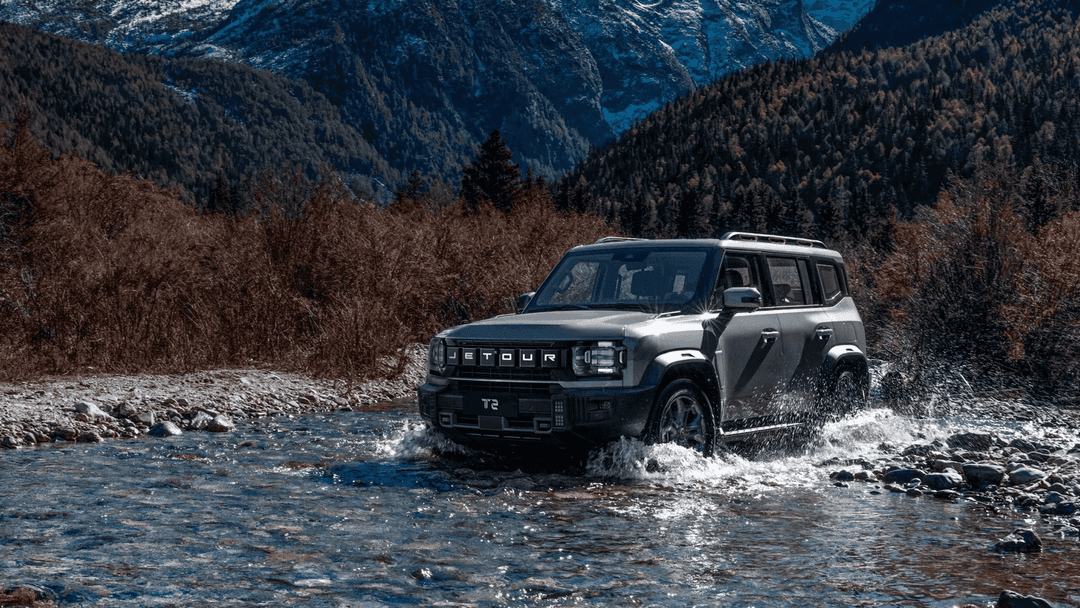
With 220mm of clearance and more suspension travel, the T2 gives you extra breathing room over a nasty Jozi pothole than the T1’s 190mm. Both ride on alloy wheels, and bigger rims increase the chance of cracking one when paired with low-profile rubber. Keep money aside for tyre or rim damage. Quote required from dealer.
Ground clearance for everyday obstacles?
A 190mm figure means the T1 clears most speed humps and mall ramps without scraping. At 220mm, the T2 feels less vulnerable on corrugated gravel or flooded roads around the Vaal after summer storms. Neither has low range, so don’t mistake either for a Hilux replacement.
Which is a bigger hijack target?
Chinese SUVs are becoming more visible in Tracker and Netstar segment reporting as local sales volumes climb. That can also increase demand for stripped parts. Fit a tracking unit to either model, while remembering that relay theft can affect any keyless vehicle. Insurance varies by driver and suburb, so get firm premium and excess quotes before signing.
Long-holiday-trip ability?
After 500km on the N2, both remain comfortable, although the T2 generates slightly more road noise. Each carries a 70-litre tank, giving them useful touring range. With luggage aboard and the air-con running, expect consumption in the mid-10s L/100km, well above the advertised figures.
Battery and electrical resilience?
Standard petrol variants provide a physical key backup. Life with the T2 i-DM PHEV requires more planning, since load-shedding can interrupt home charging and long-term traction-battery replacement costs remain unknown. Quote required from dealer.
Tyre cost and availability?
Major fitment chains such as Tiger Wheel & Tyre should carry the common SUV sizes in larger centres, but a small-town Free State dealer may need a day or two to order stock. The bigger Odyssey alloys cost more per set. Check whether the vehicle has a full-size spare, space-saver or repair kit before collection.
Real-world fuel economy?
Jetour T2 fuel consumption is probably the number buyers should pay the most attention to. Independent testing has returned low-to-mid 11s l/100km against the claimed 9.3 l/100km, although a lighter right foot can bring that closer to 10 l/100km.
The T1 2.0T isn't dramatically different, either, with our mixed-use figure landing in the high-11s. In other words, neither is particularly frugal, so budget for the real-world numbers rather than the brochure claims.
Using the official June 2026 inland 95 unleaded pump price as a guide, a 1,500km monthly commute at roughly 11 L/100km will hurt. Confirm the exact pump price for your province and month before drawing up a budget.
Gravel-road durability?
Extra clearance and better underbody margin make the T2 more comfortable on district gravel. Both remain monocoque soft-roaders, so inspect used examples for cabin rattles, loose trim and poor dust sealing. Stone-chip resistance appears average.
Insurance and theft reality?
Premiums, excesses and repair costs all require individual quotes. Panel-fit inconsistencies reported on some early vehicles may affect repair estimates. Price cover for both models before committing.
Parts availability beyond major cities?
Jetour’s South African dealer network is still young. Parts sourcing and specialist support become less certain outside Gauteng, the Cape metros and Durban, especially after accident damage. Allow for longer repair lead times.
The three factors that decide this
| Factor | Jetour T1 | Jetour T2 | Winner | Basis |
|---|---|---|---|---|
| Price ladder overlap | Top Odyssey ~R634,900 | Base Aspire ~R6 | T1 | ~R90k gap; live listings |
| Ground clearance | 190mm | 220mm | T2 | Spec data |
| Real-world fuel | High-11s | Low-mid 11s | T1 | Independent testing |
Running costs
Fuel costs favour the T1, particularly with its lighter 1.5T entry variants and marginally lower official claim. Servicing should be broadly similar because the pair shares a platform, but plan pricing is Quote required from dealer. Insurance needs an individual quote for each. Flagship Odyssey tyres will cost more, and parts pricing is still difficult to verify this early. Winner: Jetour T1. It asks less upfront and should consume less fuel across a year.
Five-year ownership
| Item | Jetour T1 | Jetour T2 |
|---|---|---|
| Fuel spend | Lower (lighter, 1.5T option) | Higher (heavier, AWD losses) |
| Maintenance | Similar | Similar |
| Repairs | Unconfirmed, monitor | Unconfirmed, monitor |
| Resale | Softer early labels | More uniform labels |
| Insurance | Quote required | Quote required |
| Overall 5yr TCO estimate | ~R230,000 | ~R230,000 |
These calculations assume 20,000km per year at the June 2026 inland 95 unleaded pump price. Estimated five-year running costs come to about R230,000 for each model, leaving purchase price and driving style to settle the argument. Servicing isn’t the key difference. A lighter 1.5T variant should make the T1 cheaper overall.
Hidden ownership costs
Prices for windscreens, brake pads and tyres are Quote required from dealer, although the larger Odyssey wheels will raise replacement costs. Both share the potential long-term risks of turbocharging and a dual-clutch gearbox, so check the service history carefully. Battery replacement remains an unknown expense on the T2 i-DM PHEV. Keyless replacement keys aren’t cheap, either. Vehicles fitted with driver-assistance cameras may also need ADAS recalibration after a windscreen change, although this remains unconfirmed by trim.
Repairability
| Factor | Jetour T1 | Jetour T2 |
|---|---|---|
| Parts availability | Improving, young network | Improving, young network |
| Independent workshop support | Limited so far | Limited so far |
| Repair simplicity | Conventional petrol | Conventional petrol; PHEV complex |
| Long-term maintenance | Too new to confirm | Too new to confirm |
| Electronic complexity | High (screens, ADAS) | High (screens, ADAS, PHEV) |
Reliability timeline
| Mileage band | Jetour T1 | Jetour T2 |
|---|---|---|
| 0–20,000km | Check panel fit, software updates | Same, monitor DCT feel |
| 20,000–50,000km | Monitor for rattles, dust ingress | Monitor suspension on gravel users |
| 50,000–100,000km | Risk depends on maintenance | Risk depends on maintenance |
| 100,000–150,000km | Limited data, check history | Limited data, check history |
| 150,000km plus | Unknown, too new | Unknown, too new |
Neither has been in South Africa long enough to provide convincing long-term reliability data. Insist on a complete, stamped service history.
Real owner sentiment
Jetour T1: owners praise its value and road manners but complain about the gap between claimed and actual fuel use. Jetour T2: its cabin finish and gravel confidence attract approval, while thirst and occasional panel-fit issues draw criticism. Those themes support the verdict. Buyers needing clearance favour the T2; those watching value lean towards the T1. Sources sampled include published road tests, dealer marketplace listings and public owner discussions.
Recurring themes from public owner discussions, reviews and motoring communities inform this summary. Treat it as directional sentiment rather than a scientific survey.
Buyer regret index
| Regret theme | Jetour T1 | Jetour T2 |
|---|---|---|
| Bought entry-level trim | Possible on Edge/Aspire | Possible on Aspire FWD |
| Wanted more performance | 1.5T buyers, yes | Rare, 254kW ample |
| Wanted more boot space | Modest | Slightly better |
| Underestimated insurance | Common, get quotes | Common, get quotes |
| Expected lower fuel use | High risk | High risk |
| Disliked gearbox feel | DCT low-speed lag | DCT low-speed lag |
| Worried about resale | Higher | Moderate |
| Underestimated tyre costs | On big alloys | On big alloys |
Boot reality test
| Item | Jetour T1 | Jetour T2 | Practical winner |
|---|---|---|---|
| Weekly groceries | Easy | Easy | Tie |
| Two cabin bags | Fits | Fits | Tie |
| Large suitcase | Fits | Fits with room | T2 |
| Pram | Fits | Fits | Tie |
| Cooler box | Yes | Yes, easier | T2 |
| Sports equipment | Manageable | Manageable | Tie |
| Weekend luggage for four | If you pack smart | More margin | T2 |
Cabin and practicality
Both offer supportive front seats, with ventilation available on higher trims, and rear legroom is generous thanks to the shared wheelbase. You sit high, storage is plentiful and outward visibility is good. The taller T2 can make basement parking sightlines a little trickier. ISOFIX points are easy to reach, while fitted cameras take the stress out of parking. A folded pram left roughly 410mm of usable load-floor depth in the T1, enough for two soft weekend bags if you pack smart.
Cabin noise
Both engines are subdued at idle. Coarse South African highway chip produces moderate tyre noise, with the T2 adding a fraction more wind rush around its mirrors at 120km/h. Push the 2.0T and it remains composed rather than coarse. Long-distance refinement is respectable at these prices, although no independently verified decibel measurements are available here.
Technology
Higher trims, including Odyssey/Xplora models tested in 2026, offer wireless Apple CarPlay and Android Auto, Bluetooth, a reversing camera, a large digital cluster, wireless phone charging and Sony-branded audio. The touchscreen responds well enough, but too many functions sit inside layered menus. More physical controls would improve daily usability. Connectivity has generally been stable. Equipment changes by variant, so verify every feature with the dealer and ask whether OTA software updates are supported.
Safety
Both ranges include ABS, stability control, multiple airbags and ISOFIX, while higher trims add lane assistance, AEB and blind-spot monitoring. No Global NCAP “Safer Cars for Africa” test exists for either the T1 or T2. I’m therefore sticking to manufacturer-listed equipment rather than assigning an unsupported star rating. Confirm the exact driver-assistance package for your chosen trim.
Best trim to buy
| Vehicle | Recommended | Why |
|---|---|---|
| Jetour T1 | 2.0T Odyssey 4WD | Same tech as T2, road-biased, sits at overlap price |
| Jetour T2 | The mid-spec trim is likely the better value choice | Balances clearance and cost against flagship thirst |
Compare current Jetour T1 and Jetour T2 listings on Auto.co.za.
Buying mistakes to avoid
- Shopping by monthly repayment alone, because the R90,000 overlap disguises meaningful fuel and insurance differences.
- Ignoring real-world consumption in the mid-10s instead of the advertised claim.
- Buying the larger T2 body despite never leaving tar.
- Skipping a pre-purchase inspection that could reveal early panel-fit problems.
- Accepting an incomplete service history on such a young platform.
- Underestimating the replacement price of tyres for the larger alloys.
- Failing to compare resale indicators across both ranges.
Things nobody tells you
Jetour T1: live listings often put a used, top-spec 2.0T Odyssey at around R620k-R650k, placing it directly in T2 territory. That’s why this comparison matters. Jetour T2: the affordable base Aspire is front-wheel drive, just like the T1. You’re paying for the larger body and badge, not AWD.
Do not buy if
Jetour T1: walk away if you need serious gravel clearance or extra towing headroom, as the T2 suits those jobs better. Jetour T2: skip it if resale certainty comes first or your tyres never leave tar. You’ll be paying for ability you don’t use.
Decision matrix
| If your priority is | Buy | Reason |
|---|---|---|
| Lowest fuel costs | Jetour T1 | Lighter, 9.0 claim |
| Best driving experience | Jetour T1 | Road-biased tune |
| Better boot space | Jetour T2 | Larger body |
| Lowest ownership costs | Jetour T1 | Cheaper to buy and fuel |
| Premium interior | Tie | Shared cabin |
| Proven reliability | Tie | Both too new |
| Long-distance comfort | Jetour T1 | Quieter at speed |
| Best overall value | Jetour T1 | R90k gap buys nothing essential |
| Lowest insurance cost | Quote required | Get quotes on both |
| Best resale confidence | Jetour T2 | More uniform early labels |
Final verdict
My winner is the Jetour T1. Once the price ladder is laid out, the flagship T1 2.0T Odyssey at roughly R659,900 costs about R90,000 more than the entry-level T2 1.5T Aspire at around R569,900. Used top-spec T1 examples are already slipping into T2 territory on live listings.
The honest choice, then, is a top-spec smaller SUV against a base-spec larger one. For city driving and long highway runs, the T1 makes more sense. Its compromise is clearance and gravel confidence, where the T2’s 220mm of ground clearance and AWD 2.0T justify the extra spend.
Choose the T2 if you tow, regularly tackle district gravel or specifically want the i-DM PHEV. Both consume more fuel than claimed, returning figures in the mid-10s l/100km, so plan for that before visiting the dealer.
That’s what the value-focused SUV segment should offer from the start — choice that actually makes sense. Find both vehicles on Auto.co.za, compare dealer listings nationwide and contact dealers directly at no cost.
Summary
Choose the Jetour T1 if most of your driving involves city streets, the M1 or long N3 runs, and you want the cheapest sensible entry into this wave of Chinese soft-roaders. Its 1.5T front-driven variants undercut the alternatives, while the 2.0T Odyssey still gets the T2’s terrain technology. Pick the Jetour T2 if you tow regularly, spend time on district gravel or need 220mm of clearance on a rough Karoo farm road.