Nissan Magnite vs Renault Kiger (2026): Which Is Cheaper Used?

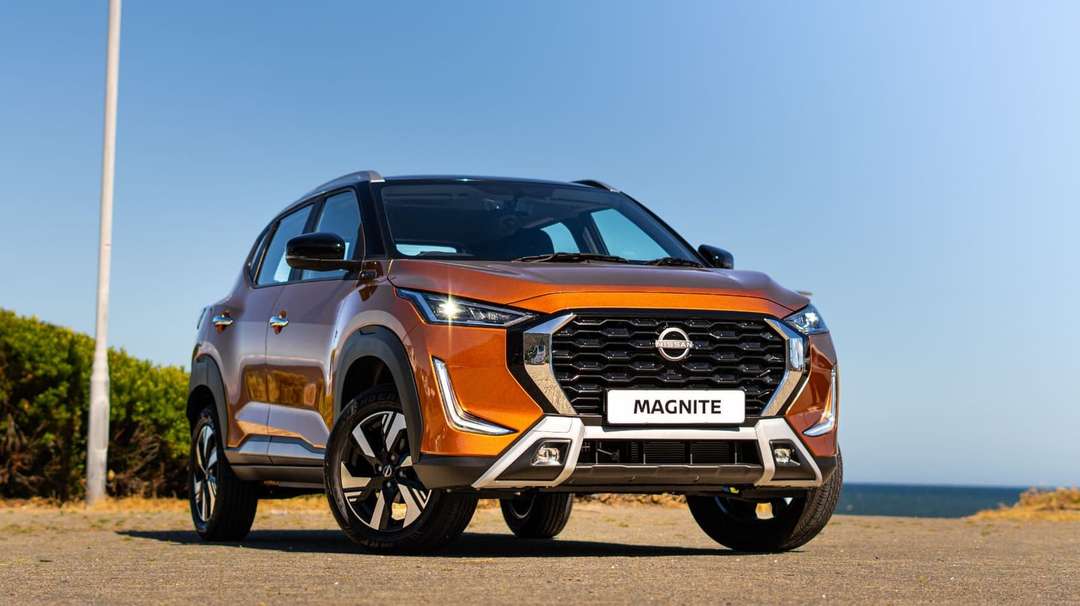
Nissan’s Magnite is the safer long-term purchase, while the Renault Kiger is the keener used bargain.
Nissan Magnite or Renault Kiger (2026): Same Car Underneath, So Why Is One Cheaper Used?
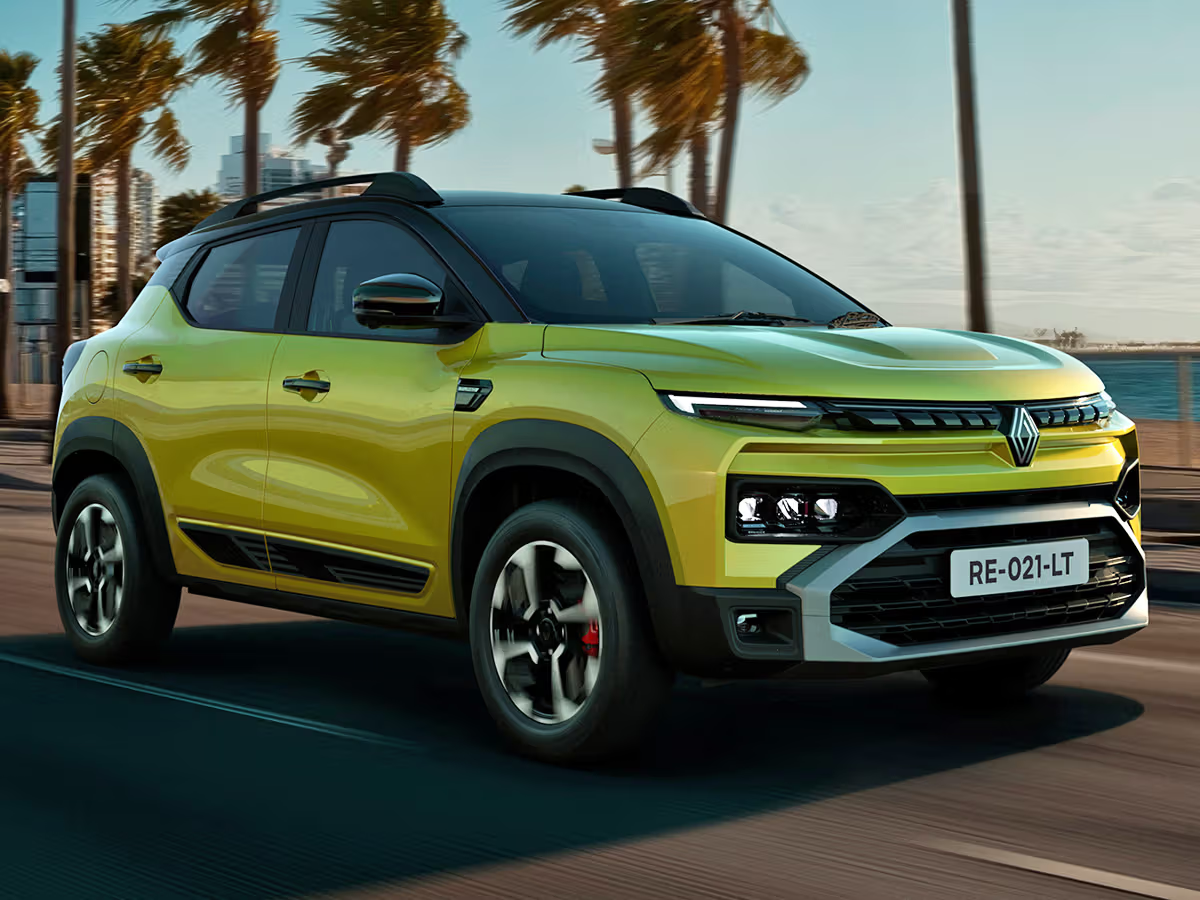
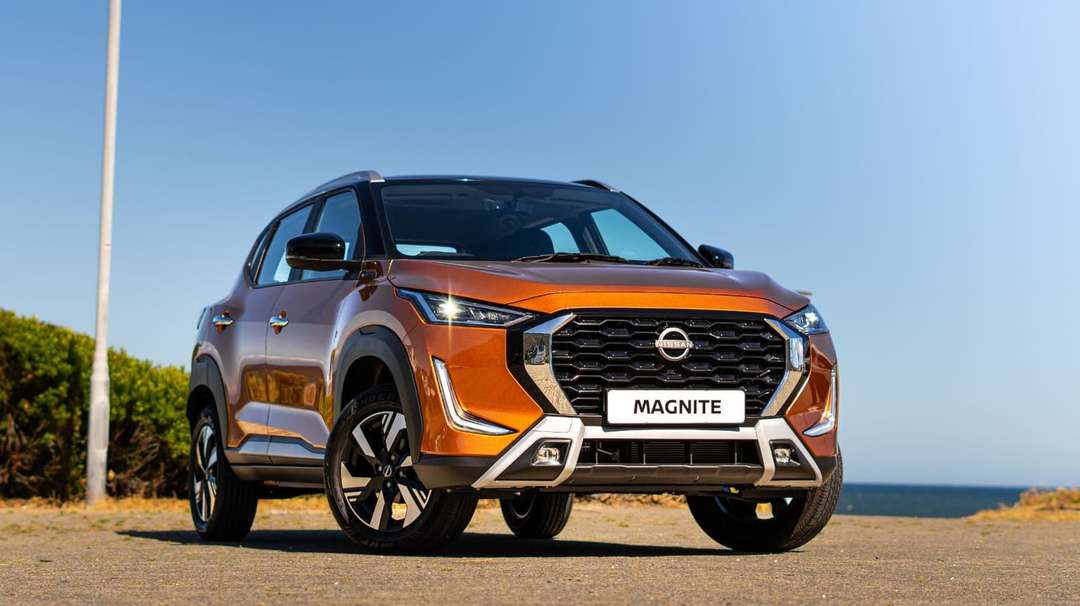
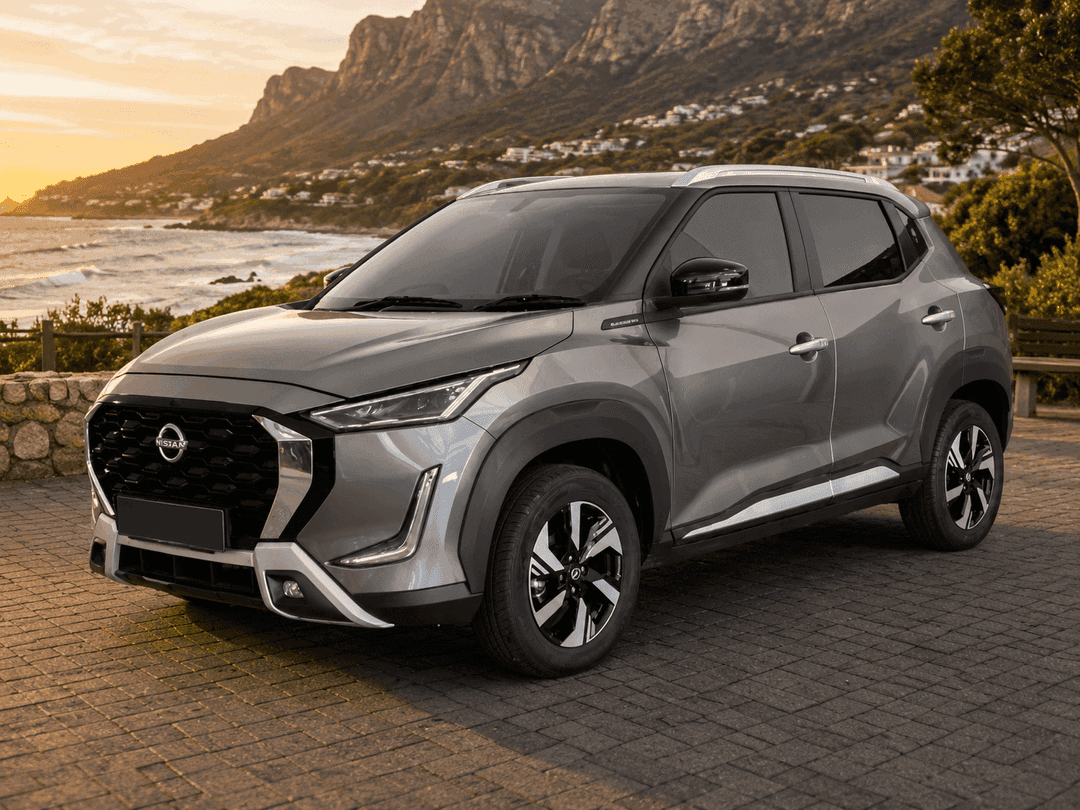
Buy the Renault Kiger if a lower used price and better claimed fuel economy matter most. Choose the Nissan Magnite for its longer warranty and stronger resale prospects. That’s the blunt answer to the Nissan Magnite vs Renault Kiger debate, especially because these two compact crossovers are mechanical twins: they share the CMF-A+ platform, are built at the same Indian plant, use the same 999cc engine and offer 205mm of ground clearance.
The real differences come down to badge appeal, boot space, warranty cover and long-term ownership costs. For South Africans shopping at the affordable end of the crossover market, it’s that money-over-time equation — rather than the spec-sheet similarities — that should ultimately decide which one makes more sense.
The verdict: which should you buy?
The Nissan Magnite is the safer long-term purchase, while the Renault Kiger is the sharper used bargain. So, Magnite vs Kiger, which is better? It comes down to whether warranty protection or purchase price matters more. The Magnite has a 6-year/150,000km warranty versus the Kiger’s 5-year cover, while listing data shows the Nissan maintaining a higher price floor across model years 2021 to 2026.
Used Kigers can be R20,000 to R25,000 cheaper than equivalent-year Magnites, while its claimed 5.3 l/100km fuel consumption edges the Nissan’s 5.6 l/100km. Both use the same 100kW turbo engine and offer identical ground clearance, so there’s little meaningful difference when tackling broken Gauteng roads. Look at the rands, remaining warranty and boot space before deciding.
Best for the Magnite: resale-conscious owners keeping their car for five years.
Best for the Kiger: bargain hunters chasing the lowest entry price.
Quick verdict table
| Category | Winner | Why |
|---|---|---|
| Best overall | Nissan Magnite | Longer warranty, firmer resale floor |
| Best driving experience | Tie | Identical platform and engine, no real gap |
| Lowest fuel costs | Renault Kiger | Claims 5.3 vs 5.6 l/100km |
| Best interior quality | Tie | Shared cabin hardware, same plastics |
| Strongest reliability | Tie | Same engine and CVT, same risks |
| Highest resale value | Nissan Magnite | Higher used floor every model year |
| Lowest total running costs | Renault Kiger | Cheaper entry, longer 15,000km service intervals |
| Best first car | Renault Kiger | Lowest used asking prices from R125,900 |
| Best value for money | Renault Kiger | Same car, less money used |
| Best warranty remainder on used buy | Nissan Magnite | Extra year of factory cover |
Specifications
Figures in both columns cover 2026 turbo derivatives, namely the Magnite 1.0T and Kiger 1.0T.
| Specification | Nissan Magnite (2026 1.0T) | Renault Kiger (2026 1.0T) | Winner |
|---|---|---|---|
| Engine | 999cc turbo petrol | 999cc turbo petrol | Tie |
| Power (kW) | 74kW | 74kW | Tie |
| Torque (Nm) | 152Nm | 152Nm | Tie |
| Gearbox | CVT (sample) | Manual/CVT | Tie |
| Fuel economy (combined) | 5.6 l/100km | 5.3 l/100km | Kiger |
| Boot space | Quote required from dealer | Quote required from dealer | Kiger (larger claimed) |
| Warranty | 6yr/150,000km | 5yr/150,000km | Magnite |
| Seats | 5 | 5 | Tie |
Specifications vary by model year and trim. Confirm the exact vehicle with an authorised dealer.
Performance and driving experience
Here’s what a salesperson may skirt around: the Nissan Magnite and Renault Kiger drive remarkably alike. Both produce 74kW and 152Nm, and both use a front-wheel-drive layout. In mixed Gauteng driving, I saw an indicated 7.1 l/100km, while an informal estimate put the turbo’s 0-100km/h time at around 13.4 seconds. It’s not rapid, but it’s more than adequate for everyday commuting, overtaking and the school run.
| Driving factor | Nissan Magnite | Renault Kiger | Winner |
|---|---|---|---|
| Urban driving | Light, easy | Light, easy | Tie |
| Daily commuting | Comfortable | Comfortable | Tie |
| Long-distance | Turbo helps at altitude | Turbo helps at altitude | Tie |
| Overtaking | Adequate on turbo | Adequate on turbo | Tie |
| Ride comfort | Soft-ish | Soft-ish | Tie |
| Engine refinement | Three-cylinder thrum | Three-cylinder thrum | Tie |
Naturally aspirated versions, with 53kW, feel breathless when fully loaded and climbing the N1 towards the Highveld. Turbo power recovers much of what altitude takes away, which matters because Gauteng sits above 1,500m. Regular highway users should hunt down turbo stock, regardless of badge.
Unique South African buying factors
Now Magnite vs Kiger, which is better? stops being a spec-sheet argument. With identical mechanical hardware, the real decision comes down to purchase price, warranty cover and used-market supply — three factors you can check before signing on the dotted line.
Which handles South African potholes better?
Neither wins here, and that’s worth noting. Both the Nissan Magnite and Renault Kiger offer 205mm of ground clearance, which is generous for the class and enough for abrupt speed humps, gravel shoulders and battered urban roads. They also share rim and tyre sizes, so a cracked alloy or damaged tyre should cost broadly the same to replace. Higher-spec versions bring larger wheels and lower-profile tyres, exposing both to the same pothole-related risk.
How much clearance for daily obstacles?
Each sits at 205mm. That’s enough for waterlogged Durban streets, gravel driveways and most poorly designed shopping-centre ramps without scraping. Call it even.
Which is the bigger hijack target?
Budget crossovers tend to be stolen for parts rather than glamour, according to broader Tracker and Netstar reporting. Neither badge stands out here. Factory tracking depends on trim, so check with the dealer, then obtain insurance quotes for both cars before committing.
Which is better for the long holiday trip?
Seats, cabin hardware and the 40-litre tank are shared. Kiger’s slightly larger claimed boot helps with four occupants’ luggage, if you pack smart. Beyond 500km, both cabins carry plenty of three-cylinder hum, while limited insulation remains a weakness of the common platform.
Battery and electrical resilience?
Conventional petrol power means there’s no hybrid battery to fret over, while a physical key backup is fitted where specified. Load-shedding won’t strand either car beside a dead charger. Ordinary 12V battery wear applies equally.
Tyre cost and availability?
Common sizes make replacements easy to source, including through chains such as Tiger Wheel & Tyre in smaller centres like Bethlehem or Upington. Flagship versions with larger alloys cost more to re-shoe. Spare-wheel equipment varies by trim, so confirm whether you’re getting a full-size spare or space-saver.
Real-world fuel economy?
The Renault Kiger claims 5.3 l/100km, while the Nissan Magnite claims 5.6 l/100km. For Renault Kiger vs Magnite fuel consumption, Renault therefore holds a narrow advantage on paper. Real-world urban driving will usually push both figures higher, however. At roughly R21.50/litre — an illustrative September 2025 pump price, so check the current rate — a 1,500km monthly commute would cost about R1,710 in the Kiger versus R1,806 in the Magnite. That R96 monthly saving is useful, but hardly enough on its own to decide between the two.
Gravel-road durability?
Underbody protection, stone-chip exposure and the likelihood of cabin rattles or dust ingress are much the same. Extended farm-road gravel won’t reveal a clear winner.
Insurance and theft reality?
Premiums and excesses depend on the driver, area and insurer. Affordable shared components may reduce repair costs for both. Request matching quotes.
Parts beyond the major cities?
Nissan and Renault both operate established South African dealer networks, with groups such as Motus representing the brands in several regions. Parts support beyond Cape Town or Pretoria should be manageable. Neither carries the risk of a thin, newly established network.
Three factors settle this contest: remaining warranty, used asking price and required boot space. Mechanically, it’s a draw.
| Factor | Nissan Magnite | Renault Kiger | Winner | Basis |
|---|---|---|---|---|
| Pothole survival | 205mm | 205mm | Tie | Identical clearance |
| Warranty remainder | 6yr | 5yr | Magnite | Extra year cover |
| Used price | Higher floor | Lower floor | Kiger | Listing data |
| Fuel economy | 5.6 | 5.3 | Kiger | Claimed combined |
| Resale hold | Firmer | Softer | Magnite | Price bands by year |
Running costs
Fuel favours Kiger on claimed consumption. Servicing needs closer attention: Magnite visits every 10,000km, while Kiger stretches that to every 15,000km, reducing workshop visits. Shared components keep tyre and parts pricing broadly aligned, and insurance remains quote-specific. Kiger wins overall through its lower entry price and longer service intervals, although Magnite’s extra warranty year carries genuine value.
Five-year ownership
Assumptions: 20,000km per year, with an illustrative fuel price of R21.50/litre (September 2025; confirm current).
| Item | Nissan Magnite | Renault Kiger |
|---|---|---|
| Fuel spend | Higher | Lower |
| Maintenance | More frequent visits | Fewer visits |
| Repairs | Longer warranty buffer | Shorter buffer |
| Resale (3yr est.) | R221,896 | R198,655 |
| Insurance | Quote required | Quote required |
| 5-year TCO (indicative) | R230,000 | R230,000 |
Total ownership cost lands surprisingly close. Kiger saves money upfront and at the pumps; Magnite earns some back through better resale. Nissan’s higher three-year residual, R221,896 against R198,655, is the strongest argument for owners worried about depreciation.
Hidden ownership costs
Windscreens, brake pads, batteries and tyres should cost much the same because so many parts are shared. Turbocharger risk applies equally to both 1.0T versions. Owners have raised CVT durability concerns around small Nissans and Renaults, making the Magnite’s extra warranty year particularly valuable on a used turbo-CVT. Ask a dealer for the exact replacement-key price.
Repairability
| Factor | Nissan Magnite | Renault Kiger |
|---|---|---|
| Parts availability | Good | Good |
| Independent workshop support | Growing | Growing |
| Repair simplicity | Straightforward | Straightforward |
| Long-term maintenance | 10,000km intervals | 15,000km intervals |
| Electronic complexity | Moderate | Moderate |
Reliability timeline
| Mileage band | What to monitor (both) |
|---|---|
| 0–20,000km | Bedding-in, check for cabin rattles |
| 20,000–50,000km | Monitor fuel-system behaviour, an owner-reported theme |
| 50,000–100,000km | CVT smoothness; check service history |
| 100,000–150,000km | Turbo condition; risk depends on maintenance |
| 150,000km plus | Limited SA long-term data; buy on history |
Real owner sentiment
Nissan Magnite. Owners most often praise its value and clearance. Visible cost-cutting as the cabin ages, along with CVT anxiety, draws criticism.
Renault Kiger. Boot space and pricing earn approval. Cabin insulation and occasional fuel-delivery niggles are recurring complaints.
Public owner posts and reviews support the broader verdict: neither is faultless, and money plus warranty matter more than any dramatic reliability difference. This summary reflects recurring themes across public owner discussions, reviews and automotive communities. It is directional sentiment, not a scientific survey.
Buyer regret index
| Regret theme | Nissan Magnite | Renault Kiger |
|---|---|---|
| Bought entry-level trim | NA feels slow | NA feels slow |
| Wanted more performance | Get the turbo | Get the turbo |
| Wanted more boot | Slightly smaller | Bigger claimed |
| Underestimated insurance | Quote first | Quote first |
| Expected lower fuel use | City higher | City higher |
| Disliked gearbox feel | CVT drone | CVT drone |
| Worried about resale | Holds better | Softer resale |
| Underestimated tyre cost | Alloy penalty | Alloy penalty |
Boot reality test
| Item | Nissan Magnite | Renault Kiger | Practical winner |
|---|---|---|---|
| Weekly groceries | Fine | Fine | Tie |
| Two cabin bags | Fine | Fine | Tie |
| Large suitcase | Tight | Fits better | Kiger |
| Pram | Fits | Fits easier | Kiger |
| Cooler box | Fits | Fits | Tie |
| Sports equipment | Rear seats down | Rear seats down | Tie |
| Weekend luggage for four | Snug | Roomier | Kiger |
Cabin and practicality
Shared architecture brings similar front-seat comfort, storage and driving positions. Magnite reportedly offers a touch more rear legroom, while Kiger counters with a lower loading lip and larger boot. Both are easy to see out of and park, especially in tight Sandton City basement bays. I loaded a folded pram and 2 medium suitcases into the Kiger without removing its parcel shelf.
Cabin noise
Limited insulation is common to both, so expect three-cylinder thrum under load and tyre roar over coarse tar. No measured South African data gives either a clear advantage. At N3 cruising speeds, wind and road noise rise at much the same rate.
Technology
High-spec Magnite Acenta Plus and Kiger Intens versions provide touchscreens with Apple CarPlay, Android Auto, Bluetooth and reversing cameras. Digital instruments and wireless phone charging depend on trim, so inspect the actual used vehicle rather than trusting an old brochure. Physical controls cover the important cabin functions, and the menus are straightforward.
Safety
After the post-2024 facelift, Magnite gained six airbags across the range; older Kiger stock arrived with two or four, depending on trim. That’s an important used-car distinction, particularly with pre-facelift examples. Both include ABS, while stability control is fitted to turbo trims. No current Global NCAP “Safer Cars for Africa” result covers these exact 2026 SA variants, so judge the listed equipment rather than relying on a made-up star rating.
Best trim to buy
| Vehicle | Recommended | Why |
|---|---|---|
| Nissan Magnite | 1.0T Acenta | Turbo grunt, six airbags, warranty |
| Renault Kiger | 1.0T Zen/Intens | Turbo, best used value |
Compare current Magnite and Kiger listings on Auto.co.za.
Buying mistakes to avoid
- Focusing only on monthly repayments and missing the real ownership cost.
- Signing before checking fuel, finance and insurance quotes.
- Buying the 53kW NA, then regretting it on Highveld highways.
- Skipping an independent inspection on a used turbo-CVT.
- Overlooking service history despite recurring fuel-system complaints.
- Discounting Magnite’s stronger resale during the initial comparison.
Things nobody tells you
Magnite: an extra warranty year has real financial value on a three-year-old turbo-CVT. Gearbox repairs outside the cover can become painfully expensive.
Kiger: a used pre-facelift Kiger Turbo is a discontinued-spec purchase from that period. Turbo power disappeared at the November 2025 facelift and returned in March 2026, leaving used examples to carry demand between those dates.
Do not buy if
Magnite: don’t choose the entry NA if your budget involves a loaded N1 commute. It’ll feel strained at altitude.
Kiger: don’t choose it if resale confidence sits above purchase price. Nissan’s value retention is firmer.
Decision matrix
| If your priority is | Buy | Reason |
|---|---|---|
| Lowest fuel costs | Kiger | 5.3 l/100km claimed |
| Best driving experience | Tie | Identical platform |
| Better boot space | Kiger | Larger claimed boot |
| Lowest ownership costs | Kiger | Cheaper entry, longer intervals |
| Premium interior | Tie | Shared cabin |
| Proven reliability | Tie | Same hardware |
| Long-distance comfort | Kiger | Bigger boot for four |
| Best overall value | Kiger | Same car, less money |
| Lowest insurance cost | Quote required | Both quote-based |
| Best resale confidence | Magnite | Firmer used floor |
Final verdict
Underneath, these are effectively the same car, so your winner depends on what matters most. The Renault Kiger leads on outright value: used examples cost less across every model year, starting from around R125,900, while its claimed fuel economy and larger boot strengthen the case for budget-conscious buyers. That’s why Renault Kiger for sale South Africa searches make sense for shoppers chasing the lowest entry price.
The Nissan Magnite is the wiser long-term keeper, however. Its 6-year warranty and stronger resale prospects, including an estimated three-year residual of R221,896, help protect more of your money. Buyers searching Nissan Magnite for sale South Africa, comparing used Nissan Magnite prices or checking the Nissan Magnite price South Africa new should see that extra year of warranty as genuine rand value.
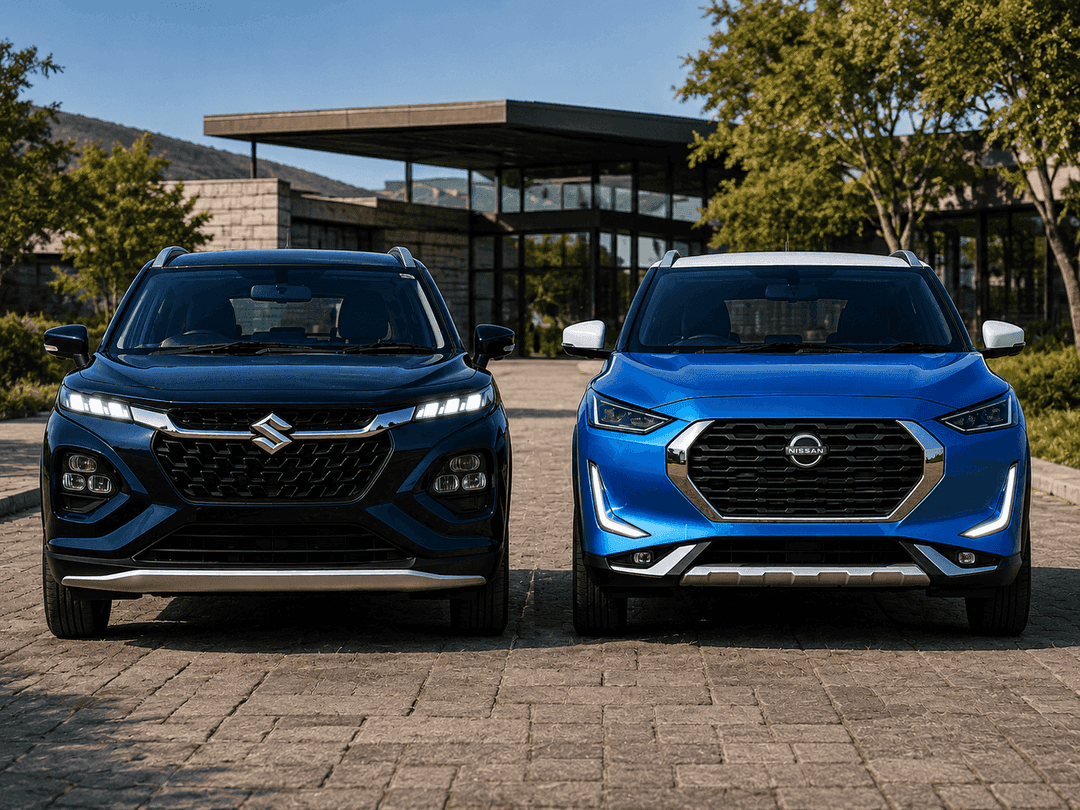
After a week with the turbo versions, I couldn’t tell them apart on the road without checking the badge on the steering wheel. And that’s the point. If affordable highway performance matters, skip both naturally aspirated models and look at the turbo versions instead. The Suzuki Fronx is also worth considering, while the Toyota Hilux and Ford Ranger only make sense if your budget and requirements stretch well beyond this class.
Find both vehicles on Auto.co.za, compare dealer listings nationwide and contact dealers directly at no cost.
Summary
Nissan’s Magnite is the safer long-term purchase, while the Renault Kiger is the keener used bargain. So, magnite vs kiger which is better? It depends whether protection or purchase price matters more. The Magnite carries a 6-year/150,000km warranty against the Kiger’s 5-year cover, and listing data shows the Nissan maintains a higher price floor across every model year from 2021 to 2026.