Roadworthy Certificate in South Africa 2026: Cost, What's Tested and Validity

Roadworthy Certificate in South Africa 2026: Cost, What’s Tested and Validity
Introduction
A roadworthy certificate confirms that your vehicle passed the required safety inspection at an authorised testing station. If you’re buying or selling a used car, it forms part of the registration paperwork. I have sat through more of these tests than I care to count, and the paperwork still trips people up. Get it wrong and your sale stalls at the licensing counter.
Key takeaway: A roadworthy confirms that the vehicle met the required standards when tested. It is not a guarantee of mechanical condition. For used-car registration, government guidance requires a fresh certificate if the existing one is older than 60 days. Source: South African Government
What the law requires: the roadworthy certificate explained
To be honest, the concept is simpler than the acronyms suggest. The test checks whether a vehicle meets the prescribed roadworthiness requirements. You can take it to an authorised public or private vehicle testing station.
The point is not to prove your car is perfect. Think of it as a pass or fail on the safety requirements, rather than a mechanical health rating. A car can pass and still have expensive problems that need a more detailed inspection.
Two things worth stating plainly:
- Arrange the roadworthy as part of the buyer’s registration paperwork.
- Do not confuse submitting a change-of-ownership notification with completing registration in the buyer’s name. The buyer must submit the required documents within 21 days of purchase. Source: South African Government
When you actually need one
- Buying a used car: arrange the roadworthy documentation needed to register the vehicle in your name.
- Re-registering a deregistered or rebuilt vehicle: check its recorded status and the required documents before spending money on repairs. A roadworthy alone does not settle the whole process.
- Public transport and heavy-load vehicles: annual roadworthiness testing generally applies, while buses require testing every six months. Source: South African Government
An ordinary private car does not need a fresh roadworthy simply because its annual licence disc is due. An expired disc also does not automatically mean another roadworthy test is required. A prolonged lapse or deregistration is a separate matter that needs checking with the registering authority. Source: Licence renewal requirements
Be particularly careful with anything described as “scrapped”. Establish its official status first. A vehicle recorded as permanently demolished cannot simply be repaired, tested and registered again. Source: Department of Transport
Step-by-step: how to get a roadworthy certificate
Here is the process I follow, whether I’m using a busy city branch or a smaller local station.
- Check the basics. Walk around the car and check the tyres, lights, wipers, mirrors and horn. Look for windscreen damage, obvious leaks and anything loose or broken.
- Gather your documents. Bring your ID and the vehicle registration certificate, and allow for the prescribed fee. Ask the station whether it needs anything else before you leave home.
- Book at an authorised testing station. Confirm that it tests your vehicle class, ask for the full price and check whether you need an appointment.
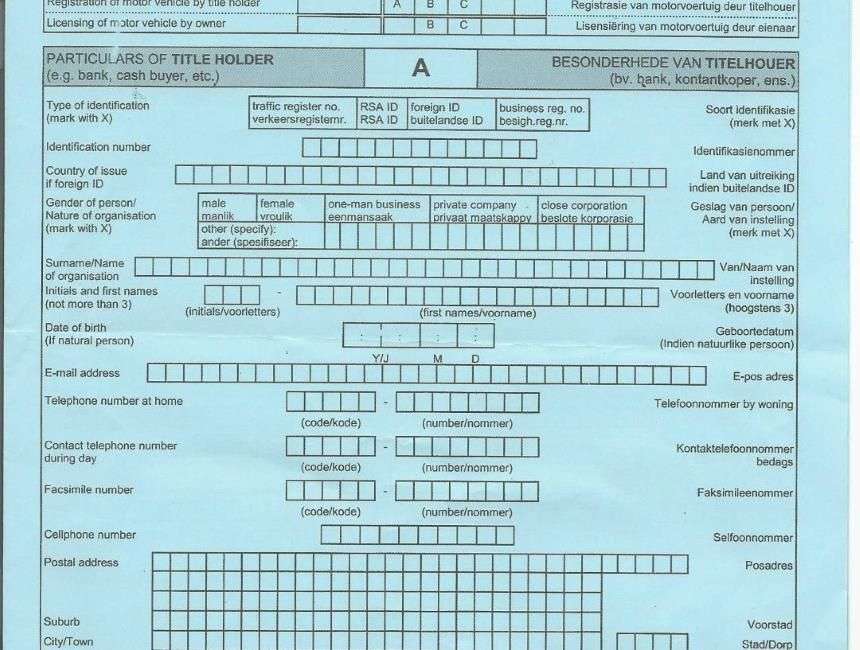
- Complete the application and present the vehicle. The station will guide you through the Application for Certification of Roadworthiness form, commonly called the ACR. The examiner then carries out the inspection.
- Fix any failures and return. If the vehicle fails, use the inspection report as your repair list. Confirm the retest deadline and fee before leaving.
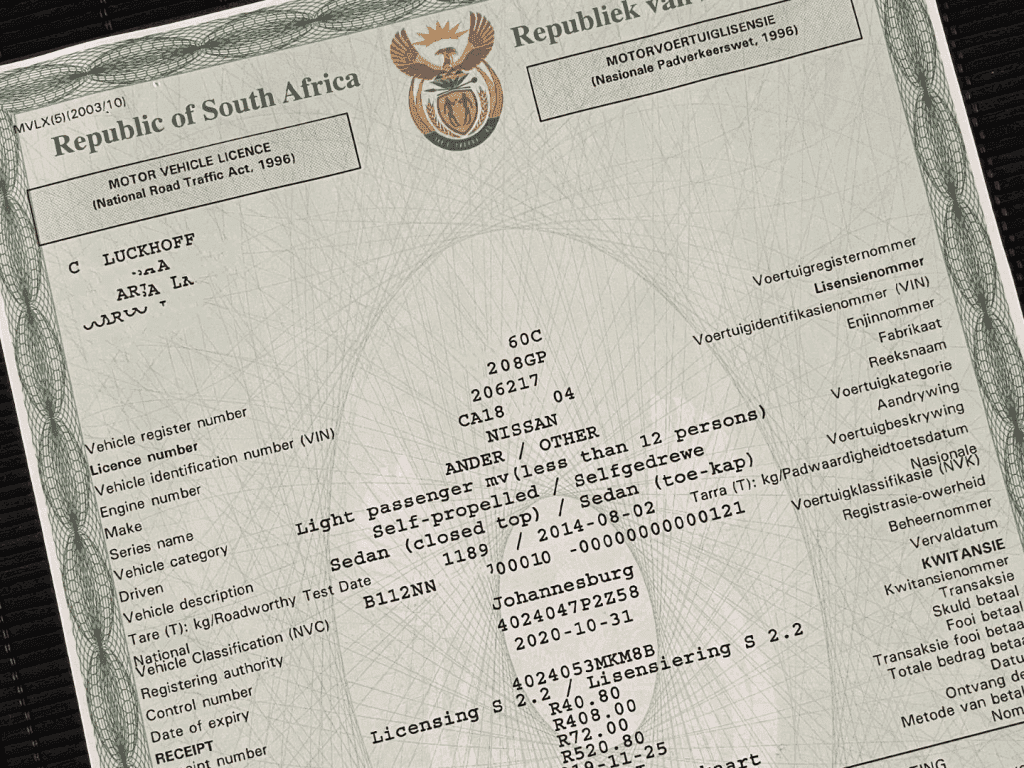
- Keep the pass documentation. Once the vehicle passes, collect the issued notice or certificate and check its details before moving on to registration. Source: Government roadworthy application process
What is tested at a roadworthy inspection?
People ask me constantly what is tested. The examiner works through the vehicle’s safety requirements, and neglected maintenance tends to show up quickly.
Expect checks covering:
- Brakes, including the parking brake.
- Tyre condition and wear.
- Headlamps, indicators, brake lights and other required lighting.
- Mirrors and reflectors.
- Suspension and related safety components.
- The vehicle’s structure and visible damage.
DEKRA confirms that brakes, tyres, lights, suspension and structural condition form part of its roadworthy inspection. Ask your station for its detailed checklist if you want to prepare properly. Source: DEKRA inspection guide
Check the windscreen, wipers, horn and seat belts before the appointment as well. There is little sense paying for a test while an obvious safety fault is still waiting to be fixed.
Costs, deadlines and validity
There is no single price you can safely apply to every station and vehicle. Get a quote from the station you intend to use, and ask what it includes. Government guidance directs motorists to the relevant testing station for the current fee. Source: South African Government
| Item | What to budget or allow for | Notes |
|---|---|---|
| Roadworthy test | Obtain a current quote | Confirm the vehicle class and any additional charges. |
| Retest after a failure | Ask the station | Check the fee and return deadline before leaving. |
| Repairs | Separate from the test fee | The bill depends on what fails. |
| Certificate age for used-car registration | Within the 60-day window | Government guidance calls for a fresh certificate when the current one is older than 60 days. |
The 60-day rule: do not test too early and then leave the paperwork sitting in a drawer. Plan the inspection close enough to the sale that the certificate remains current when the buyer registers the car. Source: Used-vehicle registration requirements
That window also does not mean an ordinary private car needs testing every 60 days. It relates to the registration requirement.
Common mistakes and what trips people up
- Testing too soon before a sale. Delays can leave you needing another test before registration is completed.
- Assuming a licence disc equals roadworthy. An up-to-date disc does not tell you whether the car will pass an inspection today.
- Ignoring small items. Check the number-plate bulb, wipers and horn before paying for an appointment. Have windscreen damage assessed rather than assuming every chip is harmless—or an automatic failure.
- Confusing a roadworthy with a full inspection. A pass does not guarantee a healthy engine, gearbox or accident-free history. Get an independent inspection before buying.
- Assuming a lapsed disc always means a fresh test. Check the vehicle’s registration status and the actual requirements first.
- Leaving everything to the last day. Booking delays, repairs and system downtime can turn a straightforward job into several visits.
Next steps
If you are selling, arrange the roadworthy close to your sale date and agree with the buyer who will handle the test and any repairs. Then move straight to the paperwork.
My Change of ownership guide walks through the transfer process, and the Documents to buy a used car checklist helps buyers arrive prepared. Before money changes hands, work through the Used-car inspection checklist too. A roadworthy pass tells you only part of what you need to know.
Ready to move the car on once it is certified? Use Sell your car to get started, and line up the registration documents while you arrange the sale. Do the test, deal with any faults and keep the paperwork moving.
Summary
This guide explains what a roadworthy certificate is, what a testing station checks, what it costs in 2026, how long it stays valid, and why you cannot transfer a car without one. It is for anyone buying, selling or returning a vehicle to the road.