Ford Ranger 2.3 Wildtrak A/T Double Cab (2026) Review
Still the best double cab to drive in SA. Just not the obvious answer anymore — and that’s the point.
Introduction
Right, so you want a double cab that feels more like an SUV than a farm tool, tows a hefty 3.5 tonnes, and won’t leave you stranded for parts. The Ford Ranger Wildtrak still has a big role to play. But let’s not pretend it’s the undisputed king anymore. Hilux is clawing back sales, Amarok now brings a cabin the Ranger can’t quite match, and Chinese contenders are finally more than just curious background noise. The 2026 update sharpens the Wildtrak formula, but is it enough? Let’s get stuck in.
Key takeaway: Ranger Wildtrak is still the slickest double cab to live with in daily South African life, but the Hilux is the resale fortress and Amarok has the plushest cabin.
Design & Exterior
Stance and surface detail
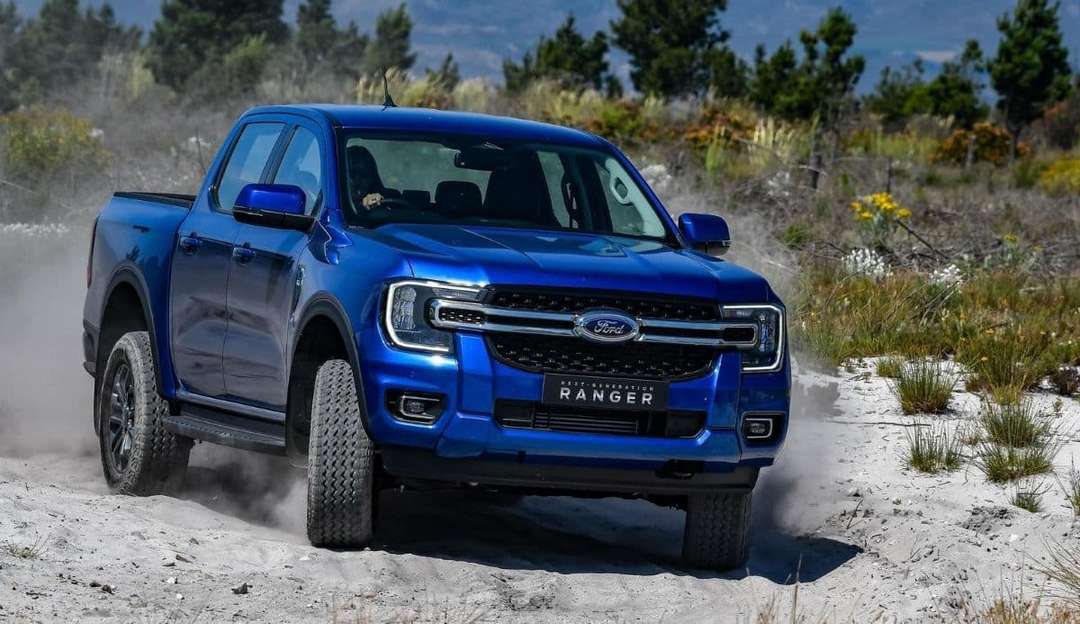
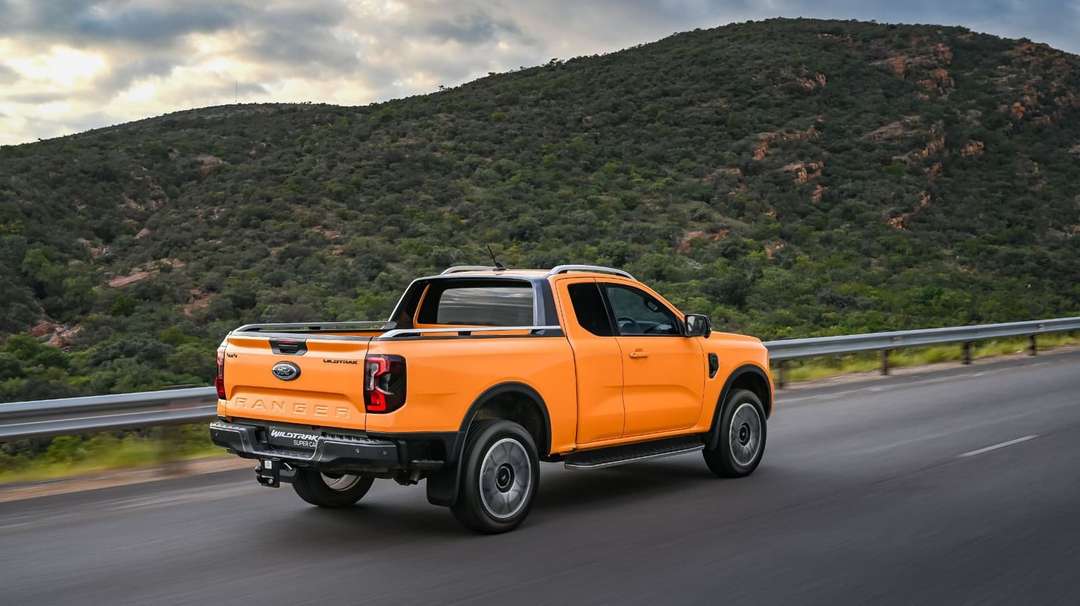
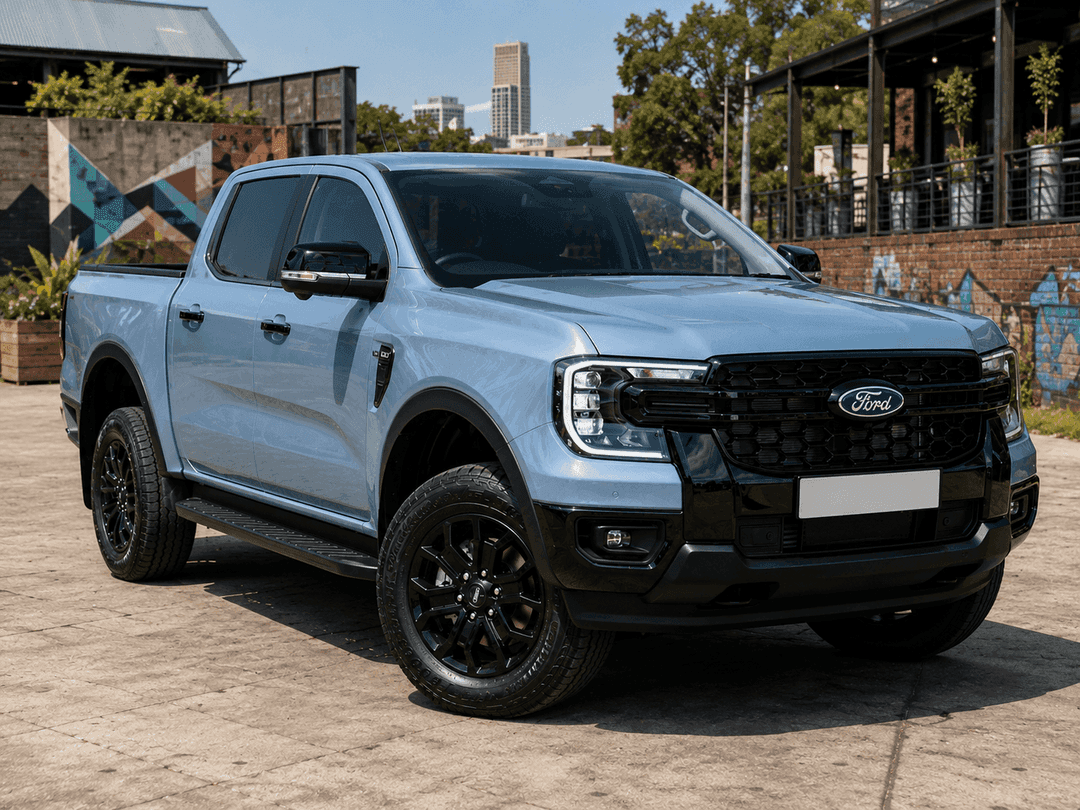
T6.2 Ranger wears its age well. Park it next to the outgoing model, and you’ll see the difference: a wider stance, chunkier C-clamp LEDs, and a squared-off nose that looks properly tough. Wildtrak’s blackout grille and moody 18-inch alloys stand out without being shouty. For MY26, Matrix LED headlights are now standard on Wildtrak - not just a spec-sheet tick. I drove it at night, and those adaptive lights genuinely kept eyes fresh on a pitch-black haul.
Where it sits in the segment
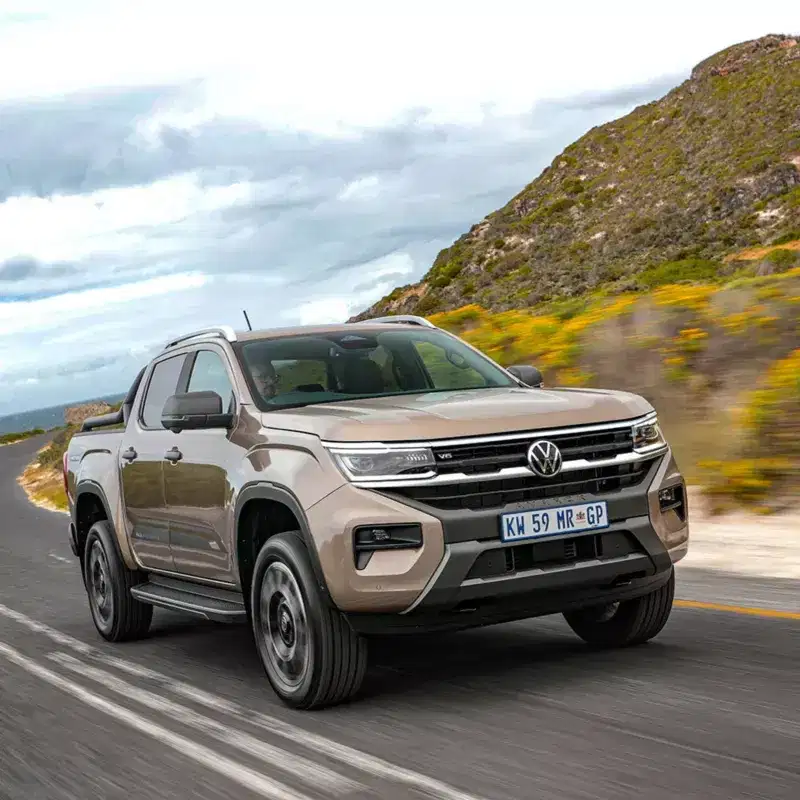
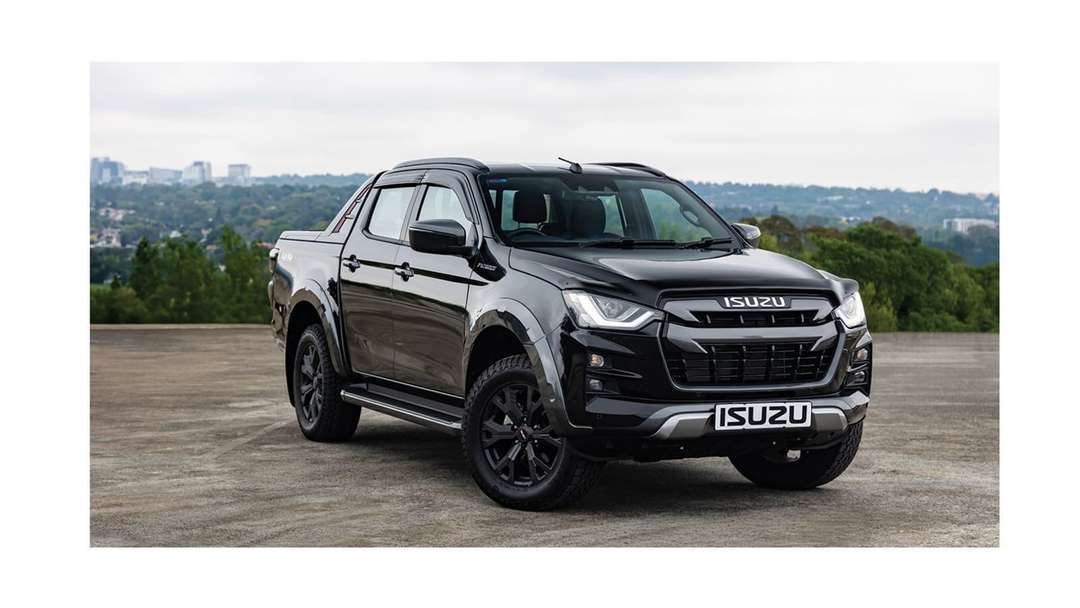
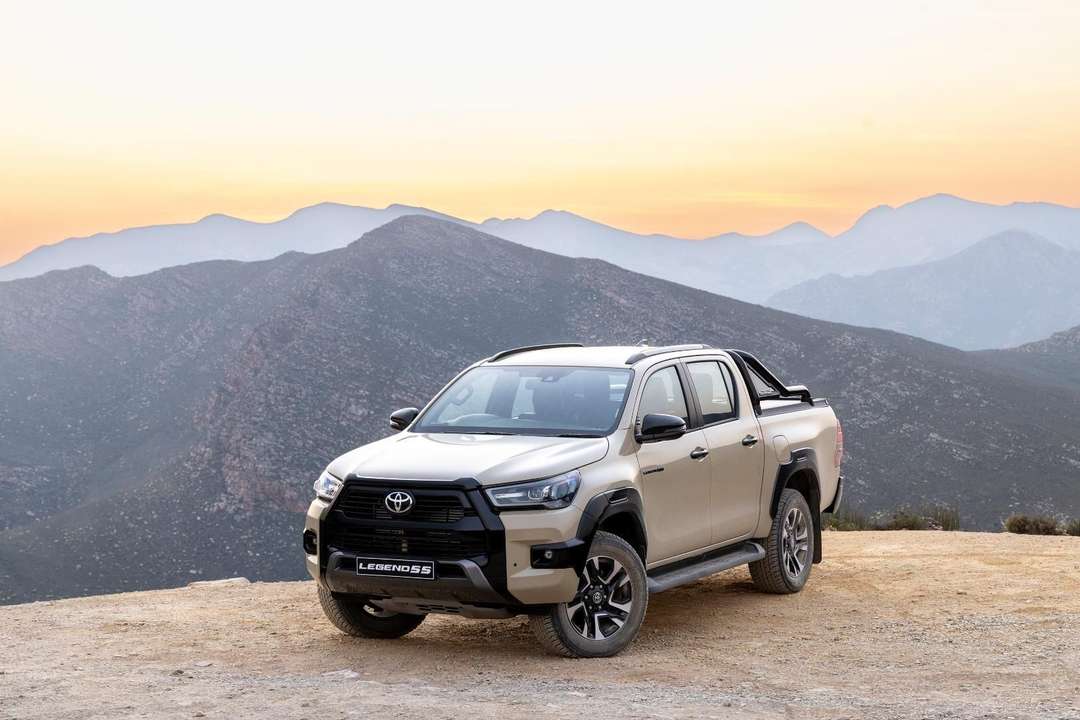
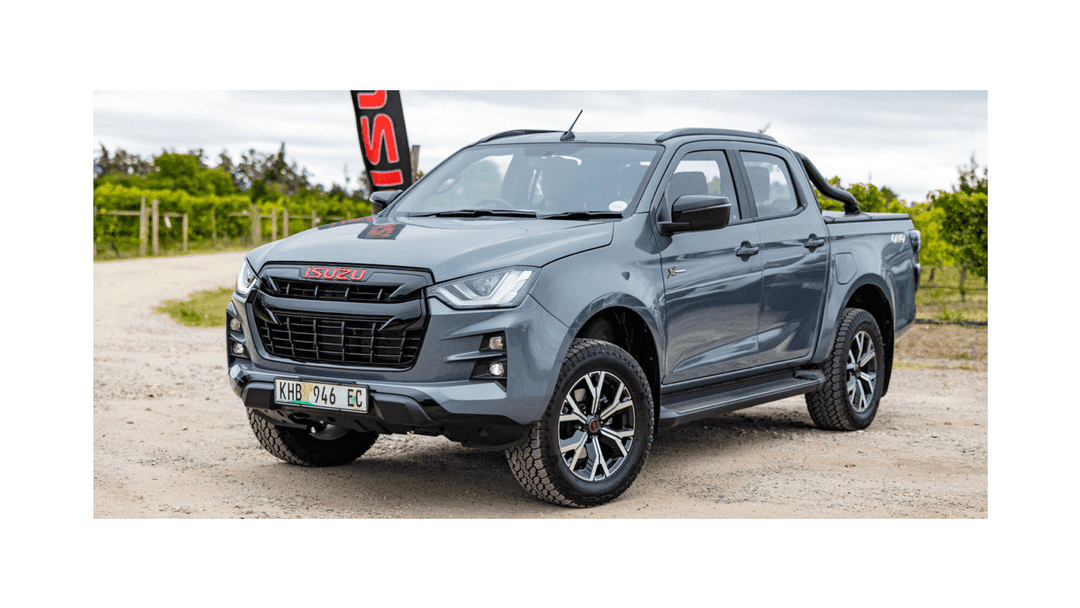
Hilux GR-Sport III is brasher, Amarok Style is business class. Wildtrak? It’s the middle ground - capable, but not begging for attention with fake vents or overdone cladding. It leans into the adventure-lifestyle image, but keeps things honest. And that counts for something.
Cabin & Practicality
Materials and ergonomics
Jump inside, and you’ll see Wildtrak borrows more from the Kuga than from the bakkies of old. The big 12-inch portrait touchscreen is standard on all double cabs for 2026, matched with dual-zone climate. Ford’s kept proper buttons for essentials like volume and drive modes - a real win when you’re hammering down a rutted farm road and don’t feel like playing hunt-the-icon. Heated seats come standard. Soft touch where you rest an elbow, hard-wearing plastics where muddy boots and dog claws land. Exactly what you want in a double cab that actually gets used.
Space, boot and load bed
Boot space? In a bakkie, that’s all about the load bed. Ford’s tub swallows a Euro pallet flat between the arches - something the Hilux can’t quite match. Rear ISOFIX is easy-access, and the rear bench actually supports grown-up legs on a slog to Hermanus. The 400W inverter and 240V socket in the tub? Genuinely handy. I once ran a grinder at a Dullstroom campsite from that plug - no fuss, no drama, just works.
- Load bed: Euro pallet fits flat
- Towing: 3 500 kg braked
- Power outlets: 400W inverter in-cabin, 240V in tub
- Infotainment: 12-inch portrait display, standard for MY26
- Climate: Dual-zone, standard for MY26
On the Road
Engine and gearbox
Here’s the headline: 2.3-litre turbo petrol, 222 kW, rear-wheel drive, 10-speed auto. That splits the crowd straight away. The EcoBoost is smooth, quiet, and pulls cleanly from low revs. On the highway, 120 km/h is effortless, and overtaking doesn’t need a frantic downshift. The 10-speed auto does its job in the background - and considering how busy those gearboxes can get, that’s high praise.
Ride and handling
Comfort? Ranger still leads the pack. It’s soft over expansion joints, unflustered by the washboard gravel near SALT out past Sutherland. Steering is light but direct. Body roll is less than you’d expect from a ladder-framed bakkie of this size. On a wet Sandton commute, power delivery is gentle enough to keep things tidy on slick tarmac.
The rear-wheel-drive question
Rear-wheel drive only for this one. No low range, no locking diff. For city tradies or small business owners towing on weekends, that’s enough. If you’re plotting a Sani Pass run or plan to tackle Kosi Bay sand, you need the V6 diesel 4x4 Wildtrak. Be honest about your actual use - don’t buy for a lifestyle you don’t live.
Data & Comparison
Specs at a glance
| Spec | Detail |
|---|---|
| Engine | 2.3L Petrol turbo |
| Power | 222 kW |
| Gearbox | 10-speed automatic |
| Drive | Rear-wheel drive |
| Generation | T6.2 Next-Gen Ranger |
| Model year | 2026 |
Running costs and ownership
Service plan? That’s now optional thanks to Right to Repair - factor it in from the get-go. Real-world fuel use sits at 11–13 L/100 km in mixed conditions, noticeably more than the 2.0 SiT diesel. Over five years, ownership costs land around R230 000. That’s competitive, but the GWM P500 HEV has shifted the goalposts. Ford Ranger reliability on the T6.2 has been solid - none of the old 3.2-litre injector failures or DPF headaches, and the 10-speed’s early software bugs have been largely sorted with OTA updates. You can thank Ford for not leaving buyers stranded on early issues - that matters.
- Real-world fuel: 11–13 L/100 km observed
- 5-year TCO estimate: R230 000
- Service plan: Optional under Right to Repair
- Ford Ranger ground clearance: 234 mm on Wildtrak - great for Karoo tracks
How it stacks against rivals
| Vehicle | Power | Gearbox | Drive | Fuel |
|---|---|---|---|---|
| Ford Ranger 2.3 Wildtrak | 222 kW | 10-spd auto | RWD | Petrol |
| Toyota Hilux 2.8 GR-Sport III | ~165 kW | 6-spd auto | 4x4 | Diesel |
| VW Amarok 2.3 TSI | ~222 kW | 10-spd auto | RWD | Petrol |
| GWM P500 HEV | ~255 kW | 9-spd HEV | 4x4 | Hybrid |
Segment heat
Double cabs are flying out of showrooms. Search numbers hit a 66.4 peak in October 2025, sometimes overtaking SUVs for buyer interest. Wildtrak’s price tags put it shoulder to shoulder with the heavyweights. On finance, dealers are more willing to haggle on petrol Wildtraks than the V6 diesels - oil-burners still rule the trade-in and auction game in South Africa.
Editorial Focus
Still the Best Double Cab?
Short answer? Not automatically anymore. But if you match the profile, it’s still the one to beat.
Why choose the Wildtrak? It rides and steers better than any rival, full stop. Unless you’re farming or spending every week on gravel, that’s most of your real-world use. Cabin tech is finally up to scratch with the 2026 update. The 2.3 petrol is a smart pick for city contractors who don’t want diesel DPF drama. And that Pro Power Onboard inverter isn’t just brochure fluff - it actually gets used.
Downsides? Hilux has snapped back to the top for resale, and that has a real impact on long-term costs. Amarok’s cabin is just a step more premium, and the GWM P500 HEV brings hybrid thrift to the table. This 2.3 petrol Wildtrak is RWD only - so it can’t claim the full adventure-lifestyle crown anymore.
My take: Wildtrak is still the best to drive. Hilux is the best to own. Which matters more? If you change cars every two years and mostly do tar mileage, Wildtrak makes sense. But if you’re a seven-year keeper who always trades at a Toyota dealer, you already know your answer.
Verdict
The days of the Ranger Wildtrak winning by default are over. The Hilux still makes the strongest case for long-term ownership, Amarok feels a touch more premium inside, and the Chinese newcomers are no longer content with making up the numbers. Yet, when you step back and look at how most South Africans actually use their double cabs, the Wildtrak remains incredibly difficult to fault. It rides better, steers better and feels more SUV-like than anything else in the segment.
The catch is that this 2.3-litre petrol version demands a bit of honesty. If you need 4x4 capability or spend your life towing and travelling off the beaten track, there are better Rangers for the job. But if your double cab spends most of its time on tar, hauling family, tools and the occasional trailer, this Wildtrak hits a sweet spot few rivals can match. It may no longer be the undisputed king, but it's still the benchmark for everyday liveability.
Summary
Go for the Ranger 2.3 Wildtrak if you’re a private buyer who spends most of your life on tar, wants the best cabin tech and ride in the segment, and values the ability to tow or run tools without fuss. Most car-like double cab by some margin, and the 2026 updates push it even closer to Platinum spec. If diesel DPF cycles drive you mad, this is your answer.
Ratings
Pros
- ✓Go for the Ranger 2.3 Wildtrak if you’re a private buyer who spends most of your life on tar, wants the best cabin tech and ride in the segment, and values the ability to tow or run tools without fuss.
- ✓Most car-like double cab by some margin, and the 2026 updates push it even closer to Platinum spec.
- ✓If diesel DPF cycles drive you mad, this is your answer.
Cons
- ✗Pass if you need 4x4 — get the V6 diesel.
- ✗Pass if resale is king for you — get a Hilux.
- ✗Pass if you rack up 40 000 km a year — diesel’s the only call.
- ✗And if you’ve priced out a GWM P500 HEV and the numbers swing that way, don’t pretend the Wildtrak’s value gap isn’t real.