Ford Ranger 2.2 TDCi / 3.2 TDCi XLT (2016) Review
Genuine capability and strong used value, held back by the 3.2 auto's reliability caveats and an ageing cabin.
Introduction
The T6-era Ford Ranger XLT is still worth a look if you need a bakkie that can genuinely carry a load and tow. But buy the wrong one, and that wide used Ford Ranger price spread can turn into an expensive lesson. This used Ford Ranger buyer’s guide looks at the best years, realistic price bands and which engines are worth considering. By 2026, I’d be far more interested in condition and service history than the badge on the tailgate.
Key takeaway: A well-serviced manual 2.2 XLT is the value pick. The 3.2 auto carries greater repair risk, so buy on history rather than horsepower.
Design & Exterior
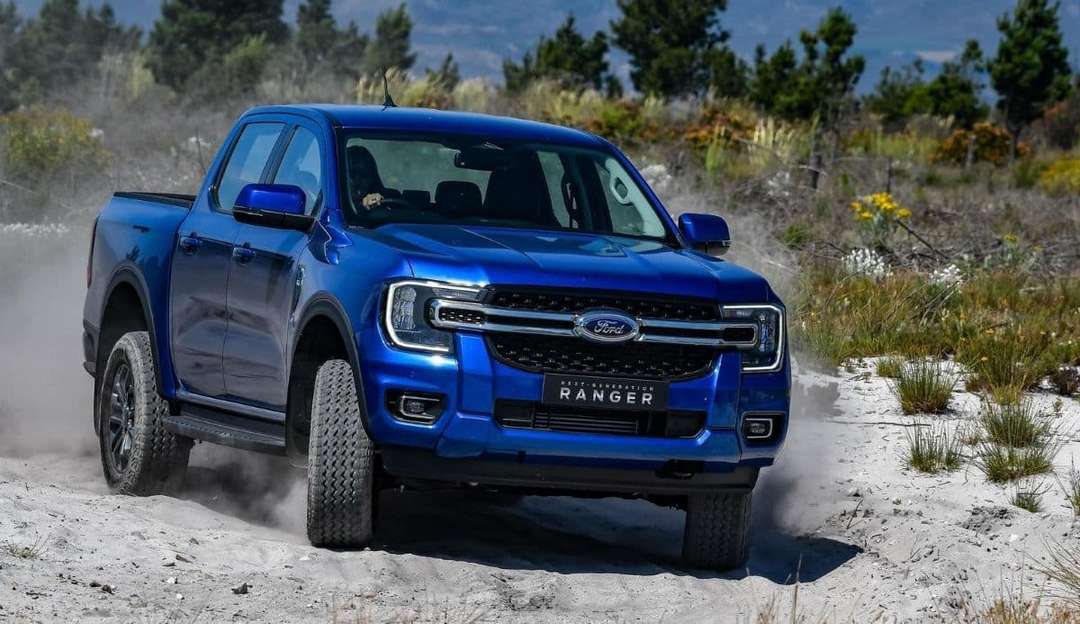
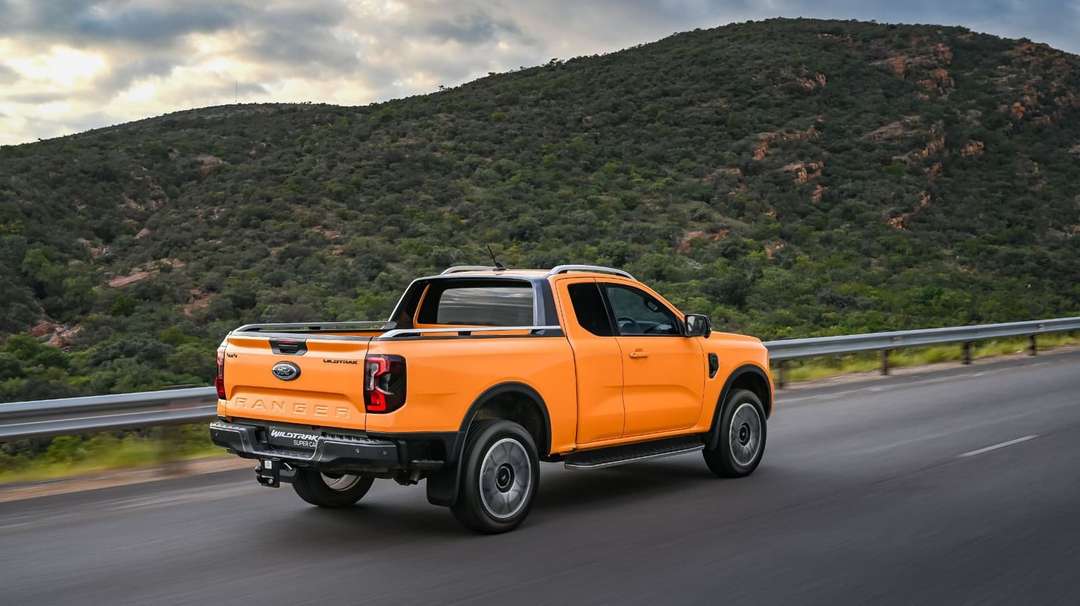
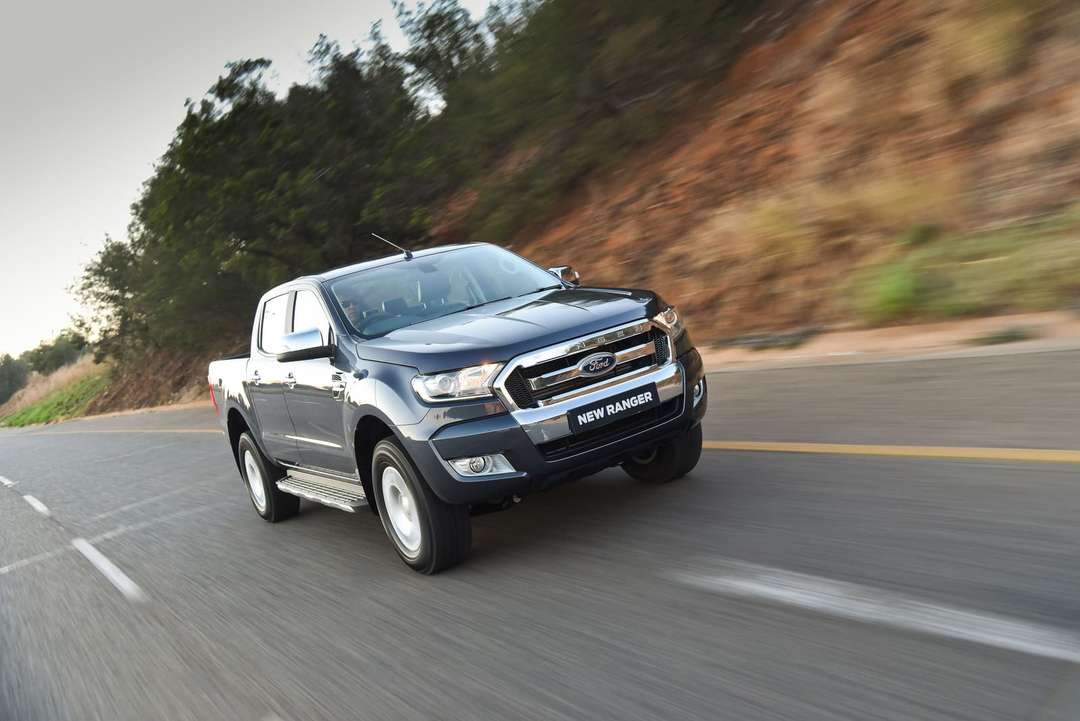
Back then, the Ranger made the Hilux look almost conservative. A decade on, it still has plenty of presence, thanks to that upright nose and wide stance. The XLT is the one I’d look for, too. Body-colour details, alloy wheels and fog lamps lift it well above the usual fleet-spec look, without going overboard.
How it reads on the road
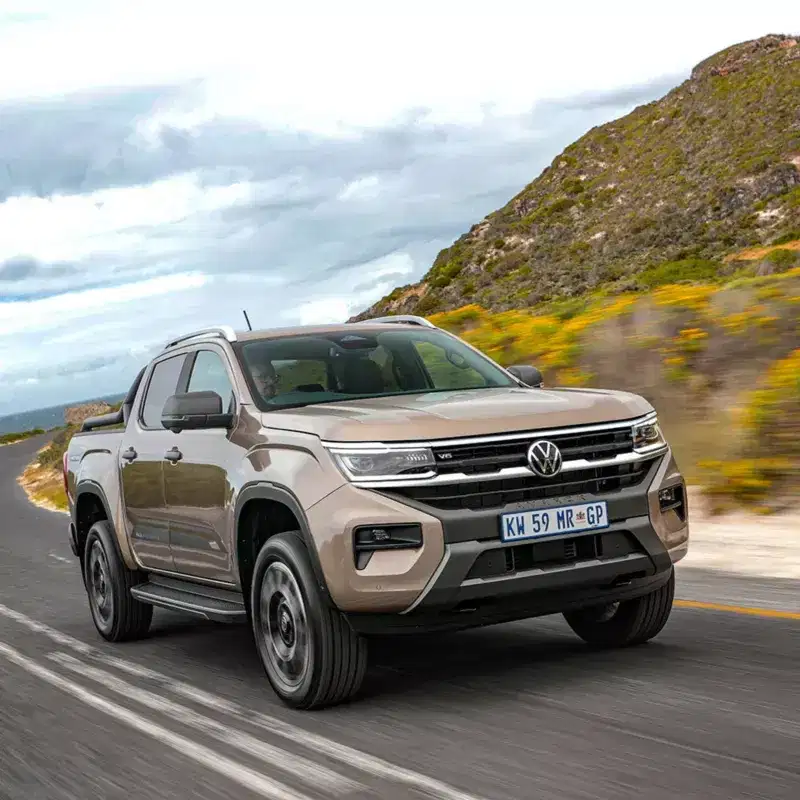
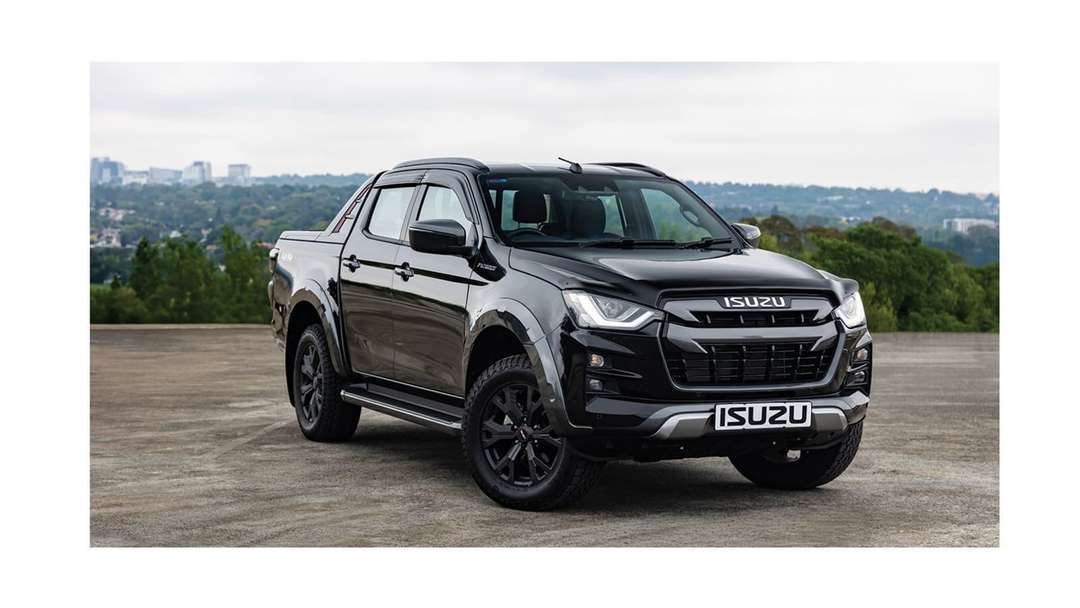
Parked next to a same-era Amarok, the Ranger looks taller and more purposeful. Its 237mm of ground clearance is useful on the sort of broken district roads and washed-out gravel you’ll encounter away from the tar, without constantly worrying about scraping the underside.
And those familiar double-cab proportions are easy to pick out in the towing traffic heading up Van Reenen’s Pass on the N3. It still looks like it means business.
What dates it
Age shows most clearly in the pre-facelift and early facelift lights, grille and wheel designs. Fine. You’re buying ability, not fashion. Clean white or silver examples tend to age gracefully and remain easier to resell through dealers or retailers such as WeBuyCars.
Cabin & Practicality
Nobody bought a Ranger XLT for soft-touch plastics. Its cabin felt commercial-grade when new, and years of use expose every hard surface, dusty seam and worn driver’s bolster.
Materials and controls
Here’s where the older Ranger gets things right. Physical climate knobs and proper switches are easier to use on corrugated gravel than touchscreen menus. Higher trims have a touchscreen, but basic functions don’t depend on it. There’s no steering reach adjustment, which becomes irritating for taller drivers during a Joburg-to-Durban run.
Space and load
- Five seats and four doors, with enough rear-bench room for three adults on a short school or site run.
- A load bay that was class-leading for volume in its day and still carries more than most owners will reasonably need.
- An 80-litre fuel tank, which on the 2.2's claimed 7.6 L/100km promises a theoretical touring range suited to long Karoo gaps.
ISOFIX points sit on the outer rear seats, allowing the Ranger to serve as the family’s only vehicle. That matters. With a roller shutter fitted, our test load still accommodated two full-size prams and four soft travel bags.
On the Road
Ford’s 2.2 TDCi four-cylinder makes a stated 118hp and 385Nm. On paper at least, those numbers look modest beside the five-cylinder 3.2, but torque is what earns its keep under load.
The 2.2 in real driving
Properly quick? No. A claimed 0-100km/h of 12.3 seconds and a 175km/h top speed confirm its working-bakkie priorities. One used manual test unit managed an estimated 13.1 seconds from 0-100km/h, with two occupants aboard. Still, 385Nm arrives early enough for towing up Van Reenen’s Pass or joining the R21 at Highveld altitude without panic.
Ride, gearbox and refinement
Unladen, the ladder-frame ride is busy and occasionally sharp. Put weight over the rear axle, and it settles. I’d choose the manual by some margin, since it feels tougher and lets you sense when the engine is labouring. The 3.2 auto is easier in traffic, but its long-term risks change the sums.
Real-world economy
Ford claimed 7.6 L/100km, which is optimistic. Mixed local testing has returned closer to 10.8 L/100km, while the CO2 figure of 199 g/km provides another clue. I saw 10.4 L/100km over a 412km route covering freeway, town use and a short gravel section. Budget around the real figure, plus N3 tolls, rather than planning from the brochure.
Data & Comparison
Across 324 recent listings, the average used Ford Ranger price is R284,865, with a floor of R149,900 and a ceiling of R424,500. That huge spread largely reflects condition, mileage, specification and the quality of the service file.
Price bands by year
- 2016: 21 listings, averaging R256,514, median R259,900.
- 2018: 35 listings, averaging R257,104.
- 2020: 51 listings, averaging R316,399, median R314,950.
- 2023: 8 listings, averaging R354,788.
A clear pricing step appears between 2019 and 2020 stock, amounting to roughly R50,000 on average. Below R200,000, expect higher mileage, lower specification or deferred maintenance. Sometimes all three.
Ownership numbers
- Projected three-year residual: R196,947, which holds value reasonably for the class.
- Estimated five-year total cost of ownership: R230,000, servicing, wear items and running included.
Once the service plan has expired, a reputable independent diesel specialist will usually undercut franchised dealer quotes. Don’t simply choose the cheapest workshop. Ranger-specific diagnostic experience is valuable, particularly with EGR, DPF and automatic gearbox faults.
How it stacks up
| Model | Torque (Nm) | Claimed economy (L/100km) | Ground clearance (mm) |
|---|---|---|---|
| Ford Ranger 2.2 XLT | 385 | 7.6 | 237 |
| Toyota Hilux (rival) | class-comparable | class-comparable | class-comparable |
| Volkswagen Amarok (rival) | class-comparable | class-comparable | class-comparable |
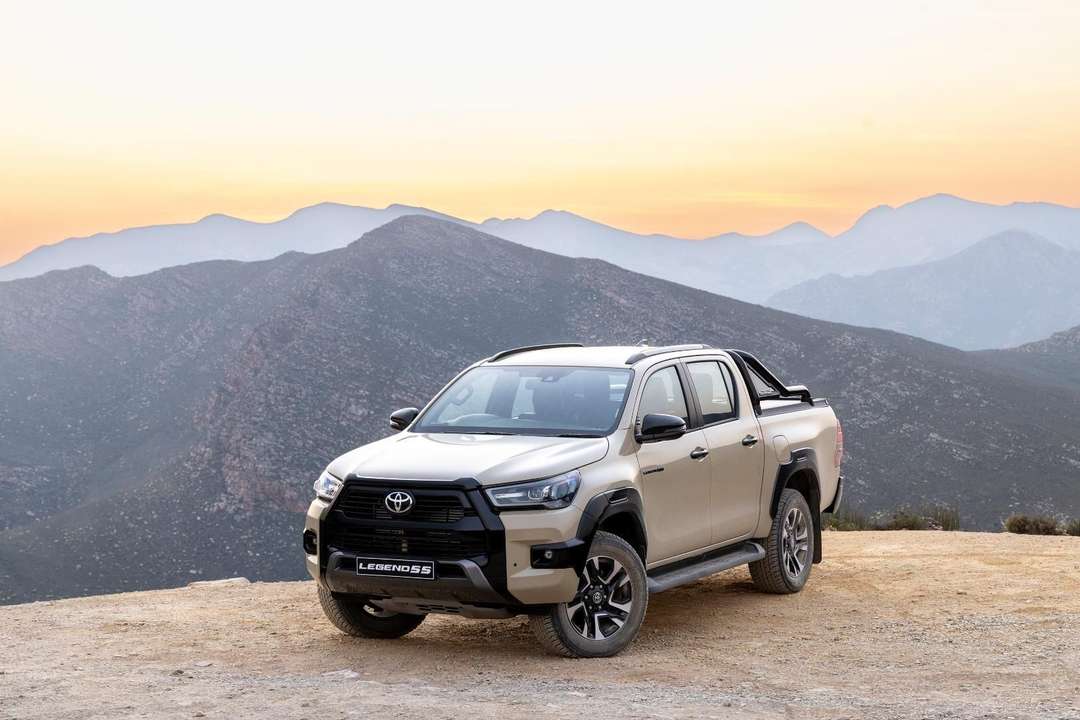
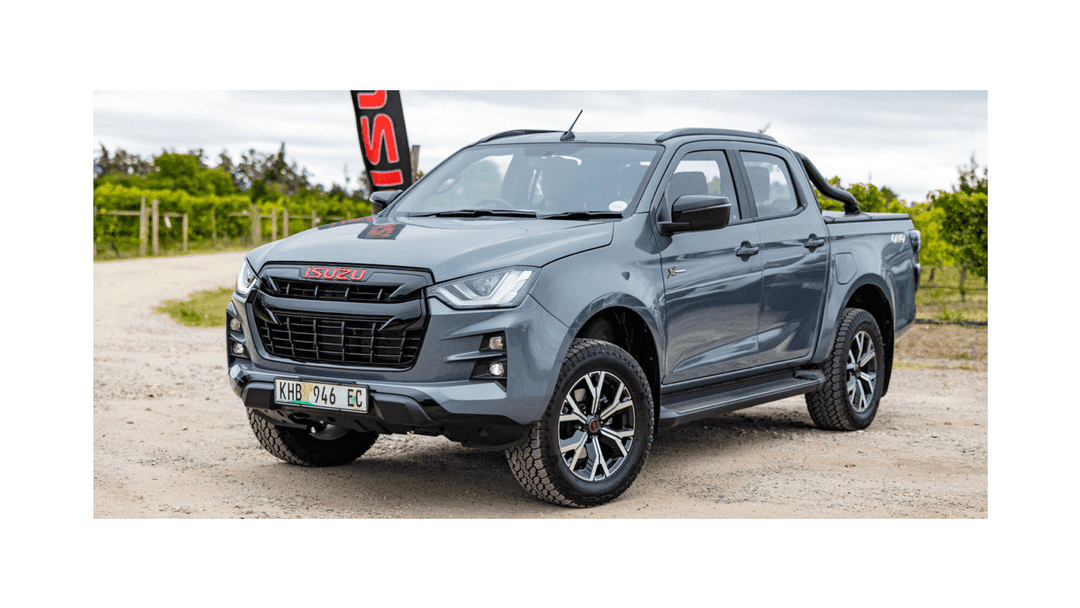
Against the Hilux, the Ranger gives away a few points in resale value. For a used buyer, that’s the opening: slightly heavier depreciation can secure more equipment and capability for the same rand.
Editorial Focus
Right, so let’s settle the 2.2 versus 3.2 argument without the internet folklore. The five-cylinder 3.2 feels stronger and sounds better, but it carries most of the serious known risks. Its EGR cooler can crack internally after repeated thermal cycling, causing coolant loss without an obvious external leak. Persistent coolant loss is a warning. The variable-pressure oil pump is another genuine single-source concern, and some owners replace it pre-emptively. Check the file. Add 6-speed 6R80 auto lead-frame faults, which may cause random shift errors or sluggish changes, and the 3.2 auto becomes entirely dependent on history.
Ranger 2.2 problems are usually easier to price into the deal. Timing-chain wear is the headline concern on this interference engine, so never dismiss a cold-start rattle. A skipped chain can bend valves. Caught early, it’s a known repair rather than a ruined engine, while EGR and DPF trouble completes the common-fault list.
For value, 2016 to 2018 stock is the sweet spot in this data, with median prices near R260,000 to R279,000. A clean, full-history manual 2.2 XLT double-cab in 2026 should cost around R240,000 to R290,000. The verdict is simple: manual 2.2 is the buy, manual 3.2 is acceptable with proof of care, and the 3.2 auto requires a spotless book.
Safety rating
ANCAP · tested 2022
★★★★★ 5/5 adult occupant
Australian-market RHD rating — indicative for SA only where the SA derivative matches the tested safety spec (airbags/ESC/AEB). Official factsheet.
Verdict
For South African buyers, the T6 Ranger XLT remains a smart used bakkie if you shop the service history rather than the horsepower. I’d take a manual 2.2 XLT for its ability to tow, haul and handle rough gravel without costing Hilux money.
Just don’t expect plush materials or a car-like ride. And I’d be very careful with a 3.2 automatic that has a patchy service history. EGR cooler, oil-pump and lead-frame repairs can wipe out any saving very quickly.
In 2026, patience is your friend. Find the right one, have it properly inspected before buying and the T6 Ranger still makes a strong case for itself.
Summary
Here’s the practical guide to buying a 2016-onward Ford Ranger 2.2 or 3.2 TDCi XLT double-cab in South Africa. It covers live-listing prices, known faults, the reliability argument and what a clean example should cost heading into 2026.