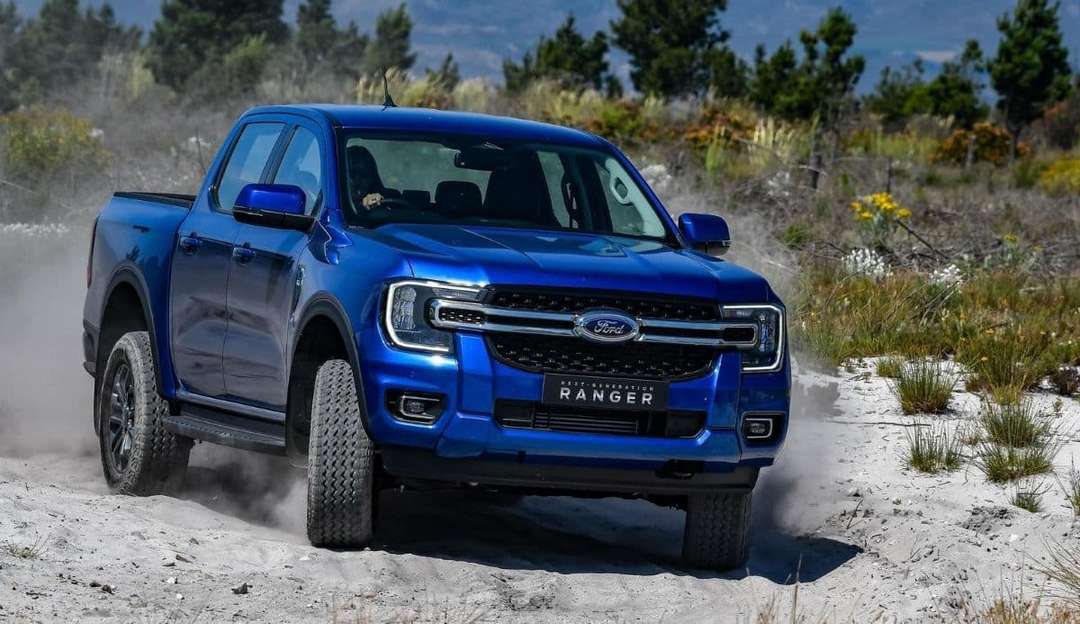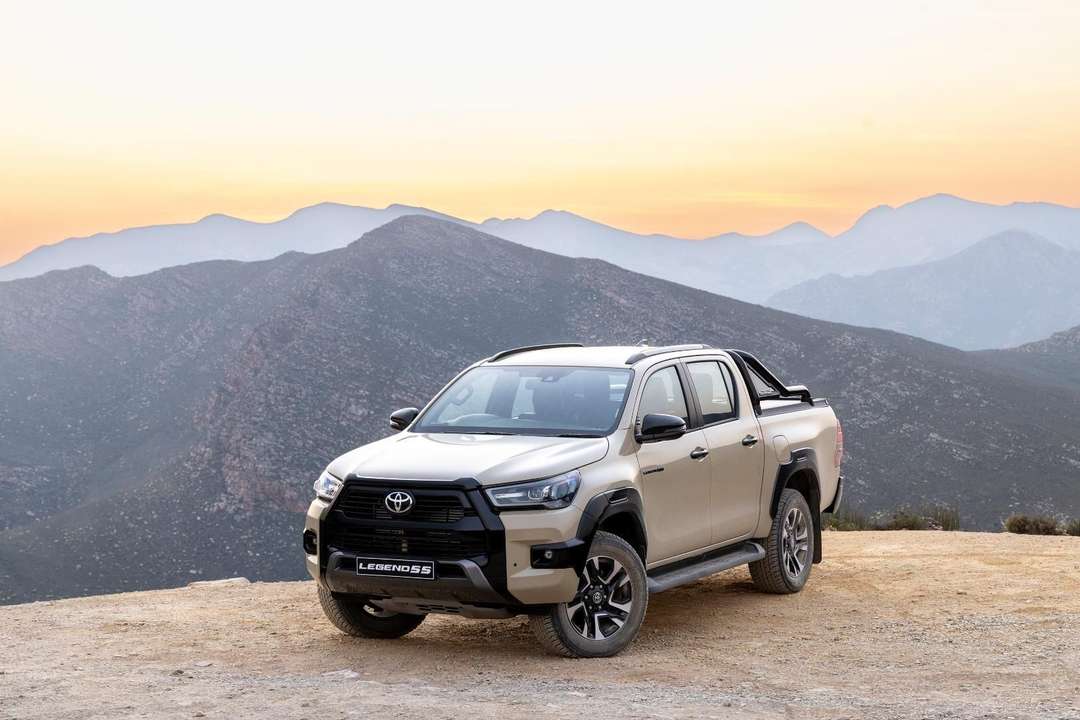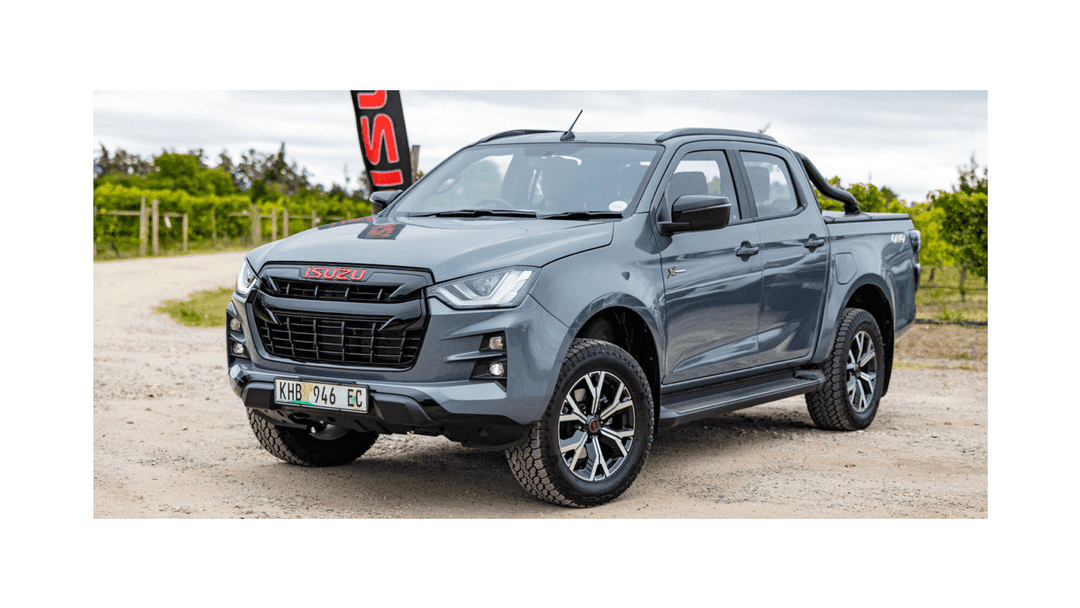
Ford Ranger SuperCab vs Toyota Hilux Xtra Cab (2026): R23,900 Apart

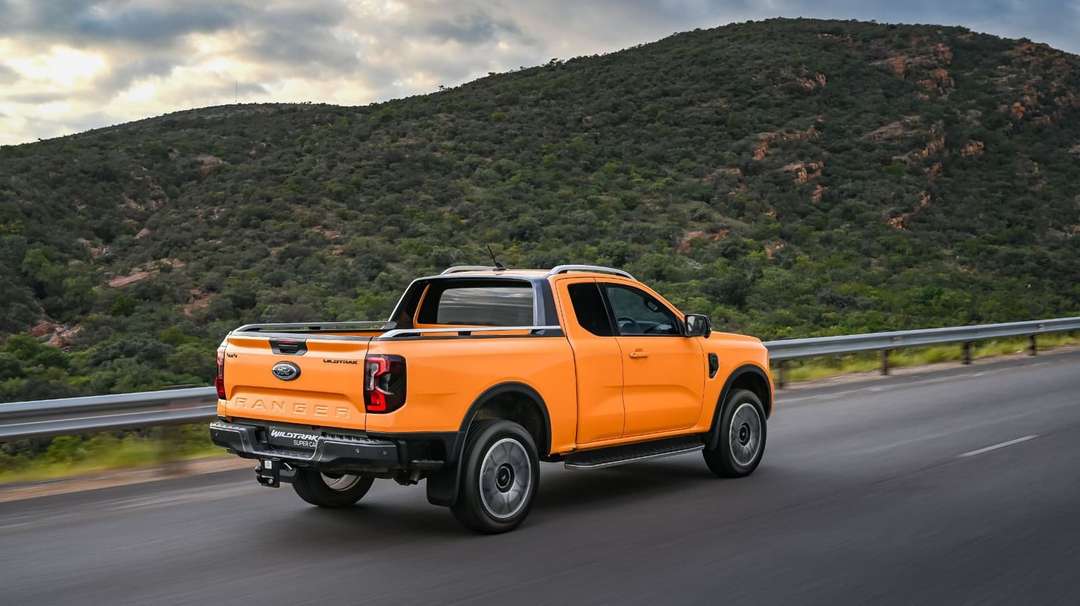
Ford's Ranger SuperCab is the smarter buy with your own money.
R23,900 Apart: Ford Ranger SuperCab vs Toyota Hilux Xtra Cab (2026) - SA's Overlooked Workhorses Compared
Look, the Ford Ranger 2.0D XL SuperCab offers more comfort and equipment for less money, while the Toyota Hilux Xtra Cab makes the stronger case for resale and fleet-proven durability. In the SuperCab vs Double Cab debate, these workhorses make more financial sense than spending R1 million-plus on a lifestyle bakkie.
Price is where the argument starts. The Ranger costs around R544,900, while the Toyota Hilux 2.4 GD-6 Raider Xtra Cab sits near R568,800 — a difference of just R23,900. But anyone searching Ford Ranger SuperCab price South Africa or Toyota Hilux Xtra Cab 2026 price should look beyond the sticker price and factor in depreciation, running costs and what each bakkie could be worth when it’s time to sell.
The verdict: which should you buy?
Ford is the better private buy. It's cheaper, quieter and stronger on paper. Toyota counters with excellent resale and wider rural parts support. Listing data places a three-year Ranger around R585,529 versus a Hilux near R499,245, although Toyota retains a higher percentage from its lower base. Keep it for years and work it hard? Choose Hilux. Want value now? Ranger. Best for (Ranger): tradesmen and private buyers. Best for (Hilux): fleets, farmers and resale-focused owners.
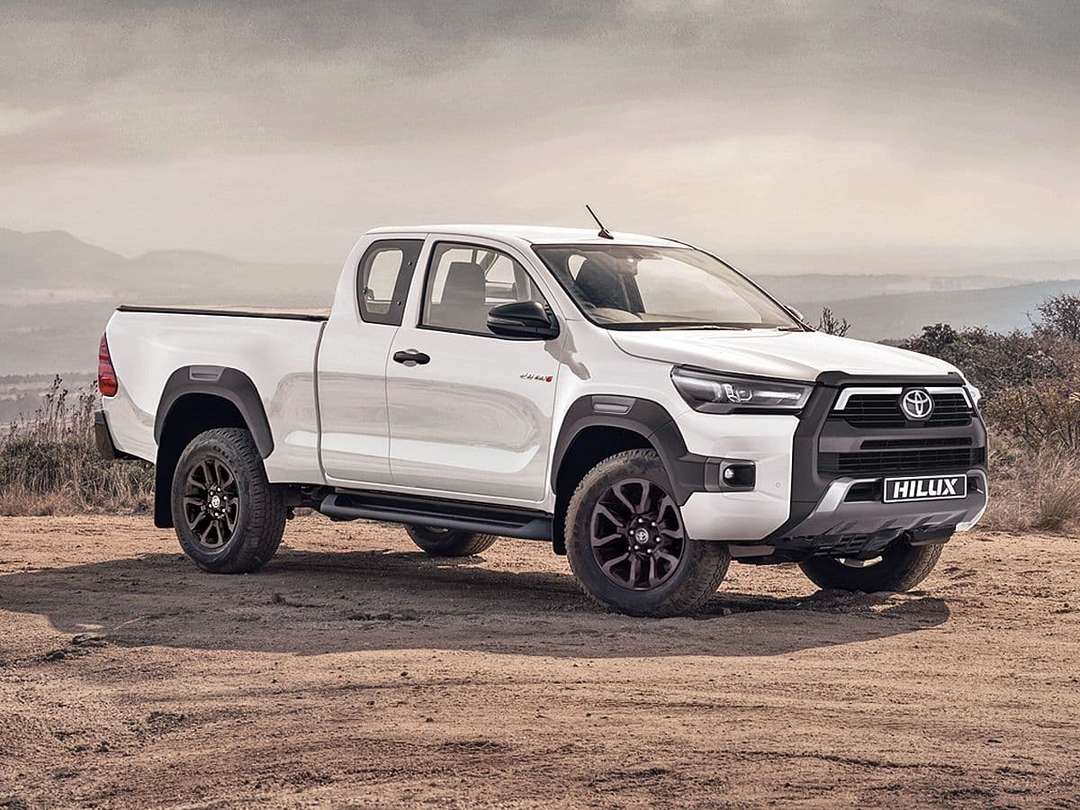
Quick verdict table
| Category | Winner | Why |
|---|---|---|
| Best overall | Ford Ranger SuperCab | Cheaper entry, more kit, quieter cabin |
| Best driving experience | Ford Ranger | Smoother ride, 205 hp vs 150 hp |
| Lowest fuel costs | Ford Ranger | 8.7 vs 8.8 l/100 km claimed, a wash in practice |
| Best interior quality | Ford Ranger | Better trim and screen even in workhorse spec |
| Strongest reliability | Toyota Hilux | Proven GD-6 durability reputation |
| Highest resale value | Toyota Hilux | Higher retained percentage, fleet demand |
| Lowest total running costs | Toyota Hilux | Resale offsets higher insurance |
| Best first work bakkie | Ford Ranger | Lower buy-in, easier to live with daily |
| Best value for money | Ford Ranger | R23,900 cheaper, more standard equipment |
| Best for fleet buyers | Toyota Hilux | Nationwide parts, predictable residuals |
Specifications
These figures cover the 2026 Ford Ranger 2.0 SiT range, centred on the XL SuperCab, and the 2026 Toyota Hilux 2.4 GD-6 Raider Xtra Cab.
| Specification | Ford Ranger (2026) | Toyota Hilux (2026) | Winner |
|---|---|---|---|
| Engine | 1996 cc turbodiesel | 2393 cc turbodiesel | Hilux (capacity) |
| Power | 125kW | 110kW | Ranger |
| Torque (Nm) | 405 | 400 | Ranger |
| Gearbox | Automatic | Automatic | Tie |
| Fuel economy (l/100 km, claimed) | 8.7 | 8.8 | Ranger |
| 0-100 km/h | 10.5 s | 11.8 s | Ranger |
| Ground clearance (mm) | 235 | 289 | Hilux |
| Fuel tank (l) | 80 | 80 | Tie |
| Seats | 5 | 5 | Tie |
Specifications vary by trim and model year. Confirm the exact extended-cab derivative with an authorised dealer.
Performance and driving experience
| Factor | Ranger | Hilux | Winner |
|---|---|---|---|
| Urban driving | Light steering, easy | Firmer, more truck-like | Ranger |
| Daily commuting | Quiet, comfortable | Workmanlike | Ranger |
| Long-distance | Relaxed at 120 km/h | Composed but louder | Ranger |
| Overtaking | Stronger, 205 hp | Adequate | Ranger |
| Ride comfort | SUV-like | Load-focused stiffness | Ranger |
| Steering feel | Precise | Vaguer on-centre | Ranger |
| Engine refinement | Smooth 2.0 | Gruffer 2.4 | Ranger |
| Mixed driving | Broadly better | Honest but coarse | Ranger |
Loaded at 120km/h on the N1 north of Pretoria, the Ford Ranger SuperCab feels less strained. Its 2.0-litre diesel produces 125kW versus 110kW in the Toyota Hilux 2.4 GD-6, giving the Ford a 13.6% power advantage on paper. Our estimated 0-100km/h times were around 11.5 seconds for the Ranger and 13.8 seconds for the Hilux, although payload and conditions can shift those figures.
The Hilux feels solid and ready for work, but its suspension is noticeably firmer when running empty. The Ranger is simply easier to live with day to day. I once heard a loose socket set dancing around the back of the Hilux over corrugated gravel, yet the cabin remained impressively free of creaks and rattles. That sort of toughness is exactly why the Toyota has such a strong reputation.
Unique South African buying factors
Which survives South African potholes better?
Both use ladder frames, long suspension travel and sensible tyre sidewalls. Workhorse rubber protects rims better than low-profile double-cab tyres. A hard R21 pothole strike can still cost a few thousand rand. Ask Tiger Wheel & Tyre for an exact quote.
Which has better ground clearance for ramps, humps and gravel?
Hilux offers 289 mm of clearance; Ranger has 235 mm. Both clear normal ramps and humps, but Toyota's extra 54 mm helps on flooded roads and deeply rutted gravel. Hilux wins.
Which is a bigger hijack and theft target?
Bakkies feature prominently in Tracker and Cartrack data. Hilux popularity, resale and cross-border demand make it especially desirable. Insurers may charge accordingly, so get quotes before signing.
Which is better for the 500 km holiday trip?
After 500 km, the Ranger's softer ride and quieter cabin leave you fresher. Both carry 80 litres and cruise easily at national-road speeds, but Ford has more power in reserve at Highveld altitude.
Battery and electrical resilience
Conventional diesel batteries and physical controls keep ownership simple. Load-shedding affects neither, while a battery should last three to five years in South African heat.
Tyre cost and availability
Chains such as Supa Quick stock common load-rated sizes nationwide. They usually cost less than wide lifestyle-bakkie rubber. Both vehicles carry a full-size spare. Essential on gravel.
Real-world fuel economy
Loaded local driving puts both near 10 l/100 km, rather than the claimed 8.7 and 8.8 figures. We saw a credible 9.6 l/100 km from the Ranger, with the Hilux near 9.9 l/100 km. At roughly R21 a litre for diesel (October 2025, unconfirmed pump average), 20,000 km/year costs close to R42,000.
Gravel-road durability
Karoo district roads won't trouble either. Hilux carries a slight reputational edge for dust sealing and underbody durability. Test used examples on corrugations, not polished dealer-side tar.
Insurance and theft-statistics reality
Toyota's resale strength and theft risk may increase premiums. Driver profile, location and excess still matter. Quote both.
Parts availability beyond the major cities
Hilux takes this one. Toyota's dealer and parts network extends deep into rural South Africa. Ford's footprint is substantial, but Toyota remains easier to support beyond major centres.
Three factors decide it: Ranger's R23,900 saving, Hilux resale and Toyota's rural support. Buyers trading after three years should prioritise residual value.
Running costs
Fuel use is virtually equal. Toyota's 10,000 km intervals require more workshop visits than Ford's 15,000 km schedule. Ranger may be cheaper to insure; Hilux parts are widely available. Overall winner: Toyota Hilux, mainly because resale can offset higher premiums.
Five-year ownership
This calculation assumes 20,000 km/year and diesel near R21/l (October 2025, unconfirmed).
| Item | Ford Ranger | Toyota Hilux |
|---|---|---|
| Fuel spend | Similar | Similar |
| Maintenance | Fewer visits (15k intervals) | More visits (10k intervals) |
| Repairs | Quote required | Quote required |
| Resale (3yr avg) | ~R585,529 | ~R499,245 (higher retained %) |
| Insurance | Lower premium | Higher premium |
| 5yr TCO estimate | ~R230,000 | ~R230,000 |
Costs remain close, but the Hilux returns more at trade-in and narrowly wins long-term.
Hidden ownership costs
Budget for windscreens, brake pads and batteries. Missed oil changes can shorten turbo life. Neither brings hybrid-battery costs or complicated ADAS recalibration, while complete gearbox service records remain important.
Repairability
| Factor | Ranger | Hilux | Winner |
|---|---|---|---|
| Parts availability | Good, city-strong | Excellent, nationwide | Hilux |
| Independent workshop support | Wide | Widest | Hilux |
| Repair simplicity | Moderate | Straightforward | Hilux |
| Long-term maintenance | Predictable | Predictable | Tie |
| Electronic complexity | Higher | Lower | Hilux |
Reliability timeline
| Mileage band | Ranger | Hilux |
|---|---|---|
| 0–20,000 km | Trouble-free expected | Trouble-free expected |
| 20,000–50,000 km | Monitor software updates | Very stable |
| 50,000–100,000 km | Check service history | Strong record |
| 100,000–150,000 km | Watch turbo/injectors | Renowned durability |
| 150,000 km plus | Risk depends on maintenance | Often still going strong |
Extended-cab data remains limited, so treat this as guidance rather than certainty.
Real owner sentiment
Ranger owners praise ride comfort and cabin quality, but mention rural parts delays. Hilux owners value toughness and resale, while criticising the firm ride and shorter service intervals.
These are recurring themes from public owner discussions, reviews and community groups, not a scientific survey.
Buyer regret index
| Regret theme | Ranger | Hilux |
|---|---|---|
| Bought entry-level trim | Moderate | Moderate |
| Wanted more performance | Low | Higher (150 hp) |
| Wanted more boot/cab space | Low | Low |
| Underestimated insurance | Low | Higher |
| Expected lower fuel use | Moderate | Moderate |
| Disliked gearbox feel | Low | Low |
| Worried about resale | Moderate | Low |
| Underestimated tyre costs | Low | Low |
Boot reality test
Extended cabs trade a proper rear bench for near-single-cab load length and lockable interior storage. That's the whole appeal.
| Item | Ranger SuperCab | Hilux Xtra Cab | Practical winner |
|---|---|---|---|
| Weekly groceries | In-cab, dry | In-cab, dry | Tie |
| Two cabin bags | Behind seats | Behind seats | Ranger (space) |
| Large suitcase | Load bay | Load bay | Tie |
| Pram | Bay or cab | Bay or cab | Tie |
| Cooler box | Long bay fits it | Long bay fits it | Tie |
| Sports/work equipment | Excellent | Excellent | Tie |
| Weekend luggage for four | Tight cab, use bay | Tight cab, use bay | Ranger |
Cabin and practicality
Ranger has better front-seat comfort, smarter cubbies and clearer visibility. Rear space in both is mainly for equipment, not adults. Two medium toolboxes and a 1.2 m spirit level fit behind the seats if you pack smart. For anyone seeking a cab-and-a-half bakkie in South Africa, this layout is the sweet spot.
Cabin noise
Both diesels clatter at idle. Ranger suppresses coarse-tar noise better, while Hilux grows louder under load. Ford is noticeably calmer over distance.
Technology
Equipment varies. Ranger XL models generally offer a larger touchscreen, Apple CarPlay, Android Auto, Bluetooth and a reversing camera. Hilux Raider covers the essentials. Crucially, both retain physical controls for key cabin functions.
Safety
Current versions include ABS, stability control, multiple airbags and ISOFIX. AEB, lane assistance and blind-spot monitoring depend on trim. No Global NCAP “Safer Cars for Africa” result covers these specific 2026 variants.
Best trim to buy
| Vehicle | Recommended | Why |
|---|---|---|
| Ford Ranger | 2.0D XL SuperCab auto | Best value, right kit, ~R544,900 entry |
| Toyota Hilux | 2.4 GD-6 Raider Xtra Cab | Resale-proof workhorse, ~R568,800 |
Compare current Ford Ranger and Toyota Hilux listings on Auto.co.za, especially if you're searching for an extended cab bakkie for sale.
Buying mistakes to avoid
- Choosing by instalment while ignoring insurance and depreciation.
- Forgetting that Hilux insurance could erase its resale advantage.
- Adding costly options to a bakkie destined for scratches.
- Skipping inspections on high-mileage used super cabs.
- Ignoring replacement tyre prices.
- Accepting an incomplete service history.
- Buying without checking likely resale through the Auto.co.za valuation tool.
Things nobody tells you
Ranger: the R23,900 saving can shrink over three years because the Hilux retains more value.
Hilux: popularity helps resale but may punish you through higher monthly insurance.
Do not buy if
Don't buy the Ranger if rural parts access and maximum resale come first.
Don't buy the Hilux if you prioritise comfort, quietness, upfront value or longer service intervals.
Decision matrix
| If your priority is | Buy | Reason |
|---|---|---|
| Lowest fuel costs | Ranger | 8.7 vs 8.8, marginal |
| Best driving experience | Ranger | 125kW, smoother ride |
| Better load practicality | Tie | Both near single-cab bay |
| Lowest ownership costs | Hilux | Resale offsets premium |
| Premium interior | Ranger | Better trim and screen |
| Proven reliability | Hilux | Durability reputation |
| Long-distance comfort | Ranger | Quieter, softer |
| Best overall value | Ranger | R23,900 cheaper entry |
| Lowest insurance cost | Ranger | Lower theft desirability |
| Best resale confidence | Hilux | Slow depreciation |
Final verdict
My pick for private buyers is the Ford Ranger 2.0D XL SuperCab. It costs R23,900 less, rides better and remains quieter over a 500km trip. The Toyota Hilux Xtra Cab, meanwhile, makes more sense for fleets, farmers and buyers working on longer replacement cycles, where slower depreciation and stronger rural support carry more weight.
The Ranger gives you more for your money today. The Hilux is the one more likely to give some of that money back when it’s time to sell.
Best for the Ranger: value-focused tradesmen and private owners.
Best for the Hilux: fleets and long-hold farmers.
Summary
Ford's Ranger SuperCab is the smarter buy with your own money. It undercuts the Hilux Xtra Cab by roughly R23,900 at entry, feels quieter inside and offers stronger power on paper. Toyota answers with the qualities working owners value years later: residual value and broad parts support across small-town South Africa. Listing data places a three-year Ranger at around R585,529 versus a Hilux near R499,245, although the Hilux retains a higher percentage from its lower base.