Mazda CX-5 (2026) Review: New Model vs Run-Out Deal

A genuinely improved family SUV limited in SA by its petrol-only launch range, while lightly used and run-out examples continue to make the stronger financial argument.
Introduction
Right, so here’s the direct answer. If you can wait, the new Mazda CX-5 2026 South African model is the better long-term buy, thanks to its larger cabin and Google-based tech. A discounted run-out unit or two-year-old example makes more financial sense right now, though.
The all-new car arrives on 1 August 2026 while dealers clear old stock, leaving buyers with one question: new, run-out or used? Few people are doing the actual maths around this changeover. I have, because the numbers are unusually clear. This Mazda CX-5 review South Africa comparison uses live listing data rather than launch-day optimism.
Key takeaway: A roomier cabin and better technology strengthen the new CX-5, but early depreciation makes a run-out or lightly used car the value choice for most SA buyers in 2026.
Design & Exterior
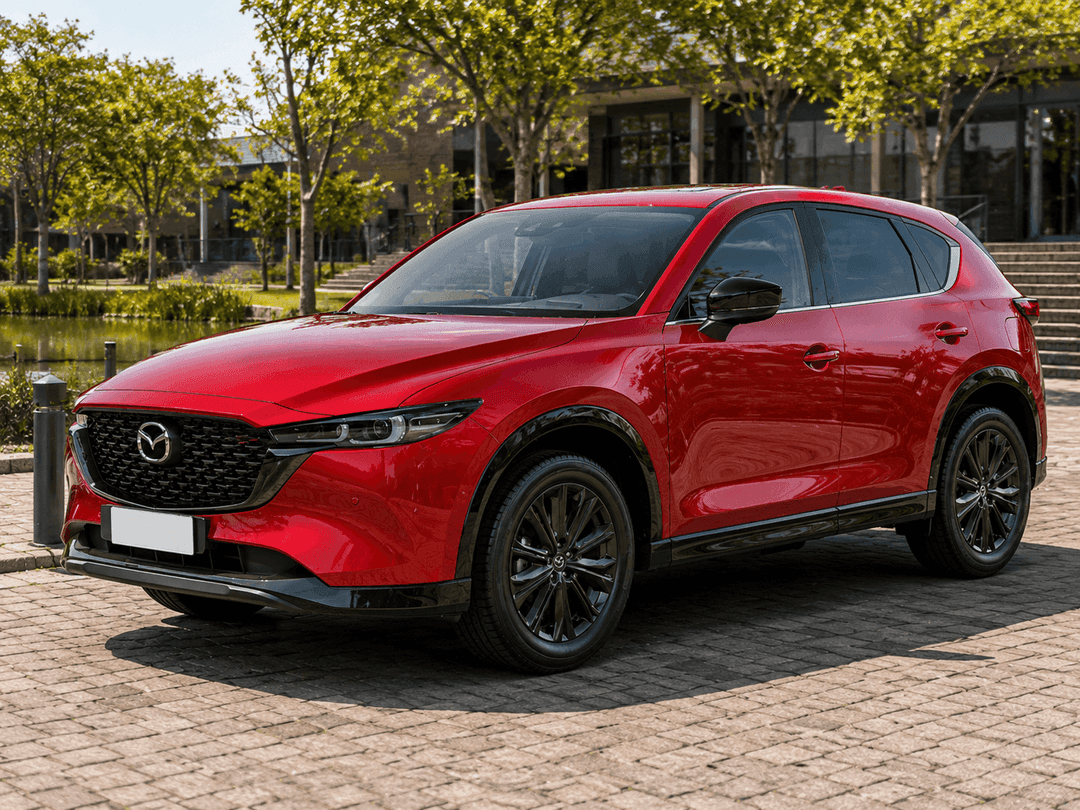
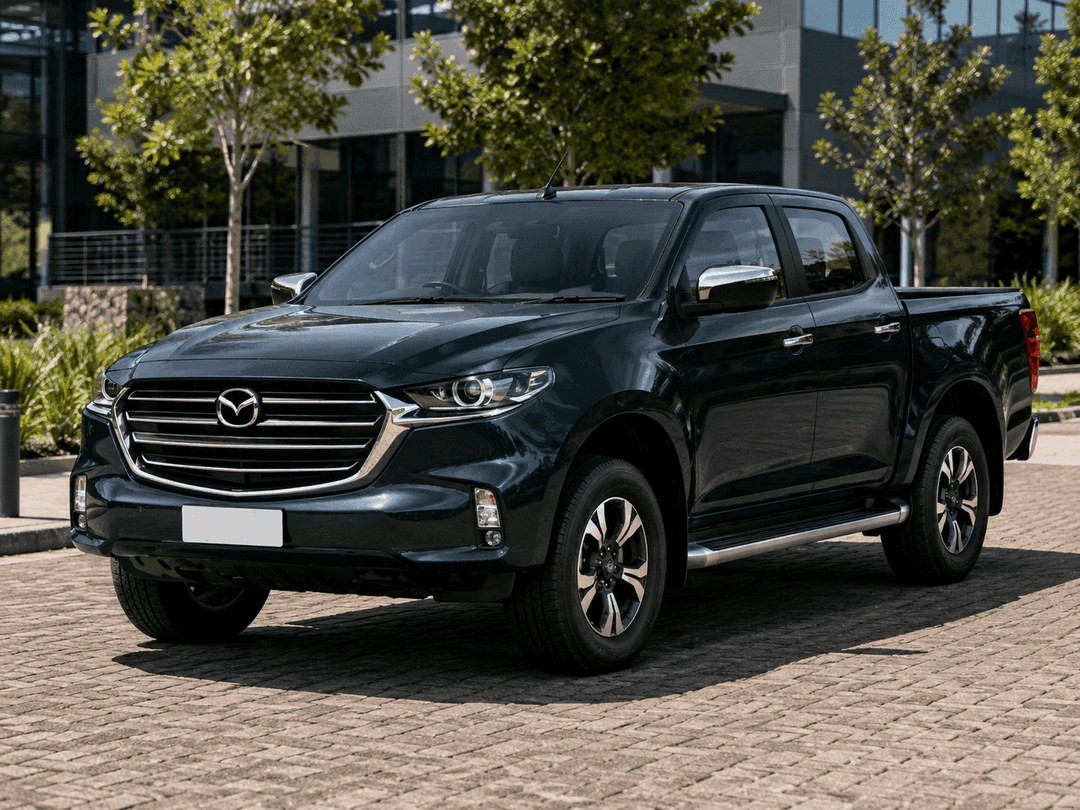
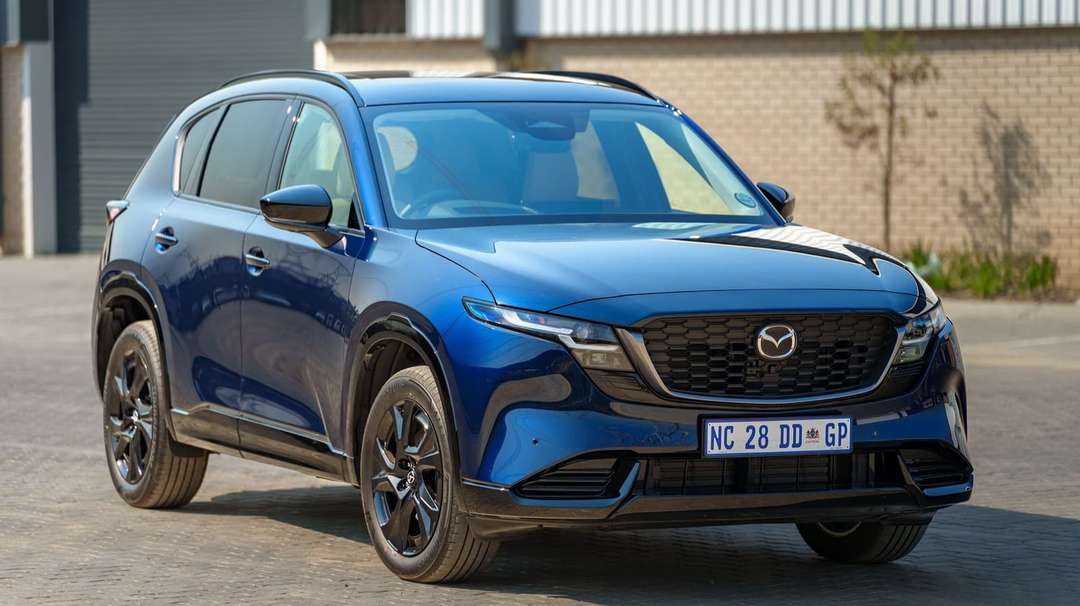
Bigger dimensions are obvious, but most of the added length has gone somewhere useful. The outgoing model was always handsome without trying too hard, and its replacement keeps that restraint while stretching the wheelbase to improve rear legroom. Softer and more comfort-led, then.
Ground clearance on current listings is 193mm, enough to matter on rutted Karoo farm roads and corrugated gravel. Mazda has deliberately softened the old car’s sharper character. Enthusiasts may grumble. Families probably won’t, and that’s the point.
One warning for SA buyers: this engine is offered with AWD in overseas markets such as Australia, while local launch information lists front-wheel drive. Anyone regularly tackling wet gravel or steep farm tracks should confirm AWD availability with a Mazda dealer before signing.
Cabin & Practicality
Space and everyday use
Extra body length largely benefits rear passengers, making three-across school runs less cramped. You still get five seats, five doors, and a fuel tank of 56 litres. Cabin materials have traditionally been a CX-5 strength, feeling closer to premium German fare than the harder plastics found in many mainstream rivals. Our test luggage, including two 67cm suitcases and a folded pram, fitted beneath the load cover without rearranging the second row.
- Rear seat gain: The longer wheelbase favours passenger legroom rather than outright cargo depth.
- Physical controls retained: Climate shortcuts remain tactile instead of disappearing into screen menus.
- Screen choice: A 12.9-inch display is standard, while the range-topping grade receives the 15.6-inch unit.
On the Road
The powertrain question
Powertrain choice is the obvious weak spot. South Africa gets no turbo, diesel or hybrid at launch, only a naturally aspirated 2.5-litre petrol producing 132kW and 240Nm. A six-speed automatic sends that output to the front wheels. It’s properly adequate, but nothing more.
The lack of electrification feels like a missed opportunity beside increasingly hybrid-heavy rivals. Mazda’s engine is perfectly usable, but in 2026, local buyers deserve to hear that criticism without the launch-event gloss.
Real-world consumption on SA roads
Claimed Mazda CX-5 fuel consumption is 7.2 L/100km, which looks achievable on the N1 at a steady 120km/h. Expect well beyond 9 L/100km during a Joburg peak-hour crawl. Without hybrid assistance, the naturally aspirated engine works harder in town, and current fuel costs make that gap far more relevant than a brochure figure suggests.
With two adults and luggage aboard, our 0-100km/h estimate slipped to 10.1 seconds. That’s respectable rather than rapid, reinforcing the point: the CX-5 is tuned for relaxed family motoring, not outright performance.
- 0-100km/h: 10.7 seconds - adequate, not quick.
- CO2: 161 g/km, higher than a hybrid rival would post.
- Top speed: 200km/h, academic on any legal SA road.
I once saw 8.4 L/100km from the outgoing car over a mixed Cape Town commute. At 120km/h, our cabin meter also registered 71 dB on coarse tar, so consider 7.2 a best-case highway result rather than an everyday promise.
Data & Comparison
What the money actually shows
Now the changeover becomes interesting. New-generation listings average around R600,790, with the current entry point near R557,933 and a ceiling of R718,420. A run-out 2025 unit averages R547,226. The outgoing model’s three-year residual sits at roughly R387,422, while the five-year total cost of ownership lands near R230,000.
How it stacks against rivals
| Spec | Mazda CX-5 2.5 | Toyota RAV4 Hybrid | Honda CR-V |
|---|---|---|---|
| Powertrain | 2.5 NA petrol | Hybrid | Turbo/hybrid |
| Claimed economy | 7.2 L/100km | Lower (hybrid) | Turbo-dependent |
| Cabin feel | Near-premium | Functional | Roomy |
| Residual strength | Below rivals | Class-leading | Strong |
Historically, the CX-5 retains a smaller share of its original value than the RAV4 or CR-V. Sellers lose; used buyers win. That weaker residual allows an older CX-5 to undercut an equivalent-age Toyota by a meaningful amount.
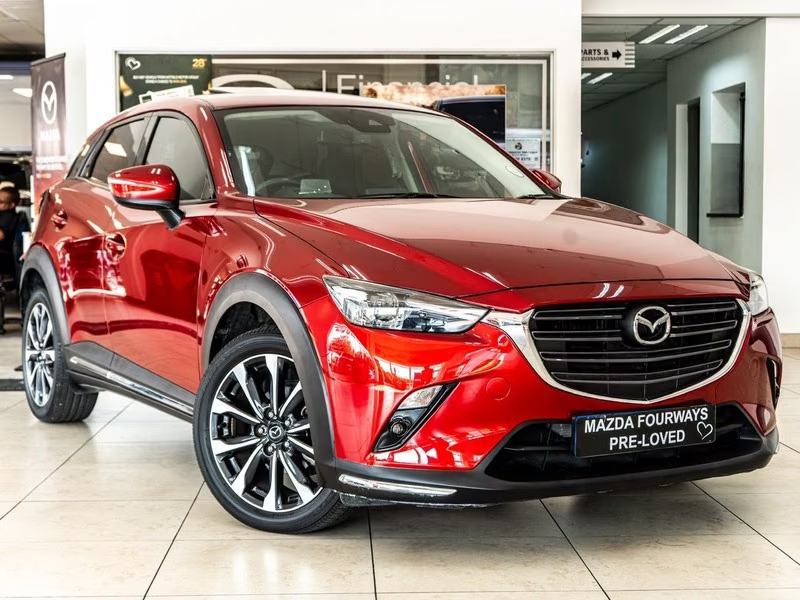
Recurring concerns with the outgoing generation include premature brake wear and infotainment lag, so every used buyer should check both.
Editorial Focus
New, run-out, or used - the straight verdict, twice
Let’s split the verdict into two four-tier calls, one covering the new model and another dealing with run-out and used stock. They really are different purchasing decisions.
The new Mazda CX-5 2026 price proposition in South Africa (from around R557,933):
- Just buy it if you keep cars 8-plus years and want the roomiest, most connected CX-5 with the fresh 5-star crash structure.
- Shortlist it if cabin quality and the Homura grade’s equipment appeal more than a hybrid rival’s fuel savings.
- Consider it if you can accept the projected first-year depreciation penalty against a discounted run-out model.
- Avoid it if fuel economy leads your priorities. A petrol-only NA engine is a genuine weakness beside hybrid alternatives.
The run-out and used play (2025 run-out ~R547,226; 2-3 year cars R340k-R387k):
- Just buy it if you value a proven drivetrain and would rather let somebody else absorb the steepest depreciation.
- Shortlist a clean 2023-2024 example with complete service history and properly inspected brakes.
- Consider a run-out 2025 only if the dealer discount is genuinely substantial besides the replacement.
- Avoid any example with an outstanding Denso fuel-pump recall or persistent infotainment freezing.
Local reality deserves a mention. Mazda’s dealer and parts footprint is smaller than Toyota’s or VW’s, whether you buy new or used, so that used-car discount remains the cleaner variable. Filter auto.co.za listings by EXCELLENT and GOOD price labels, then put your trade-in through the valuation tool before committing. Also ask a Mazda dealer for written parts lead times if you live far from a major centre.
Safety rating
ANCAP · tested 2025
★★★★★ 5/5 adult occupant
★★★★★ 5/5 child occupant
Euro NCAP's stated applicability covers 2.5L MHEV 4x2/4x4, LHD and RHD; ANCAP extends the 5 stars to RHD Australian-market variants. Official factsheet.
Verdict
Mazda’s new CX-5 is roomier, safer on paper and considerably better inside. It’s what the CX-5 should have been from the start in terms of cabin technology. Yet the petrol-only launch range and heavy early depreciation alter the sums for most South African households.
- Buy the new car if you plan to keep it long-term and value the newer crash structure and Homura cabin.
- Shortlist the run-out 2025 only if its discount beside the new model is genuinely steep.
- Just buy used if proven mechanicals and maximum savings matter most. A checked 2022-2023 example near R340k-R387k is the sweet spot.
- Wait if fuel economy dominates your budget. The hybrid confirmed to follow later should suit heavy commuters better.
Summary
Here’s the short version: we compare the new Mazda CX-5 2026 South Africa launch with run-out and used examples, including pricing, real-world fuel use, depreciation and the smartest local buy as of 2026.
Ratings
Pros
- ✓If you plan to keep it long-term and value the newer crash structure and Homura cabin.