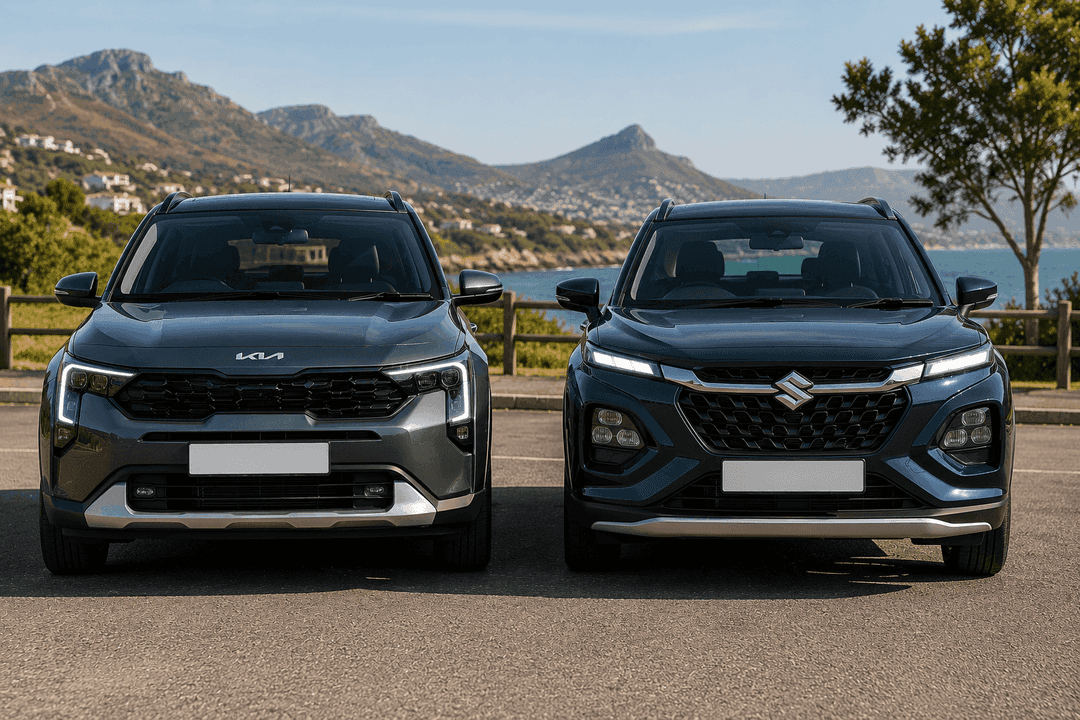
Suzuki Baleno 1.5 GLX AT (2026) Review

The gearbox and seats nibble half a point each, but value brings it right back. The Baleno deserves more sales than it sees. On merit, it’s the cleverest spend in the segment…
Introduction
Right, here’s the long and short: the Suzuki Baleno 1.5 GLX AT is the best-specced small hatch you’ll find for under R350k, if you can get past a gearbox that belongs in a 2010s time capsule. No sugar-coating that. As the Polo Vivo, Starlet, and i20 keep slugging it out for your hard-earned rands, Suzuki’s value pitch still makes sense. Just know what you’re signing up for.
Key takeaway: You won’t find more kit or a longer warranty under R350k, but you’ll need to be okay with the four-speed auto’s quirks.
Design & Exterior
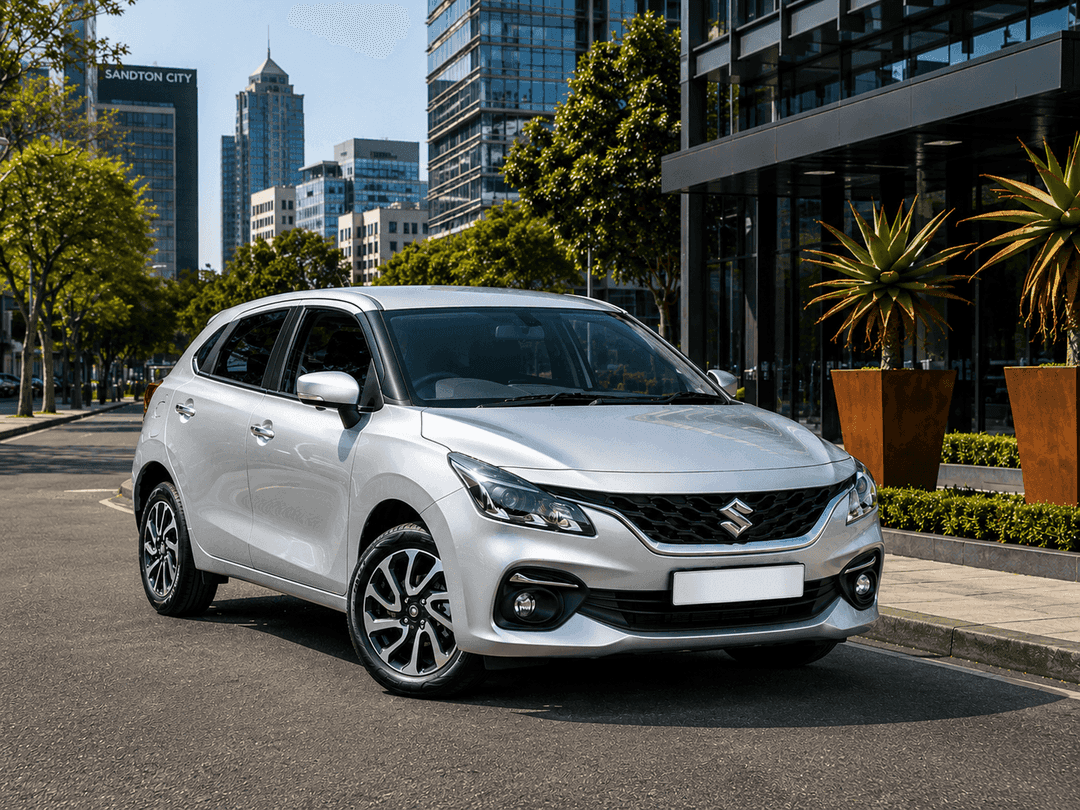
The second-gen Baleno (WB), on sale since 2022, finally looks like something you’d actually choose instead of something you’re forced into. The last Baleno was invisible - honestly, I lost mine in a car park once. This one? It stands its ground: squared-off LED headlamps, a grille that actually means business, and real shoulders along the flanks.
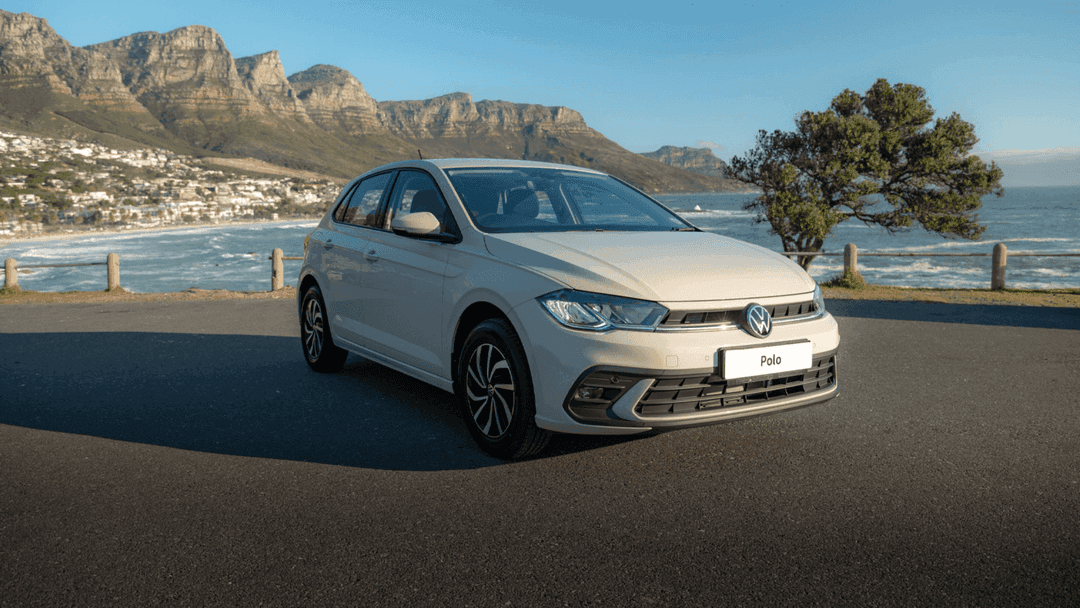
Is it beautiful? No, not in the way a Mazda2 turns your head. But it’s confident. The 195/55 R16 alloys fill those arches properly. There’s a neat LED signature out back, and the whole thing doesn’t scream “bargain bin” anymore. Park it next to a Polo Vivo Highline, and the Baleno looks fresher - no contest.
Ground clearance sits at a typical B-segment 170 mm - enough for a speed bump, but forget about that nasty corrugated gravel. Some buyers expect hatchbacks to be helpless; this one isn’t, but no, it’s not a Jimny. Let’s be real.
Cabin & Practicality
This is where the Baleno justifies every cent, and where my Suzuki Baleno review really comes together. The cabin feels way richer than the price suggests.
Materials and layout
Soft-touch bits on the dash, a 9-inch touchscreen that’s actually usable, a head-up display that tucks away like a prop from a more expensive car, and - hallelujah - physical climate dials. After a week of poking at laggy touchscreens in a Chinese SUV, I nearly hugged the Baleno’s knobs. The 4.2-inch driver display is sharp and clear. In a tight parking bay, that 360-degree camera is a lifesaver, not a toy.
Space and the boot
Five doors, five seats, honest B-segment sizing. Rear legroom is a squeeze if you’re over six foot, but ISOFIX points and wide door openings mean child seats go in without breaking a sweat. Suzuki Baleno boot space? 314 litres - properly useful, and you’ll notice the edge over the Polo Vivo’s 280L on a family grocery run or when stuffing a pram in for the school commute.
- Infotainment: 9-inch touchscreen, wireless Apple CarPlay and Android Auto
- Driver display: 4.2-inch colour TFT cluster
- Head-up display: retractable, standard on GLX
- Camera: 360-degree surround view, rear PDC
- Safety: six airbags, ABS, ESP, hill-hold assist
- Steering: reach and rake adjust - surprisingly rare at this price
Seats are the weak link. The base is short, bolsters are flat, and after a long drive, your back will know about it. I brought my own lumbar cushion for a 600km trip and honestly, I wouldn’t go without it. If you pack smart, that matters.
On the Road
Let’s get straight to it: the 1.5-litre four (77kW and 138Nm) drives the front wheels through a four-speed torque-converter auto. There’s no hiding from that gearbox. It shapes the whole experience.
The four-speed question
In town, it’s absolutely fine. The torque converter is smooth, throttle response is relaxed, and unless you’re drag racing, you won’t miss the extra gears. The Baleno feels light, steering is direct, and it’s nimble in traffic - think Swift, but grown up.
Hit the open road at 120 km/h, and you’ll hear it working. With just four ratios, the engine spins higher than a Polo Vivo’s six-speed or a Starlet’s CVT - expect to see the needle sitting between 3 000 and 4 000 rpm. Real-world fuel use? I logged 5.8 L/100km, just a tick above the claimed 5.7. Impressive, but you’ll hear the motor’s effort on a long haul.
Ride and chassis
Suzuki’s Heartect platform is light, and the suspension is on the firm-but-not-harsh side. Potholes? Absorbed without drama. Speed bumps don’t shake your fillings loose, and even a cautious trek on a district gravel road was drama-free, as long as you keep your wits about you. Body roll? Present, but predictable. This isn’t a junior hot hatch, and pretending otherwise misses the point. As a daily, it just works.
The 1.5 GLX AT finally delivers what the Baleno should have offered first time around - enough power to make the auto box workable, instead of the old 1.4’s breathless act. For those worried about Suzuki Baleno 2016 common problems, this latest model sidesteps the old clutch and compressor troubles.
Data & Comparison
Price is everything on this car: the Suzuki Baleno 1.5 GLX AT clocks in at R341 900 as of 2026. That’s the figure that matters, especially for budget buyers staring down the Starlet and Vivo. Suzuki Baleno price South Africa? That’s the number to beat.
Key specs at a glance
- Engine: 1.5L petrol, naturally aspirated
- Power: 77kW and 138Nm
- Drive: FWD
- Transmission: 4-speed automatic
- Doors: 5
- Generation: II (WB, 2022-)
- Claimed economy: 5.7 L/100km
- Boot: 314 litres
- 5-year TCO estimate: R230 000
How it stacks up
Of course, the Suzuki Baleno vs Toyota Starlet face-off is what everyone asks about - they’re twins under the skin.
| Spec | Suzuki Baleno 1.5 GLX AT | Toyota Starlet 1.5 XR auto | VW Polo Vivo 1.4 |
|---|---|---|---|
| Power | 77kW | 77kW | ~55kW |
| Transmission | 4-speed AT | CVT | 5MT |
| Boot | 314L | 314L | 280L |
| Warranty | 5yr/200 000 km | 3yr/100 000 km | 3yr/120 000 km |
| Service plan | 4yr/60 000 km | 3yr/45 000 km | None standard |
The Starlet’s CVT is the better box for highway driving, but you’ll pay more upfront and lose out on the Baleno’s longer warranty and service plan. The Polo Vivo? It’s the default for a reason, but match the Baleno’s kit and you’ll be shocked at how quickly the price climbs. Baleno’s value per rand is hard to argue with.
Aftersales and the service plan
Suzuki’s aftersales package is a big deal: 4-year/60 000 km service plan, 5-year/200 000 km warranty. Put that against the Starlet’s 3-year/45 000 km and 3-year/100 000 km, and the numbers favour Suzuki. Five-year TCO comes in at R230 000 versus a Toyota that’ll ask for cash services sooner and still cost more new. Suzuki Baleno service plan South Africa? It’s included, and that matters.
Trend and category context
Hatchbacks are fighting for attention in SA. SUV demand sits at 76 on the trend index, hatches at 41. Suzuki’s up against the odds here, which means the Baleno has to work doubly hard to get noticed - and that’s why the spec sheet is so stacked for the cash.
Editorial Focus
Budget Car Done Right in SA - does it deliver?
With the four-speed caveat, yes. The Baleno GLX justifies the “Budget Car Done Right” tag and reveals the only real cracks in the story.
On the plus side: GLX trim feels generous. You get the camera, head-up display, six airbags, LED lights, alloys, reach-adjust steering, and a 9-inch screen with wireless mirroring - all at R341 900. Try building a Polo Vivo Highline to match and the price balloons. Plus, Suzuki’s aftersales is unmatched in this bracket. My observed 5.8 L/100km is bang on with the claim. Because Suzuki imports the Baleno from Maruti’s Gujarat factory, the price can’t ride on local assembly savings like the Vivo - yet it still wins the value fight.
Where does the case wobble? The four-speed auto is behind the curve. Stick a CVT or a modern six-speed in this car and it’d be a “shut up and buy it” deal. The other factor is resale: the Baleno drops value faster than the Starlet, simply because Toyota’s badge is resale gold. If you hold onto cars for five years or more, that gap fades. If you change up every three, the Starlet might claw back the maths despite costing more.
So, does it meet the “Budget Car Done Right” promise? Easily. And that’s the point.
People Also Ask
What are the common Suzuki Baleno problems?
On the current 2022-on model, issues are minor: slow infotainment at times, the gearbox holding revs on the highway, and seats that don’t support on long hauls. For the first-gen (2016), clutch wear on manuals and noisy AC compressors were the main gripes - this new car is a clean break mechanically. The old Suzuki Baleno common problems are mostly history now.
Is the Suzuki Baleno 1.5 GLX AT review in South Africa worth reading before buying?
Definitely. Any honest review will highlight the four-speed’s limitations - it’s the car’s biggest compromise. Everything else - features, fuel use, warranty, comfort - beats the R341 900 sticker. Just make sure you drive it at freeway speeds before you sign anything.
How much does the Suzuki Baleno cost in South Africa?
The 1.5 GLX AT is R341 900 for 2025, with the manual and GL trim versions coming in lower. That’s a chunk below the Toyota Starlet 1.5 XR at R366 200, yet you get more warranty and goodies like the camera and head-up display thrown in. The Suzuki Baleno price in South Africa is a sticking point for value seekers.
What are the Suzuki Baleno accessories available in South Africa?
Suzuki SA’s accessory menu covers mudflaps, boot mats, scuff plates, roof rails, dashcams, and tow bars. Prices range from R500 to R4 500, depending on what you add and where you buy. Dealers often throw in bundles when you’re signing the OTP, so haggle. Suzuki Baleno accessories South Africa price list varies, but shop around for the best deal.
Is the Baleno reliable for long-distance SA driving?
Yes - as long as you accept the four-speed auto’s high-rev character on the N1 or N3. The 1.5 engine isn’t stressed, fuel use hovers near the claimed 5.7 L/100km, and the 37-litre tank gets you about 600km between fills. I’d road-trip one again - just pack a lumbar cushion for the seats.
How does the Baleno compare to the Toyota Starlet?
They’re twins underneath. The Starlet’s CVT is calmer on the highway, but Suzuki gives you more warranty, a longer service plan, more kit, and a lower price. For value, it’s the Baleno. For resale and dealer network, Toyota. Weigh up what matters most to you.
Verdict
The Suzuki Baleno 1.5 GLX AT brings the most features, the longest warranty, and the best service plan you’ll find under R350k in the small-hatch segment. It’s what the Baleno should have been from the start. The four-speed automatic is the Achilles’ heel, especially at highway speeds. But for city and suburban driving, it fades into the background.
Buy it if: you want a fully-loaded small auto hatch, plan to keep it five years or longer, and value peace of mind over resale snobbery.
Don’t buy it if: you trade up every three years (Starlet wins on resale), or if you rack up highway miles and crave quieter, lower-rev cruising from a CVT.
Rating: 8/10. The gearbox and seats nibble half a point each, but value brings it right back. The Baleno deserves more sales than it sees. On merit, it’s the cleverest spend in the segment…
Summary
The Suzuki Baleno 1.5 GLX AT brings the most features, the longest warranty, and the best service plan you’ll find under R350k in the small-hatch segment. It’s what the Baleno should have been from the start. The four-speed automatic is the Achilles’ heel, especially at highway speeds. But for city and suburban driving, it fades into the background.
Ratings
Pros
- ✓You want a fully-loaded small auto hatch, plan to keep it five years or longer, and value peace of mind over resale snobbery.