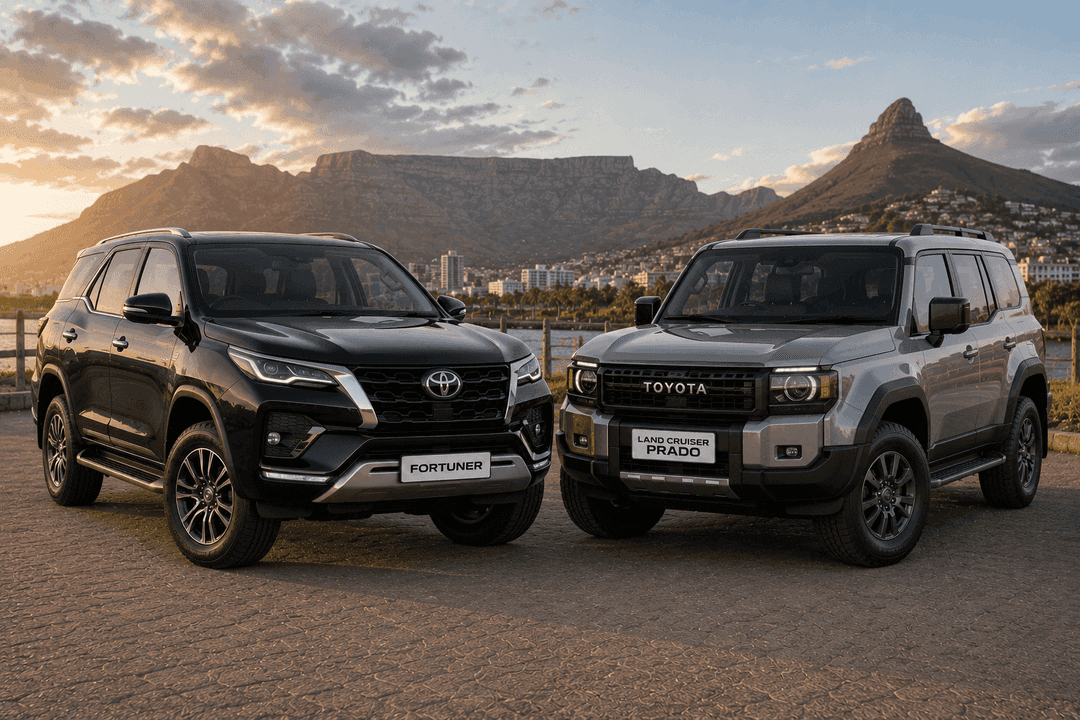
Toyota Fortuner 2.8 GD-6 / 2.4 GD-6 (2016) Review
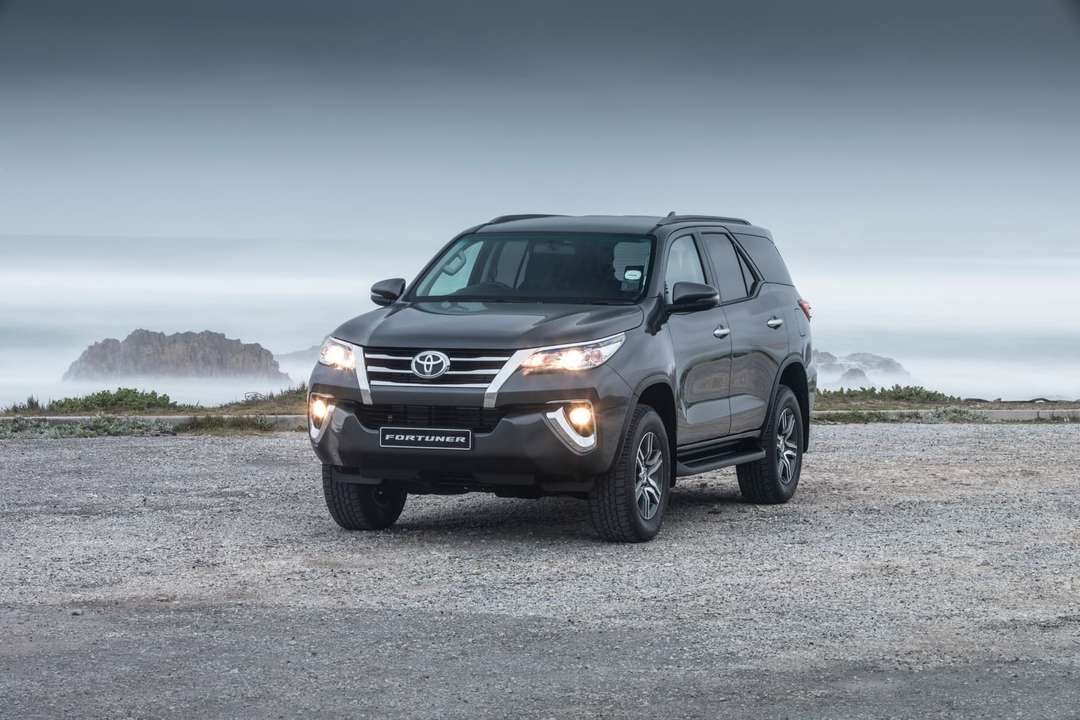
Class-leading resale and a dependable engine make the used Fortuner South Africa’s safest ladder-frame seven-seat buy. Only its firm ride gives newer rivals an opening.
Introduction
Look, a post-facelift 2.8 GD-6 Fortuner with a full service history remains one of South Africa’s safer used-car bets. Simple. But the range now spans a decade, two engines and three different power outputs, with a huge gap between an older bargain and a nearly new example.
Getting the used Toyota Fortuner price right matters, as does understanding the 2.4 versus 2.8 debate and the GD-6 issues shared with the Hilux. Get it wrong, and that bargain could turn into a R150,000 lesson.
We checked 133 current listings in 2026. Here’s where I think the value sits.
Key takeaway: The post-2020 facelift 2.8 GD-6 with remaining service plan is the sweet spot, backed by stronger resale than any ladder-frame seven-seat rival in South Africa.
Design & Exterior
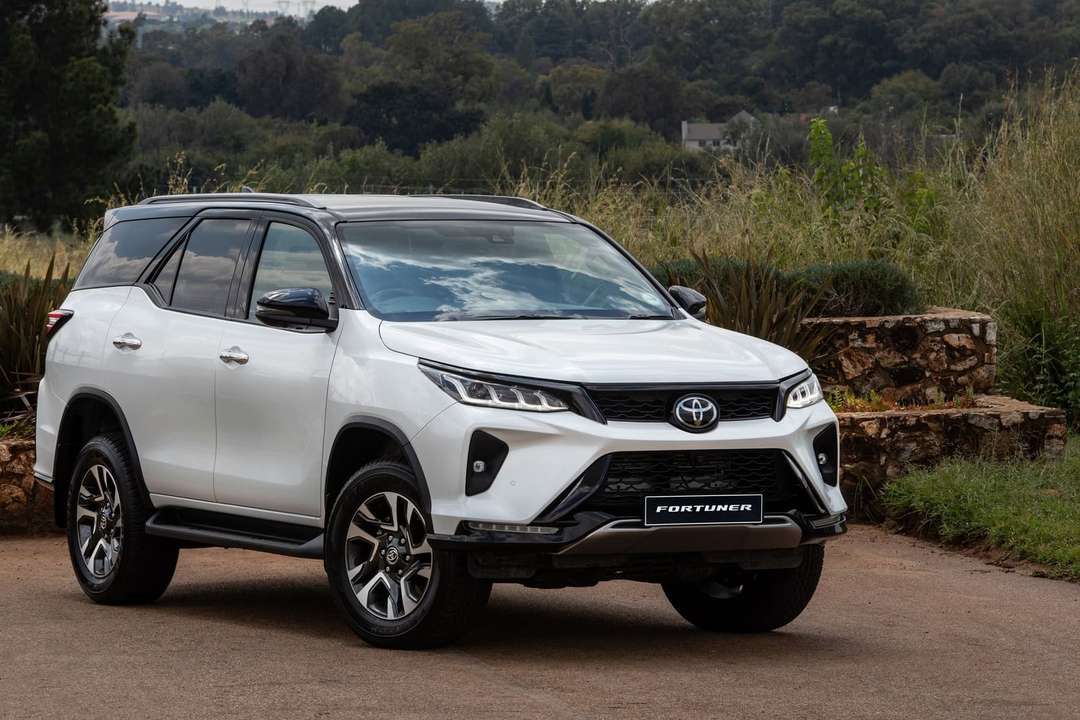
Fortuner styling doesn’t chase trends. Good. A 2016 model still looks current enough to avoid the old-SUV stigma, which supports resale, while 279mm of ground clearance and Hilux underpinnings provide that familiar upright stance. Rough gravel won’t trouble it, either.
The facelift you can spot from across the lot
November 2020 is the big visual and mechanical dividing line. Earlier cars wear the older bi-LED headlight signature, while facelift models received a sharper grille, revised lights and the stronger engine tune. Learn the differences before walking into a dealer. Prices and performance separate quickly.
Where it sits in the segment
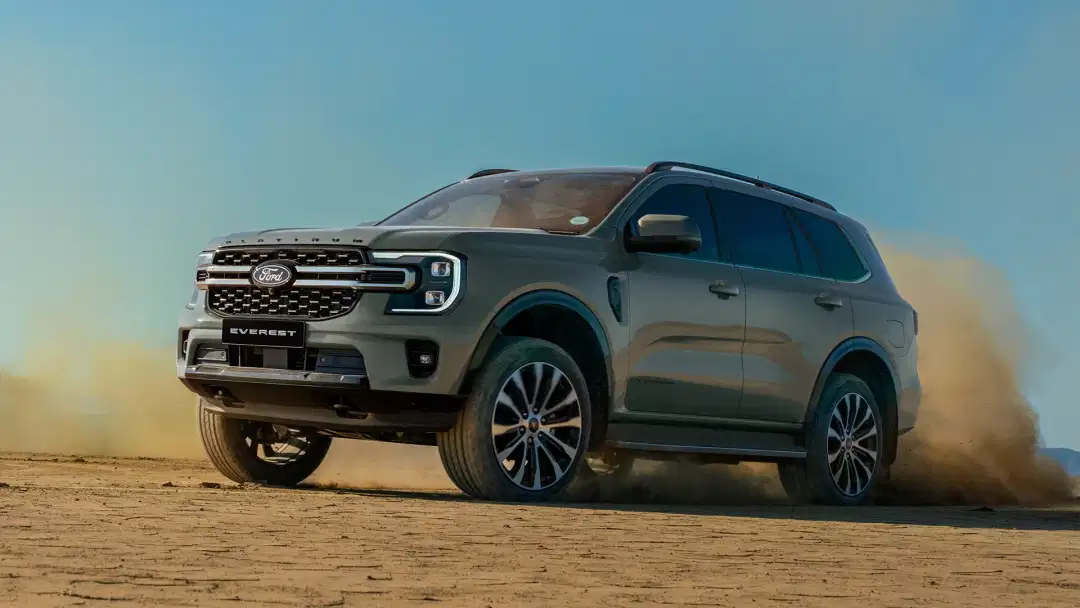
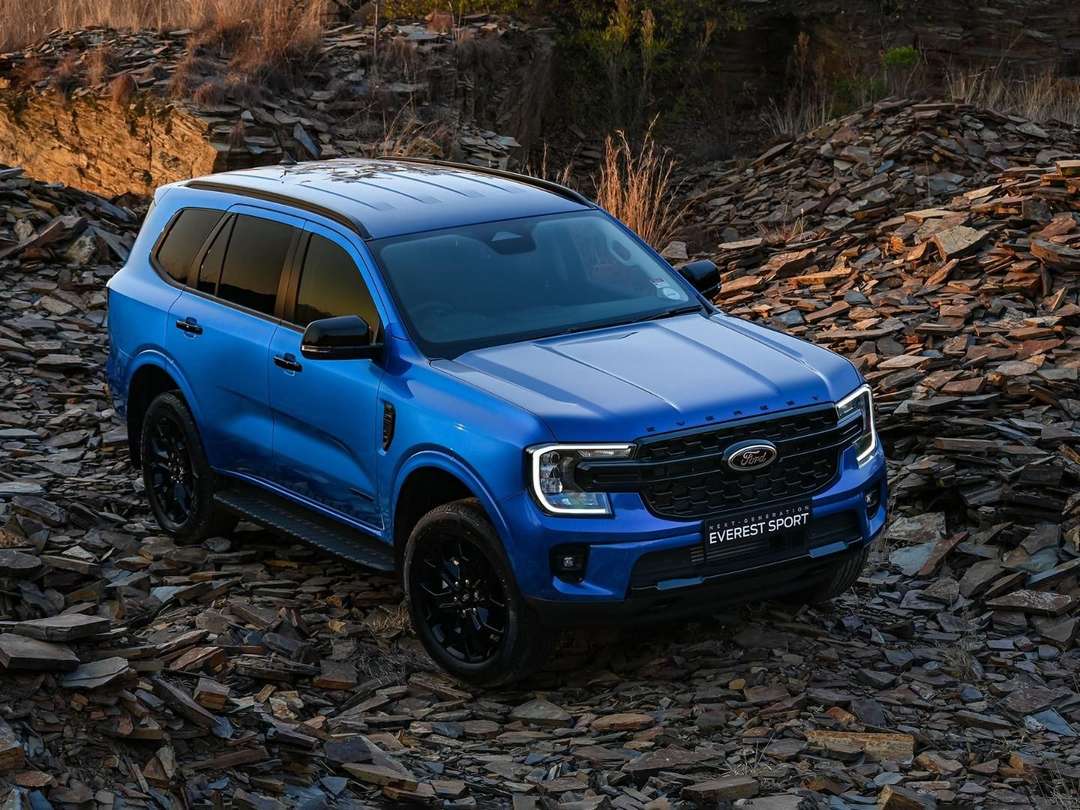
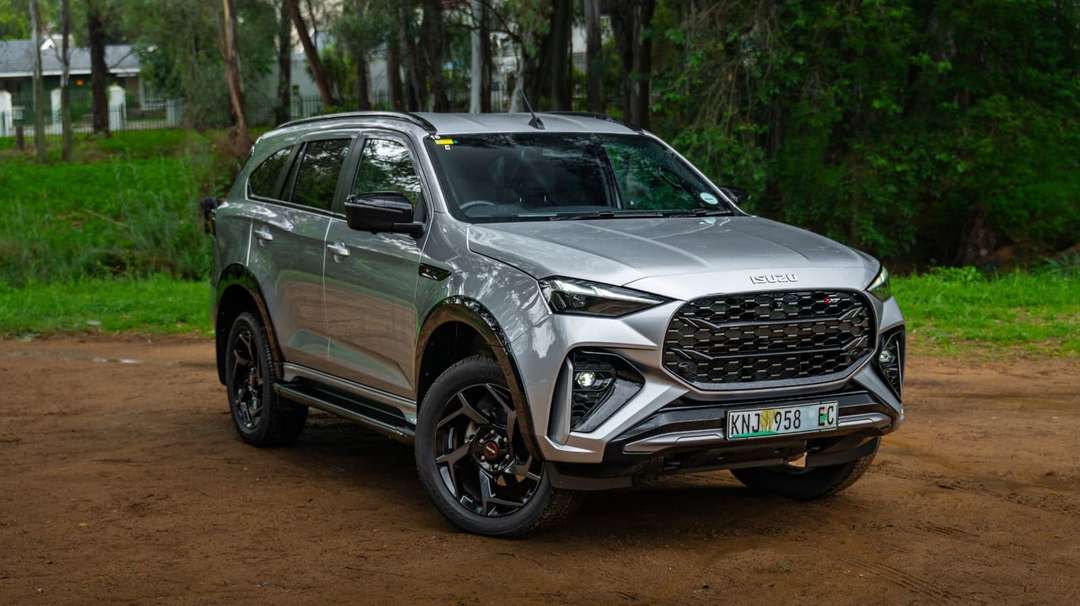
Against the Ford Everest and Isuzu MU-X, Toyota’s Fortuner is the traditionalist. An Everest feels newer and more car-like from behind the wheel, but the Toyota’s honest body-on-frame character still appeals to local buyers. Trust carries a price.
Cabin & Practicality
Seven seats, five doors and a cabin tougher than its shiny trim initially suggests. Third-row accommodation suits children or short school runs, not adults staring down several hours on the N1.
Materials and physical controls
Toyota kept physical buttons for the climate control and drive modes. I’m grateful for that. On corrugated Karoo gravel, changing the fan speed should take one press, not three stabs at a bouncing touchscreen. Pre-facelift cabins feel plasticky in obvious places, while the December 2021 specification update brought better trim and infotainment. Chase a 2022-onward car if cabin quality matters.
Space and family duty
- Seven seats with a folding third row for occasional use.
- Rear ISOFIX points for child seats on the second row.
- 80-litre fuel tank, so a Joburg-to-Durban run needs no fuel stop.
- Boot space is generous with the third row folded, but tight with all seven seats raised.
Few used 7-seater South Africa options are this easy to understand and live with. Our test load, with the back seats folded, included two 70-litre suitcases, a folded pram and several soft bags. If you pack smart, you won’t need roof-rack gymnastics.
On the Road
The GD-6 diesel is a big part of the Fortuner’s appeal. The headline 2.8 produces 250kW and 500Nm, with an estimated 0–100km/h time of 10.8 seconds and a 180km/h top speed.
That torque is what matters in the real world. It gives the Fortuner a relaxed feel when hauling a caravan up Van Reenen’s Pass, even with N3 altitude and a full family load working against it. On paper is one thing, but this is where the numbers actually make sense.
The 2.8 versus the 2.4
If your budget allows, I’d go for the post-facelift 2.8. The balance shaft makes it smoother, and the engine feels properly brisk even when the Fortuner is loaded towards the two-and-a-half-tonne mark.
The 2.4 is a different story. It works harder, and on a car that has spent its life towing or carrying heavy loads, that can mean more stress on components such as the injectors and turbo actuator.
It sounds counterintuitive, but for me, the 2.8 is worth the extra money.
Ride and refinement
Toyota’s 2755cc engine carries an 8.0 L/100km combined claim. Our mixed route returned 9.1 L/100km, which is credible once stop-start driving joins the trip computer’s sums. A sound meter also recorded 69 dB at 120km/h, where the Fortuner settles comfortably on the N3 at altitude. Its ride is firmer than an Everest’s, but corrugated gravel suits the Toyota surprisingly well. Don’t panic if DPF regeneration becomes audibly busy. That’s normal behaviour, not automatically a fault.
Data & Comparison
Used Toyota Fortuner prices have climbed steadily. Across 133 listings, the average sits at R582,656, stretching from a R319,900 early 2016 to a R1,009,000 range-topping 2026.
Price bands by year
| Year | Listings | Median price (ZAR) | Range (ZAR) |
|---|---|---|---|
| 2016 | 7 | R418,900 | R319,900 - R455,500 |
| 2018 | 9 | R429,900 | R378,500 - R469,900 |
| 2020 | 19 | R499,500 | R449,900 - R599,900 |
| 2021 | 15 | R579,995 | R484,900 - R699,900 |
| 2023 | 19 | R649,900 | R569,900 - R844,560 |
| 2025 | 22 | R729,900 | R659,800 - R999,000 |
Ownership costs and residuals
Here’s why the used Toyota premium can still make financial sense:
- Estimated 3-year residual value: R275,422.
- Estimated 5-year total cost of ownership: R230,000.
- The Fortuner holds value better over five years than both the Everest and the MU-X.
- A rival like the MU-X shed roughly a third of its value over five years, while the Fortuner held on harder.
Rivals compared
| Spec | Toyota Fortuner 2.8 | Ford Everest | Isuzu MU-X |
|---|---|---|---|
| Seats | 7 | 7 | 7 |
| Ground clearance | 279mm | Similar ladder-frame | Similar ladder-frame |
| 5-yr resale strength | Strongest | Weaker | Weakest |
| Parts network | Widest (shares GD-6 with Hilux, Prado, LC70) | Good | Good |
Editorial Focus
Right, so let’s tackle the money. November 2020 is the first dividing line: pre-facelift 2.8s made 130kW/450Nm, while post-facelift models jumped to 150kW/500Nm. That increase helps explain the gap between a 2020 median of R499,500 and a 2021 median of R579,995. You’re paying roughly R80,000 for extra power, better safety and improved trim. Worth it.
2.4 versus 2.8 running-cost math
Assuming the 2.4 will be dramatically cheaper to own is a mistake. Its fuel advantage is modest, whereas the 2.8 commands stronger resale and generally endures an easier working life. Add those factors and the cost gap shrinks to almost nothing. Buy the 2.8.
Known GD-6 issues
Reliability is generally strong, but the GD-6 isn’t an indestructible legend. Its fault pattern mirrors the Hilux, so read our Hilux engine guide (internal link) as well. Six problems deserve attention:
- DPF clogging from town-only driving.
- Injector faults.
- VNT turbo actuator sticking.
- EGR carbon build-up.
- Oil dilution from repeated failed regens.
- Early timing-chain rattle.
Repair bills range from a R2,000 forced regen to a R150,000 recon engine if oil dilution is ignored. Spend R1,500 on a pre-purchase scan, preferably at a trusted specialist or CFAO Mobility Toyota workshop, and establish what any stored limp-mode fault means. Budget buyers should target a highway-driven 2016-2019 2.8. Balanced shoppers want a 2021-2022 facelift with service plan remaining, while premium buyers can stretch to a 2023-onward VX.
Verdict
Buy the Fortuner if you need seven seats, proper towing ability and suspension that won’t sulk over Free State gravel. Resale remains one of its biggest strengths. Skip it if you want a plush, car-like ride, because the Everest does that job better. As for the pre-facelift bargain, I’d think carefully. That extra R80,000 for a 2021 facelift 2.8 buys you useful power, improved safety and better future resale.
I once took a fully loaded 2019 2.8 up Sani Pass, and it never flinched. That experience still shapes my recommendation today. Sometimes you don’t need a spreadsheet to know what works.
Summary
A used-buyer’s guide to the Toyota Fortuner 2.8 and 2.4 GD-6 (2016 to 2026), covering prices, running costs, common faults and the model years worth chasing.